Goldman Sachs Bullish on IPOs and M&A Opportunities
Written by Emily J. Thompson, Senior Investment Analyst
Updated: May 07 2026
0mins


Source: CNBC
- IPO Market Outlook: Goldman Sachs analysts predict they will be major winners in the IPO and M&A markets, indicating significant investment decisions in their charitable trust, reflecting strong confidence in market activity.
- Surge in Semiconductor Demand: Taiwan Semiconductor Manufacturing faces overwhelming business demand, with ARM Holdings also indicating a need for more chips, highlighting a tight supply-demand situation in the global semiconductor market that could lead to price increases and market share redistribution.
- Quantum Computing Leader: D-Wave is identified as the best option in the quantum computing space, indicating its leading position in emerging technologies, which may attract more investor attention to its future growth potential.
- Growing Equipment Demand: Thermo Fisher is viewed as a beneficiary of equipment demand in the IPO market, with analysts recommending buying at current price levels, signaling the company's crucial role in future market dynamics.
Trade with 70% Backtested Accuracy
Stop guessing "Should I Buy TSM?" and start using high-conviction signals backed by rigorous historical data.
Sign up today to access powerful investing tools and make smarter, data-driven decisions.
Analyst Views on TSM
Wall Street analysts forecast TSM stock price to fall
8 Analyst Rating
7 Buy
1 Hold
0 Sell
Strong Buy
Current: 432.150

Low
63.24
Averages
313.46
High
390.00
Current: 432.150
Low
63.24
Averages
313.46
High
390.00
About TSM
Taiwan Semiconductor Manufacturing Co Ltd is a Taiwan-based integrated circuit foundry service provider. The Company is primarily engaged in integrated circuit manufacturing services. It offers advanced process technologies, specialised process solutions, advanced photomask and silicon stacking, and packaging-related technologies, while supporting a comprehensive design ecosystem. The Company's products serve diverse electronic sectors including artificial intelligence, high-performance computing, wired and wireless communications, automotive and industrial equipment, personal computing, information applications, consumer electronics, smart internet of things, and wearable devices.
About the author

Emily J. Thompson
Emily J. Thompson, a Chartered Financial Analyst (CFA) with 12 years in investment research, graduated with honors from the Wharton School. Specializing in industrial and technology stocks, she provides in-depth analysis for Intellectia’s earnings and market brief reports.

SpaceX Stock Surges to $2.5 Trillion Valuation

- Market Valuation Surge: SpaceX achieved a market valuation exceeding $2.5 trillion on its second trading day, becoming the sixth most valuable company globally, surpassing Taiwan Semiconductor, which reflects strong market performance and investor confidence.
- Revenue Targets: Despite generating only $18.67 billion in revenue and reporting a net loss of $4.94 billion in 2025, SpaceX's valuation is heavily reliant on its growth potential, particularly in artificial intelligence and orbital data centers, indicating a strategic focus on future innovations.
- Stock Float Dynamics: By selling 555 million shares at $135 each, SpaceX raised $75 billion, with the float representing just 5% of its total market cap; early investors may sell up to 20% of their holdings post-earnings report, which could significantly impact stock price volatility.
- Future Projections: Morgan Stanley forecasts SpaceX's revenue could reach $330 billion by 2030, with $190 billion from AI, while CEO Elon Musk aims for $1 trillion in revenue by 2031, highlighting the company's ambitious growth strategy and the importance of successful execution in achieving these targets.
See More
Overview of Recent Insider Trading Activities

- American Express Executive Sells Shares: Glenda McNeal, Chief Partner Officer at American Express, sold 7,033 shares at $339.36 each between June 15 and 19, totaling approximately $2.39 million, reducing her holdings by 42% to 9,715 shares, indicating a cautious outlook on the company's future.
- Dell Executive's Significant Sale: Richard Rothberg, General Counsel at Dell Technologies, disposed of 20,000 shares at $410 each, generating $8.20 million, which accounted for about 12.31% of his holdings, reducing his stake to 142,415 shares, reflecting a strategic response to market volatility.
- Broadcom Legal Executive's Transactions: Mark Brazeal, Chief Legal & Corporate Affairs Officer at Broadcom, sold 8,152 shares across several transactions for a total of $3.18 million, representing about 2.93% of his holdings, leaving him with 269,989 shares, suggesting a short-term perspective on the stock price.
- SoFi CEO Increases Holdings: Anthony Noto, CEO of SoFi Technologies, purchased 13,888 shares at $18.06 each for approximately $250,787, raising his total holdings to 11.96 million shares, demonstrating confidence in the company's long-term growth potential.
See More

Analysis of International Stock Investment Opportunities

- Valuation Gap: Over the past decade, the S&P 500 has returned approximately 314%, while the Vanguard Total International Stock ETF has only achieved 145%, indicating a significant valuation gap that may present a compelling entry point for investors.
- ETF Investment Benefits: The Vanguard Total International Stock ETF boasts over 8,700 stocks across developed and emerging markets, with an expense ratio of just 0.05%, meaning investors pay only $0.50 annually for every $1,000 invested, greatly reducing investment costs.
- Market Performance Comparison: The average price-to-book ratio for S&P 500 stocks is 5.5 times, while the international ETF averages just 2.3 times, highlighting the relative affordability of international stocks, which may attract value-seeking investors.
- Future Investment Confidence: Although international stocks have underperformed over the past decade, the risk-reward dynamics of investing in the Vanguard Total International Stock ETF appear more attractive in today's overvalued market, with expectations for better returns by 2026.
See More

Vanguard Total International Stock ETF Valuation Gap Widens
- Underperformance of International Stocks: Over the past decade, international stocks have significantly underperformed U.S. stocks, with the S&P 500 generating total returns of approximately 314% compared to just 145% for the Vanguard Total International Stock ETF, indicating potential undervaluation in the international market.
- Widening Valuation Gap: The average price-to-book ratio for the S&P 500 is about 5.5 times, while the international ETF trades at just 2.3 times, highlighting a significant valuation disparity that could present an attractive opportunity for investors.
- Low Expense Advantage: The Vanguard Total International Stock ETF boasts a rock-bottom expense ratio of only 0.05%, meaning investors pay just $0.50 annually for every $1,000 invested, making it an ideal choice for low-cost exposure to international markets.
- Future Investment Potential: Despite the underperformance of international stocks over the past decade, the risk-reward dynamics of investing in a broad international ETF may be more appealing in today's high-valuation market environment, especially for those seeking portfolio diversification.
See More
Intel's Optimistic AI Turnaround Prospects

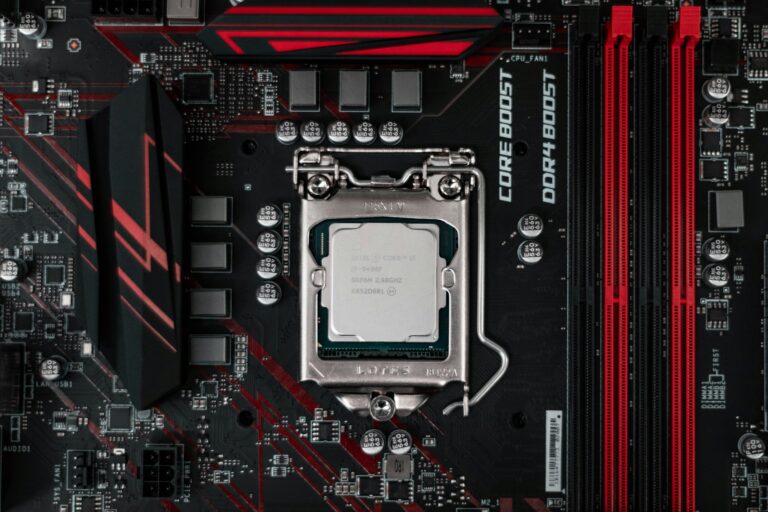
- AI Infrastructure Demand: Cramer suggests that future AI systems may require four CPUs for every GPU, significantly increasing demand for Intel's core products, which could drive a recovery in the company's performance.
- Market Focus Shift: While the market primarily focuses on Nvidia's GPUs, Cramer points out that investors are overlooking the critical role of CPUs in the AI ecosystem, potentially giving Intel an unexpected competitive edge.
- Management Transformation: Since Lip-Bu Tan became CEO in March 2025, Intel's stock has surged, reflecting growing market confidence in the company's ability to regain competitiveness in chip design and manufacturing, indicating positive signs of its turnaround.
- Foundry Business Expansion: Intel is ramping up investments in its foundry business to meet the rising demand for non-offshore semiconductor manufacturing, particularly amid geopolitical tensions, which will strengthen its market position and drive long-term growth.
See More
Taiwan Semiconductor Manufacturing Investment Insights
- Market Trend Analysis: In the latest Motley Fool Scoreboard episode, analysts discussed market trends for Taiwan Semiconductor Manufacturing, noting that while it was not included in the current top 10 stock recommendations, its significance in the semiconductor industry remains crucial.
- Return Comparison: The Motley Fool Stock Advisor boasts an average return of 936%, significantly outperforming the S&P 500's 207%, indicating that even though TSMC is not recommended, investors should still consider its long-term value potential.
- Historical Performance Reference: The episode highlighted Netflix and Nvidia, which yielded returns of 417,305% and 1,293,148% respectively after their recommendations, underscoring the importance of selecting the right stocks, despite TSMC's absence from the list.
- Investor Community Building: Motley Fool encourages investors to join its community for the latest investment advice and market insights, suggesting that while TSMC is not recommended, its analysis still provides valuable context for investor decision-making.
See More
SpaceX Stock Surges to $2.5 Trillion Valuation
- Market Valuation Surge: SpaceX achieved a market valuation exceeding $2.5 trillion on its second trading day, becoming the sixth most valuable company globally, surpassing Taiwan Semiconductor, which reflects strong market performance and investor confidence.
- Revenue Targets: Despite generating only $18.67 billion in revenue and reporting a net loss of $4.94 billion in 2025, SpaceX's valuation is heavily reliant on its growth potential, particularly in artificial intelligence and orbital data centers, indicating a strategic focus on future innovations.
- Stock Float Dynamics: By selling 555 million shares at $135 each, SpaceX raised $75 billion, with the float representing just 5% of its total market cap; early investors may sell up to 20% of their holdings post-earnings report, which could significantly impact stock price volatility.
- Future Projections: Morgan Stanley forecasts SpaceX's revenue could reach $330 billion by 2030, with $190 billion from AI, while CEO Elon Musk aims for $1 trillion in revenue by 2031, highlighting the company's ambitious growth strategy and the importance of successful execution in achieving these targets.
See More
Overview of Recent Insider Trading Activities
- American Express Executive Sells Shares: Glenda McNeal, Chief Partner Officer at American Express, sold 7,033 shares at $339.36 each between June 15 and 19, totaling approximately $2.39 million, reducing her holdings by 42% to 9,715 shares, indicating a cautious outlook on the company's future.
- Dell Executive's Significant Sale: Richard Rothberg, General Counsel at Dell Technologies, disposed of 20,000 shares at $410 each, generating $8.20 million, which accounted for about 12.31% of his holdings, reducing his stake to 142,415 shares, reflecting a strategic response to market volatility.
- Broadcom Legal Executive's Transactions: Mark Brazeal, Chief Legal & Corporate Affairs Officer at Broadcom, sold 8,152 shares across several transactions for a total of $3.18 million, representing about 2.93% of his holdings, leaving him with 269,989 shares, suggesting a short-term perspective on the stock price.
- SoFi CEO Increases Holdings: Anthony Noto, CEO of SoFi Technologies, purchased 13,888 shares at $18.06 each for approximately $250,787, raising his total holdings to 11.96 million shares, demonstrating confidence in the company's long-term growth potential.
See More
Analysis of International Stock Investment Opportunities
- Valuation Gap: Over the past decade, the S&P 500 has returned approximately 314%, while the Vanguard Total International Stock ETF has only achieved 145%, indicating a significant valuation gap that may present a compelling entry point for investors.
- ETF Investment Benefits: The Vanguard Total International Stock ETF boasts over 8,700 stocks across developed and emerging markets, with an expense ratio of just 0.05%, meaning investors pay only $0.50 annually for every $1,000 invested, greatly reducing investment costs.
- Market Performance Comparison: The average price-to-book ratio for S&P 500 stocks is 5.5 times, while the international ETF averages just 2.3 times, highlighting the relative affordability of international stocks, which may attract value-seeking investors.
- Future Investment Confidence: Although international stocks have underperformed over the past decade, the risk-reward dynamics of investing in the Vanguard Total International Stock ETF appear more attractive in today's overvalued market, with expectations for better returns by 2026.
See More
Vanguard Total International Stock ETF Valuation Gap Widens
- Underperformance of International Stocks: Over the past decade, international stocks have significantly underperformed U.S. stocks, with the S&P 500 generating total returns of approximately 314% compared to just 145% for the Vanguard Total International Stock ETF, indicating potential undervaluation in the international market.
- Widening Valuation Gap: The average price-to-book ratio for the S&P 500 is about 5.5 times, while the international ETF trades at just 2.3 times, highlighting a significant valuation disparity that could present an attractive opportunity for investors.
- Low Expense Advantage: The Vanguard Total International Stock ETF boasts a rock-bottom expense ratio of only 0.05%, meaning investors pay just $0.50 annually for every $1,000 invested, making it an ideal choice for low-cost exposure to international markets.
- Future Investment Potential: Despite the underperformance of international stocks over the past decade, the risk-reward dynamics of investing in a broad international ETF may be more appealing in today's high-valuation market environment, especially for those seeking portfolio diversification.
See More
Intel's Optimistic AI Turnaround Prospects
- AI Infrastructure Demand: Cramer suggests that future AI systems may require four CPUs for every GPU, significantly increasing demand for Intel's core products, which could drive a recovery in the company's performance.
- Market Focus Shift: While the market primarily focuses on Nvidia's GPUs, Cramer points out that investors are overlooking the critical role of CPUs in the AI ecosystem, potentially giving Intel an unexpected competitive edge.
- Management Transformation: Since Lip-Bu Tan became CEO in March 2025, Intel's stock has surged, reflecting growing market confidence in the company's ability to regain competitiveness in chip design and manufacturing, indicating positive signs of its turnaround.
- Foundry Business Expansion: Intel is ramping up investments in its foundry business to meet the rising demand for non-offshore semiconductor manufacturing, particularly amid geopolitical tensions, which will strengthen its market position and drive long-term growth.
See More
Taiwan Semiconductor Manufacturing Investment Insights
- Market Trend Analysis: In the latest Motley Fool Scoreboard episode, analysts discussed market trends for Taiwan Semiconductor Manufacturing, noting that while it was not included in the current top 10 stock recommendations, its significance in the semiconductor industry remains crucial.
- Return Comparison: The Motley Fool Stock Advisor boasts an average return of 936%, significantly outperforming the S&P 500's 207%, indicating that even though TSMC is not recommended, investors should still consider its long-term value potential.
- Historical Performance Reference: The episode highlighted Netflix and Nvidia, which yielded returns of 417,305% and 1,293,148% respectively after their recommendations, underscoring the importance of selecting the right stocks, despite TSMC's absence from the list.
- Investor Community Building: Motley Fool encourages investors to join its community for the latest investment advice and market insights, suggesting that while TSMC is not recommended, its analysis still provides valuable context for investor decision-making.
See More