Goldman Lowers US Growth Forecast Due to Iran Conflict, Signals 25% Chance of Recession in Next Year: Report

Goldman Sachs Economic Forecast: Goldman Sachs has revised its forecast for the December 2026 Personal Consumption Expenditure (PCE) index to 2.9%, up from a previous estimate of 2.1%, amid rising crude oil prices and ongoing geopolitical tensions in the Middle East.
Impact of Iranian Attacks: The firm attributes the increase in crude oil prices to disruptions caused by Iranian attacks on oil tankers, which have heightened economic risks, particularly through the Strait of Hormuz, a critical oil shipping route.
GDP Growth and Recession Risks: Goldman Sachs expects U.S. GDP growth for Q4 to be 2.2%, down from 2.5%, and warns of a 25% risk of recession over the next year, exacerbated by the escalating Iran conflict.
Inflation Projections: The firm anticipates inflation to worsen due to the Iran war, predicting a core PCE inflation rate of 2.4%, influenced by rising oil prices, which could also impact GDP growth negatively.
Trade with 70% Backtested Accuracy
Analyst Views on SPY
About the author


Iran Allegedly Rejects Ceasefire Proposal; Officials Claim Trump Is Engaging in Self-Negotiation


Iran Rejects U.S. Ceasefire Plan: Iran has rejected a 15-point ceasefire plan proposed by the U.S. through Pakistan, citing a "very bad experience" with American diplomacy, as stated by Foreign Minister Esmaeil Baghaei.
U.S. Military Movements: The U.S. has deployed thousands of marines to the Middle East amid rising tensions, while Iranian officials confirmed the delivery of the ceasefire plan to Iran.
Details of the Ceasefire Plan: The U.S. ceasefire plan includes aspects such as sanctions relief, a rollback of Iran's nuclear program, and provisions for shipping through the Strait of Hormuz.
Postponement of Attacks: President Trump announced a postponement of attacks on Iran's energy infrastructure for five days, indicating a temporary pause in military actions.

SMCI Stock Rises in Premarket as Retail Remains Optimistic Following Smuggling Scandal That Halved Its Value


Retail Investor Expectations: Retail investors anticipate a rebound in shares, particularly due to sustained high demand for AI chips, despite recent controversies surrounding Super Micro Computer and its co-founders' indictment for illegal activities related to Nvidia components.
Stock Performance Fluctuations: Super Micro Computer's stock experienced a significant drop of 33% following the indictment but has since gained 5.1% and 3% in subsequent trading days, indicating a volatile market response.
Analyst Ratings Adjustments: Several analysts have downgraded their ratings for Super Micro Computer, reflecting concerns over potential hurdles the company may face due to the ongoing controversy, while a minority maintain a "Buy" rating.
Market Sentiment and Future Outlook: Despite the recent sell-off, retail sentiment remains bullish, with traders expressing optimism about a significant rebound, as AI infrastructure spending is projected to increase substantially in the coming years.
Nasdaq and S&P 500 Futures Surge on Optimism Over Middle East Agreement: Key Factors Keeping Traders Focused on TSLA, NVDA, MSFT, ARM, and CRCL Today
Diplomatic Optimism: There is growing optimism for a diplomatic breakthrough between Washington and Tehran, despite conflicting signals from Iran and bearish retail sentiment suggesting fragility in the situation.
SpaceX IPO Potential: Reports indicate that SpaceX may file for an IPO this week, potentially valuing the company at $1.25 trillion, which has contributed to a rise in U.S. stock futures.
Market Trends: U.S. stock futures rose over 1% amid optimism about potential diplomatic resolutions in the Middle East, while retail sentiment towards major ETFs remains extremely bearish despite high trading volumes.
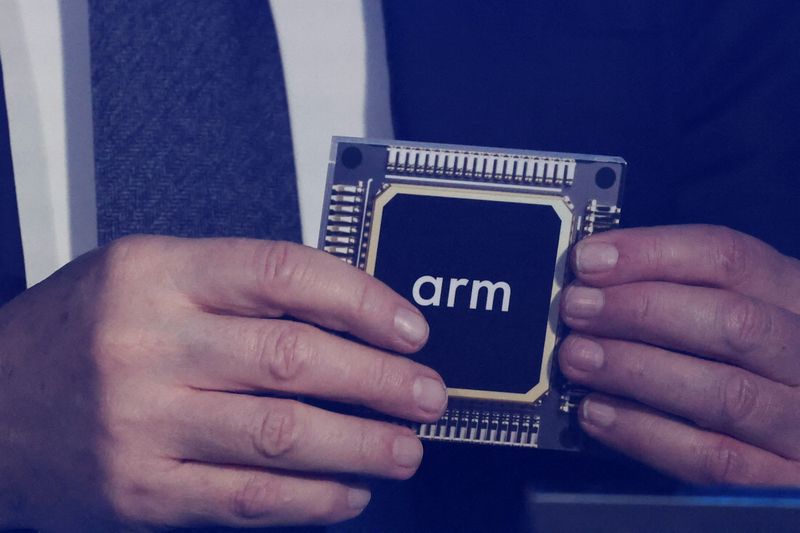
Corporate Developments: Companies like Meta and Nvidia are facing legal challenges and insider trading scrutiny, while Arm Holdings has seen a surge in stock value following ambitious revenue projections and the unveiling of its first in-house chip.
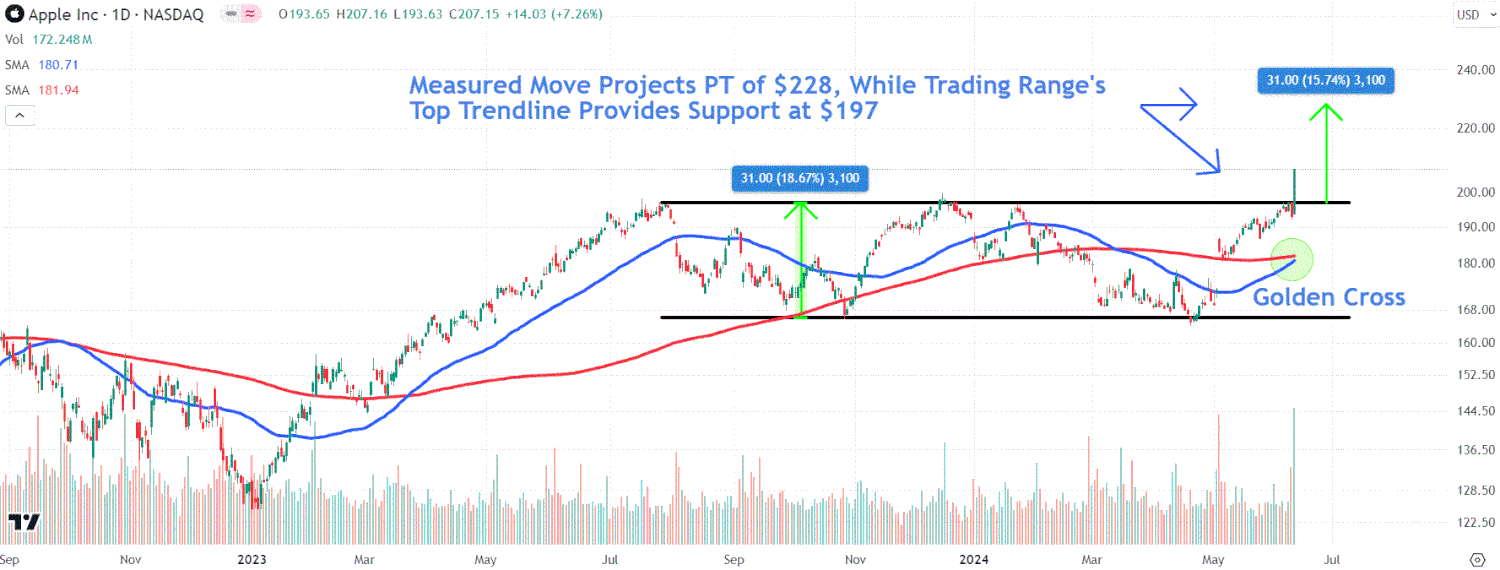
Microsoft Stock's 200-Day DMA Gap Reaches Largest Level Since 2008 Financial Crisis, Sparking Retail Interest in 'Generational' Opportunity


Stock Performance: Microsoft’s stock has sharply declined over the past two weeks, widening the gap between its current price and its 200-day moving average, with a notable drop of nearly 33% from its late October peak.
Market Sentiment: Analysts and retail traders are generally optimistic about Microsoft's long-term growth prospects, despite the recent bearish sentiment reflected in the stock's performance.
AI Partnership Concerns: Microsoft is facing pressure due to its relationship with OpenAI, with reports of disagreements over cloud exclusivity and potential legal actions, raising concerns about its reliance on OpenAI for funding and resources.
Analyst Ratings: Despite the recent downturn, a majority of analysts maintain a 'Buy' rating for Microsoft, with an average price target suggesting significant upside potential, indicating confidence in the company's future growth in cloud and AI offerings.
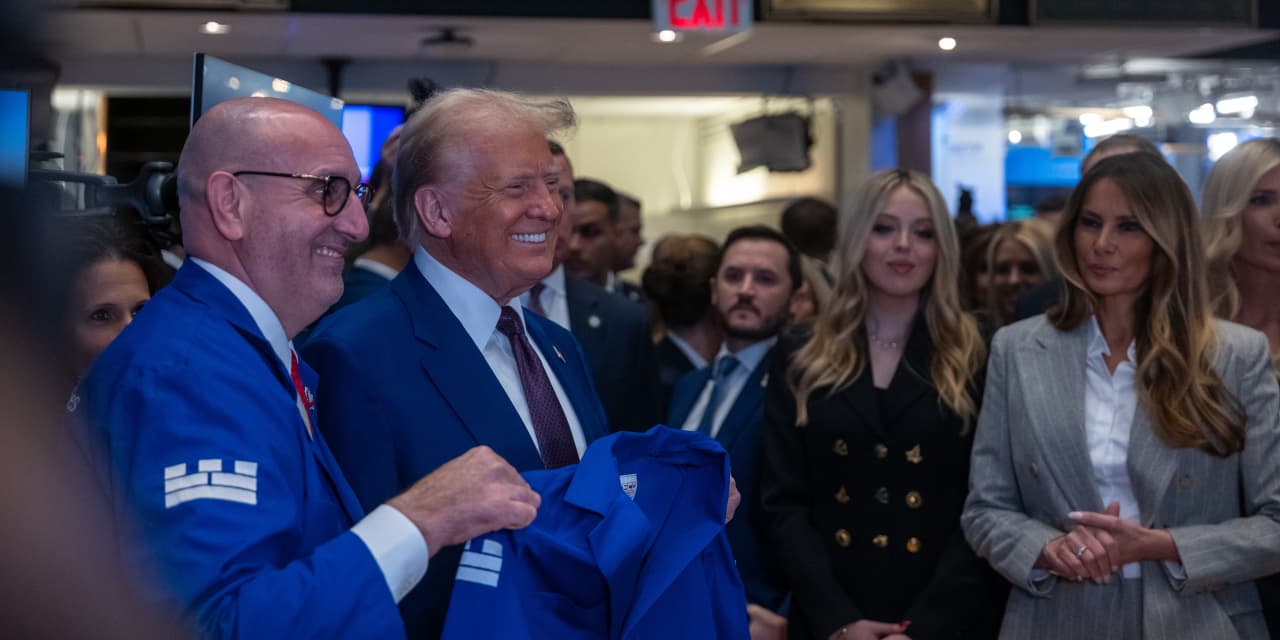
In the Twitter War, This Approach Provides Potential Benefits
- New Front in Conflict: The ongoing conflict with Iran has expanded into social media, particularly through Twitter.
- Battle of Tweets: This new dimension involves both sides using tweets as a means of communication and propaganda.
- Impact on Public Perception: The use of social media in warfare is influencing public opinion and shaping narratives around the conflict.
- Strategic Communication: Both parties are leveraging Twitter to assert their positions and counter each other's claims in real-time.
Futures for Dow, S&P 500, and Nasdaq Surge on Iran Peace Plan Developments: Reasons Behind After-Hours Trends for TSLA, GME, OPEN, VCX, and LUNR
Market Reactions to U.S.-Iran Negotiations: Markets responded to President Trump's announcement that the U.S. is in negotiations with Iran, alongside reports of a 15-point plan sent to Iran via Pakistan to end the conflict, leading to mixed signals among investors as tensions escalated with further strikes between Israel and Iran.
U.S. Troop Deployments: Reports indicated that additional U.S. troops were being deployed to the Middle East, with the Pentagon planning to send thousands more to the region amid ongoing conflicts, while Pakistan offered to facilitate talks between the U.S. and Iran.
Stock Market Performance: U.S. stock futures saw gains following signs of progress towards a potential peace deal with Iran, with the S&P 500 and Dow futures up, although retail sentiment remained bearish amid high trading volumes.
Energy Market Dynamics: Energy markets remained a central driver of sentiment, with Brent crude prices rising significantly, while analysts noted that the administration managed to keep oil prices from reaching alarming levels despite production disruptions in the region.
Iran Allegedly Rejects Ceasefire Proposal; Officials Claim Trump Is Engaging in Self-Negotiation
Iran Rejects U.S. Ceasefire Plan: Iran has rejected a 15-point ceasefire plan proposed by the U.S. through Pakistan, citing a "very bad experience" with American diplomacy, as stated by Foreign Minister Esmaeil Baghaei.
U.S. Military Movements: The U.S. has deployed thousands of marines to the Middle East amid rising tensions, while Iranian officials confirmed the delivery of the ceasefire plan to Iran.
Details of the Ceasefire Plan: The U.S. ceasefire plan includes aspects such as sanctions relief, a rollback of Iran's nuclear program, and provisions for shipping through the Strait of Hormuz.
Postponement of Attacks: President Trump announced a postponement of attacks on Iran's energy infrastructure for five days, indicating a temporary pause in military actions.
SMCI Stock Rises in Premarket as Retail Remains Optimistic Following Smuggling Scandal That Halved Its Value
Retail Investor Expectations: Retail investors anticipate a rebound in shares, particularly due to sustained high demand for AI chips, despite recent controversies surrounding Super Micro Computer and its co-founders' indictment for illegal activities related to Nvidia components.
Stock Performance Fluctuations: Super Micro Computer's stock experienced a significant drop of 33% following the indictment but has since gained 5.1% and 3% in subsequent trading days, indicating a volatile market response.
Analyst Ratings Adjustments: Several analysts have downgraded their ratings for Super Micro Computer, reflecting concerns over potential hurdles the company may face due to the ongoing controversy, while a minority maintain a "Buy" rating.
Market Sentiment and Future Outlook: Despite the recent sell-off, retail sentiment remains bullish, with traders expressing optimism about a significant rebound, as AI infrastructure spending is projected to increase substantially in the coming years.
Nasdaq and S&P 500 Futures Surge on Optimism Over Middle East Agreement: Key Factors Keeping Traders Focused on TSLA, NVDA, MSFT, ARM, and CRCL Today
Diplomatic Optimism: There is growing optimism for a diplomatic breakthrough between Washington and Tehran, despite conflicting signals from Iran and bearish retail sentiment suggesting fragility in the situation.
SpaceX IPO Potential: Reports indicate that SpaceX may file for an IPO this week, potentially valuing the company at $1.25 trillion, which has contributed to a rise in U.S. stock futures.
Market Trends: U.S. stock futures rose over 1% amid optimism about potential diplomatic resolutions in the Middle East, while retail sentiment towards major ETFs remains extremely bearish despite high trading volumes.
Corporate Developments: Companies like Meta and Nvidia are facing legal challenges and insider trading scrutiny, while Arm Holdings has seen a surge in stock value following ambitious revenue projections and the unveiling of its first in-house chip.
Microsoft Stock's 200-Day DMA Gap Reaches Largest Level Since 2008 Financial Crisis, Sparking Retail Interest in 'Generational' Opportunity
Stock Performance: Microsoft’s stock has sharply declined over the past two weeks, widening the gap between its current price and its 200-day moving average, with a notable drop of nearly 33% from its late October peak.
Market Sentiment: Analysts and retail traders are generally optimistic about Microsoft's long-term growth prospects, despite the recent bearish sentiment reflected in the stock's performance.
AI Partnership Concerns: Microsoft is facing pressure due to its relationship with OpenAI, with reports of disagreements over cloud exclusivity and potential legal actions, raising concerns about its reliance on OpenAI for funding and resources.
Analyst Ratings: Despite the recent downturn, a majority of analysts maintain a 'Buy' rating for Microsoft, with an average price target suggesting significant upside potential, indicating confidence in the company's future growth in cloud and AI offerings.
In the Twitter War, This Approach Provides Potential Benefits
- New Front in Conflict: The ongoing conflict with Iran has expanded into social media, particularly through Twitter.
- Battle of Tweets: This new dimension involves both sides using tweets as a means of communication and propaganda.
- Impact on Public Perception: The use of social media in warfare is influencing public opinion and shaping narratives around the conflict.
- Strategic Communication: Both parties are leveraging Twitter to assert their positions and counter each other's claims in real-time.
Futures for Dow, S&P 500, and Nasdaq Surge on Iran Peace Plan Developments: Reasons Behind After-Hours Trends for TSLA, GME, OPEN, VCX, and LUNR
Market Reactions to U.S.-Iran Negotiations: Markets responded to President Trump's announcement that the U.S. is in negotiations with Iran, alongside reports of a 15-point plan sent to Iran via Pakistan to end the conflict, leading to mixed signals among investors as tensions escalated with further strikes between Israel and Iran.
U.S. Troop Deployments: Reports indicated that additional U.S. troops were being deployed to the Middle East, with the Pentagon planning to send thousands more to the region amid ongoing conflicts, while Pakistan offered to facilitate talks between the U.S. and Iran.
Stock Market Performance: U.S. stock futures saw gains following signs of progress towards a potential peace deal with Iran, with the S&P 500 and Dow futures up, although retail sentiment remained bearish amid high trading volumes.
Energy Market Dynamics: Energy markets remained a central driver of sentiment, with Brent crude prices rising significantly, while analysts noted that the administration managed to keep oil prices from reaching alarming levels despite production disruptions in the region.