Figma Stock Rallies 5.03% as Investors Bargain Hunt
Written by Emily J. Thompson, Senior Investment Analyst
Updated: Mar 27 2026
0mins
Should l Buy FIG?
Source: Yahoo Finance
- Stock Rebound: Figma Inc. saw a 5.03% increase in stock price on Thursday, closing at $22.15 per share, as investors engaged in bargain hunting after six consecutive days of declines, indicating confidence in its future growth prospects.
- Trading at Lows: The stock is currently trading at the lower end of its 52-week price range, having dipped to $20.93 in intra-day trading on Thursday, just $1.08 shy of its 52-week low of $19.85, reflecting broader market concerns about economic conditions.
- Rating Upgrade: Oppenheimer assigned a “perform” rating to Figma on Wednesday, highlighting its strong growth trajectory in software, particularly with its AI-embedded digital design platform disrupting the market, showcasing the visionary capabilities of its technology management team.
- Competitive Risks: Despite Figma's investment potential, analysts caution that agentic automation could diminish the value of design platforms and subscriber growth, increasing the threat from AI-native competitors, thereby posing risks to Figma's market position.
Trade with 70% Backtested Accuracy
Stop guessing "Should I Buy FIG?" and start using high-conviction signals backed by rigorous historical data.
Sign up today to access powerful investing tools and make smarter, data-driven decisions.
Analyst Views on FIG
Wall Street analysts forecast FIG stock price to rise
9 Analyst Rating
3 Buy
6 Hold
0 Sell
Moderate Buy
Current: 19.010

Low
38.00
Averages
53.13
High
70.00
Current: 19.010
Low
38.00
Averages
53.13
High
70.00
About FIG
Figma, Inc. designs and develops platforms for people who build digital products together. The Company helps cross-functional teams align and build software more efficiently and ensure the advanced access and controls that large organizations require. Its products include Figma Design, Dev Mode, Figma Sites, Figma Make, Figma Draw, Figma Buzz, FigJam and Figma Slides. Figma Sites is a product that lets clients design a Website and directly publish it to the Web, with a custom URL. Figma Make is an AI-powered tool that turns a prompt into a fully functional prototype. Figma Buzz is a product for easily creating marketing assets (like social media assets and digital ads) at a scale that is consistent with brand or visual identity. Figma Draw provides a space for finer vector editing required when drawing detailed iconography and product illustrations. Figma Design combines powerful features with a collaborative workspace to help teams design and build better products together.
About the author

Emily J. Thompson
Emily J. Thompson, a Chartered Financial Analyst (CFA) with 12 years in investment research, graduated with honors from the Wharton School. Specializing in industrial and technology stocks, she provides in-depth analysis for Intellectia’s earnings and market brief reports.

Figma Inc. Stock Rises 10.39% Amid Market Optimism

- Stock Surge: Figma Inc. shares rose by 10.39% on Wednesday, closing at $20.33 per share, primarily driven by overall market optimism and renewed confidence in AI-related stocks, indicating positive investor sentiment towards the company's future.
- Management Change: Figma announced the immediate resignation of board member Mike Krieger, although the company did not disclose the reason for his departure, it clarified that there were no disagreements with management or policies, which may impact corporate governance.
- Rating Analysis: Investment firm BTIG assigned a “neutral” rating to Figma, reflecting a mixed outlook on the company's future performance, particularly concerning valuation and profitability pathways, despite expectations for revenue growth.
- User Growth: Figma's AI tool, Make, has begun generating revenue from credit consumption and limits, with a 70% increase in weekly average users quarter-on-quarter, yet analysts remain cautious about short-term monetization potential, suggesting other AI stocks may offer greater upside.
See More

Middle East Conflict Impacts Tech Stock Performance

- Figma Stock Performance: Figma's stock has steadily declined since its IPO last July, currently trading near 52-week lows with a market cap of $9.6 billion, reflecting an 85% discount from its record closing price; despite a 41% revenue increase to $1.06 billion in 2025, a $1.25 billion net loss primarily from stock-based compensation raises concerns about future growth potential.
- Sea Limited Performance Pressure: Sea Limited's stock has fallen 57% since last September, even though its 2025 revenue grew 36% to $22.9 billion and net income surged 260% to $1.6 billion; however, a 20% drop in Garena bookings and a 77% rise in Monee's credit losses create significant uncertainty about its future performance.
- Palo Alto Networks Steady Growth: Palo Alto Networks' stock has decreased 30% since last October, yet it achieved $5.1 billion in revenue for the first half of fiscal 2026, a 15% year-over-year increase, with net income rising 24% to $766 million, indicating strong profitability despite a high P/E ratio of 86.
- Market Uncertainty Impact: The conflict in the Middle East has threatened key commodity supply chains, leading to rising oil prices and significant uncertainty in the overall market; while tech stocks face short-term sell-offs, long-term investors may find attractive buying opportunities at lower price points.
See More

Anthropic Set to Launch New AI Design Tool This Week


- New Product Launch: Reports indicate that Anthropic is set to release its new design tool this week, aimed at enabling both technical and non-technical users to create presentations, websites, and products using natural language prompts, which could significantly impact the existing market.
- Market Reaction: Following this news, shares of GoDaddy (GDDY), Adobe (ADBE), Wix (WIX), and Figma (FIG) fell by 2%-3%, reflecting investor concerns about the potential threat to their market share from a new competitor.
- Retail Trader Sentiment: On Stocktwits, retail sentiment around ADBE, GDDY, and FIG trended bullish, although FIG's message volume remained at extremely high levels, indicating strong market interest in the new tool.
- Analyst Perspective: BTIG initiated coverage of ADBE and FIG with a neutral rating and no price target, noting that AI raises numerous questions about the future of the creative ecosystem, suggesting a cautious market outlook on how AI will reshape the creative space.
See More
BTIG Initiates Neutral Ratings on Adobe and Figma
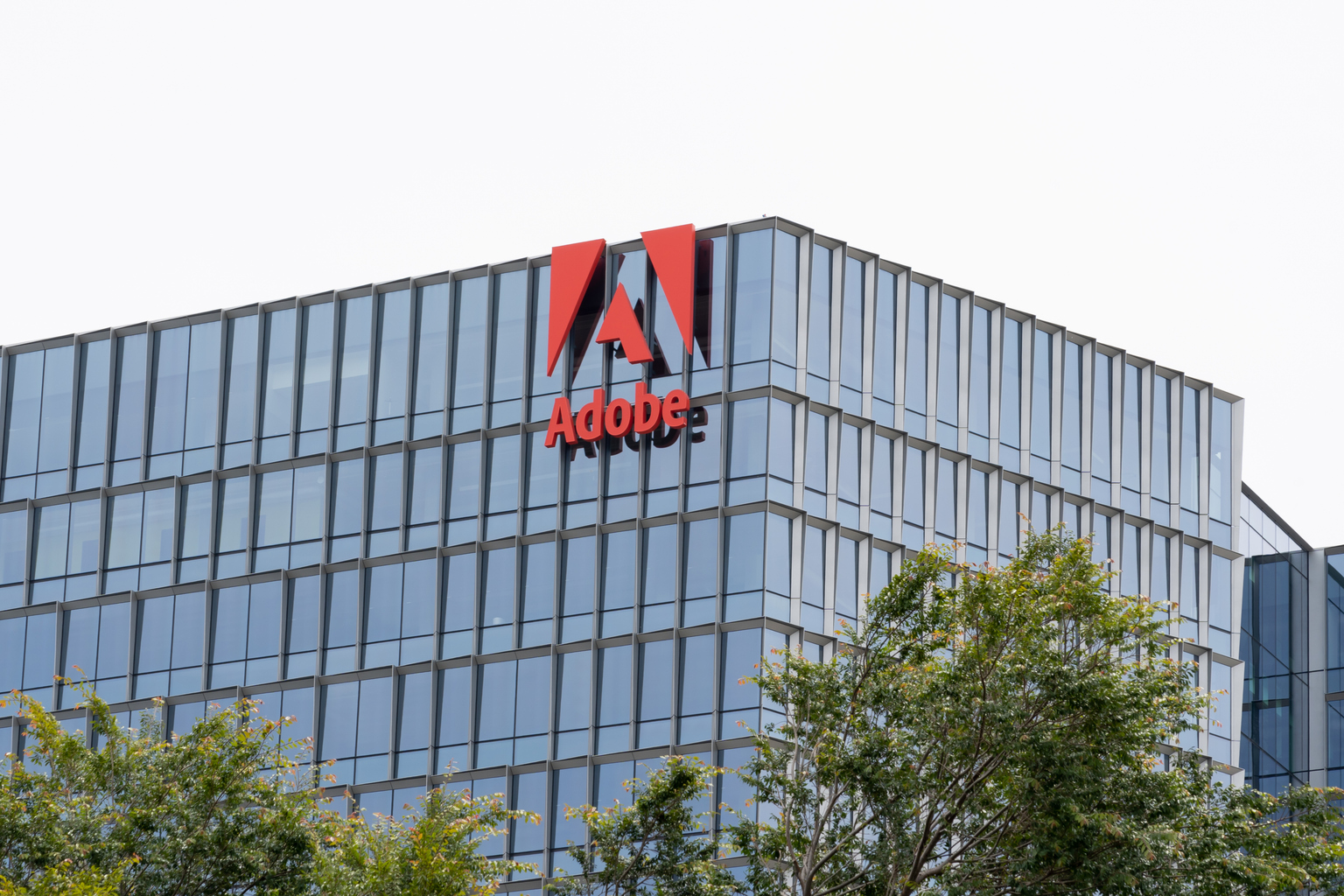
- Market Leadership: Adobe maintains its market share leadership among creative professionals through its Creative Cloud suite, with projected FY25 revenue of approximately $24 billion, reflecting an 11% year-over-year growth, and a GAAP operating margin of 37%, showcasing its strong profitability.
- AI Strategy Impact: While BTIG is optimistic about Adobe's AI strategy, analysts express concerns regarding its long-term revenue and margin trajectory, particularly as AI raises questions about the creative ecosystem, contributing to a 33% decline in Adobe's stock year-to-date.
- Figma's Potential: BTIG praises Figma's design products and notes early positive usage metrics from its AI monetization efforts, such as a 70% quarter-over-quarter increase in weekly active users for its Make offering, but emphasizes the need to assess the sustainability of this monetization.
- Market Competition Consideration: Despite Adobe's current valuation being deemed attractive at around 11.5x CY27E GAAP earnings, analysts seek greater conviction on how AI will reshape the creative space and its financial profile before making a stock recommendation.
See More

Bitcoin Pullback as Market Sentiment Turns Bullish


- Bitcoin Price Fluctuation: Bitcoin fell over 1% to around $70,800 on Monday, yet retail sentiment on Stocktwits turned ‘bullish’, indicating investor optimism about future price movements.
- Fragile Market Structure: CryptoQuant analysis revealed that the recent rally was largely driven by futures leverage, with declining open interest suggesting a fragile market structure that could lead to further price volatility.
- Poor Performance of Related Stocks: Crypto-linked stocks, including Strategy Inc and Coinbase Global Inc, declined in pre-market trading, reflecting the negative impact of Bitcoin's pullback on the market, with Strategy Inc's stock down over 2% in pre-market hours.
- Cautious Analyst Outlook: Analysts noted that without strong spot demand, any rebound in Bitcoin could remain “structurally fragile,” suggesting the market may enter a corrective phase, prompting investors to adjust their growth expectations for the asset.
See More

Adobe Faces Competitive Pressure and Stock Decline
- Significant Stock Decline: Adobe's stock fell over 30% in Q1, currently trading at $241, which is more than 65% below its all-time high from November 2021, indicating a pessimistic market outlook on its future prospects.
- Increased Competition: The emergence of new design tools from OpenAI, Anthropic, and Gemini poses a threat to Adobe's market position, particularly with competitors like Figma and Canva gaining traction, which could lead design schools to abandon Adobe, impacting its long-term business.
- Low Valuation: Adobe's current P/E ratio stands at just 10 times earnings, with the market treating it similarly to a home builder, reflecting skepticism about its growth potential and possibly leading to further stock price declines.
- Investor Confidence Wanes: Despite Adobe's established presence in creative and digital experience software, analysts suggest that certain AI stocks present greater upside potential and lower risk, resulting in diminished investor interest in Adobe.
See More
Figma Inc. Stock Rises 10.39% Amid Market Optimism
- Stock Surge: Figma Inc. shares rose by 10.39% on Wednesday, closing at $20.33 per share, primarily driven by overall market optimism and renewed confidence in AI-related stocks, indicating positive investor sentiment towards the company's future.
- Management Change: Figma announced the immediate resignation of board member Mike Krieger, although the company did not disclose the reason for his departure, it clarified that there were no disagreements with management or policies, which may impact corporate governance.
- Rating Analysis: Investment firm BTIG assigned a “neutral” rating to Figma, reflecting a mixed outlook on the company's future performance, particularly concerning valuation and profitability pathways, despite expectations for revenue growth.
- User Growth: Figma's AI tool, Make, has begun generating revenue from credit consumption and limits, with a 70% increase in weekly average users quarter-on-quarter, yet analysts remain cautious about short-term monetization potential, suggesting other AI stocks may offer greater upside.
See More
Middle East Conflict Impacts Tech Stock Performance
- Figma Stock Performance: Figma's stock has steadily declined since its IPO last July, currently trading near 52-week lows with a market cap of $9.6 billion, reflecting an 85% discount from its record closing price; despite a 41% revenue increase to $1.06 billion in 2025, a $1.25 billion net loss primarily from stock-based compensation raises concerns about future growth potential.
- Sea Limited Performance Pressure: Sea Limited's stock has fallen 57% since last September, even though its 2025 revenue grew 36% to $22.9 billion and net income surged 260% to $1.6 billion; however, a 20% drop in Garena bookings and a 77% rise in Monee's credit losses create significant uncertainty about its future performance.
- Palo Alto Networks Steady Growth: Palo Alto Networks' stock has decreased 30% since last October, yet it achieved $5.1 billion in revenue for the first half of fiscal 2026, a 15% year-over-year increase, with net income rising 24% to $766 million, indicating strong profitability despite a high P/E ratio of 86.
- Market Uncertainty Impact: The conflict in the Middle East has threatened key commodity supply chains, leading to rising oil prices and significant uncertainty in the overall market; while tech stocks face short-term sell-offs, long-term investors may find attractive buying opportunities at lower price points.
See More
Anthropic Set to Launch New AI Design Tool This Week
- New Product Launch: Reports indicate that Anthropic is set to release its new design tool this week, aimed at enabling both technical and non-technical users to create presentations, websites, and products using natural language prompts, which could significantly impact the existing market.
- Market Reaction: Following this news, shares of GoDaddy (GDDY), Adobe (ADBE), Wix (WIX), and Figma (FIG) fell by 2%-3%, reflecting investor concerns about the potential threat to their market share from a new competitor.
- Retail Trader Sentiment: On Stocktwits, retail sentiment around ADBE, GDDY, and FIG trended bullish, although FIG's message volume remained at extremely high levels, indicating strong market interest in the new tool.
- Analyst Perspective: BTIG initiated coverage of ADBE and FIG with a neutral rating and no price target, noting that AI raises numerous questions about the future of the creative ecosystem, suggesting a cautious market outlook on how AI will reshape the creative space.
See More
BTIG Initiates Neutral Ratings on Adobe and Figma
- Market Leadership: Adobe maintains its market share leadership among creative professionals through its Creative Cloud suite, with projected FY25 revenue of approximately $24 billion, reflecting an 11% year-over-year growth, and a GAAP operating margin of 37%, showcasing its strong profitability.
- AI Strategy Impact: While BTIG is optimistic about Adobe's AI strategy, analysts express concerns regarding its long-term revenue and margin trajectory, particularly as AI raises questions about the creative ecosystem, contributing to a 33% decline in Adobe's stock year-to-date.
- Figma's Potential: BTIG praises Figma's design products and notes early positive usage metrics from its AI monetization efforts, such as a 70% quarter-over-quarter increase in weekly active users for its Make offering, but emphasizes the need to assess the sustainability of this monetization.
- Market Competition Consideration: Despite Adobe's current valuation being deemed attractive at around 11.5x CY27E GAAP earnings, analysts seek greater conviction on how AI will reshape the creative space and its financial profile before making a stock recommendation.
See More
Bitcoin Pullback as Market Sentiment Turns Bullish
- Bitcoin Price Fluctuation: Bitcoin fell over 1% to around $70,800 on Monday, yet retail sentiment on Stocktwits turned ‘bullish’, indicating investor optimism about future price movements.
- Fragile Market Structure: CryptoQuant analysis revealed that the recent rally was largely driven by futures leverage, with declining open interest suggesting a fragile market structure that could lead to further price volatility.
- Poor Performance of Related Stocks: Crypto-linked stocks, including Strategy Inc and Coinbase Global Inc, declined in pre-market trading, reflecting the negative impact of Bitcoin's pullback on the market, with Strategy Inc's stock down over 2% in pre-market hours.
- Cautious Analyst Outlook: Analysts noted that without strong spot demand, any rebound in Bitcoin could remain “structurally fragile,” suggesting the market may enter a corrective phase, prompting investors to adjust their growth expectations for the asset.
See More
Adobe Faces Competitive Pressure and Stock Decline
- Significant Stock Decline: Adobe's stock fell over 30% in Q1, currently trading at $241, which is more than 65% below its all-time high from November 2021, indicating a pessimistic market outlook on its future prospects.
- Increased Competition: The emergence of new design tools from OpenAI, Anthropic, and Gemini poses a threat to Adobe's market position, particularly with competitors like Figma and Canva gaining traction, which could lead design schools to abandon Adobe, impacting its long-term business.
- Low Valuation: Adobe's current P/E ratio stands at just 10 times earnings, with the market treating it similarly to a home builder, reflecting skepticism about its growth potential and possibly leading to further stock price declines.
- Investor Confidence Wanes: Despite Adobe's established presence in creative and digital experience software, analysts suggest that certain AI stocks present greater upside potential and lower risk, resulting in diminished investor interest in Adobe.
See More