Federal Reserve Decision and Big Tech Earnings in Focus
Written by Emily J. Thompson, Senior Investment Analyst
Updated: Apr 29 2026
0mins
Should l Buy MSFT?
Source: stocktwits
- Fed Decision Impact: Investors are closely watching the Federal Reserve's rate decision, which is expected to significantly influence market sentiment, particularly ahead of major tech earnings reports, potentially leading to stock market volatility.
- Big Tech Earnings: Major tech companies including Microsoft, Alphabet, Meta, and Amazon are set to report earnings, with the market anticipating that substantial investments in artificial intelligence will translate into real revenue growth, thereby impacting overall market performance.
- Stock Movements: Seagate's shares surged 20% due to a strong outlook for AI storage demand, while Robinhood's shares fell 10% after missing earnings estimates, highlighting a divergence in market reactions towards tech stocks.
- Economic Data Release: The ADP Employment Change and GDP Advance Estimate will be released before the market opens, with investors keenly observing these figures for their potential impact on Federal Reserve policy and market sentiment.
Trade with 70% Backtested Accuracy
Stop guessing "Should I Buy MSFT?" and start using high-conviction signals backed by rigorous historical data.
Sign up today to access powerful investing tools and make smarter, data-driven decisions.
Analyst Views on MSFT
Wall Street analysts forecast MSFT stock price to rise
34 Analyst Rating
32 Buy
2 Hold
0 Sell
Strong Buy
Current: 420.770

Low
500.00
Averages
631.36
High
678.00
Current: 420.770
Low
500.00
Averages
631.36
High
678.00
About MSFT
Microsoft Corporation is a technology company. The Company develops and supports software, services, devices, and solutions. The Company’s segments include Productivity and Business Processes, Intelligent Cloud, and More Personal Computing. The Productivity and Business Processes segment consists of products and services in its portfolio of productivity, communication, and information services. This segment primarily comprises: Office Commercial, Office Consumer, LinkedIn, and Dynamics business solutions. The Intelligent Cloud segment consists of server products and cloud services, including Azure and other cloud services, SQL Server, Windows Server, Visual Studio, System Center, and related Client Access Licenses (CALs), and Nuance and GitHub; and Enterprise Services, including enterprise support services, industry solutions and Nuance professional services. The More Personal Computing segment primarily comprises Windows, Devices, Gaming, and search and news advertising.
About the author

Emily J. Thompson
Emily J. Thompson, a Chartered Financial Analyst (CFA) with 12 years in investment research, graduated with honors from the Wharton School. Specializing in industrial and technology stocks, she provides in-depth analysis for Intellectia’s earnings and market brief reports.
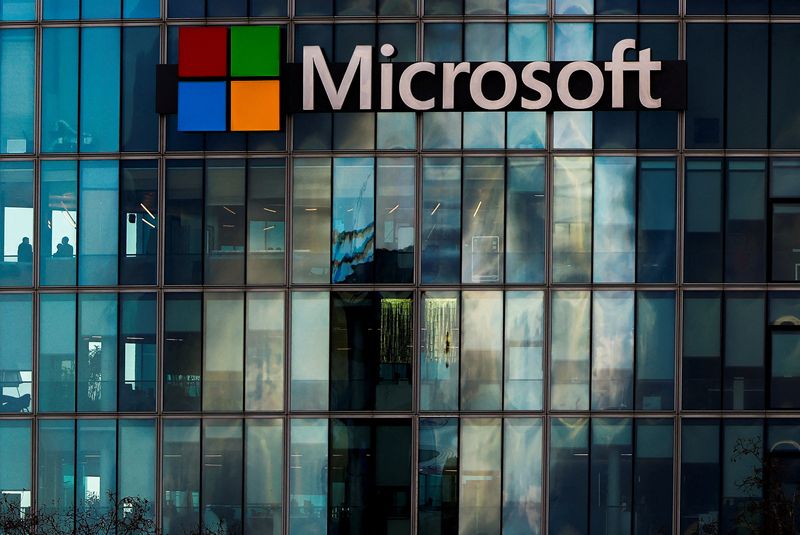
Microsoft's East Africa Data Center Delayed

- Project Delay Reason: Microsoft's data center construction in Kenya has been delayed due to disagreements with the government over payment guarantees, highlighting the policy challenges the company faces in expanding its cloud computing services.
- Investment Scale: Microsoft, in partnership with UAE-based AI firm G42, plans to invest $1 billion in Kenya to enhance cloud capabilities in East Africa, but the government failed to provide the necessary payment guarantees.
- Negotiation Breakdown: The parties requested the Kenyan government to commit to annual payments for a certain capacity, but talks broke down when the government could not meet Microsoft's demands, potentially impacting Microsoft's market expansion in the region.
- Strategic Implications: This incident underscores the policy risks Microsoft faces in its East African market expansion, which may delay its cloud service growth plans and affect its competitive position in a rapidly growing market.
See More
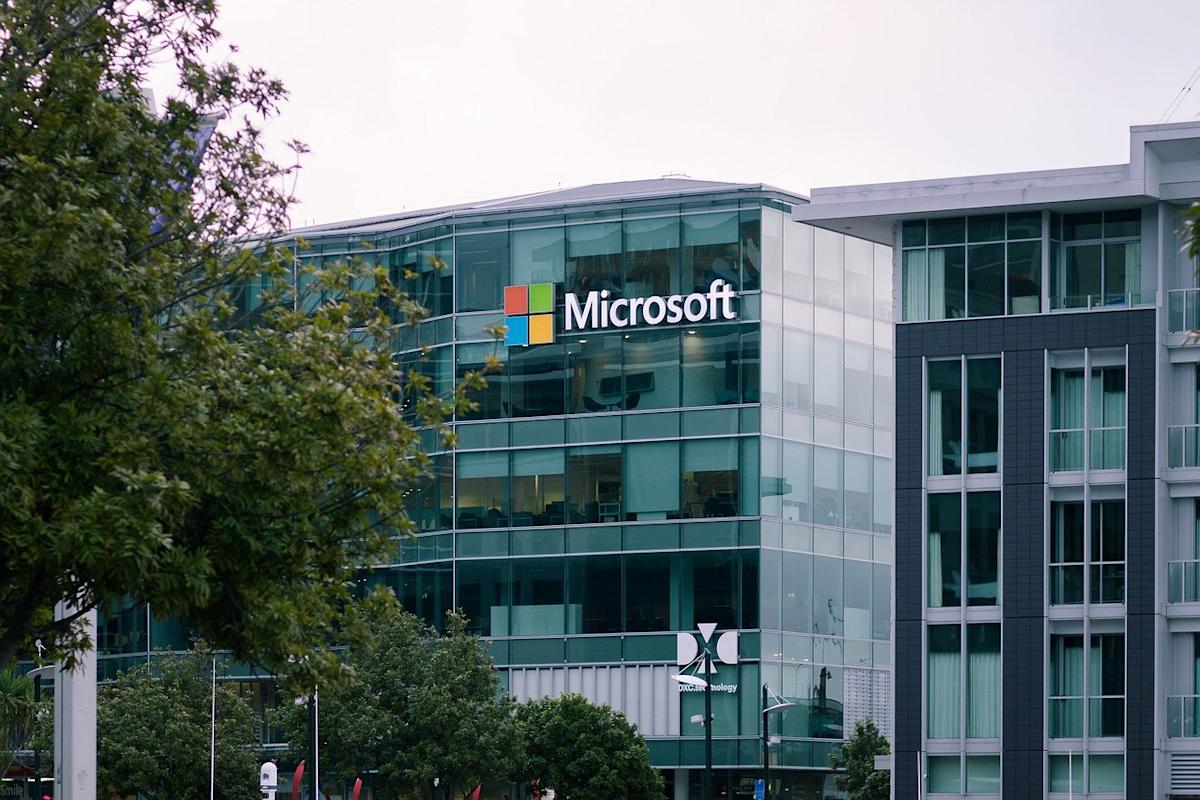
Microsoft Expands Data Center Investments in Europe Amid Growing Demand
- Investment Expansion: Microsoft announced significant investments in new data center regions across Austria, Belgium, Greece, Finland, and Denmark to address the growing demand for cloud and AI services, demonstrating the company's responsiveness to market needs.
- Customer Support: Azure Marketing VP Jessica Hawk stated that the expansion aims to help customers scale critical workloads while ensuring secure and resilient cloud and AI services, thereby enhancing customer trust and satisfaction.
- Analyst Ratings: According to 63 analyst ratings compiled by CNN, 95% rated Microsoft as a 'Buy', with an average price target of $550, representing a 33.70% upside from the current price of $411.38, reflecting optimistic market expectations for its future performance.
- Strategic Significance: Microsoft's investments extend beyond capacity expansion to include the provision of sovereign infrastructure that complies with local regulations, aiming to support innovation and enhance operational control, further solidifying its leadership position in the global cloud computing market.
See More
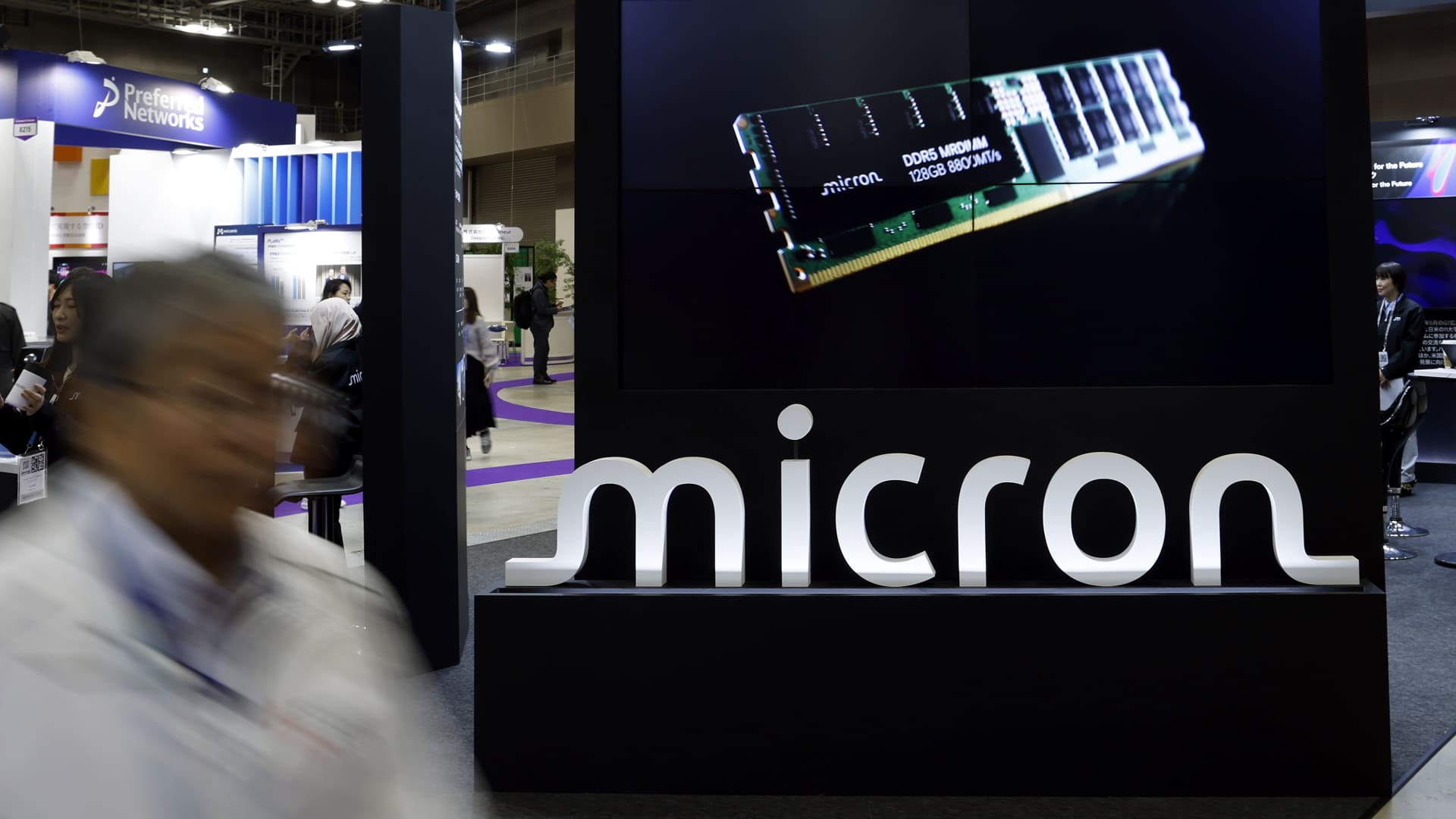
Roundhill Memory ETF DRAM Attracts Over $5 Billion in Investments


- Memory Supercycle: The Roundhill Memory ETF (DRAM) attracted over $5 billion in investments within a month, including $1.1 billion on Thursday alone, indicating strong market demand for memory stocks driven by surging AI computing needs.
- Core Holdings Performance: The ETF's core holdings feature leading memory manufacturers like SK Hynix, Micron, and Samsung, allowing investors to gain broad exposure to these high-growth companies, including those not listed on U.S. exchanges.
- Market Reaction: Micron's stock surged over 200 points in a week, climbing from $542 to $747, reflecting optimistic market expectations for memory product demand, with a price-to-earnings ratio of only 9 times projected earnings for the next 12 months, highlighting its appeal as a quality stock.
- Investment Opportunities: Despite waning interest in data center stocks, investors can still capitalize on potential gains in the memory and cooling sectors by purchasing instruments like the DRAM ETF, especially as major tech companies continue to invest heavily in data centers.
See More

Tech Stocks Propel S&P 500 Growth Amid AI Boom


- Surge in AI Infrastructure Investment: Tech giants like Amazon, Alphabet, Microsoft, and Meta plan to invest nearly $700 billion in AI infrastructure by 2026 to meet current customer commitments, which will drive future revenue growth for these companies.
- Strong Demand for Cloud Services: Amazon forecasts capital spending of $200 billion in 2023 to support its AWS customers, indicating that the cloud services market's ongoing expansion will yield substantial profits for the company.
- Valuation Discounts for AI Stocks: According to Morningstar, AI stocks are currently trading at their largest discount in seven years, attracting investor interest in the growth potential of these infrastructure companies, which is expected to boost market performance.
- Earnings Growth Expectations: Strong performances from Alphabet, Amazon, and Meta have pushed S&P 500 earnings growth to over 27%, the highest level since 2021, demonstrating the positive impact of AI technology on corporate profitability.
See More

Analyzing the Advantages of Invesco Nasdaq-100 ETF

- Cost Advantage: The Invesco Nasdaq-100 ETF charges 0.03% less than the Invesco QQQ Trust, meaning a $10,000 investment in QQQM would save about $3 annually, enhancing net returns for long-term investors.
- Portfolio Consistency: QQQM and QQQ share the same 102 holdings, including tech giants like Nvidia, Apple, and Microsoft, with QQQM achieving a slightly higher average annual return of 13.37% over the past five years compared to QQQ's 13.31%, indicating its competitive edge in long-term investments.
- Market Performance: Both QQQM and QQQ have risen over 13% year-to-date and gained more than 43% in the past year, outperforming the S&P 500 index, showcasing their strong market performance.
- Liquidity Differences: Although QQQM has lower liquidity with net assets of $82.9 billion and average trading volume of 4.1 million shares compared to QQQ's $440.3 billion and 59.8 million shares, this difference is not significant for most long-term investors, making QQQM a more cost-effective choice.
See More

Tech Giants to Invest $700 Billion in AI by 2026
- AI Infrastructure Investment: Tech giants like Amazon, Alphabet, Microsoft, and Meta plan to invest nearly $700 billion in AI infrastructure by 2026, a massive investment that not only meets current customer demands but also drives future revenue growth.
- Surge in Cloud Services Demand: Amazon forecasts capital spending of $200 billion this year to support its AWS customers, indicating a rapid increase in demand for cloud services, which is expected to significantly boost the company's revenue.
- Industry Profit Growth: Alphabet, Amazon, and Meta have propelled S&P 500 earnings growth to over 27%, the highest level since 2021, demonstrating the positive impact of AI technology on corporate profitability.
- AI Stock Valuation Decline: According to Morningstar, AI stocks are currently trading at their largest discount in seven years, providing a great opportunity for investors to enter the market, which is expected to attract more capital into the AI infrastructure sector.
See More
Microsoft's East Africa Data Center Delayed
- Project Delay Reason: Microsoft's data center construction in Kenya has been delayed due to disagreements with the government over payment guarantees, highlighting the policy challenges the company faces in expanding its cloud computing services.
- Investment Scale: Microsoft, in partnership with UAE-based AI firm G42, plans to invest $1 billion in Kenya to enhance cloud capabilities in East Africa, but the government failed to provide the necessary payment guarantees.
- Negotiation Breakdown: The parties requested the Kenyan government to commit to annual payments for a certain capacity, but talks broke down when the government could not meet Microsoft's demands, potentially impacting Microsoft's market expansion in the region.
- Strategic Implications: This incident underscores the policy risks Microsoft faces in its East African market expansion, which may delay its cloud service growth plans and affect its competitive position in a rapidly growing market.
See More
Microsoft Expands Data Center Investments in Europe Amid Growing Demand
- Investment Expansion: Microsoft announced significant investments in new data center regions across Austria, Belgium, Greece, Finland, and Denmark to address the growing demand for cloud and AI services, demonstrating the company's responsiveness to market needs.
- Customer Support: Azure Marketing VP Jessica Hawk stated that the expansion aims to help customers scale critical workloads while ensuring secure and resilient cloud and AI services, thereby enhancing customer trust and satisfaction.
- Analyst Ratings: According to 63 analyst ratings compiled by CNN, 95% rated Microsoft as a 'Buy', with an average price target of $550, representing a 33.70% upside from the current price of $411.38, reflecting optimistic market expectations for its future performance.
- Strategic Significance: Microsoft's investments extend beyond capacity expansion to include the provision of sovereign infrastructure that complies with local regulations, aiming to support innovation and enhance operational control, further solidifying its leadership position in the global cloud computing market.
See More
Roundhill Memory ETF DRAM Attracts Over $5 Billion in Investments
- Memory Supercycle: The Roundhill Memory ETF (DRAM) attracted over $5 billion in investments within a month, including $1.1 billion on Thursday alone, indicating strong market demand for memory stocks driven by surging AI computing needs.
- Core Holdings Performance: The ETF's core holdings feature leading memory manufacturers like SK Hynix, Micron, and Samsung, allowing investors to gain broad exposure to these high-growth companies, including those not listed on U.S. exchanges.
- Market Reaction: Micron's stock surged over 200 points in a week, climbing from $542 to $747, reflecting optimistic market expectations for memory product demand, with a price-to-earnings ratio of only 9 times projected earnings for the next 12 months, highlighting its appeal as a quality stock.
- Investment Opportunities: Despite waning interest in data center stocks, investors can still capitalize on potential gains in the memory and cooling sectors by purchasing instruments like the DRAM ETF, especially as major tech companies continue to invest heavily in data centers.
See More
Tech Stocks Propel S&P 500 Growth Amid AI Boom
- Surge in AI Infrastructure Investment: Tech giants like Amazon, Alphabet, Microsoft, and Meta plan to invest nearly $700 billion in AI infrastructure by 2026 to meet current customer commitments, which will drive future revenue growth for these companies.
- Strong Demand for Cloud Services: Amazon forecasts capital spending of $200 billion in 2023 to support its AWS customers, indicating that the cloud services market's ongoing expansion will yield substantial profits for the company.
- Valuation Discounts for AI Stocks: According to Morningstar, AI stocks are currently trading at their largest discount in seven years, attracting investor interest in the growth potential of these infrastructure companies, which is expected to boost market performance.
- Earnings Growth Expectations: Strong performances from Alphabet, Amazon, and Meta have pushed S&P 500 earnings growth to over 27%, the highest level since 2021, demonstrating the positive impact of AI technology on corporate profitability.
See More
Analyzing the Advantages of Invesco Nasdaq-100 ETF
- Cost Advantage: The Invesco Nasdaq-100 ETF charges 0.03% less than the Invesco QQQ Trust, meaning a $10,000 investment in QQQM would save about $3 annually, enhancing net returns for long-term investors.
- Portfolio Consistency: QQQM and QQQ share the same 102 holdings, including tech giants like Nvidia, Apple, and Microsoft, with QQQM achieving a slightly higher average annual return of 13.37% over the past five years compared to QQQ's 13.31%, indicating its competitive edge in long-term investments.
- Market Performance: Both QQQM and QQQ have risen over 13% year-to-date and gained more than 43% in the past year, outperforming the S&P 500 index, showcasing their strong market performance.
- Liquidity Differences: Although QQQM has lower liquidity with net assets of $82.9 billion and average trading volume of 4.1 million shares compared to QQQ's $440.3 billion and 59.8 million shares, this difference is not significant for most long-term investors, making QQQM a more cost-effective choice.
See More
Tech Giants to Invest $700 Billion in AI by 2026
- AI Infrastructure Investment: Tech giants like Amazon, Alphabet, Microsoft, and Meta plan to invest nearly $700 billion in AI infrastructure by 2026, a massive investment that not only meets current customer demands but also drives future revenue growth.
- Surge in Cloud Services Demand: Amazon forecasts capital spending of $200 billion this year to support its AWS customers, indicating a rapid increase in demand for cloud services, which is expected to significantly boost the company's revenue.
- Industry Profit Growth: Alphabet, Amazon, and Meta have propelled S&P 500 earnings growth to over 27%, the highest level since 2021, demonstrating the positive impact of AI technology on corporate profitability.
- AI Stock Valuation Decline: According to Morningstar, AI stocks are currently trading at their largest discount in seven years, providing a great opportunity for investors to enter the market, which is expected to attract more capital into the AI infrastructure sector.
See More