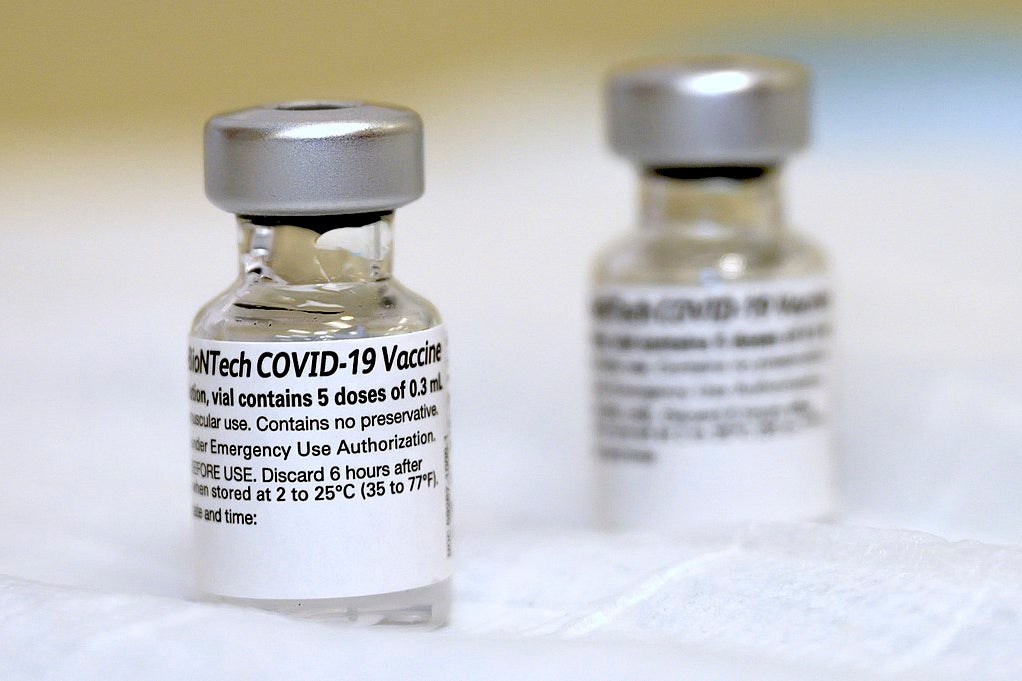
FDA Vaccine Chief Vinay Prasad to Depart Agency
Written by Emily J. Thompson, Senior Investment Analyst
Updated: 3 days ago
0mins

Should l Buy QURE?
Source: stocktwits
- Departure Sparks Market Reaction: FDA vaccine chief Vinay Prasad is set to leave at the end of April, with shares of Moderna (MRNA) rising 3%, uniQure (QURE) soaring 50%, and Sarepta Therapeutics (SRPT) gaining 5% in after-hours trading, indicating a positive market response to his exit.
- Controversial Tenure: During his time, Prasad faced disputes, notably refusing to consider Moderna's flu vaccine application, although the FDA later reversed its stance after Moderna agreed to conduct a follow-up study, highlighting the complexities of his drug review process.
- FDA Scrutiny on uniQure: The FDA recently recommended that uniQure conduct a sham-surgery-controlled study for its gene therapy targeting Huntington's disease, illustrating the challenges Prasad faced in drug evaluations and the tension with companies affecting their R&D timelines.
- Policy Implementation Completed: Prasad's departure is attributed to the completion of all policies he aimed to implement, including a new priority program to expedite application reviews for treatments meeting national priorities, indicating that his objectives at the FDA have largely been achieved.
Trade with 70% Backtested Accuracy
Stop guessing "Should I Buy QURE?" and start using high-conviction signals backed by rigorous historical data.
Sign up today to access powerful investing tools and make smarter, data-driven decisions.
Analyst Views on QURE
Wall Street analysts forecast QURE stock price to rise
10 Analyst Rating
8 Buy
2 Hold
0 Sell
Strong Buy
Current: 17.990

Low
33.00
Averages
49.88
High
70.00
Current: 17.990
Low
33.00
Averages
49.88
High
70.00
About QURE
Uniqure NV is a company based in the Netherlands specialized in gene therapy. It seeks to develop one-time administered treatments with potentially curative results for patients suffering from genetic and other devastating diseases. It develops, both internally and through partnerships, a pipeline of gene therapies. It produces adeno-associated virus based, or AAV-based, gene therapies in its own facilities with a proprietary, commercial-scale, current good manufacturing practices, compliant, manufacturing process. AMT-061, the Company’s lead product candidate for patients with hemophilia B, is going through a dosing phase of a pivotal study. AMT-130, the product candidate for patients with Huntington’s disease is in Phase I/II clinical study.
About the author

Emily J. Thompson
Emily J. Thompson, a Chartered Financial Analyst (CFA) with 12 years in investment research, graduated with honors from the Wharton School. Specializing in industrial and technology stocks, she provides in-depth analysis for Intellectia’s earnings and market brief reports.

uniQure Stock Surges 36% Despite FDA Criticism

- FDA Criticism Impact: Despite a US FDA official criticizing uniQure on March 5 for a “distorted or manipulated comparison” in its Huntington's disease asset AMT-130 study, the stock surged approximately 36% in premarket trading, indicating market confidence in its future prospects.
- Stock Price Recovery: Following the FDA official's comments, uniQure's share price closed up about 18% on March 5 and added another approximately 34% on March 6, reflecting investor optimism regarding the company's outlook.
- Clinical Trial Requirement: The FDA has requested uniQure to conduct a phase 3 trial, which may increase R&D costs in the short term but also provides an opportunity for the company to further validate its product's efficacy, potentially enhancing market acceptance in the long run.
- Leadership Change Impact: The stock price increase is partly attributed to the upcoming departure of Vinay Prasad, director of the FDA's Center for Biologics Evaluation and Research, in April, with the market generally viewing this change as potentially improving the company's relationship with the FDA, thereby benefiting the approval process for AMT-130.
See More

H.C. Wainwright Optimistic on uniQure's Gene Therapy Prospects
- Regulatory Shift: H.C. Wainwright noted that the departure of Vinay Prasad, head of the FDA's division of vaccines and gene therapies, will 'reshape the regulatory calculus' for uniQure's Huntington's disease gene therapy AMT-130, potentially accelerating its approval process.
- Price Target Increase: Analysts at Chardan nearly doubled their price target for uniQure from $16 to $31 while maintaining a 'Buy' rating, indicating strong confidence in the company's future performance, particularly in light of Prasad's departure.
- Stock Price Surge: Following a 26% increase on Monday, uniQure's stock rose nearly 7% in pre-market trading on Tuesday, reflecting market optimism regarding its gene therapy, especially after positive analyst commentary.
- Investor Sentiment Recovery: Although uniQure's stock is down 25% year-to-date, it has risen 45% over the past 12 months, indicating a bullish sentiment among retail investors on social media, highlighting the market's focus on its gene therapy prospects.
See More

Leadership Change at uniQure Seen as Positive Development
- Leadership Impact: Mizuho upgraded uniQure (QURE) from ‘Neutral’ to ‘Outperform’ following the announcement of Prasad's departure, suggesting that this change could reopen pathways for AMT-130 based on existing data, enhancing regulatory flexibility.
- Regulatory Landscape Shift: H.C. Wainwright noted that Prasad's exit 'reshapes the regulatory calculus' for AMT-130, maintaining confidence in the existing dataset and broader pipeline, indicating that QURE shares are poised for a value inflection.
- Positive Market Reaction: Following the news of Prasad's departure, QURE stock closed 1.5% higher on Tuesday and gained an additional 1% in after-hours trading, reflecting a bullish sentiment among investors.
- Long-Term Growth Potential: With a 56% increase in stock price over the past 12 months, the market appears optimistic about uniQure's future, particularly in light of potential new opportunities for AMT-130's approval post-Prasad's exit.
See More
uniQure Faces Unprecedented Federal Criticism Amid Class Action Lawsuit
- Federal Officials' Rebuke: On March 5, 2026, The Wall Street Journal reported that a senior FDA official publicly condemned uniQure for significant flaws in clinical data regarding its Huntington's disease gene therapy, indicating it failed to meet approval standards, which severely undermined investor confidence.
- Stock Price Collapse: Since November 3, 2025, uniQure's stock has plummeted nearly 84%, and following the WSJ report, shares fell over 49%, reflecting extreme pessimism about the company's future prospects in the market.
- Securities Class Action: A class action lawsuit has been filed against uniQure for securities fraud during the period from September 24 to October 31, 2025, alleging misleading statements regarding interactions with the FDA, potentially leading to substantial investor losses.
- Investigation Developments: Hagens Berman is conducting a thorough investigation into the interactions between uniQure and the FDA, focusing on whether the company intentionally concealed critical data, which could have significant implications for future legal liabilities.
See More
uniQure Faces Investor Lawsuit Over Misleading Statements
- Approaching Lawsuit Deadline: Hagens Berman reminds investors that the Lead Plaintiff Deadline for litigation against uniQure N.V. is April 13, 2026, alleging that the company and its executives made inaccurate and misleading statements regarding the regulatory path for its lead gene therapy candidate, AMT-130.
- FDA Regulatory Issues: The lawsuit claims that uniQure failed to fully disclose that the design of its pivotal study was not fully approved by the FDA, and that the company may face delays in its Biologics License Application (BLA) timeline, impacting future drug launch plans.
- Significant Stock Drop: Following the disclosure on November 3, 2025, that the FDA no longer agrees that AMT-130's data is adequate for BLA submission, uniQure's stock price plummeted over 49%, reflecting strong market concerns about the company's future prospects.
- Investor Rights Protection: Hagens Berman is investigating whether uniQure violated federal securities laws and encourages investors who purchased QURE securities during the Class Period and suffered significant losses to contact the firm for legal support to protect their rights.
See More

FDA CBER Head Dr. Vinay Prasad to Depart, Impact on Moderna and Rare Disease Stocks


- Leadership Change: Dr. Vinay Prasad, head of the FDA's Center for Biologics Evaluation and Research, confirmed his departure in April, prompting market interest, particularly as Moderna's stock rises due to his controversial drug review decisions.
- Positive Market Reaction: Analyst from William Blair noted that investors are optimistic about Prasad's exit, believing it will benefit regulatory approvals for rare disease drugs, especially those utilizing single-arm studies and external controls.
- Potential Gains for Moderna: With Prasad's departure, Moderna's mRNA-1010 vaccine could qualify for full approval in adults aged 65 and older, potentially sparing the company from conducting an additional costly vaccine efficacy study.
- Stock Price Increases: Following the news of Prasad's resignation, stocks of Solid Biosciences and Capricor Therapeutics rose by 12.15% and 9.07%, respectively, indicating increased market confidence in rare disease treatments.
See More
uniQure Stock Surges 36% Despite FDA Criticism
- FDA Criticism Impact: Despite a US FDA official criticizing uniQure on March 5 for a “distorted or manipulated comparison” in its Huntington's disease asset AMT-130 study, the stock surged approximately 36% in premarket trading, indicating market confidence in its future prospects.
- Stock Price Recovery: Following the FDA official's comments, uniQure's share price closed up about 18% on March 5 and added another approximately 34% on March 6, reflecting investor optimism regarding the company's outlook.
- Clinical Trial Requirement: The FDA has requested uniQure to conduct a phase 3 trial, which may increase R&D costs in the short term but also provides an opportunity for the company to further validate its product's efficacy, potentially enhancing market acceptance in the long run.
- Leadership Change Impact: The stock price increase is partly attributed to the upcoming departure of Vinay Prasad, director of the FDA's Center for Biologics Evaluation and Research, in April, with the market generally viewing this change as potentially improving the company's relationship with the FDA, thereby benefiting the approval process for AMT-130.
See More
H.C. Wainwright Optimistic on uniQure's Gene Therapy Prospects
- Regulatory Shift: H.C. Wainwright noted that the departure of Vinay Prasad, head of the FDA's division of vaccines and gene therapies, will 'reshape the regulatory calculus' for uniQure's Huntington's disease gene therapy AMT-130, potentially accelerating its approval process.
- Price Target Increase: Analysts at Chardan nearly doubled their price target for uniQure from $16 to $31 while maintaining a 'Buy' rating, indicating strong confidence in the company's future performance, particularly in light of Prasad's departure.
- Stock Price Surge: Following a 26% increase on Monday, uniQure's stock rose nearly 7% in pre-market trading on Tuesday, reflecting market optimism regarding its gene therapy, especially after positive analyst commentary.
- Investor Sentiment Recovery: Although uniQure's stock is down 25% year-to-date, it has risen 45% over the past 12 months, indicating a bullish sentiment among retail investors on social media, highlighting the market's focus on its gene therapy prospects.
See More
Leadership Change at uniQure Seen as Positive Development
- Leadership Impact: Mizuho upgraded uniQure (QURE) from ‘Neutral’ to ‘Outperform’ following the announcement of Prasad's departure, suggesting that this change could reopen pathways for AMT-130 based on existing data, enhancing regulatory flexibility.
- Regulatory Landscape Shift: H.C. Wainwright noted that Prasad's exit 'reshapes the regulatory calculus' for AMT-130, maintaining confidence in the existing dataset and broader pipeline, indicating that QURE shares are poised for a value inflection.
- Positive Market Reaction: Following the news of Prasad's departure, QURE stock closed 1.5% higher on Tuesday and gained an additional 1% in after-hours trading, reflecting a bullish sentiment among investors.
- Long-Term Growth Potential: With a 56% increase in stock price over the past 12 months, the market appears optimistic about uniQure's future, particularly in light of potential new opportunities for AMT-130's approval post-Prasad's exit.
See More
uniQure Faces Unprecedented Federal Criticism Amid Class Action Lawsuit
- Federal Officials' Rebuke: On March 5, 2026, The Wall Street Journal reported that a senior FDA official publicly condemned uniQure for significant flaws in clinical data regarding its Huntington's disease gene therapy, indicating it failed to meet approval standards, which severely undermined investor confidence.
- Stock Price Collapse: Since November 3, 2025, uniQure's stock has plummeted nearly 84%, and following the WSJ report, shares fell over 49%, reflecting extreme pessimism about the company's future prospects in the market.
- Securities Class Action: A class action lawsuit has been filed against uniQure for securities fraud during the period from September 24 to October 31, 2025, alleging misleading statements regarding interactions with the FDA, potentially leading to substantial investor losses.
- Investigation Developments: Hagens Berman is conducting a thorough investigation into the interactions between uniQure and the FDA, focusing on whether the company intentionally concealed critical data, which could have significant implications for future legal liabilities.
See More
uniQure Faces Investor Lawsuit Over Misleading Statements
- Approaching Lawsuit Deadline: Hagens Berman reminds investors that the Lead Plaintiff Deadline for litigation against uniQure N.V. is April 13, 2026, alleging that the company and its executives made inaccurate and misleading statements regarding the regulatory path for its lead gene therapy candidate, AMT-130.
- FDA Regulatory Issues: The lawsuit claims that uniQure failed to fully disclose that the design of its pivotal study was not fully approved by the FDA, and that the company may face delays in its Biologics License Application (BLA) timeline, impacting future drug launch plans.
- Significant Stock Drop: Following the disclosure on November 3, 2025, that the FDA no longer agrees that AMT-130's data is adequate for BLA submission, uniQure's stock price plummeted over 49%, reflecting strong market concerns about the company's future prospects.
- Investor Rights Protection: Hagens Berman is investigating whether uniQure violated federal securities laws and encourages investors who purchased QURE securities during the Class Period and suffered significant losses to contact the firm for legal support to protect their rights.
See More
FDA CBER Head Dr. Vinay Prasad to Depart, Impact on Moderna and Rare Disease Stocks
- Leadership Change: Dr. Vinay Prasad, head of the FDA's Center for Biologics Evaluation and Research, confirmed his departure in April, prompting market interest, particularly as Moderna's stock rises due to his controversial drug review decisions.
- Positive Market Reaction: Analyst from William Blair noted that investors are optimistic about Prasad's exit, believing it will benefit regulatory approvals for rare disease drugs, especially those utilizing single-arm studies and external controls.
- Potential Gains for Moderna: With Prasad's departure, Moderna's mRNA-1010 vaccine could qualify for full approval in adults aged 65 and older, potentially sparing the company from conducting an additional costly vaccine efficacy study.
- Stock Price Increases: Following the news of Prasad's resignation, stocks of Solid Biosciences and Capricor Therapeutics rose by 12.15% and 9.07%, respectively, indicating increased market confidence in rare disease treatments.
See More