ExxonMobil and Chevron's Dividend Growth Resilience
Written by Emily J. Thompson, Senior Investment Analyst
Updated: Mar 17 2026
0mins
Source: NASDAQ.COM
- Dividend Stability: ExxonMobil has increased its dividend for 43 consecutive years, with a current quarterly payout of $1.03 per share and a yield of 2.64%, supported by a 2025 operating cash flow of $52 billion against a $17.2 billion dividend payout, resulting in a coverage ratio of nearly 3x, demonstrating strong resilience in low oil price environments.
- Production and Cost Advantages: ExxonMobil achieved a record production of 4.7 million oil-equivalent barrels per day in 2025, and has realized $15.1 billion in structural cost savings since 2019, targeting $20 billion by 2030, ensuring its dividend sustainability amid oil price fluctuations.
- Chevron's Strong Performance: Chevron boasts a dividend yield of 3.6%, with its Q1 2026 payout rising to $1.78 per share, extending a 39-year streak of annual increases, while its 2025 free cash flow hit a record $16.6 billion, showcasing resilience through oil price cycles.
- Market Performance and Investment Outlook: Both companies' stocks have risen approximately 30% year-to-date, maintaining dividend growth through multiple oil price downturns; despite analysts not including Chevron in the current best investment stocks, its stable dividends and cash flow continue to attract investor interest.
Trade with 70% Backtested Accuracy
Stop guessing "Should I Buy CVX?" and start using high-conviction signals backed by rigorous historical data.
Sign up today to access powerful investing tools and make smarter, data-driven decisions.
Analyst Views on CVX
Wall Street analysts forecast CVX stock price to fall
19 Analyst Rating
15 Buy
4 Hold
0 Sell
Strong Buy
Current: 188.350

Low
158.00
Averages
176.95
High
206.00
Current: 188.350
Low
158.00
Averages
176.95
High
206.00
About CVX
Chevron Corporation is an integrated energy company. The Company produces crude oil and natural gas; manufactures transportation fuels, lubricants, petrochemicals and additives; and develops technologies that enhance its business and industry. The Company’s segments include Upstream and Downstream. Upstream operations consist primarily of exploring for, developing, producing and transporting crude oil and natural gas; liquefaction, transportation and regasification associated with LNG; transporting crude oil by major international oil export pipelines; processing, transporting, storage and marketing of natural gas; carbon capture and storage; and a gas-to-liquids plant. Downstream operations consist primarily of the refining of crude oil into petroleum products; marketing crude oil, refined products, and lubricants; manufacturing and marketing of renewable fuels, and transporting of crude oil and refined products by pipeline, marine vessel, motor equipment and rail car.
About the author

Emily J. Thompson
Emily J. Thompson, a Chartered Financial Analyst (CFA) with 12 years in investment research, graduated with honors from the Wharton School. Specializing in industrial and technology stocks, she provides in-depth analysis for Intellectia’s earnings and market brief reports.

Dow Hits All-Time High as Oil Prices Cool


- Dow's Historic High: The Dow Jones Industrial Average reached an all-time high during a strong trading session, reflecting market optimism about the potential end of the Iran war, despite a weaker performance from the Nasdaq, indicating a divergence in tech stocks.
- Oil Price Decline: Brent crude futures fell by 2.8% to close at $95.03 per barrel, while West Texas Intermediate futures dropped 3.1% to settle at $93.04, suggesting a reduction in market concerns over future supply, which could impact profitability in the energy sector.
- Tech Stock Volatility: Broadcom's stock plummeted approximately 15% after missing revenue expectations, dragging the Nasdaq down nearly 0.1%, highlighting the pressures faced by the tech industry that may affect overall market sentiment.
- SpaceX IPO Festivities: Major Wall Street banks, including Bank of America, JPMorgan, and Morgan Stanley, are hosting lavish events for SpaceX's record $75 billion IPO, which is expected to value the company at $1.75 trillion, further driving market attention towards tech stock performance.
See More

Analysis and Comparison of Top Dividend ETFs


- Overview of VYM: The Vanguard High Dividend Yield ETF holds 608 stocks and has delivered an annualized return of 11.5% over the past five years; although it has underperformed the S&P 500 during this period, its diversified portfolio offers lower volatility and better risk management for investors.
- Characteristics of HDV: The iShares Core High Dividend ETF contains only 74 stocks and has achieved an annualized return of 11.4% over the past five years; while its dividend yield of 2.88% is higher than VYM's, its higher concentration may expose investors to greater market risks.
- Investment Strategy Considerations: Despite both ETFs ranking among the top dividend investments, their inability to outperform the S&P 500 over the past five years suggests that investors should consider options with higher growth potential, especially for those seeking capital appreciation.
- Diversification Advantage: VYM's diversified portfolio allows it to effectively mitigate risks in a market environment where technology stocks are heavily weighted, making it suitable for dividend investors looking to avoid concentrated investments in specific sectors.
See More

Middle East Tensions Impact Market Volatility

- Escalating Middle East Tensions: Israeli Prime Minister Netanyahu stated that Israel and the U.S. are prepared to take military action against Iran if necessary, which pushed oil prices higher despite a ceasefire agreement with Lebanon, highlighting the complexity of the situation.
- U.S. Congressional Response: The U.S. House passed a war powers measure to end military involvement in Iran, reflecting growing congressional pushback against the scope and duration of the conflict, although the measure still needs Senate approval and could face a presidential veto.
- Corporate Earnings Impact: Broadcom's shares plummeted nearly 14% in after-hours trading due to weaker-than-expected software revenue and failure to raise its full-year AI chip sales target, negatively impacting Wall Street's recent tech-led rally.
- Bitcoin Market Dynamics: Long-term holders of Bitcoin have begun selling, with approximately $2.4 billion sold in the past two days, which could significantly affect Bitcoin's supply/demand balance, particularly as 26% of the sold Bitcoin was purchased above $90,000.
See More

Iran Conflict Triggers Oil Market Volatility
- Oil Price Volatility: Since the onset of the Iran conflict in late February, oil prices have experienced significant fluctuations, currently exceeding $96 per barrel, representing a 67% increase from early February's $62, highlighting the market's sensitivity to geopolitical uncertainties.
- Investment Opportunity Analysis: Companies like Northern Oil and Gas, which utilize a non-operator model by acquiring minority interests and mineral rights, attract investor interest as they limit capital expenditures while maintaining exposure to production economics without direct well operations.
- Industry Diversity: The oil and gas sector encompasses various sub-industries, including integrated operations, equipment and services, and storage and transportation, each with distinct risk and return profiles, necessitating careful evaluation by investors seeking suitable opportunities.
- Top Stock Performance: According to Seeking Alpha's Quant Ratings, integrated oil majors such as Exxon Mobil and Chevron stand out in the sector, benefiting from diversified operations and geographic exposure, making them focal points for investor attention.
See More
Oil Companies in Venezuela Required to Generate Their Own Power
- Power Self-Sufficiency Requirement: New regulations mandate that oil and gas companies in Venezuela must bring their own power generation facilities to mitigate frequent blackouts, aiming to alleviate the strain on the country's fragile electricity grid.
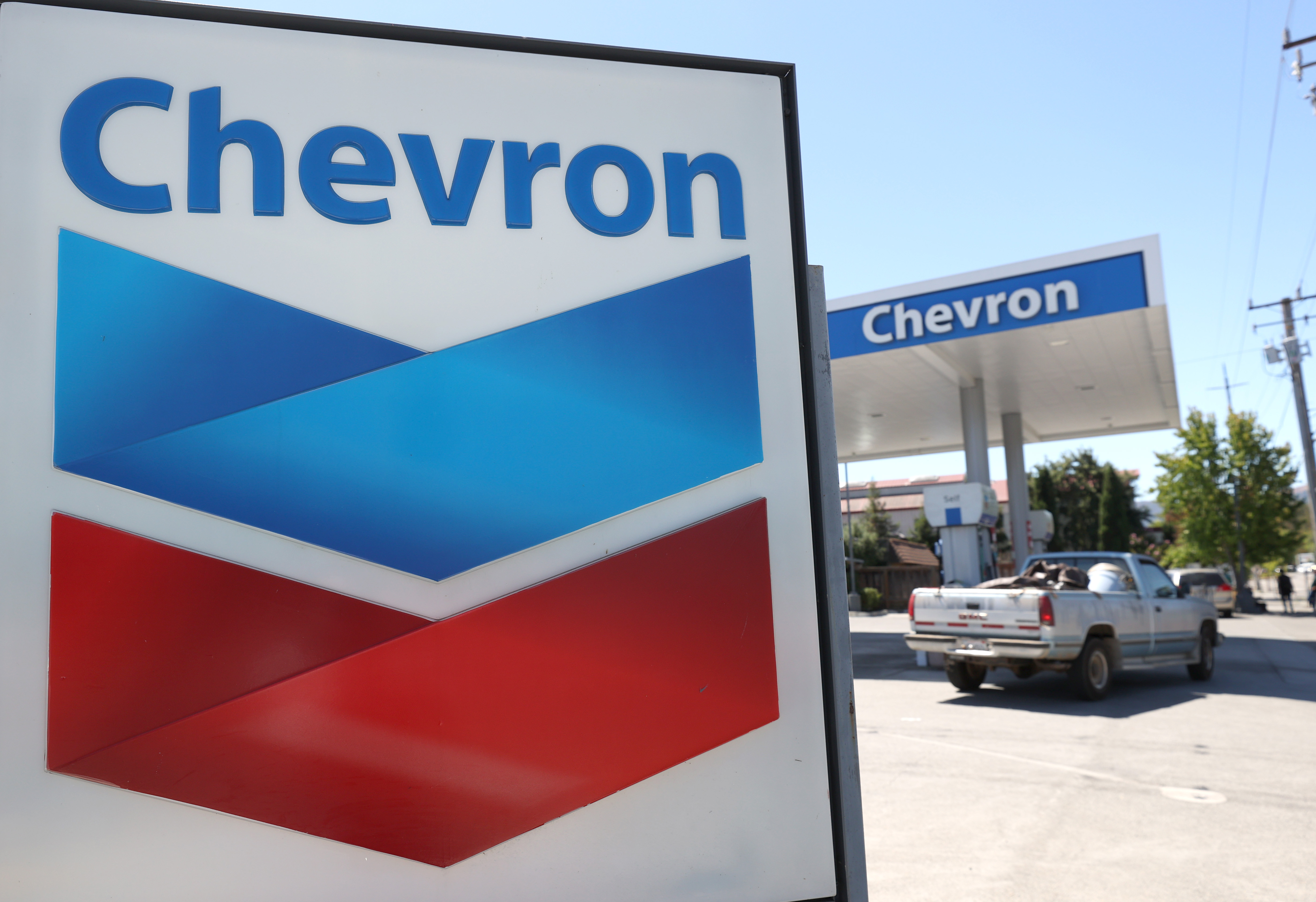
- Production Impact: An electricity failure on April 23 affected Chevron's (CVX) 827 wells in the Orinoco Belt, leading to a production decrease, with over 95% of the wells relying on the national grid for power.
- Current Power Supply Status: Venezuela's hydroelectric plants operate at only 60% capacity, while thermoelectric plants function at a mere 20%, indicating a severe power supply deficit that restricts the expansion of oil-related activities.
- Future Development Challenges: As the grid lacks the capacity to meet increasing demand, any expansion in oil activities hinges on self-generation, which could necessitate further cuts to public electricity supply, creating an impractical scenario.
See More

Middle East Conflict Drives Oil and Gas Prices Higher
- Oil Price Volatility: The breakdown of peace talks in the Middle East has pushed oil prices higher, increasing investor anxiety over supply shortages, which could lead to further price increases in the future.
- Fundamental Imbalance: Energy executives warn that current oil and gas prices do not reflect industry fundamentals, indicating that emotion-driven market fluctuations may expose investors to greater risks, especially when prices eventually decline.
- Diversified Investment Strategy: Investors are advised to focus on diversified energy companies like ExxonMobil and Chevron, which have operations across production, transportation, and refining, providing stable dividend yields amidst price volatility.
- Stability of Midstream Companies: Midstream firms like Enterprise Products Partners and Enbridge charge fees for energy transportation rather than relying on energy prices, allowing them to maintain high transaction volumes even during economic downturns, thus achieving consistent dividend growth suitable for income-seeking investors.
See More
Dow Hits All-Time High as Oil Prices Cool
- Dow's Historic High: The Dow Jones Industrial Average reached an all-time high during a strong trading session, reflecting market optimism about the potential end of the Iran war, despite a weaker performance from the Nasdaq, indicating a divergence in tech stocks.
- Oil Price Decline: Brent crude futures fell by 2.8% to close at $95.03 per barrel, while West Texas Intermediate futures dropped 3.1% to settle at $93.04, suggesting a reduction in market concerns over future supply, which could impact profitability in the energy sector.
- Tech Stock Volatility: Broadcom's stock plummeted approximately 15% after missing revenue expectations, dragging the Nasdaq down nearly 0.1%, highlighting the pressures faced by the tech industry that may affect overall market sentiment.
- SpaceX IPO Festivities: Major Wall Street banks, including Bank of America, JPMorgan, and Morgan Stanley, are hosting lavish events for SpaceX's record $75 billion IPO, which is expected to value the company at $1.75 trillion, further driving market attention towards tech stock performance.
See More
Analysis and Comparison of Top Dividend ETFs
- Overview of VYM: The Vanguard High Dividend Yield ETF holds 608 stocks and has delivered an annualized return of 11.5% over the past five years; although it has underperformed the S&P 500 during this period, its diversified portfolio offers lower volatility and better risk management for investors.
- Characteristics of HDV: The iShares Core High Dividend ETF contains only 74 stocks and has achieved an annualized return of 11.4% over the past five years; while its dividend yield of 2.88% is higher than VYM's, its higher concentration may expose investors to greater market risks.
- Investment Strategy Considerations: Despite both ETFs ranking among the top dividend investments, their inability to outperform the S&P 500 over the past five years suggests that investors should consider options with higher growth potential, especially for those seeking capital appreciation.
- Diversification Advantage: VYM's diversified portfolio allows it to effectively mitigate risks in a market environment where technology stocks are heavily weighted, making it suitable for dividend investors looking to avoid concentrated investments in specific sectors.
See More
Middle East Tensions Impact Market Volatility
- Escalating Middle East Tensions: Israeli Prime Minister Netanyahu stated that Israel and the U.S. are prepared to take military action against Iran if necessary, which pushed oil prices higher despite a ceasefire agreement with Lebanon, highlighting the complexity of the situation.
- U.S. Congressional Response: The U.S. House passed a war powers measure to end military involvement in Iran, reflecting growing congressional pushback against the scope and duration of the conflict, although the measure still needs Senate approval and could face a presidential veto.
- Corporate Earnings Impact: Broadcom's shares plummeted nearly 14% in after-hours trading due to weaker-than-expected software revenue and failure to raise its full-year AI chip sales target, negatively impacting Wall Street's recent tech-led rally.
- Bitcoin Market Dynamics: Long-term holders of Bitcoin have begun selling, with approximately $2.4 billion sold in the past two days, which could significantly affect Bitcoin's supply/demand balance, particularly as 26% of the sold Bitcoin was purchased above $90,000.
See More
Iran Conflict Triggers Oil Market Volatility
- Oil Price Volatility: Since the onset of the Iran conflict in late February, oil prices have experienced significant fluctuations, currently exceeding $96 per barrel, representing a 67% increase from early February's $62, highlighting the market's sensitivity to geopolitical uncertainties.
- Investment Opportunity Analysis: Companies like Northern Oil and Gas, which utilize a non-operator model by acquiring minority interests and mineral rights, attract investor interest as they limit capital expenditures while maintaining exposure to production economics without direct well operations.
- Industry Diversity: The oil and gas sector encompasses various sub-industries, including integrated operations, equipment and services, and storage and transportation, each with distinct risk and return profiles, necessitating careful evaluation by investors seeking suitable opportunities.
- Top Stock Performance: According to Seeking Alpha's Quant Ratings, integrated oil majors such as Exxon Mobil and Chevron stand out in the sector, benefiting from diversified operations and geographic exposure, making them focal points for investor attention.
See More
Oil Companies in Venezuela Required to Generate Their Own Power
- Power Self-Sufficiency Requirement: New regulations mandate that oil and gas companies in Venezuela must bring their own power generation facilities to mitigate frequent blackouts, aiming to alleviate the strain on the country's fragile electricity grid.
- Production Impact: An electricity failure on April 23 affected Chevron's (CVX) 827 wells in the Orinoco Belt, leading to a production decrease, with over 95% of the wells relying on the national grid for power.
- Current Power Supply Status: Venezuela's hydroelectric plants operate at only 60% capacity, while thermoelectric plants function at a mere 20%, indicating a severe power supply deficit that restricts the expansion of oil-related activities.
- Future Development Challenges: As the grid lacks the capacity to meet increasing demand, any expansion in oil activities hinges on self-generation, which could necessitate further cuts to public electricity supply, creating an impractical scenario.
See More
Middle East Conflict Drives Oil and Gas Prices Higher
- Oil Price Volatility: The breakdown of peace talks in the Middle East has pushed oil prices higher, increasing investor anxiety over supply shortages, which could lead to further price increases in the future.
- Fundamental Imbalance: Energy executives warn that current oil and gas prices do not reflect industry fundamentals, indicating that emotion-driven market fluctuations may expose investors to greater risks, especially when prices eventually decline.
- Diversified Investment Strategy: Investors are advised to focus on diversified energy companies like ExxonMobil and Chevron, which have operations across production, transportation, and refining, providing stable dividend yields amidst price volatility.
- Stability of Midstream Companies: Midstream firms like Enterprise Products Partners and Enbridge charge fees for energy transportation rather than relying on energy prices, allowing them to maintain high transaction volumes even during economic downturns, thus achieving consistent dividend growth suitable for income-seeking investors.
See More