Explore the Potential: USSG Could Rise by 11%


ETF Analysis: The Xtrackers MSCI USA ESG Leaders Equity ETF (USSG) has an implied analyst target price of $67.32, indicating a potential upside of 10.93% from its current trading price of $60.69.
Notable Holdings: Key underlying holdings with significant upside potential include International Flavors & Fragrances Inc. (33.22% upside), Royalty Pharma plc (23.25% upside), and Target Corp (20.77% upside) based on their respective analyst target prices.
Investor Considerations: Questions arise regarding the validity of these analyst targets, as high price targets may reflect optimism but could also lead to downgrades if they are based on outdated information.
Further Research Needed: Investors are encouraged to conduct additional research to assess whether analysts' targets are justified or overly optimistic in light of recent developments in the companies and their industries.
Trade with 70% Backtested Accuracy
Analyst Views on TGT

About TGT
About the author


Target Stock Rebounds, Investor Confidence Restored


- Sales Growth Recovery: Target reported a 7% year-over-year net sales growth in Q1 2026, although below Costco's 10%, this performance significantly boosted investor optimism, indicating a gradual recovery in market competitiveness.
- P/E Ratio Advantage: With a P/E ratio of 18, Target is well below Walmart's 40 and Costco's 48, showcasing its relative value in the current market environment, which may attract more value-seeking investors.
- Dividend King Status: Target has raised its dividend for the 55th consecutive year, with a current yield of 3.4%, far exceeding the S&P 500's 1.1%, making it more appealing to income-oriented investors, especially in comparison to its competitors' yields.
- Future Investment Plans: Despite facing a 25% decline in net earnings, Target plans to invest approximately $5 billion over the coming years to improve stores and supply chains, which could lay the groundwork for long-term growth and enhance its market position.
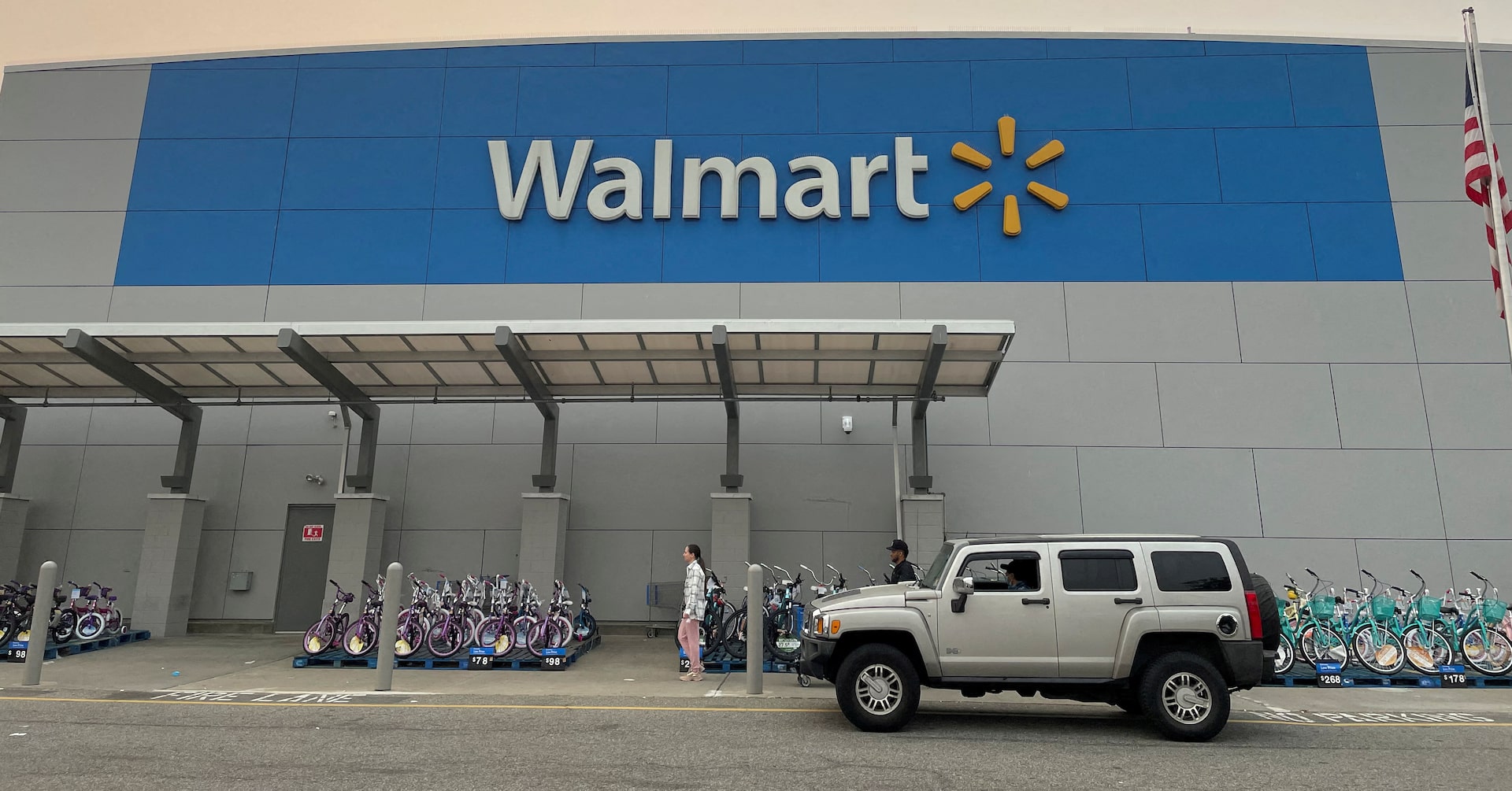
Target Stock Rebounds, Investor Confidence Grows
- Stock Rebound: Target's stock has surged nearly 65% from its 52-week low, reflecting investor confidence in the upgrades under new CEO Michael Fiddelke, although it still trades nearly 50% below its 2021 all-time high, indicating a positive market outlook for its future.
- P/E Ratio Advantage: Despite the price increase, Target's P/E ratio stands at 18, significantly lower than Walmart's and Costco's 40 and 48, respectively, suggesting it remains attractive in the competitive landscape and may draw more value-focused investors.
- Dividend Growth: Target has raised its dividend for the 55th consecutive year, achieving a yield of 3.4%, which is well above the S&P 500's average of 1.1% and its competitors' yields of 0.8% and 0.6%, making it a preferred choice for income-oriented investors.
- Sales Growth Potential: Despite facing three consecutive years of declining sales, Target reported a 7% year-over-year sales growth in Q1 2026, closely matching Walmart's growth, showcasing its potential in improving supply chains and product offerings, which could continue to attract investors moving forward.

UBS's Top Stock Picks for Q3 2026


- Vertiv Stock Surge: Vertiv's stock has surged 92% this year, establishing itself as a favored AI infrastructure play, with UBS analysts noting its strong cash flow return on investment and high asset growth rates, suggesting that its upward value creation trajectory remains intact.
- Nvidia Economic Profit: Although Nvidia's stock is only up 6% in 2026, UBS still regards it as an exemplary wealth compounder, forecasting a doubling of its economic profit by 2027, with analysts' consensus indicating over 50% upside potential from current levels.
- Ralph Lauren Recovery: Ralph Lauren's stock has rallied 13% this year, with UBS highlighting a sharp rebound in cash flow return on investment from pandemic lows, projecting a decade-high of 15%, while the market remains optimistic about its long-term growth potential with a target price suggesting an additional 7% upside.
- Diverse Stock Picks: UBS's list also includes Spotify, Boston Scientific, Target, and Coca-Cola, reflecting confidence in a diversified investment strategy aimed at capitalizing on opportunities arising from market recovery.
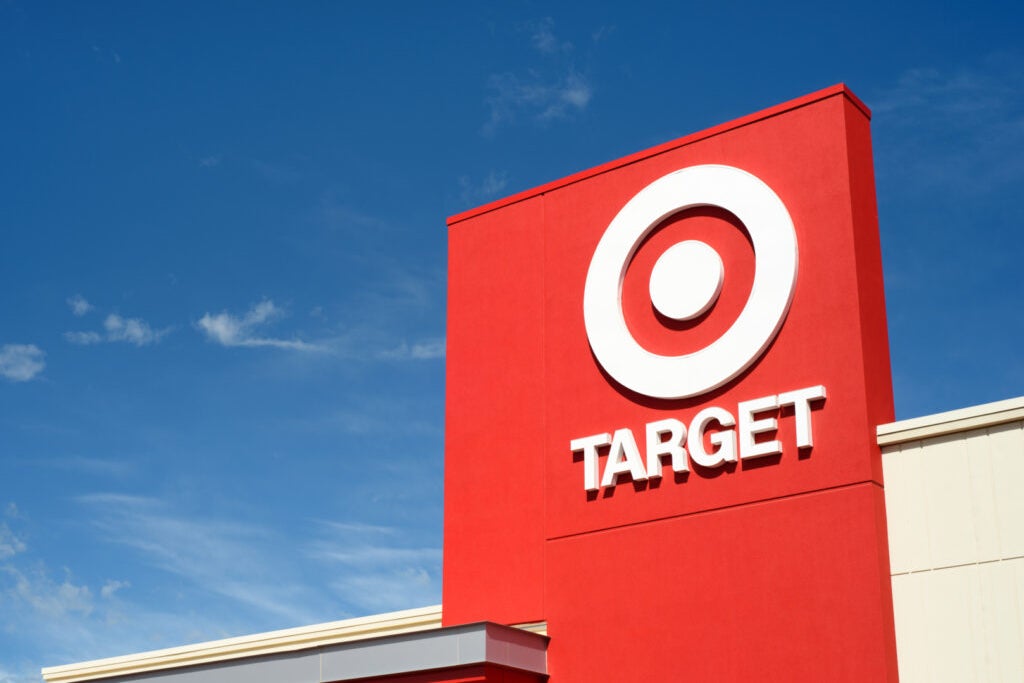
Target Stock Surges, Outperforming Retail Giants

- Recovery Plan Implementation: Under the leadership of new CEO Michael Fiddelke, Target has launched a recovery and growth plan expected to drive long-term growth, with the stock surging over 40% this year, significantly outperforming Costco and Walmart's gains of 10% and 3% respectively.
- Significant Revenue Growth: Despite facing multiple challenges, Target grew its revenue by over $20 billion from 2020 to 2022, maintaining annual revenue above $100 billion, demonstrating resilience and potential in the market.
- Digital and Brand Advantages: Target has made impressive strides in its digital business and in-store fulfillment, with about 40 owned brands generating over $30 billion in annual revenue, enhancing the company's margins and competitive position.
- Optimistic Outlook: Target achieved a 6.7% revenue growth in the first quarter and raised its full-year revenue growth forecast to 4%, with earnings per share expectations adjusted to the high end of the $7.50 to $8.50 range, despite challenges from low consumer sentiment.

Target's Stock Rebounds, Growth Potential Emerges
- Stock Rebound: Target's stock has surged over 40% this year, contrasting with Walmart's and Costco's gains of 10% and 3%, respectively, indicating a significant recovery potential in the retail market.
- Revenue Growth: Despite facing challenges, Target grew its revenue by over $20 billion from 2020 to 2022, maintaining annual revenue above $100 billion, which reflects its stability in market position.
- Digital Transformation: Target has made impressive strides in its digital business and in-store fulfillment, relying on stores to fulfill orders rather than shipping from warehouses, enhancing customer experience and operational efficiency.
- Future Outlook: Target anticipates a full-year revenue increase of about 4% and has raised its earnings per share forecast to the high end of the $7.50 to $8.50 range, although it faces challenges from low consumer sentiment.
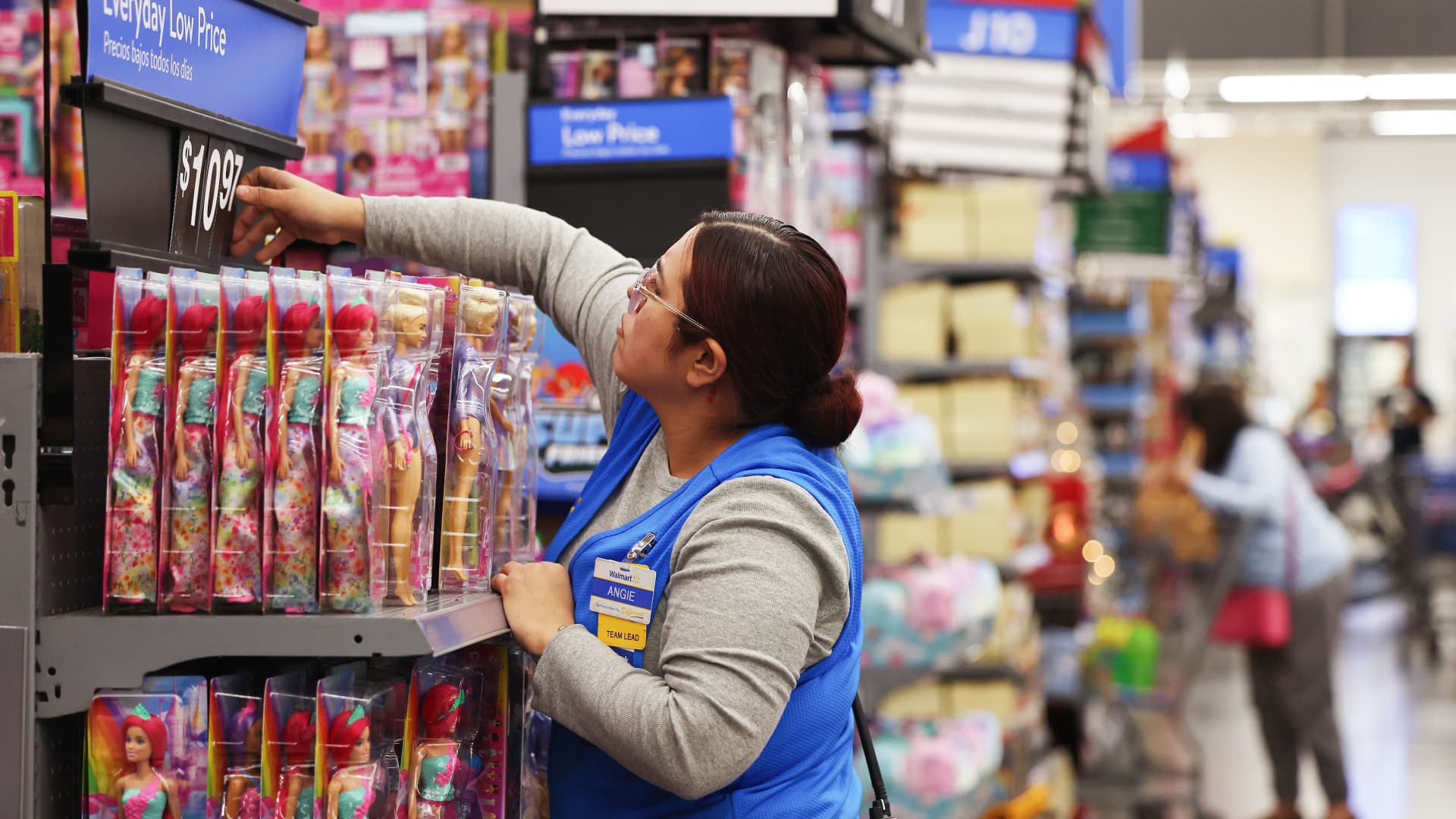
U.S. Retailers Stock Up on Chinese Goods Ahead of Potential Tariffs
- Preemptive Stocking Strategy: U.S. retailers are placing orders for Chinese goods four to six weeks earlier than usual due to anticipated higher import tariffs this summer, indicating a proactive approach to uncertain tariff policies and holiday sales preparation.
- Tariff Policy Changes: Following the Supreme Court's ruling that Trump lacked authority to impose tariffs, the White House implemented a universal 10% tariff under Section 122 of the 1974 Trade Act, which is set to expire on July 24 but may increase to 12.5%, directly impacting import costs.
- Surge in Orders: Recent orders to overseas manufacturers have surged compared to the typical increase seen from July to September, reflecting retailers' urgency to meet holiday demand, particularly in categories like electronics, furniture, and household appliances.
- Economic Impact Analysis: While this trend temporarily boosts China's economy, with Q1 GDP growth at 5.0% exceeding expectations, the second quarter is projected to slow to 4.0%-4.5%, indicating challenges to the sustainability of economic growth.
Target Stock Rebounds, Investor Confidence Restored
- Sales Growth Recovery: Target reported a 7% year-over-year net sales growth in Q1 2026, although below Costco's 10%, this performance significantly boosted investor optimism, indicating a gradual recovery in market competitiveness.
- P/E Ratio Advantage: With a P/E ratio of 18, Target is well below Walmart's 40 and Costco's 48, showcasing its relative value in the current market environment, which may attract more value-seeking investors.
- Dividend King Status: Target has raised its dividend for the 55th consecutive year, with a current yield of 3.4%, far exceeding the S&P 500's 1.1%, making it more appealing to income-oriented investors, especially in comparison to its competitors' yields.
- Future Investment Plans: Despite facing a 25% decline in net earnings, Target plans to invest approximately $5 billion over the coming years to improve stores and supply chains, which could lay the groundwork for long-term growth and enhance its market position.
Target Stock Rebounds, Investor Confidence Grows
- Stock Rebound: Target's stock has surged nearly 65% from its 52-week low, reflecting investor confidence in the upgrades under new CEO Michael Fiddelke, although it still trades nearly 50% below its 2021 all-time high, indicating a positive market outlook for its future.
- P/E Ratio Advantage: Despite the price increase, Target's P/E ratio stands at 18, significantly lower than Walmart's and Costco's 40 and 48, respectively, suggesting it remains attractive in the competitive landscape and may draw more value-focused investors.
- Dividend Growth: Target has raised its dividend for the 55th consecutive year, achieving a yield of 3.4%, which is well above the S&P 500's average of 1.1% and its competitors' yields of 0.8% and 0.6%, making it a preferred choice for income-oriented investors.
- Sales Growth Potential: Despite facing three consecutive years of declining sales, Target reported a 7% year-over-year sales growth in Q1 2026, closely matching Walmart's growth, showcasing its potential in improving supply chains and product offerings, which could continue to attract investors moving forward.
UBS's Top Stock Picks for Q3 2026
- Vertiv Stock Surge: Vertiv's stock has surged 92% this year, establishing itself as a favored AI infrastructure play, with UBS analysts noting its strong cash flow return on investment and high asset growth rates, suggesting that its upward value creation trajectory remains intact.
- Nvidia Economic Profit: Although Nvidia's stock is only up 6% in 2026, UBS still regards it as an exemplary wealth compounder, forecasting a doubling of its economic profit by 2027, with analysts' consensus indicating over 50% upside potential from current levels.
- Ralph Lauren Recovery: Ralph Lauren's stock has rallied 13% this year, with UBS highlighting a sharp rebound in cash flow return on investment from pandemic lows, projecting a decade-high of 15%, while the market remains optimistic about its long-term growth potential with a target price suggesting an additional 7% upside.
- Diverse Stock Picks: UBS's list also includes Spotify, Boston Scientific, Target, and Coca-Cola, reflecting confidence in a diversified investment strategy aimed at capitalizing on opportunities arising from market recovery.
Target Stock Surges, Outperforming Retail Giants
- Recovery Plan Implementation: Under the leadership of new CEO Michael Fiddelke, Target has launched a recovery and growth plan expected to drive long-term growth, with the stock surging over 40% this year, significantly outperforming Costco and Walmart's gains of 10% and 3% respectively.
- Significant Revenue Growth: Despite facing multiple challenges, Target grew its revenue by over $20 billion from 2020 to 2022, maintaining annual revenue above $100 billion, demonstrating resilience and potential in the market.
- Digital and Brand Advantages: Target has made impressive strides in its digital business and in-store fulfillment, with about 40 owned brands generating over $30 billion in annual revenue, enhancing the company's margins and competitive position.
- Optimistic Outlook: Target achieved a 6.7% revenue growth in the first quarter and raised its full-year revenue growth forecast to 4%, with earnings per share expectations adjusted to the high end of the $7.50 to $8.50 range, despite challenges from low consumer sentiment.
Target's Stock Rebounds, Growth Potential Emerges
- Stock Rebound: Target's stock has surged over 40% this year, contrasting with Walmart's and Costco's gains of 10% and 3%, respectively, indicating a significant recovery potential in the retail market.
- Revenue Growth: Despite facing challenges, Target grew its revenue by over $20 billion from 2020 to 2022, maintaining annual revenue above $100 billion, which reflects its stability in market position.
- Digital Transformation: Target has made impressive strides in its digital business and in-store fulfillment, relying on stores to fulfill orders rather than shipping from warehouses, enhancing customer experience and operational efficiency.
- Future Outlook: Target anticipates a full-year revenue increase of about 4% and has raised its earnings per share forecast to the high end of the $7.50 to $8.50 range, although it faces challenges from low consumer sentiment.
U.S. Retailers Stock Up on Chinese Goods Ahead of Potential Tariffs
- Preemptive Stocking Strategy: U.S. retailers are placing orders for Chinese goods four to six weeks earlier than usual due to anticipated higher import tariffs this summer, indicating a proactive approach to uncertain tariff policies and holiday sales preparation.
- Tariff Policy Changes: Following the Supreme Court's ruling that Trump lacked authority to impose tariffs, the White House implemented a universal 10% tariff under Section 122 of the 1974 Trade Act, which is set to expire on July 24 but may increase to 12.5%, directly impacting import costs.
- Surge in Orders: Recent orders to overseas manufacturers have surged compared to the typical increase seen from July to September, reflecting retailers' urgency to meet holiday demand, particularly in categories like electronics, furniture, and household appliances.
- Economic Impact Analysis: While this trend temporarily boosts China's economy, with Q1 GDP growth at 5.0% exceeding expectations, the second quarter is projected to slow to 4.0%-4.5%, indicating challenges to the sustainability of economic growth.