EXOD Sees Increase in Swap and Transaction Volumes: What’s Next for the Stock?


Exodus Movement Growth: Exodus Movement has experienced significant growth, with a 51% increase in revenues year-over-year and an 82% rise in swap volume in Q3 2025, driven by increased trading activity and a successful partner strategy that added 16 new partners.
Market Expansion and Financial Health: The company is entering the stablecoin payments market through the Grateful acquisition, allowing for lower transaction fees and instant merchant settlements, while maintaining a robust balance sheet with $315 million in digital assets and no debt.
Competitive Landscape: Exodus faces competition from established players like Coinbase, PayPal, and Robinhood, which offer similar self-custodial wallet solutions and crypto trading services, potentially impacting its market share.
Valuation and Future Outlook: Despite a 48.4% decline in share value over the past year, Exodus is trading at a lower price-to-book ratio compared to the industry average, with a Zacks Consensus Estimate indicating a modest earnings growth of 3.5% for 2025.
Trade with 70% Backtested Accuracy
Analyst Views on COIN

About COIN
About the author


Institutional Investors Bullish on Crypto Outlook

- Investor Confidence: A survey by Coinbase and EY-Parthenon reveals that 73% of institutional decision-makers plan to increase their crypto allocations by 2026, with 74% expecting crypto prices to rise in the next 12 months, indicating a growing confidence in the crypto market.
- Regulatory Impact: The SEC and CFTC's new guidance classifying 16 major crypto assets as 'digital commodities' allows assets like XRP and Solana to operate under a lighter regulatory framework, attracting more institutional investors who previously hesitated due to regulatory uncertainties.
- Legislative Catalyst: Although the Clarity Act remains stalled in Congress, its potential passage could set the stage for the future of crypto and drive asset prices higher, while failure to pass may delay progress until after the 2026 midterm elections.
- Tokenization Trend: The survey indicates that many institutional investors are prioritizing asset tokenization capabilities in the near term, with XRP and Solana well-positioned to benefit from this trend, further driving market demand for these cryptocurrencies.
Bitmine Reaches 3.14 Million ETH Staked

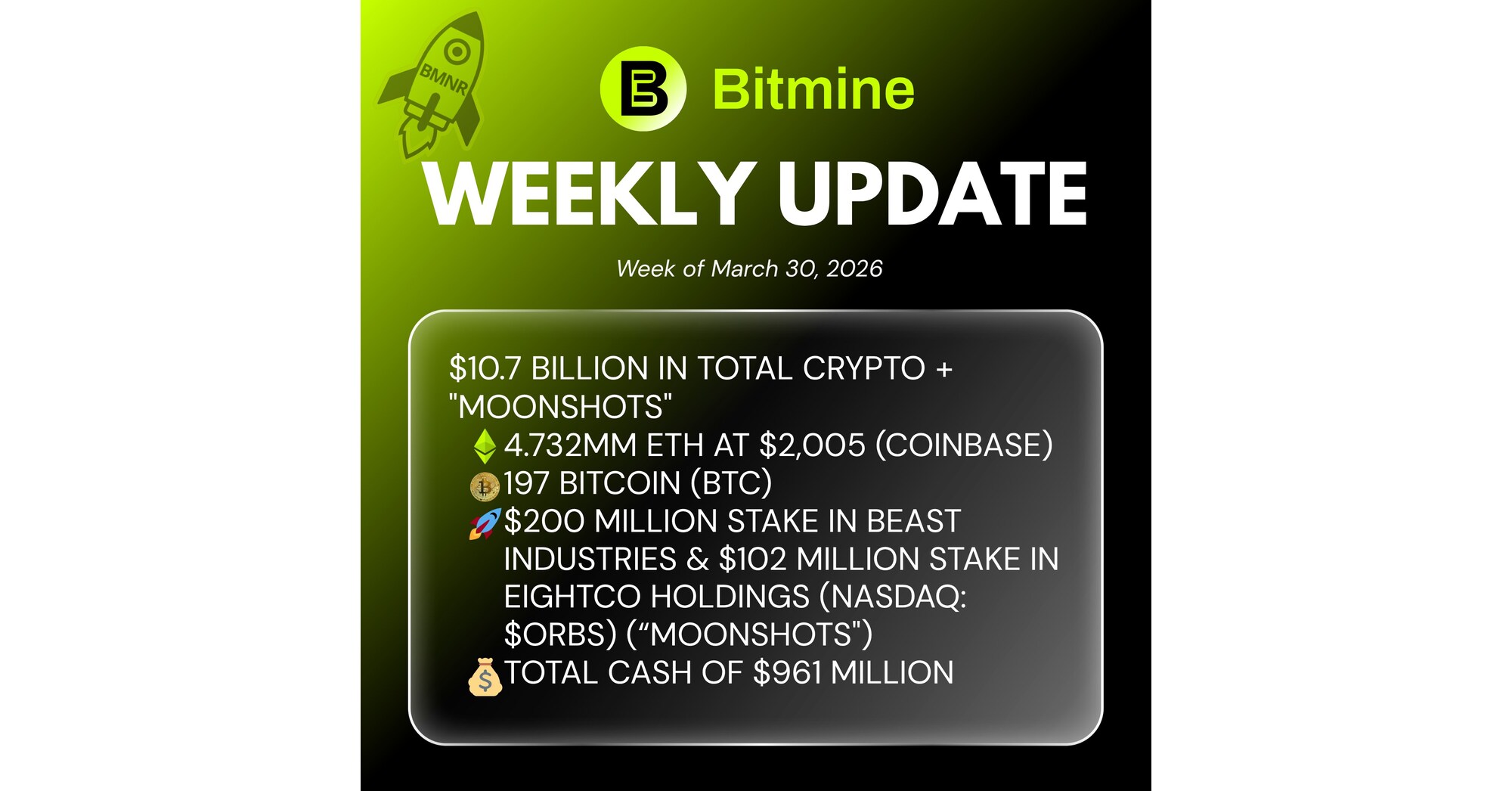
- ETH Staking Milestone: Bitmine has staked 3,142,643 ETH, valued at $6.3 billion based on a price of $2,005 per ETH, demonstrating its significant influence and confidence in the Ethereum market.
- Launch of MAVAN: On March 25, 2026, Bitmine introduced MAVAN (Made in America Validator Network), a staking solution aimed at providing institutional investors with a secure and reliable staking infrastructure, further solidifying its leadership in the Ethereum staking sector.
- Strong Market Performance: Bitmine's stock trades with an average daily volume of $920 million in the U.S., ranking 100th, indicating high liquidity and market interest among cryptocurrency investors, enhancing its appeal in capital markets.
- Robust Investor Support: Bitmine is backed by prominent institutional investors including Cathie Wood of ARK and Pantera, highlighting its strategic positioning and growth potential in the cryptocurrency space, especially in the current market environment.
Bitmine Stakes 3.14 Million ETH Worth $6.3 Billion

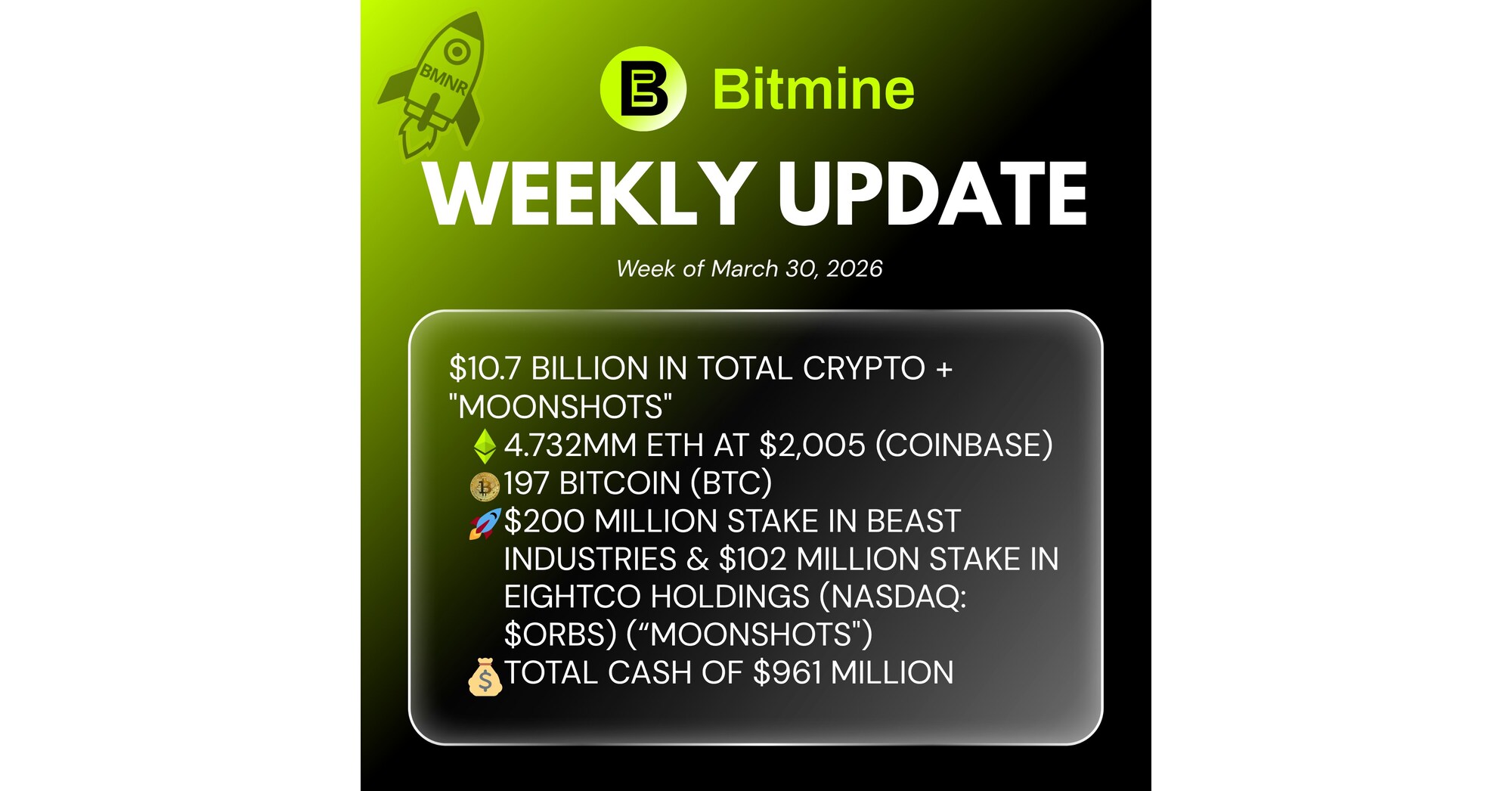
- ETH Staking Scale: Bitmine currently stakes 3.14 million ETH valued at $6.3 billion, demonstrating its significant influence in the Ethereum market and laying a foundation for future revenue growth.
- Launch of MAVAN Platform: On March 25, 2026, Bitmine launched the MAVAN (Made in America Validator Network) staking solution aimed at providing institutional investors with a secure and high-performance staking infrastructure, further enhancing its competitive edge in the market.
- Liquidity and Investment Support: Bitmine's total crypto assets and liquid funds amount to $10.7 billion, including 4.73 million ETH and $961 million in cash, showcasing its strong liquidity and investment capabilities in the crypto market.
- Outstanding Market Performance: Bitmine's stock is actively traded in the U.S. market with an average daily trading volume of $920 million, ranking 100th, and attracting support from prominent institutional investors like Cathie Wood of ARK, further enhancing its market position.

Surge in Options Trading Volume for Coinbase and AXIS Capital

- Coinbase Options Volume: Coinbase Global Inc saw options trading volume of 115,512 contracts, equating to approximately 11.6 million shares, which represents about 89.9% of its average daily trading volume over the past month, indicating strong market interest in its future performance.
- High-Frequency Contracts: Notably, the $202.50 strike call option expiring on April 2, 2026, has seen 6,983 contracts traded today, representing around 698,300 underlying shares of COIN, suggesting bullish sentiment among investors at this price level.
- AXIS Options Activity: AXIS Capital Holdings Ltd experienced options trading volume of 3,765 contracts, translating to approximately 376,500 shares, which is about 70.9% of its average daily trading volume over the past month, reflecting investor interest in its stock.
- AXIS High-Frequency Contracts: The $110 strike call option expiring on April 17, 2026, has seen 3,741 contracts traded today, representing approximately 374,100 shares of AXS, indicating optimistic expectations for AXIS's future performance.

Middle East Tensions Impact Global Markets

- Market Recovery: The S&P 500 Index rose by 0.42%, the Dow Jones Industrial Average increased by 0.64%, and the Nasdaq 100 Index gained 0.32%, indicating a short-term market rebound amid escalating tensions in the Middle East, as investor confidence in future economic growth shows signs of recovery.
- Declining Bond Yields: The 10-year T-note yield fell by 8 basis points to 4.35%, reflecting market concerns that the ongoing war in the Middle East may lead to fuel shortages, thereby suppressing inflation expectations and potentially keeping the Fed from raising interest rates in upcoming meetings.
- Rising Oil Prices: Crude oil prices surged over 1% to a three-week high due to Iranian attacks on shipping, with fears that the closure of the Strait of Hormuz could disrupt global oil supplies, potentially driving prices to exceed the 2008 record high.
- Energy Infrastructure Damage: The International Energy Agency reported that more than 40 energy sites across nine Middle Eastern countries have been severely damaged, which could prolong disruptions to global supply chains after the war ends, further impacting international market stability.
Labor Department Proposes Easing 401(k) Alternative Asset Rules

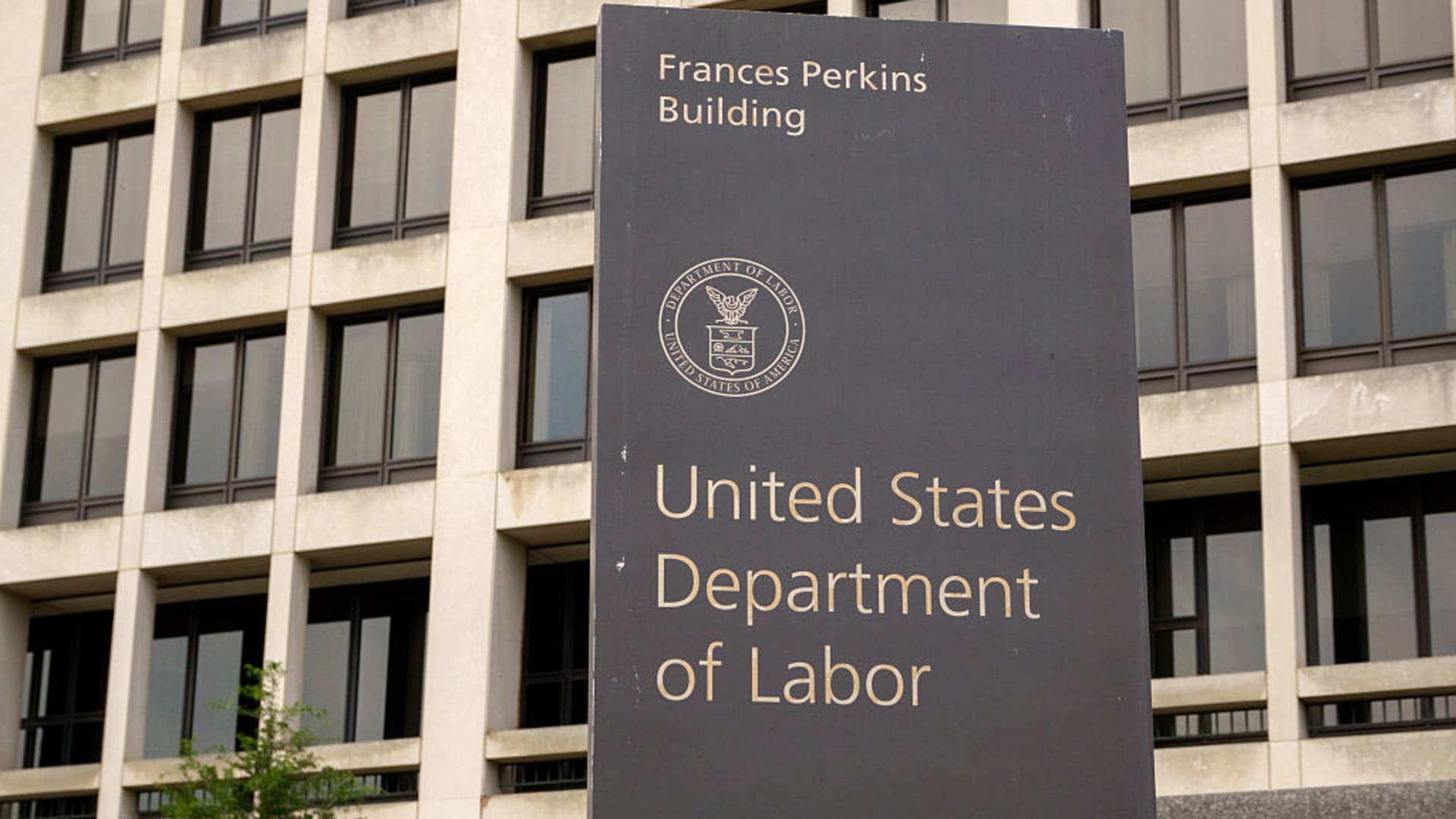
- Proposed Regulation: The U.S. Labor Department has proposed allowing 401(k) plans to more easily include alternative assets such as cryptocurrencies and real estate, responding to President Trump's executive order aimed at enhancing asset diversification for retirement investors, potentially leading to higher returns.
- Safe Harbor Provision: The new rule establishes a 'safe harbor' to protect plan sponsors from litigation risks and outlines six factors to consider when selecting alternative investments, including performance, fees, and liquidity, which may encourage more 401(k) plans to adopt alternative assets.
- Investor Concerns: While the new rule could yield higher returns, some financial advisors express concerns that average 401(k) investors may lack the necessary knowledge and experience to manage these more complex investments, potentially leading to increased risks and costs.
- Policy Context: This proposal is set against the backdrop of the Trump administration's push for broader access to non-traditional asset classes, aiming to counter the cautious stance taken during the Biden administration regarding cryptocurrency investments, reflecting a shift towards greater flexibility and choice for retirement investors.
Institutional Investors Bullish on Crypto Outlook
- Investor Confidence: A survey by Coinbase and EY-Parthenon reveals that 73% of institutional decision-makers plan to increase their crypto allocations by 2026, with 74% expecting crypto prices to rise in the next 12 months, indicating a growing confidence in the crypto market.
- Regulatory Impact: The SEC and CFTC's new guidance classifying 16 major crypto assets as 'digital commodities' allows assets like XRP and Solana to operate under a lighter regulatory framework, attracting more institutional investors who previously hesitated due to regulatory uncertainties.
- Legislative Catalyst: Although the Clarity Act remains stalled in Congress, its potential passage could set the stage for the future of crypto and drive asset prices higher, while failure to pass may delay progress until after the 2026 midterm elections.
- Tokenization Trend: The survey indicates that many institutional investors are prioritizing asset tokenization capabilities in the near term, with XRP and Solana well-positioned to benefit from this trend, further driving market demand for these cryptocurrencies.
Bitmine Reaches 3.14 Million ETH Staked
- ETH Staking Milestone: Bitmine has staked 3,142,643 ETH, valued at $6.3 billion based on a price of $2,005 per ETH, demonstrating its significant influence and confidence in the Ethereum market.
- Launch of MAVAN: On March 25, 2026, Bitmine introduced MAVAN (Made in America Validator Network), a staking solution aimed at providing institutional investors with a secure and reliable staking infrastructure, further solidifying its leadership in the Ethereum staking sector.
- Strong Market Performance: Bitmine's stock trades with an average daily volume of $920 million in the U.S., ranking 100th, indicating high liquidity and market interest among cryptocurrency investors, enhancing its appeal in capital markets.
- Robust Investor Support: Bitmine is backed by prominent institutional investors including Cathie Wood of ARK and Pantera, highlighting its strategic positioning and growth potential in the cryptocurrency space, especially in the current market environment.
Bitmine Stakes 3.14 Million ETH Worth $6.3 Billion
- ETH Staking Scale: Bitmine currently stakes 3.14 million ETH valued at $6.3 billion, demonstrating its significant influence in the Ethereum market and laying a foundation for future revenue growth.
- Launch of MAVAN Platform: On March 25, 2026, Bitmine launched the MAVAN (Made in America Validator Network) staking solution aimed at providing institutional investors with a secure and high-performance staking infrastructure, further enhancing its competitive edge in the market.
- Liquidity and Investment Support: Bitmine's total crypto assets and liquid funds amount to $10.7 billion, including 4.73 million ETH and $961 million in cash, showcasing its strong liquidity and investment capabilities in the crypto market.
- Outstanding Market Performance: Bitmine's stock is actively traded in the U.S. market with an average daily trading volume of $920 million, ranking 100th, and attracting support from prominent institutional investors like Cathie Wood of ARK, further enhancing its market position.
Surge in Options Trading Volume for Coinbase and AXIS Capital
- Coinbase Options Volume: Coinbase Global Inc saw options trading volume of 115,512 contracts, equating to approximately 11.6 million shares, which represents about 89.9% of its average daily trading volume over the past month, indicating strong market interest in its future performance.
- High-Frequency Contracts: Notably, the $202.50 strike call option expiring on April 2, 2026, has seen 6,983 contracts traded today, representing around 698,300 underlying shares of COIN, suggesting bullish sentiment among investors at this price level.
- AXIS Options Activity: AXIS Capital Holdings Ltd experienced options trading volume of 3,765 contracts, translating to approximately 376,500 shares, which is about 70.9% of its average daily trading volume over the past month, reflecting investor interest in its stock.
- AXIS High-Frequency Contracts: The $110 strike call option expiring on April 17, 2026, has seen 3,741 contracts traded today, representing approximately 374,100 shares of AXS, indicating optimistic expectations for AXIS's future performance.
Middle East Tensions Impact Global Markets
- Market Recovery: The S&P 500 Index rose by 0.42%, the Dow Jones Industrial Average increased by 0.64%, and the Nasdaq 100 Index gained 0.32%, indicating a short-term market rebound amid escalating tensions in the Middle East, as investor confidence in future economic growth shows signs of recovery.
- Declining Bond Yields: The 10-year T-note yield fell by 8 basis points to 4.35%, reflecting market concerns that the ongoing war in the Middle East may lead to fuel shortages, thereby suppressing inflation expectations and potentially keeping the Fed from raising interest rates in upcoming meetings.
- Rising Oil Prices: Crude oil prices surged over 1% to a three-week high due to Iranian attacks on shipping, with fears that the closure of the Strait of Hormuz could disrupt global oil supplies, potentially driving prices to exceed the 2008 record high.
- Energy Infrastructure Damage: The International Energy Agency reported that more than 40 energy sites across nine Middle Eastern countries have been severely damaged, which could prolong disruptions to global supply chains after the war ends, further impacting international market stability.
Labor Department Proposes Easing 401(k) Alternative Asset Rules
- Proposed Regulation: The U.S. Labor Department has proposed allowing 401(k) plans to more easily include alternative assets such as cryptocurrencies and real estate, responding to President Trump's executive order aimed at enhancing asset diversification for retirement investors, potentially leading to higher returns.
- Safe Harbor Provision: The new rule establishes a 'safe harbor' to protect plan sponsors from litigation risks and outlines six factors to consider when selecting alternative investments, including performance, fees, and liquidity, which may encourage more 401(k) plans to adopt alternative assets.
- Investor Concerns: While the new rule could yield higher returns, some financial advisors express concerns that average 401(k) investors may lack the necessary knowledge and experience to manage these more complex investments, potentially leading to increased risks and costs.
- Policy Context: This proposal is set against the backdrop of the Trump administration's push for broader access to non-traditional asset classes, aiming to counter the cautious stance taken during the Biden administration regarding cryptocurrency investments, reflecting a shift towards greater flexibility and choice for retirement investors.