ETF Inflow Update: QQQM, NFLX, TMUS, LIN

52 Week Range of QQQM: QQQM's share price has a 52-week low of $165.72 and a high of $240.11, with the last trade recorded at $236.81.
Understanding ETFs: ETFs function like stocks, trading in "units" that can be created or destroyed based on investor demand, impacting the underlying holdings when there are significant inflows or outflows.
Trade with 70% Backtested Accuracy
Analyst Views on LIN

About LIN
About the author


Oil Price Fluctuations Impact Market Trends


- Oil Price Impact: On Wednesday, both U.S. and international crude prices dropped by 4%, inversely propelling the S&P 500 to rise nearly 1%, indicating the significant influence of oil price fluctuations on the overall market.
- Meta's New Incentive Plan: Meta Platforms introduced a new stock incentive plan for its CFO and other executives that will only be realized upon achieving substantial company success, aimed at motivating leadership to pursue higher goals and enhance shareholder value.
- Linde's Long-Term Strategy: Linde is capitalizing on helium supply disruptions in Qatar, as its competitor Airgas has had to reduce shipments due to production issues, allowing Linde to target rivals' customers and expand its market share.
- Investment Club Trading Rules: Subscribers to the CNBC Investing Club must wait 45 minutes after Jim Cramer issues a trade alert before executing trades, ensuring transparency and effectiveness of the strategy.

Analysis of QQQM ETF's 52-Week Price Fluctuations


- Price Range Analysis: QQQM ETF's 52-week low is $165.72 per share, with a high of $262.2342, while the last trade was at $240.32, indicating relative stability and volatility in the current market.
- Technical Analysis Tool: Comparing the latest share price to the 200-day moving average can provide valuable insights for investors, helping to assess market trends and potential buying opportunities.
- ETF Trading Mechanism: Exchange-traded funds (ETFs) trade like stocks, where investors buy and sell 'units' that can be created or destroyed based on investor demand, impacting the ETF's underlying holdings.
- Inflows and Outflows Monitoring: Weekly monitoring of changes in shares outstanding helps identify ETFs experiencing significant inflows (new units created) or outflows (old units destroyed), assessing their impact on underlying assets.

CALICHE EXPANDS PARTNERSHIP WITH LINDE BY INTRODUCING NATURAL GAS DELIVERY VIA NEW PIPELINE CONNECTION
- Partnership Expansion: Caliche is expanding its partnership with Linde to enhance natural gas delivery services.
- New Pipeline Connection: The expansion includes the addition of a new pipeline connection to facilitate the delivery process.
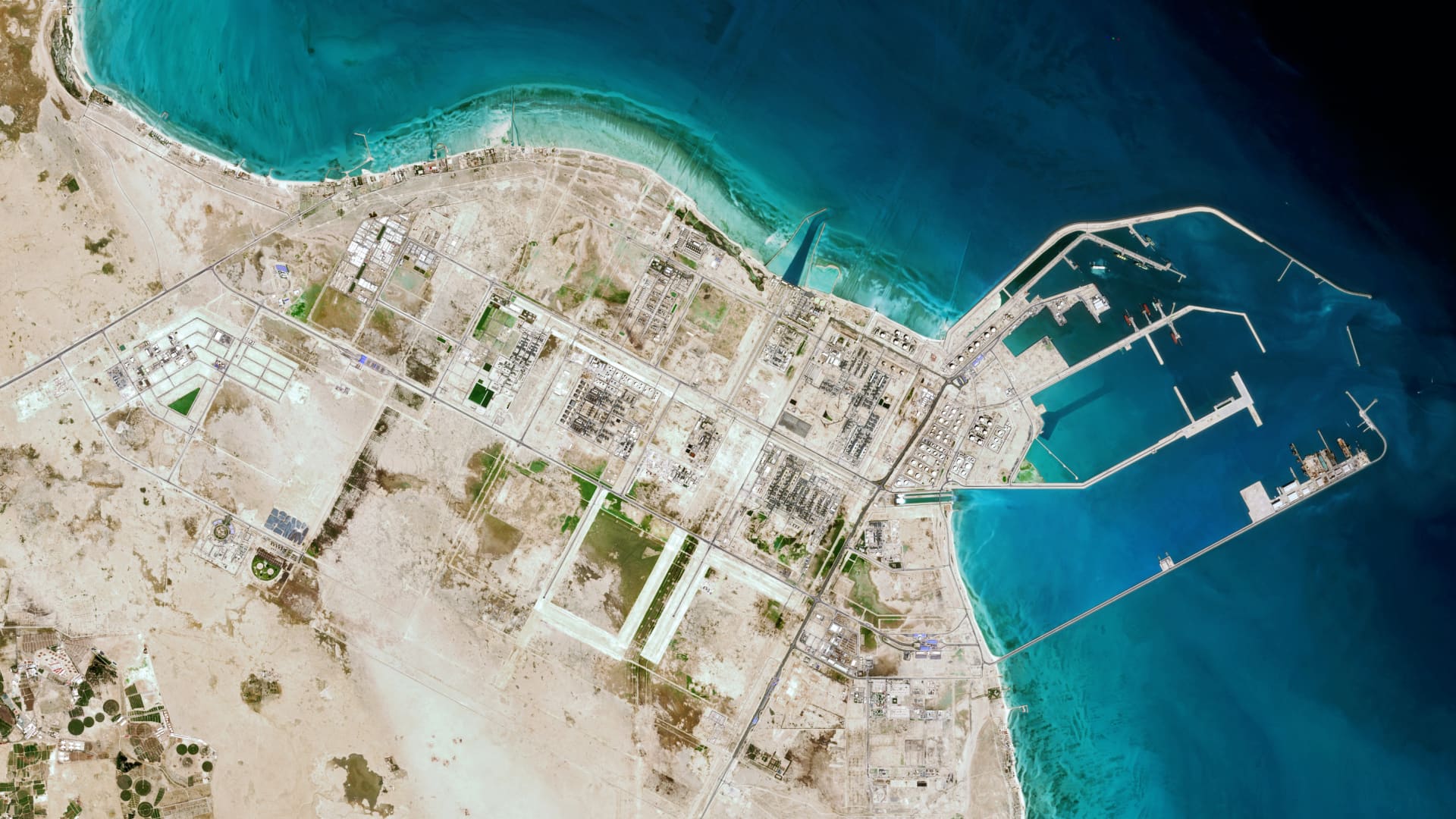
Impact of Middle East Conflict on Helium Supply
- Helium Supply Disruption: The ongoing conflict in the Middle East has severely impacted helium production in Qatar, which could lead to a global helium shortage affecting critical industries such as semiconductors, industrial manufacturing, and medical imaging, potentially increasing production costs across these sectors.
- Price Surge: The closure of the Strait of Hormuz has caused spot helium prices to spike by 70% to 100% within just over a week, placing direct financial pressure on semiconductor manufacturers who rely on helium, forcing them to adjust their procurement strategies to cope with rising costs.
- Priority Shift in Industries: In the event of helium shortages, the semiconductor industry is prioritized for allocations; however, all sectors will feel the impact, particularly non-critical applications like party balloons, which may face significant supply shortages.
- Delayed Market Response: Although the helium market had been oversupplied for the past two years, the current shortage is expected to create a supply deficit of about 15% rather than 30%, indicating that price increases may not immediately reflect in long-term contracts, potentially affecting overall industry profitability.

Soaring High: A Helium Shortage May Benefit Linde
Political Instability and Helium Supply Crisis: Rising political instability in the Middle East is impacting global helium supply, leading to a significant market imbalance and a helium squeeze, particularly affecting Qatar, a major helium producer.
Impact on Industrial Gas Sector: The disruption in helium extraction due to halted LNG processing has created immense pressure on the helium market, causing spot prices to surge by 20% to 50%, which is a direct result of a sudden supply shock.
Linde's Market Position: Linde PLC, the world's largest industrial gas company, is well-positioned to capitalize on the current helium supply crisis due to its extensive production and storage facilities, as well as its strategic advantages in the market.
Investment Opportunities: Analysts recommend that investors consider Linde as a compelling opportunity in light of the helium shortage, emphasizing the company's strong financial performance and ability to navigate market dynamics effectively.
Industrial Stocks Stumble Amid Conflict but Outlook Remains Positive

- Honeywell's Stable Outlook: Honeywell CEO Vimal Kapur warned that shipping delays in the Middle East could slightly drag first-quarter revenue, with the stock dropping over 1%; however, the unchanged 2026 outlook indicates long-term growth potential, which investors should focus on.
- Dover's Strong Orders: Dover CEO Richard Tobin stated that orders are tracking well despite the overseas conflict, projecting an uptick in energy and freight costs, but asserting that neither poses a significant threat to the company's financials, showcasing strong pricing power and cash flow.
- Linde's Price Target Raised: Mizuho raised Linde's price target from $525 to $560, arguing that the company stands to benefit from elevated helium prices due to Iran's retaliatory attacks on Qatar, further solidifying its market position in industries like semiconductors and aerospace.
- Investment Club Profit-Taking: The Investing Club took some profits in Honeywell and Dover after stock price increases, reflecting sensitivity to market volatility while maintaining a buy rating on Linde, demonstrating confidence in its long-term growth potential.
Oil Price Fluctuations Impact Market Trends
- Oil Price Impact: On Wednesday, both U.S. and international crude prices dropped by 4%, inversely propelling the S&P 500 to rise nearly 1%, indicating the significant influence of oil price fluctuations on the overall market.
- Meta's New Incentive Plan: Meta Platforms introduced a new stock incentive plan for its CFO and other executives that will only be realized upon achieving substantial company success, aimed at motivating leadership to pursue higher goals and enhance shareholder value.
- Linde's Long-Term Strategy: Linde is capitalizing on helium supply disruptions in Qatar, as its competitor Airgas has had to reduce shipments due to production issues, allowing Linde to target rivals' customers and expand its market share.
- Investment Club Trading Rules: Subscribers to the CNBC Investing Club must wait 45 minutes after Jim Cramer issues a trade alert before executing trades, ensuring transparency and effectiveness of the strategy.
Analysis of QQQM ETF's 52-Week Price Fluctuations
- Price Range Analysis: QQQM ETF's 52-week low is $165.72 per share, with a high of $262.2342, while the last trade was at $240.32, indicating relative stability and volatility in the current market.
- Technical Analysis Tool: Comparing the latest share price to the 200-day moving average can provide valuable insights for investors, helping to assess market trends and potential buying opportunities.
- ETF Trading Mechanism: Exchange-traded funds (ETFs) trade like stocks, where investors buy and sell 'units' that can be created or destroyed based on investor demand, impacting the ETF's underlying holdings.
- Inflows and Outflows Monitoring: Weekly monitoring of changes in shares outstanding helps identify ETFs experiencing significant inflows (new units created) or outflows (old units destroyed), assessing their impact on underlying assets.
CALICHE EXPANDS PARTNERSHIP WITH LINDE BY INTRODUCING NATURAL GAS DELIVERY VIA NEW PIPELINE CONNECTION
- Partnership Expansion: Caliche is expanding its partnership with Linde to enhance natural gas delivery services.
- New Pipeline Connection: The expansion includes the addition of a new pipeline connection to facilitate the delivery process.
Impact of Middle East Conflict on Helium Supply
- Helium Supply Disruption: The ongoing conflict in the Middle East has severely impacted helium production in Qatar, which could lead to a global helium shortage affecting critical industries such as semiconductors, industrial manufacturing, and medical imaging, potentially increasing production costs across these sectors.
- Price Surge: The closure of the Strait of Hormuz has caused spot helium prices to spike by 70% to 100% within just over a week, placing direct financial pressure on semiconductor manufacturers who rely on helium, forcing them to adjust their procurement strategies to cope with rising costs.
- Priority Shift in Industries: In the event of helium shortages, the semiconductor industry is prioritized for allocations; however, all sectors will feel the impact, particularly non-critical applications like party balloons, which may face significant supply shortages.
- Delayed Market Response: Although the helium market had been oversupplied for the past two years, the current shortage is expected to create a supply deficit of about 15% rather than 30%, indicating that price increases may not immediately reflect in long-term contracts, potentially affecting overall industry profitability.
Soaring High: A Helium Shortage May Benefit Linde
Political Instability and Helium Supply Crisis: Rising political instability in the Middle East is impacting global helium supply, leading to a significant market imbalance and a helium squeeze, particularly affecting Qatar, a major helium producer.
Impact on Industrial Gas Sector: The disruption in helium extraction due to halted LNG processing has created immense pressure on the helium market, causing spot prices to surge by 20% to 50%, which is a direct result of a sudden supply shock.
Linde's Market Position: Linde PLC, the world's largest industrial gas company, is well-positioned to capitalize on the current helium supply crisis due to its extensive production and storage facilities, as well as its strategic advantages in the market.
Investment Opportunities: Analysts recommend that investors consider Linde as a compelling opportunity in light of the helium shortage, emphasizing the company's strong financial performance and ability to navigate market dynamics effectively.
Industrial Stocks Stumble Amid Conflict but Outlook Remains Positive
- Honeywell's Stable Outlook: Honeywell CEO Vimal Kapur warned that shipping delays in the Middle East could slightly drag first-quarter revenue, with the stock dropping over 1%; however, the unchanged 2026 outlook indicates long-term growth potential, which investors should focus on.
- Dover's Strong Orders: Dover CEO Richard Tobin stated that orders are tracking well despite the overseas conflict, projecting an uptick in energy and freight costs, but asserting that neither poses a significant threat to the company's financials, showcasing strong pricing power and cash flow.
- Linde's Price Target Raised: Mizuho raised Linde's price target from $525 to $560, arguing that the company stands to benefit from elevated helium prices due to Iran's retaliatory attacks on Qatar, further solidifying its market position in industries like semiconductors and aerospace.
- Investment Club Profit-Taking: The Investing Club took some profits in Honeywell and Dover after stock price increases, reflecting sensitivity to market volatility while maintaining a buy rating on Linde, demonstrating confidence in its long-term growth potential.