

Energy Stocks Surge Amid Geopolitical Turmoil and AI Demand
Written by Emily J. Thompson, Senior Investment Analyst
Updated: May 30 2026
0mins


Source: Fool
- Chevron's Profit Surge: Chevron (CVX) has leveraged strict cost discipline and high oil prices, with crude oil reaching $90 per barrel, significantly boosting shareholder returns and enhancing its competitive position in the market through increased profits and free cash flow.
- Brookfield's Rapid Expansion: Brookfield Renewable (BEPC) commissioned over 9 GW of new capacity last year and is on track to achieve a commissioning run rate of 10 GW annually by 2027, benefiting from stable cash flows and inflation-indexed revenues amid rising energy demand.
- Constellation's Nuclear Power Advantage: Constellation Energy (CEG) operates the largest nuclear fleet in the U.S. with 22 GW of nuclear capacity, positioning itself favorably to meet zero-emission goals while capitalizing on market flexibility during energy constraints.
- Increased Investor Focus on Energy Stocks: The geopolitical turmoil in the Middle East and the surging demand from AI data centers have heightened investor interest in companies capable of providing fuel and reliable power, likely driving stock prices and market performance for these energy firms.
Trade with 70% Backtested Accuracy
Stop guessing "Should I Buy CVX?" and start using high-conviction signals backed by rigorous historical data.
Sign up today to access powerful investing tools and make smarter, data-driven decisions.
Analyst Views on CVX
Wall Street analysts forecast CVX stock price to fall
19 Analyst Rating
15 Buy
4 Hold
0 Sell
Strong Buy
Current: 177.580

Low
158.00
Averages
176.95
High
206.00
Current: 177.580
Low
158.00
Averages
176.95
High
206.00
About CVX
Chevron Corporation is an integrated energy company. The Company produces crude oil and natural gas; manufactures transportation fuels, lubricants, petrochemicals and additives; and develops technologies that enhance its business and industry. The Company’s segments include Upstream and Downstream. Upstream operations consist primarily of exploring for, developing, producing and transporting crude oil and natural gas; liquefaction, transportation and regasification associated with LNG; transporting crude oil by major international oil export pipelines; processing, transporting, storage and marketing of natural gas; carbon capture and storage; and a gas-to-liquids plant. Downstream operations consist primarily of the refining of crude oil into petroleum products; marketing crude oil, refined products, and lubricants; manufacturing and marketing of renewable fuels, and transporting of crude oil and refined products by pipeline, marine vessel, motor equipment and rail car.
About the author

Emily J. Thompson
Emily J. Thompson, a Chartered Financial Analyst (CFA) with 12 years in investment research, graduated with honors from the Wharton School. Specializing in industrial and technology stocks, she provides in-depth analysis for Intellectia’s earnings and market brief reports.

Impact of Middle East Conflict on Energy Market


- Current Energy Market: The closure of the Strait of Hormuz has led to a tight supply of oil and natural gas globally, with expectations that Brent crude prices will fall back to $60 per barrel by 2027, although this may involve significant price fluctuations along the way.
- Strategic Reserve Crisis: The U.S. strategic oil reserve is nearing its lowest levels since 1983, necessitating replenishment, which highlights the tense situation in the global energy market and could lead to price increases in the future.
- Market Structural Changes: The UAE's exit from OPEC has lifted production limits, while the U.S. has ramped up exports, increasing global interest in energy security, factors that will reshape future oil movement patterns and may lead to heightened price volatility.
- Investment Strategy Recommendation: Investors are advised to maintain some exposure to the energy sector, particularly by choosing energy giants like ExxonMobil and Chevron, whose global asset distribution and strong financial positions can help mitigate market fluctuations.
See More
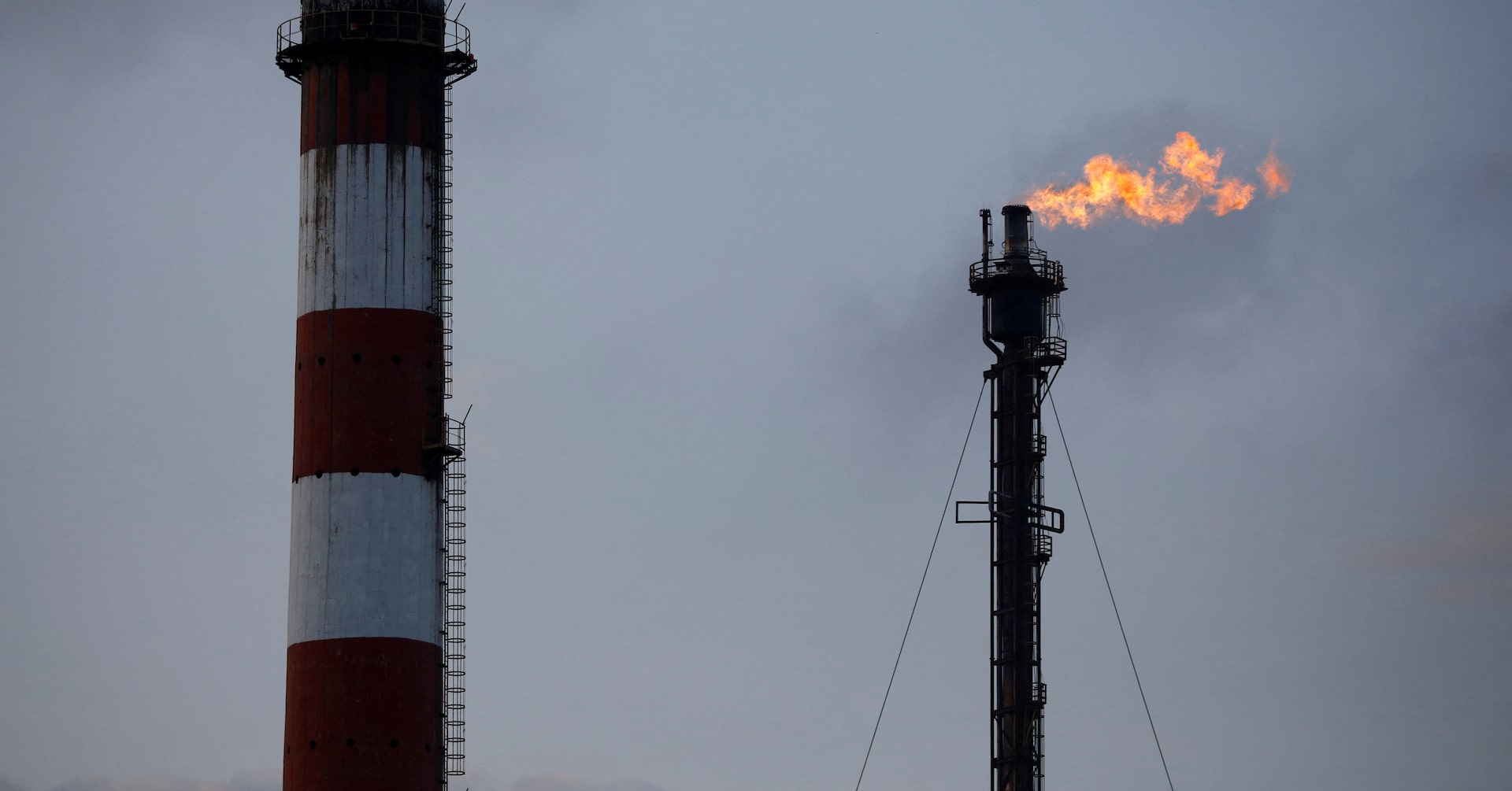
Middle East Conflict Drives Oil Prices Higher
- Market Volatility Ahead: The geopolitical conflict in the Middle East has driven oil prices up, yet it is anticipated that Brent crude will fall back to around $60 per barrel by 2027, indicating that market fundamentals will soon dictate price movements.
- Strategic Reserve Crisis: The U.S. strategic oil reserve is nearing levels not seen since 1983, highlighting the pressure on global oil and gas supply chains and the urgent need to replenish reserves to meet future demand fluctuations.
- Changes Outside OPEC: The UAE's exit from OPEC has lifted production limits, coupled with increased U.S. exports, signaling fundamental shifts in the global energy market that could lead to greater oil and gas supply in the future, thereby impacting prices.
- Investment Strategy Shift: While investors should consider exposure to the energy sector, a conservative approach is advisable, with energy giants like ExxonMobil and Chevron being ideal choices due to their global asset distribution and robust financial health, making them well-suited to navigate market volatility.
See More

Chevron Executive to Attend Natural Resources Conference
- Executive Participation: Jeff Gustavson, President of New Energies at Chevron, will participate in the J.P. Morgan Natural Resources Conference on June 23, 2026, highlighting the company's strategic positioning in renewable energy, which is expected to attract investor interest.
- Live Webcast Arrangement: The conference will feature a live webcast for investors unable to attend in person, enhancing interaction between the company and its investors, thereby improving transparency and trust.
- Company Strategic Goals: Chevron aims to expand its oil and gas business while reducing carbon emissions, indicating its proactive role in the global energy transition, which may appeal to shareholders interested in sustainable investments.
- Forward-Looking Statement Risks: The press release includes cautionary statements regarding forward-looking information, emphasizing the potential impact of market volatility and policy changes on the company's future performance, reminding investors to be aware of risks arising from external environmental changes.
See More
US Stocks Rise on US-Iran Peace Deal Optimism


- Market Rally: The S&P 500 rose 1.08%, the Dow Jones increased by 0.14%, and the Nasdaq 100 surged 2.48% as optimism over the US-Iran peace deal eased inflation risks, reflecting a positive market sentiment.
- Chip Sector Surge: Intel's stock jumped over 10% after President Trump announced a partnership with Apple to design and produce semiconductors domestically, leading the iShares Semiconductor ETF to rise more than 7%, indicating strong momentum in the tech sector.
- Energy Stocks Weaken: WTI crude oil prices fell to a 3.5-month low, causing significant declines in energy stocks, with SLB, ConocoPhillips, and Halliburton dropping over 3%, highlighting concerns over energy price volatility.
- Supportive Economic Data: Initial jobless claims fell to 226,000, close to the expected 225,000, indicating labor market strength, while the Philadelphia Fed business outlook index rose to 10.3, surpassing expectations, further boosting investor confidence.
See More
US-Iran Agreement to Reopen Strait of Hormuz
- Oil Price Fluctuations: While Iranian tankers are moving through the Strait of Hormuz, oil prices are falling due to market misconceptions about supply recovery, indicating that investor optimism regarding a quick return to normalcy may lead to increased price volatility in the future.
- Importance of Inventories: The geopolitical conflict in the Middle East has led to the use of global oil inventories as a buffer against supply disruptions, but rebuilding these inventories will take time, resulting in demand being higher than normal in the short term, which could affect price stability.
- Industry Warnings: Energy giants ExxonMobil and Chevron have warned that the current U.S. strategic oil reserves are at their lowest level since 1983, suggesting that the timeline for market normalization may be underestimated, with potential for rising oil prices ahead.
- Sustainability Risks of Agreement: Although the reopening agreement may lead to a short-term increase in oil flow, the high-risk nature of the Strait of Hormuz raises questions about the long-term viability of the deal, prompting investors to remain cautious and avoid premature optimism regarding market signals.
See More
Oil Market Recovery Faces Significant Challenges
- Price Volatility Warning: Oil prices have recently fallen due to easing geopolitical tensions in the Middle East, yet the CEOs of Chevron and ExxonMobil caution that prices do not reflect market fundamentals, indicating that recovery may take longer than anticipated.
- Need for Inventory Rebuilding: With the U.S. strategic oil reserves at their lowest since 1983, Chevron and ExxonMobil emphasize that rebuilding inventories is crucial for restoring supply-demand balance, likely extending the energy market recovery beyond current investor expectations.
- Increased Transportation Risks: While Iranian oil tankers are now moving through the Strait of Hormuz, this high-risk transportation will require time to assess the stability of the new agreement, potentially leading to exaggerated short-term market reactions to oil price fluctuations.
- Caution from Industry Giants: As two of the world's largest energy companies, Chevron and ExxonMobil's insights into market turbulence are invaluable, and investors should heed their warnings to make informed decisions in an uncertain market environment.
See More
Impact of Middle East Conflict on Energy Market
- Current Energy Market: The closure of the Strait of Hormuz has led to a tight supply of oil and natural gas globally, with expectations that Brent crude prices will fall back to $60 per barrel by 2027, although this may involve significant price fluctuations along the way.
- Strategic Reserve Crisis: The U.S. strategic oil reserve is nearing its lowest levels since 1983, necessitating replenishment, which highlights the tense situation in the global energy market and could lead to price increases in the future.
- Market Structural Changes: The UAE's exit from OPEC has lifted production limits, while the U.S. has ramped up exports, increasing global interest in energy security, factors that will reshape future oil movement patterns and may lead to heightened price volatility.
- Investment Strategy Recommendation: Investors are advised to maintain some exposure to the energy sector, particularly by choosing energy giants like ExxonMobil and Chevron, whose global asset distribution and strong financial positions can help mitigate market fluctuations.
See More
Middle East Conflict Drives Oil Prices Higher
- Market Volatility Ahead: The geopolitical conflict in the Middle East has driven oil prices up, yet it is anticipated that Brent crude will fall back to around $60 per barrel by 2027, indicating that market fundamentals will soon dictate price movements.
- Strategic Reserve Crisis: The U.S. strategic oil reserve is nearing levels not seen since 1983, highlighting the pressure on global oil and gas supply chains and the urgent need to replenish reserves to meet future demand fluctuations.
- Changes Outside OPEC: The UAE's exit from OPEC has lifted production limits, coupled with increased U.S. exports, signaling fundamental shifts in the global energy market that could lead to greater oil and gas supply in the future, thereby impacting prices.
- Investment Strategy Shift: While investors should consider exposure to the energy sector, a conservative approach is advisable, with energy giants like ExxonMobil and Chevron being ideal choices due to their global asset distribution and robust financial health, making them well-suited to navigate market volatility.
See More
Chevron Executive to Attend Natural Resources Conference
- Executive Participation: Jeff Gustavson, President of New Energies at Chevron, will participate in the J.P. Morgan Natural Resources Conference on June 23, 2026, highlighting the company's strategic positioning in renewable energy, which is expected to attract investor interest.
- Live Webcast Arrangement: The conference will feature a live webcast for investors unable to attend in person, enhancing interaction between the company and its investors, thereby improving transparency and trust.
- Company Strategic Goals: Chevron aims to expand its oil and gas business while reducing carbon emissions, indicating its proactive role in the global energy transition, which may appeal to shareholders interested in sustainable investments.
- Forward-Looking Statement Risks: The press release includes cautionary statements regarding forward-looking information, emphasizing the potential impact of market volatility and policy changes on the company's future performance, reminding investors to be aware of risks arising from external environmental changes.
See More
US Stocks Rise on US-Iran Peace Deal Optimism
- Market Rally: The S&P 500 rose 1.08%, the Dow Jones increased by 0.14%, and the Nasdaq 100 surged 2.48% as optimism over the US-Iran peace deal eased inflation risks, reflecting a positive market sentiment.
- Chip Sector Surge: Intel's stock jumped over 10% after President Trump announced a partnership with Apple to design and produce semiconductors domestically, leading the iShares Semiconductor ETF to rise more than 7%, indicating strong momentum in the tech sector.
- Energy Stocks Weaken: WTI crude oil prices fell to a 3.5-month low, causing significant declines in energy stocks, with SLB, ConocoPhillips, and Halliburton dropping over 3%, highlighting concerns over energy price volatility.
- Supportive Economic Data: Initial jobless claims fell to 226,000, close to the expected 225,000, indicating labor market strength, while the Philadelphia Fed business outlook index rose to 10.3, surpassing expectations, further boosting investor confidence.
See More
US-Iran Agreement to Reopen Strait of Hormuz
- Oil Price Fluctuations: While Iranian tankers are moving through the Strait of Hormuz, oil prices are falling due to market misconceptions about supply recovery, indicating that investor optimism regarding a quick return to normalcy may lead to increased price volatility in the future.
- Importance of Inventories: The geopolitical conflict in the Middle East has led to the use of global oil inventories as a buffer against supply disruptions, but rebuilding these inventories will take time, resulting in demand being higher than normal in the short term, which could affect price stability.
- Industry Warnings: Energy giants ExxonMobil and Chevron have warned that the current U.S. strategic oil reserves are at their lowest level since 1983, suggesting that the timeline for market normalization may be underestimated, with potential for rising oil prices ahead.
- Sustainability Risks of Agreement: Although the reopening agreement may lead to a short-term increase in oil flow, the high-risk nature of the Strait of Hormuz raises questions about the long-term viability of the deal, prompting investors to remain cautious and avoid premature optimism regarding market signals.
See More
Oil Market Recovery Faces Significant Challenges
- Price Volatility Warning: Oil prices have recently fallen due to easing geopolitical tensions in the Middle East, yet the CEOs of Chevron and ExxonMobil caution that prices do not reflect market fundamentals, indicating that recovery may take longer than anticipated.
- Need for Inventory Rebuilding: With the U.S. strategic oil reserves at their lowest since 1983, Chevron and ExxonMobil emphasize that rebuilding inventories is crucial for restoring supply-demand balance, likely extending the energy market recovery beyond current investor expectations.
- Increased Transportation Risks: While Iranian oil tankers are now moving through the Strait of Hormuz, this high-risk transportation will require time to assess the stability of the new agreement, potentially leading to exaggerated short-term market reactions to oil price fluctuations.
- Caution from Industry Giants: As two of the world's largest energy companies, Chevron and ExxonMobil's insights into market turbulence are invaluable, and investors should heed their warnings to make informed decisions in an uncertain market environment.
See More




