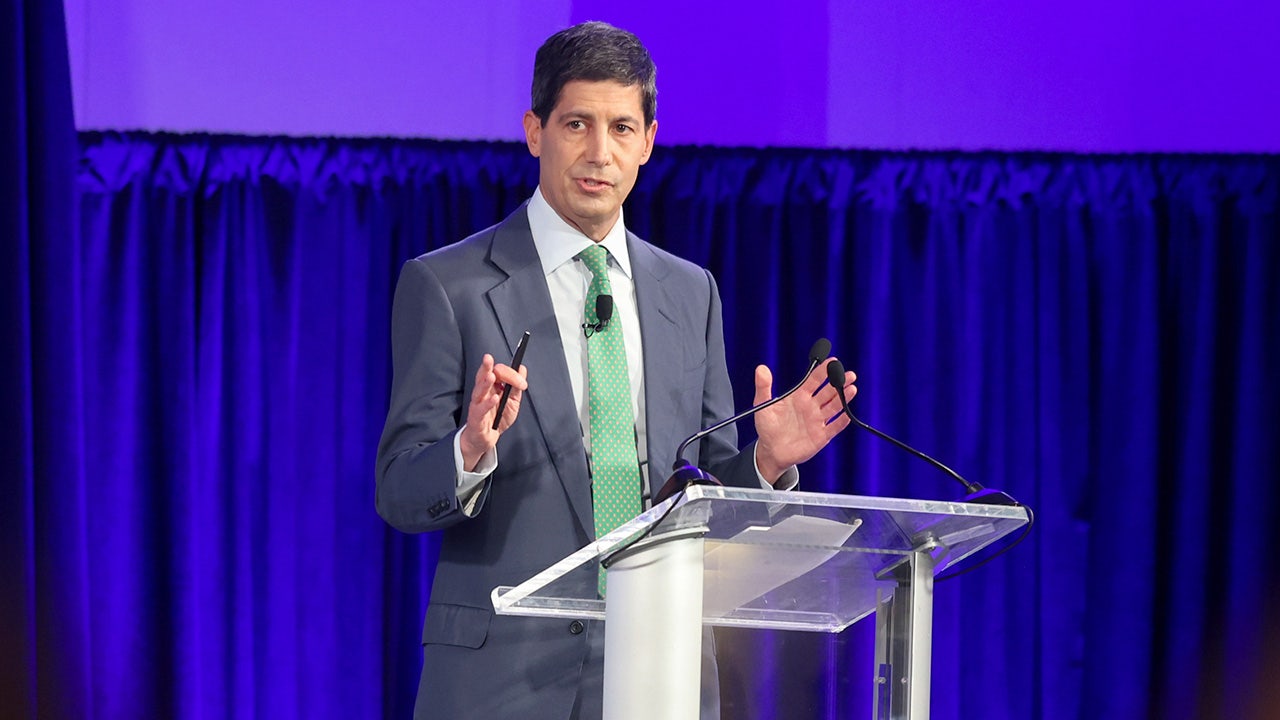
Eminence Completes Exit from Installed Building Products Following a Year of Strong Performance

Eminence Capital's Sale: Eminence Capital, LP fully exited its position in Installed Building Products by selling 945,101 shares, resulting in a net change of approximately $170.42 million, which accounted for 0% of its 13F assets under management post-sale.
Company Overview: Installed Building Products, Inc. specializes in the installation and distribution of insulation and complementary building products for the U.S. residential and commercial construction markets, operating a vertically integrated business model.
Market Performance: Despite a strong year where Installed Building Products' stock outperformed the S&P 500, Eminence Capital's decision to liquidate its position suggests a strategic shift rather than a response to declining performance.
Future Considerations: The company's ability to continue acquiring local installers and maintain profitability will be crucial for its growth, as investors will be watching how it navigates potential market slowdowns.
Trade with 70% Backtested Accuracy
Analyst Views on GTLB

About GTLB
About the author


GitLab Deepens Integration with AWS to Enhance AI Capabilities

- Seamless Integration: The GitLab Duo Agent Platform can now route inference through Amazon Bedrock models within existing AWS environments without new vendor onboarding or model endpoints, thereby reducing technical integration risks and enhancing operational efficiency for enterprises.
- Cost Optimization: GitLab Credits purchased through the AWS Marketplace count toward existing AWS spending commitments, allowing businesses to expand their AI capabilities without additional financial burdens, thus optimizing resource allocation.
- Self-Hosted Model Access: GitLab's Bring Your Own Model (BYOM) capability enables teams to connect their self-hosted AI Gateway directly to Amazon Bedrock, ensuring that inference traffic and source code remain within the customer's AWS environment, thereby enhancing data security and compliance.
- Governance and Auditing: GitLab's orchestration layer adds workflow-level governance on top of Amazon Bedrock's model-level controls, ensuring compliance and the integrity of audit logs, allowing enterprises to effectively manage the behavior and output of AI agents.

GitLab Co-Founder Sells 116,200 Class A Shares
- Share Sale Details: Sytse Sijbrandij indirectly sold 116,200 Class A common shares through the Sytse Sijbrandij Revocable Trust for approximately $2.41 million, marking a complete divestment of his economic interest in Class A shares, indicating a significant shift in his stake in the company.
- Ownership Structure Change: Post-transaction, Sijbrandij retains 15,134,451 shares of Class B common stock, which are convertible into Class A shares, thus maintaining substantial economic and voting rights, highlighting his ongoing influence in corporate governance despite the sale of A shares.
- Strategic Company Context: GitLab focuses on providing a unified DevOps platform that enhances visibility and control in the software development process; despite uncertainties in the AI sector, the company's expanded collaboration with Alphabet is expected to strengthen its market position and drive future growth.
- Market Reaction and Outlook: While Sijbrandij's share sale may raise concerns among investors, GitLab's strategic investments and partnerships in the AI space are likely to present new growth opportunities, necessitating close monitoring of its performance within the tech stock landscape and future potential.

GitLab Co-Founder Sells 116,200 Shares for $2.41 Million
- Transaction Overview: GitLab co-founder Sytse Sijbrandij reported the indirect sale of 116,200 Class A common shares on April 15, 2026, for approximately $2.41 million, indicating a strategic move to access liquidity.
- Shareholding Changes: Post-transaction, Sijbrandij holds zero direct or indirect Class A shares, as all remaining shares were converted from Class B, demonstrating his continued economic exposure through Class B shares.
- Historical Comparison: The sale of 116,200 shares is below Sijbrandij's historical average of 126,500 shares per transaction, reflecting a declining share base and highlighting market concerns regarding liquidity.
- Strategic Company Impact: Although Sijbrandij stepped down as CEO in December 2024, he retains over 15 million Class B shares, maintaining significant influence in governance, particularly as GitLab expands its AI collaborations, which could enhance its market position.
GitLab 18.11 Launches AI Security Fixes and New CI Agents
- AI Security Fixes Launched: GitLab 18.11 introduces the Agentic SAST Vulnerability Resolution feature, which automatically generates code fix requests for Ultimate customers post-SAST scans, potentially reducing developers' monthly vulnerability remediation time by 11 hours, thereby enhancing productivity and lowering security risks.
- New CI Agents for Rapid Deployment: The newly released CI Expert Agent can automatically generate build-and-test pipelines for teams in minutes, eliminating the need for manual YAML writing, significantly lowering the barrier to first pipeline setup and accelerating software delivery speed and efficiency.
- Predictable AI Spending Controls: GitLab introduces new subscription-level and per-user spending caps, allowing organizations to effectively manage AI expenditures and ensure cost predictability during large-scale deployments of the GitLab Duo Agent Platform, enhancing financial transparency.
- Enhanced Analytical Capabilities: The Data Analyst Agent is now generally available, providing fast answers to natural language questions about software lifecycle data, helping teams monitor key metrics like merge request cycle times and pipeline health in real-time, thus optimizing development processes and decision-making efficiency.

UBS Assigns Neutral Rating to GitLab Amid Mixed Demand Outlook
- Rating Analysis: UBS analyst Radi Sultan assigned a Neutral rating to GitLab after conducting 10 checks, indicating that the company faces a challenging AI narrative and a mixed demand outlook, with limited market interest in its Duo Agent Platform.
- Demand Outlook: While the risk of AI disruption remains high, feedback from checks suggests stable developer seats and low customer appetite for replacing GitLab in the near term, indicating a relatively modest fundamental risk for the company.
- Revenue Projections: UBS supports its revenue growth estimates for GitLab of 17%, 15%, and 14% for FY27-29, respectively, compared to the Street's estimates of 16%, 16%, and 14%, highlighting the company's potential for revenue growth.
- Price Target Adjustment: The analyst lowered GitLab's price target from $44 to $24, reflecting a cautious outlook on the company's future performance, although the current stock price is already under negative sentiment, suggesting limited downside in the short term.

US Stocks Close: S&P 500 Hits All-Time High

- Market Performance: On Wednesday, the S&P 500 rose by 0.80% and the Nasdaq 100 by 1.40%, reaching all-time highs, reflecting investor optimism regarding a potential peace deal in the Middle East, which may boost market confidence.
- Economic Data: The April Empire Manufacturing Survey index increased by 11.2 to 11.0, surpassing expectations and indicating improved economic activity that could support the stock market, while the NAHB housing market index fell to a 7-month low, signaling weakness in the real estate sector.
- Interest Rate Dynamics: The 10-year Treasury yield rose to 4.276% as optimism over the US-Iran ceasefire eased safe-haven demand for Treasuries, potentially leading investors to reassess future rate policies amid mixed economic signals.
- Sector Volatility: Software stocks surged, with Atlassian up over 10%, while industrial stocks fell broadly due to concerns over US metals tariffs, exemplified by Carrier Global's decline of over 9%, highlighting significant sector divergence.
GitLab Deepens Integration with AWS to Enhance AI Capabilities
- Seamless Integration: The GitLab Duo Agent Platform can now route inference through Amazon Bedrock models within existing AWS environments without new vendor onboarding or model endpoints, thereby reducing technical integration risks and enhancing operational efficiency for enterprises.
- Cost Optimization: GitLab Credits purchased through the AWS Marketplace count toward existing AWS spending commitments, allowing businesses to expand their AI capabilities without additional financial burdens, thus optimizing resource allocation.
- Self-Hosted Model Access: GitLab's Bring Your Own Model (BYOM) capability enables teams to connect their self-hosted AI Gateway directly to Amazon Bedrock, ensuring that inference traffic and source code remain within the customer's AWS environment, thereby enhancing data security and compliance.
- Governance and Auditing: GitLab's orchestration layer adds workflow-level governance on top of Amazon Bedrock's model-level controls, ensuring compliance and the integrity of audit logs, allowing enterprises to effectively manage the behavior and output of AI agents.
GitLab Co-Founder Sells 116,200 Class A Shares
- Share Sale Details: Sytse Sijbrandij indirectly sold 116,200 Class A common shares through the Sytse Sijbrandij Revocable Trust for approximately $2.41 million, marking a complete divestment of his economic interest in Class A shares, indicating a significant shift in his stake in the company.
- Ownership Structure Change: Post-transaction, Sijbrandij retains 15,134,451 shares of Class B common stock, which are convertible into Class A shares, thus maintaining substantial economic and voting rights, highlighting his ongoing influence in corporate governance despite the sale of A shares.
- Strategic Company Context: GitLab focuses on providing a unified DevOps platform that enhances visibility and control in the software development process; despite uncertainties in the AI sector, the company's expanded collaboration with Alphabet is expected to strengthen its market position and drive future growth.
- Market Reaction and Outlook: While Sijbrandij's share sale may raise concerns among investors, GitLab's strategic investments and partnerships in the AI space are likely to present new growth opportunities, necessitating close monitoring of its performance within the tech stock landscape and future potential.
GitLab Co-Founder Sells 116,200 Shares for $2.41 Million
- Transaction Overview: GitLab co-founder Sytse Sijbrandij reported the indirect sale of 116,200 Class A common shares on April 15, 2026, for approximately $2.41 million, indicating a strategic move to access liquidity.
- Shareholding Changes: Post-transaction, Sijbrandij holds zero direct or indirect Class A shares, as all remaining shares were converted from Class B, demonstrating his continued economic exposure through Class B shares.
- Historical Comparison: The sale of 116,200 shares is below Sijbrandij's historical average of 126,500 shares per transaction, reflecting a declining share base and highlighting market concerns regarding liquidity.
- Strategic Company Impact: Although Sijbrandij stepped down as CEO in December 2024, he retains over 15 million Class B shares, maintaining significant influence in governance, particularly as GitLab expands its AI collaborations, which could enhance its market position.
GitLab 18.11 Launches AI Security Fixes and New CI Agents
- AI Security Fixes Launched: GitLab 18.11 introduces the Agentic SAST Vulnerability Resolution feature, which automatically generates code fix requests for Ultimate customers post-SAST scans, potentially reducing developers' monthly vulnerability remediation time by 11 hours, thereby enhancing productivity and lowering security risks.
- New CI Agents for Rapid Deployment: The newly released CI Expert Agent can automatically generate build-and-test pipelines for teams in minutes, eliminating the need for manual YAML writing, significantly lowering the barrier to first pipeline setup and accelerating software delivery speed and efficiency.
- Predictable AI Spending Controls: GitLab introduces new subscription-level and per-user spending caps, allowing organizations to effectively manage AI expenditures and ensure cost predictability during large-scale deployments of the GitLab Duo Agent Platform, enhancing financial transparency.
- Enhanced Analytical Capabilities: The Data Analyst Agent is now generally available, providing fast answers to natural language questions about software lifecycle data, helping teams monitor key metrics like merge request cycle times and pipeline health in real-time, thus optimizing development processes and decision-making efficiency.
UBS Assigns Neutral Rating to GitLab Amid Mixed Demand Outlook
- Rating Analysis: UBS analyst Radi Sultan assigned a Neutral rating to GitLab after conducting 10 checks, indicating that the company faces a challenging AI narrative and a mixed demand outlook, with limited market interest in its Duo Agent Platform.
- Demand Outlook: While the risk of AI disruption remains high, feedback from checks suggests stable developer seats and low customer appetite for replacing GitLab in the near term, indicating a relatively modest fundamental risk for the company.
- Revenue Projections: UBS supports its revenue growth estimates for GitLab of 17%, 15%, and 14% for FY27-29, respectively, compared to the Street's estimates of 16%, 16%, and 14%, highlighting the company's potential for revenue growth.
- Price Target Adjustment: The analyst lowered GitLab's price target from $44 to $24, reflecting a cautious outlook on the company's future performance, although the current stock price is already under negative sentiment, suggesting limited downside in the short term.
US Stocks Close: S&P 500 Hits All-Time High
- Market Performance: On Wednesday, the S&P 500 rose by 0.80% and the Nasdaq 100 by 1.40%, reaching all-time highs, reflecting investor optimism regarding a potential peace deal in the Middle East, which may boost market confidence.
- Economic Data: The April Empire Manufacturing Survey index increased by 11.2 to 11.0, surpassing expectations and indicating improved economic activity that could support the stock market, while the NAHB housing market index fell to a 7-month low, signaling weakness in the real estate sector.
- Interest Rate Dynamics: The 10-year Treasury yield rose to 4.276% as optimism over the US-Iran ceasefire eased safe-haven demand for Treasuries, potentially leading investors to reassess future rate policies amid mixed economic signals.
- Sector Volatility: Software stocks surged, with Atlassian up over 10%, while industrial stocks fell broadly due to concerns over US metals tariffs, exemplified by Carrier Global's decline of over 9%, highlighting significant sector divergence.