Emerging Markets Set to Excel: Three Stocks for Growth and Value in 2026


Emerging Market Growth: Emerging and developing economies are projected to grow by 4.2% in 2025, significantly outpacing the 1.6% growth expected for advanced economies, with EMs now accounting for over 50% of global GDP.
Equity Market Performance: Emerging-market equities are expected to outperform developed-market equities for the first time since 2020, aided by favorable economic conditions and a significant valuation discount of approximately 35% compared to developed markets.
Key Emerging Market Stocks: Notable stocks such as ICICI Bank, Taiwan Semiconductor, and MercadoLibre are highlighted as strong performers, benefiting from structural tailwinds and expected to show robust growth into 2026.
Monetary Policy and Manufacturing Growth: Easing monetary policies in emerging markets are fostering credit growth and supporting manufacturing activity, with countries like India attracting significant foreign investment and experiencing a surge in mobile phone exports.
Trade with 70% Backtested Accuracy
Analyst Views on TSM

About TSM
About the author


SpaceX Stock Surges to $2.5 Trillion Valuation

- Market Valuation Surge: SpaceX achieved a market valuation exceeding $2.5 trillion on its second trading day, becoming the sixth most valuable company globally, surpassing Taiwan Semiconductor, which reflects strong market performance and investor confidence.
- Revenue Targets: Despite generating only $18.67 billion in revenue and reporting a net loss of $4.94 billion in 2025, SpaceX's valuation is heavily reliant on its growth potential, particularly in artificial intelligence and orbital data centers, indicating a strategic focus on future innovations.
- Stock Float Dynamics: By selling 555 million shares at $135 each, SpaceX raised $75 billion, with the float representing just 5% of its total market cap; early investors may sell up to 20% of their holdings post-earnings report, which could significantly impact stock price volatility.
- Future Projections: Morgan Stanley forecasts SpaceX's revenue could reach $330 billion by 2030, with $190 billion from AI, while CEO Elon Musk aims for $1 trillion in revenue by 2031, highlighting the company's ambitious growth strategy and the importance of successful execution in achieving these targets.

Semiconductor Stocks Soar, Yet Four Remain Undervalued


- Market Performance Analysis: As of the afternoon of June 17, 2026, semiconductor stocks have shown strong performance, indicating signs of industry recovery; however, some stocks remain undervalued, presenting investment opportunities.
- Undervalued Stocks Identification: Among numerous semiconductor companies, analysts have identified four stocks whose valuations do not reflect their potential growth, potentially offering higher return prospects for investors.
- Timing the Investment: With the continued growth in semiconductor demand, investors should focus on these undervalued stocks to achieve better returns as the market rebounds.
- Industry Outlook: Despite the overall strong market performance, it is essential to carefully assess the fundamentals of individual stocks to ensure the rationality and effectiveness of investment decisions.
Overview of Recent Insider Trading Activities

- American Express Executive Sells Shares: Glenda McNeal, Chief Partner Officer at American Express, sold 7,033 shares at $339.36 each between June 15 and 19, totaling approximately $2.39 million, reducing her holdings by 42% to 9,715 shares, indicating a cautious outlook on the company's future.
- Dell Executive's Significant Sale: Richard Rothberg, General Counsel at Dell Technologies, disposed of 20,000 shares at $410 each, generating $8.20 million, which accounted for about 12.31% of his holdings, reducing his stake to 142,415 shares, reflecting a strategic response to market volatility.
- Broadcom Legal Executive's Transactions: Mark Brazeal, Chief Legal & Corporate Affairs Officer at Broadcom, sold 8,152 shares across several transactions for a total of $3.18 million, representing about 2.93% of his holdings, leaving him with 269,989 shares, suggesting a short-term perspective on the stock price.
- SoFi CEO Increases Holdings: Anthony Noto, CEO of SoFi Technologies, purchased 13,888 shares at $18.06 each for approximately $250,787, raising his total holdings to 11.96 million shares, demonstrating confidence in the company's long-term growth potential.

Analysis of International Stock Investment Opportunities

- Valuation Gap: Over the past decade, the S&P 500 has returned approximately 314%, while the Vanguard Total International Stock ETF has only achieved 145%, indicating a significant valuation gap that may present a compelling entry point for investors.
- ETF Investment Benefits: The Vanguard Total International Stock ETF boasts over 8,700 stocks across developed and emerging markets, with an expense ratio of just 0.05%, meaning investors pay only $0.50 annually for every $1,000 invested, greatly reducing investment costs.
- Market Performance Comparison: The average price-to-book ratio for S&P 500 stocks is 5.5 times, while the international ETF averages just 2.3 times, highlighting the relative affordability of international stocks, which may attract value-seeking investors.
- Future Investment Confidence: Although international stocks have underperformed over the past decade, the risk-reward dynamics of investing in the Vanguard Total International Stock ETF appear more attractive in today's overvalued market, with expectations for better returns by 2026.

Vanguard Total International Stock ETF Valuation Gap Widens
- Underperformance of International Stocks: Over the past decade, international stocks have significantly underperformed U.S. stocks, with the S&P 500 generating total returns of approximately 314% compared to just 145% for the Vanguard Total International Stock ETF, indicating potential undervaluation in the international market.
- Widening Valuation Gap: The average price-to-book ratio for the S&P 500 is about 5.5 times, while the international ETF trades at just 2.3 times, highlighting a significant valuation disparity that could present an attractive opportunity for investors.
- Low Expense Advantage: The Vanguard Total International Stock ETF boasts a rock-bottom expense ratio of only 0.05%, meaning investors pay just $0.50 annually for every $1,000 invested, making it an ideal choice for low-cost exposure to international markets.
- Future Investment Potential: Despite the underperformance of international stocks over the past decade, the risk-reward dynamics of investing in a broad international ETF may be more appealing in today's high-valuation market environment, especially for those seeking portfolio diversification.
Intel's Optimistic AI Turnaround Prospects

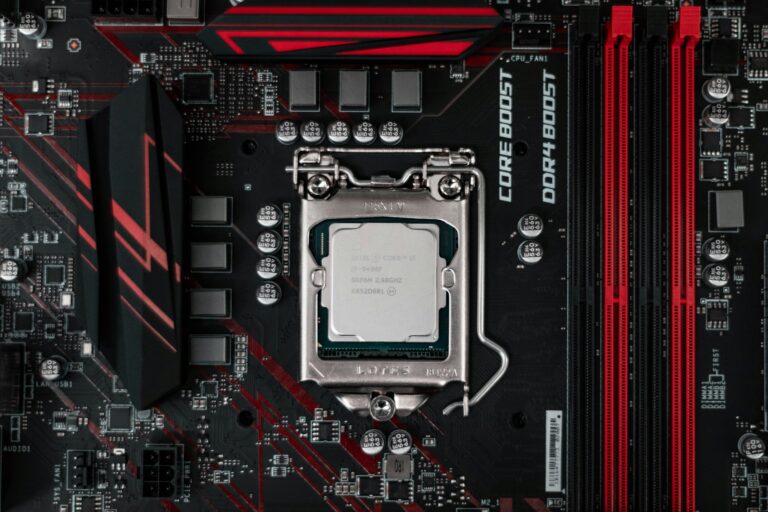
- AI Infrastructure Demand: Cramer suggests that future AI systems may require four CPUs for every GPU, significantly increasing demand for Intel's core products, which could drive a recovery in the company's performance.
- Market Focus Shift: While the market primarily focuses on Nvidia's GPUs, Cramer points out that investors are overlooking the critical role of CPUs in the AI ecosystem, potentially giving Intel an unexpected competitive edge.
- Management Transformation: Since Lip-Bu Tan became CEO in March 2025, Intel's stock has surged, reflecting growing market confidence in the company's ability to regain competitiveness in chip design and manufacturing, indicating positive signs of its turnaround.
- Foundry Business Expansion: Intel is ramping up investments in its foundry business to meet the rising demand for non-offshore semiconductor manufacturing, particularly amid geopolitical tensions, which will strengthen its market position and drive long-term growth.
SpaceX Stock Surges to $2.5 Trillion Valuation
- Market Valuation Surge: SpaceX achieved a market valuation exceeding $2.5 trillion on its second trading day, becoming the sixth most valuable company globally, surpassing Taiwan Semiconductor, which reflects strong market performance and investor confidence.
- Revenue Targets: Despite generating only $18.67 billion in revenue and reporting a net loss of $4.94 billion in 2025, SpaceX's valuation is heavily reliant on its growth potential, particularly in artificial intelligence and orbital data centers, indicating a strategic focus on future innovations.
- Stock Float Dynamics: By selling 555 million shares at $135 each, SpaceX raised $75 billion, with the float representing just 5% of its total market cap; early investors may sell up to 20% of their holdings post-earnings report, which could significantly impact stock price volatility.
- Future Projections: Morgan Stanley forecasts SpaceX's revenue could reach $330 billion by 2030, with $190 billion from AI, while CEO Elon Musk aims for $1 trillion in revenue by 2031, highlighting the company's ambitious growth strategy and the importance of successful execution in achieving these targets.
Semiconductor Stocks Soar, Yet Four Remain Undervalued
- Market Performance Analysis: As of the afternoon of June 17, 2026, semiconductor stocks have shown strong performance, indicating signs of industry recovery; however, some stocks remain undervalued, presenting investment opportunities.
- Undervalued Stocks Identification: Among numerous semiconductor companies, analysts have identified four stocks whose valuations do not reflect their potential growth, potentially offering higher return prospects for investors.
- Timing the Investment: With the continued growth in semiconductor demand, investors should focus on these undervalued stocks to achieve better returns as the market rebounds.
- Industry Outlook: Despite the overall strong market performance, it is essential to carefully assess the fundamentals of individual stocks to ensure the rationality and effectiveness of investment decisions.
Overview of Recent Insider Trading Activities
- American Express Executive Sells Shares: Glenda McNeal, Chief Partner Officer at American Express, sold 7,033 shares at $339.36 each between June 15 and 19, totaling approximately $2.39 million, reducing her holdings by 42% to 9,715 shares, indicating a cautious outlook on the company's future.
- Dell Executive's Significant Sale: Richard Rothberg, General Counsel at Dell Technologies, disposed of 20,000 shares at $410 each, generating $8.20 million, which accounted for about 12.31% of his holdings, reducing his stake to 142,415 shares, reflecting a strategic response to market volatility.
- Broadcom Legal Executive's Transactions: Mark Brazeal, Chief Legal & Corporate Affairs Officer at Broadcom, sold 8,152 shares across several transactions for a total of $3.18 million, representing about 2.93% of his holdings, leaving him with 269,989 shares, suggesting a short-term perspective on the stock price.
- SoFi CEO Increases Holdings: Anthony Noto, CEO of SoFi Technologies, purchased 13,888 shares at $18.06 each for approximately $250,787, raising his total holdings to 11.96 million shares, demonstrating confidence in the company's long-term growth potential.
Analysis of International Stock Investment Opportunities
- Valuation Gap: Over the past decade, the S&P 500 has returned approximately 314%, while the Vanguard Total International Stock ETF has only achieved 145%, indicating a significant valuation gap that may present a compelling entry point for investors.
- ETF Investment Benefits: The Vanguard Total International Stock ETF boasts over 8,700 stocks across developed and emerging markets, with an expense ratio of just 0.05%, meaning investors pay only $0.50 annually for every $1,000 invested, greatly reducing investment costs.
- Market Performance Comparison: The average price-to-book ratio for S&P 500 stocks is 5.5 times, while the international ETF averages just 2.3 times, highlighting the relative affordability of international stocks, which may attract value-seeking investors.
- Future Investment Confidence: Although international stocks have underperformed over the past decade, the risk-reward dynamics of investing in the Vanguard Total International Stock ETF appear more attractive in today's overvalued market, with expectations for better returns by 2026.
Vanguard Total International Stock ETF Valuation Gap Widens
- Underperformance of International Stocks: Over the past decade, international stocks have significantly underperformed U.S. stocks, with the S&P 500 generating total returns of approximately 314% compared to just 145% for the Vanguard Total International Stock ETF, indicating potential undervaluation in the international market.
- Widening Valuation Gap: The average price-to-book ratio for the S&P 500 is about 5.5 times, while the international ETF trades at just 2.3 times, highlighting a significant valuation disparity that could present an attractive opportunity for investors.
- Low Expense Advantage: The Vanguard Total International Stock ETF boasts a rock-bottom expense ratio of only 0.05%, meaning investors pay just $0.50 annually for every $1,000 invested, making it an ideal choice for low-cost exposure to international markets.
- Future Investment Potential: Despite the underperformance of international stocks over the past decade, the risk-reward dynamics of investing in a broad international ETF may be more appealing in today's high-valuation market environment, especially for those seeking portfolio diversification.
Intel's Optimistic AI Turnaround Prospects
- AI Infrastructure Demand: Cramer suggests that future AI systems may require four CPUs for every GPU, significantly increasing demand for Intel's core products, which could drive a recovery in the company's performance.
- Market Focus Shift: While the market primarily focuses on Nvidia's GPUs, Cramer points out that investors are overlooking the critical role of CPUs in the AI ecosystem, potentially giving Intel an unexpected competitive edge.
- Management Transformation: Since Lip-Bu Tan became CEO in March 2025, Intel's stock has surged, reflecting growing market confidence in the company's ability to regain competitiveness in chip design and manufacturing, indicating positive signs of its turnaround.
- Foundry Business Expansion: Intel is ramping up investments in its foundry business to meet the rising demand for non-offshore semiconductor manufacturing, particularly amid geopolitical tensions, which will strengthen its market position and drive long-term growth.