Eli Lilly's Leadership in the Weight Loss Market
Written by Emily J. Thompson, Senior Investment Analyst
Updated: Apr 28 2026
0mins
Source: NASDAQ.COM
- Weight Loss Market Growth: Eli Lilly's anti-obesity drug Zepbound is experiencing rapid sales growth, underscoring the company's leadership in the weight loss market, which is expected to drive overall revenue growth and enhance competitive positioning.
- Diverse Product Line: Eli Lilly achieved $5.7 billion in sales for its cancer treatment Verzenio, an 8% year-over-year increase, while immunosuppressant Taltz reached $3.6 billion, demonstrating its strong capabilities across multiple therapeutic areas that help mitigate market competition.
- Strategic Acquisition: Eli Lilly's acquisition of Kelonia Therapeutics for $3.25 billion grants access to an innovative gene therapy platform, expected to improve cancer treatment outcomes and further strengthen its competitive edge in genetic medicine.
- Future Growth Potential: Analysts expect Eli Lilly's new drugs Ebglyss, Jaypirca, and Kisunla to generate over $1 billion in annual sales, showcasing the company's ongoing innovation and growth potential across various fields.
Trade with 70% Backtested Accuracy
Stop guessing "Should I Buy LLY?" and start using high-conviction signals backed by rigorous historical data.
Sign up today to access powerful investing tools and make smarter, data-driven decisions.
Analyst Views on LLY
Wall Street analysts forecast LLY stock price to fall
20 Analyst Rating
18 Buy
2 Hold
0 Sell
Strong Buy
Current: 1200.060

Low
950.00
Averages
1192
High
1500
Current: 1200.060
Low
950.00
Averages
1192
High
1500
About LLY
Eli Lilly and Company is a medicine company, which discovers, develops, manufactures, and market products in a single business segment called human pharmaceutical products. The Company manufacture and distribute its products through facilities in the United States, including Puerto Rico, and in Europe and Asia. The Company’s products are sold in approximately 90 countries. Its Cardiometabolic Health products Basaglar; Humalog, Humalog Mix 75/25, Humalog U-100, Humalog U-200, Humalog Mix 50/50, insulin lispro, and others; Humulin, Humulin 70/30, and others; Jardiance; Mounjaro; Trulicity; Zepbound, and others. Its oncology products include Cyramza, Erbitux, Tyvyt, Verzenio, Retevmo, Jaypirca, and others. Its immunology products include Ebglyss, Olumiant, Omvoh, and Taltz. Its neuroscience products include Emgality and Kisunla. Its LillyDirect, a direct-to-patient digital health care platform, provides delivery of select Lilly medicines dispensed by third-party pharmacies to patients.
About the author

Emily J. Thompson
Emily J. Thompson, a Chartered Financial Analyst (CFA) with 12 years in investment research, graduated with honors from the Wharton School. Specializing in industrial and technology stocks, she provides in-depth analysis for Intellectia’s earnings and market brief reports.

Eli Lilly's Stock Soars to All-Time High Amid GLP-1 Drug Success
- Significant Stock Surge: Eli Lilly's stock has skyrocketed from around $850 in late April to over $1,200, marking a more than 40% increase, which not only sets a new 52-week high but also an all-time high, reflecting strong market confidence in its growth potential.
- Market Capital Recovery: The surge in stock price has propelled Eli Lilly's market capitalization back above the $1 trillion mark, indicating optimistic investor expectations for its future performance and further solidifying its leadership position in the pharmaceutical industry.
- Remarkable Earnings Growth: The company reported a staggering 56% growth rate in the first quarter, the highest in the past decade, primarily driven by the successful rollout of its GLP-1 drugs, Mounjaro and Zepbound, showcasing its robust performance in the new drug market.
- Optimistic Future Outlook: Despite the high current stock price, Eli Lilly is still considered a quality investment, with analysts projecting continued growth in profitability, prompting investors to carefully consider a long-term holding strategy to navigate potential market fluctuations.
See More

Eli Lilly's Promising Future in Obesity Drug Market
- Market Growth Potential: Research from Morgan Stanley estimates that the obesity drug market will surge from approximately $15 billion in 2024 to $150 billion by 2035, indicating strong growth potential for Eli Lilly over the next decade.
- New Drug Launch Impact: Eli Lilly launched its first oral obesity drug, Foundayo, in the U.S. in April 2023, becoming the second oral medication on the market, which is expected to attract more patients and further increase the company's market share in obesity treatments.
- Clinical Trial Results: Eli Lilly's Retatrutide, a next-generation subcutaneous triple-receptor agonist currently in late-stage clinical trials, has shown strong weight-loss results, and if approved, could lead to significant sales growth for the company.
- Earnings Expectations: Analysts project Eli Lilly's earnings will grow at an average rate of 22% annually over the next three to five years, and even with a conservative estimate of 15%, the earnings per share could reach $35.60 by 2036, suggesting a potential stock price increase of 158%, providing substantial returns for investors.
See More

Eli Lilly Shares Reach All-Time High Following Analyst Upgrade

- Analyst Upgrade: JPMorgan analyst Chris Schott reiterated his overweight rating on Eli Lilly and raised the price target from $1,300 to $1,400, indicating strong confidence in the company's future growth prospects.
- Potential Return Outlook: With the new price target, investors buying Eli Lilly shares now could see potential returns exceeding 13%, which is likely to attract more investor interest in the stock.
- Market Capitalization Surge: Eli Lilly's market cap has surpassed $1.1 trillion, primarily driven by the success of its GLP-1 drugs, Mounjaro and Zepbound, establishing a solid foundation for the company's future profitability.
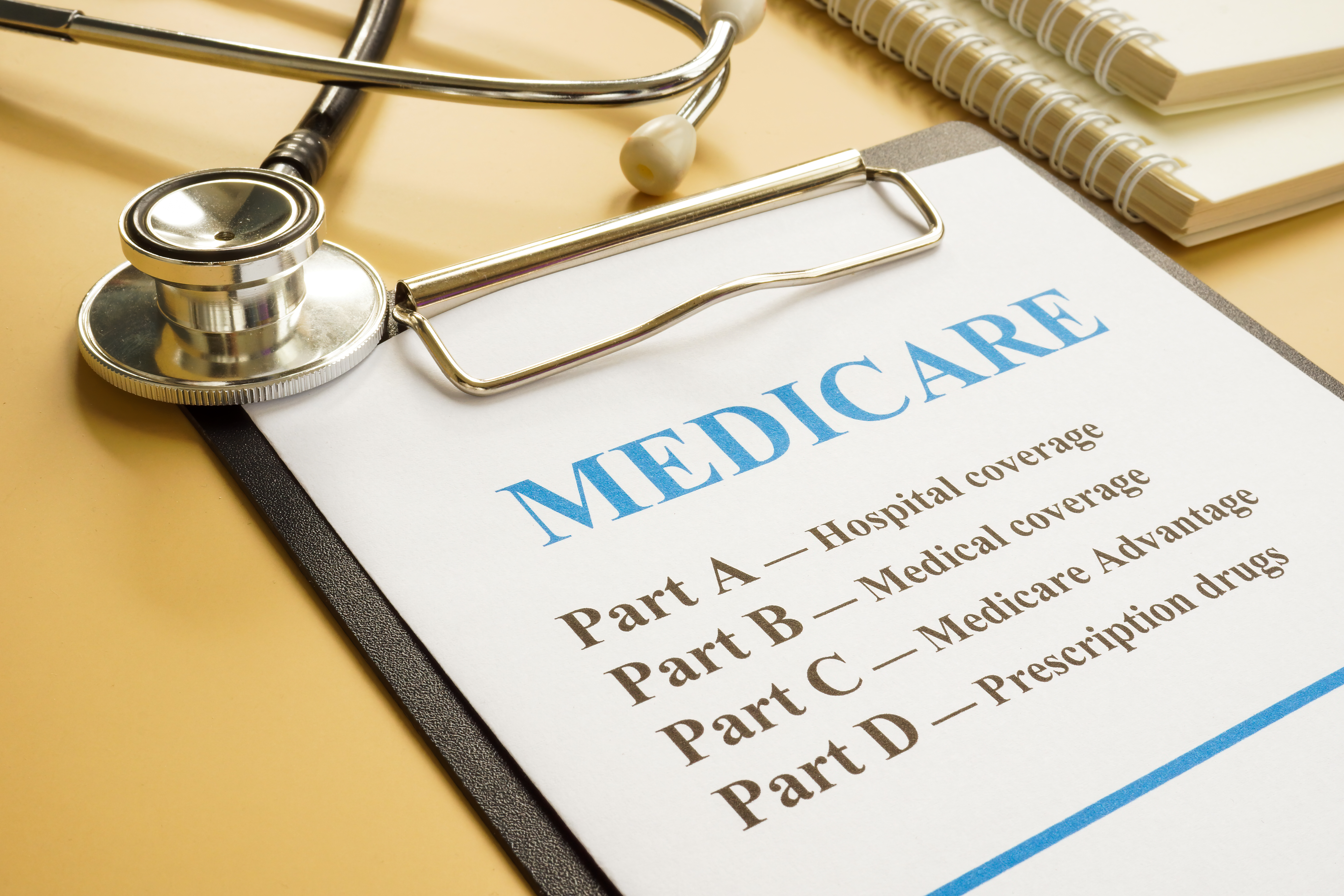
- Obesity Drug Market Expansion: The introduction of the new GLP-1 Bridge program is expected to make Zepbound and Foundayo available to 20 million eligible Medicare patients at a low cost of $50 per month, further driving Eli Lilly's sales and profit growth.
See More

Eli Lilly Shareholders Set for More Gains as Analyst Raises Price Target
- Price Target Increase: JPMorgan analyst Chris Schott maintains an overweight rating on Eli Lilly, raising the price target from $1,300 to $1,400, indicating over 13% potential returns for investors buying now.
- Market Capitalization Growth: Eli Lilly's market cap has surpassed $1.1 trillion, driven by the blockbuster success of its GLP-1 drugs, Mounjaro and Zepbound, establishing a solid foundation for future profitability.
- Obesity Drug Market Expansion: With the new GLP-1 Bridge program reducing Zepbound and Foundayo's monthly costs to $50, an estimated 20 million Medicare patients may qualify, further driving Eli Lilly's sales and profit growth.
- Optimistic Earnings Forecast: Analysts predict Eli Lilly will exceed consensus estimates in its upcoming second-quarter financial results on August 5, showcasing the company's strong performance in the rapidly growing obesity treatment market.
See More

Nasdaq Leads Market Down as Samsung Earnings Hit AI Stocks
- Market Movement: The Nasdaq index fell on Tuesday, primarily driven by Samsung's earnings report, which revealed a decline in profits, leading to weakened investor confidence in AI-related stocks and triggering an overall market pullback.
- Samsung Earnings Impact: Samsung's reported significant profit drop directly affected market expectations for AI companies, particularly those reliant on semiconductor and tech products, potentially leading to further declines in related stocks.
- Oil Price Fluctuations: Oil prices surged due to escalating tensions between the U.S. and Iran, which could positively impact energy stocks while also raising inflation concerns that may affect the overall economic outlook.
- Investor Sentiment: Market expectations for future economic growth have become more cautious, especially with pressure on tech stocks, prompting investors to reassess their portfolios in response to potential market volatility.
See More

Surging Demand for GLP-1 Drugs Benefits Medical Device Companies

- Market Demand Surge: The demand for GLP-1 drugs is rapidly increasing, with companies like Eli Lilly and Novo Nordisk leading the market, although intensifying competition may lead to declining market share and pricing power.
- Becton, Dickinson Expansion Investment: Becton, Dickinson announced a $110 million investment to expand production capacity for injectable drugs to meet the soaring demand for GLP-1 medications, which is expected to enhance its competitiveness in the medical device market.
- Abbott Laboratories Growth Potential: Despite the rise of GLP-1 drugs, demand for Abbott's continuous glucose monitoring device, FreeStyle Libre, remains strong, and the combined use with GLP-1 medications may drive higher adoption rates for CGM devices.
- Stable Dividend Returns: Both Becton, Dickinson and Abbott Laboratories are Dividend Kings, having raised dividends for 54 consecutive years, demonstrating their stable revenue and profitability, which attracts long-term investors.
See More
Eli Lilly's Stock Soars to All-Time High Amid GLP-1 Drug Success
- Significant Stock Surge: Eli Lilly's stock has skyrocketed from around $850 in late April to over $1,200, marking a more than 40% increase, which not only sets a new 52-week high but also an all-time high, reflecting strong market confidence in its growth potential.
- Market Capital Recovery: The surge in stock price has propelled Eli Lilly's market capitalization back above the $1 trillion mark, indicating optimistic investor expectations for its future performance and further solidifying its leadership position in the pharmaceutical industry.
- Remarkable Earnings Growth: The company reported a staggering 56% growth rate in the first quarter, the highest in the past decade, primarily driven by the successful rollout of its GLP-1 drugs, Mounjaro and Zepbound, showcasing its robust performance in the new drug market.
- Optimistic Future Outlook: Despite the high current stock price, Eli Lilly is still considered a quality investment, with analysts projecting continued growth in profitability, prompting investors to carefully consider a long-term holding strategy to navigate potential market fluctuations.
See More
Eli Lilly's Promising Future in Obesity Drug Market
- Market Growth Potential: Research from Morgan Stanley estimates that the obesity drug market will surge from approximately $15 billion in 2024 to $150 billion by 2035, indicating strong growth potential for Eli Lilly over the next decade.
- New Drug Launch Impact: Eli Lilly launched its first oral obesity drug, Foundayo, in the U.S. in April 2023, becoming the second oral medication on the market, which is expected to attract more patients and further increase the company's market share in obesity treatments.
- Clinical Trial Results: Eli Lilly's Retatrutide, a next-generation subcutaneous triple-receptor agonist currently in late-stage clinical trials, has shown strong weight-loss results, and if approved, could lead to significant sales growth for the company.
- Earnings Expectations: Analysts project Eli Lilly's earnings will grow at an average rate of 22% annually over the next three to five years, and even with a conservative estimate of 15%, the earnings per share could reach $35.60 by 2036, suggesting a potential stock price increase of 158%, providing substantial returns for investors.
See More
Eli Lilly Shares Reach All-Time High Following Analyst Upgrade
- Analyst Upgrade: JPMorgan analyst Chris Schott reiterated his overweight rating on Eli Lilly and raised the price target from $1,300 to $1,400, indicating strong confidence in the company's future growth prospects.
- Potential Return Outlook: With the new price target, investors buying Eli Lilly shares now could see potential returns exceeding 13%, which is likely to attract more investor interest in the stock.
- Market Capitalization Surge: Eli Lilly's market cap has surpassed $1.1 trillion, primarily driven by the success of its GLP-1 drugs, Mounjaro and Zepbound, establishing a solid foundation for the company's future profitability.
- Obesity Drug Market Expansion: The introduction of the new GLP-1 Bridge program is expected to make Zepbound and Foundayo available to 20 million eligible Medicare patients at a low cost of $50 per month, further driving Eli Lilly's sales and profit growth.
See More
Eli Lilly Shareholders Set for More Gains as Analyst Raises Price Target
- Price Target Increase: JPMorgan analyst Chris Schott maintains an overweight rating on Eli Lilly, raising the price target from $1,300 to $1,400, indicating over 13% potential returns for investors buying now.
- Market Capitalization Growth: Eli Lilly's market cap has surpassed $1.1 trillion, driven by the blockbuster success of its GLP-1 drugs, Mounjaro and Zepbound, establishing a solid foundation for future profitability.
- Obesity Drug Market Expansion: With the new GLP-1 Bridge program reducing Zepbound and Foundayo's monthly costs to $50, an estimated 20 million Medicare patients may qualify, further driving Eli Lilly's sales and profit growth.
- Optimistic Earnings Forecast: Analysts predict Eli Lilly will exceed consensus estimates in its upcoming second-quarter financial results on August 5, showcasing the company's strong performance in the rapidly growing obesity treatment market.
See More
Nasdaq Leads Market Down as Samsung Earnings Hit AI Stocks
- Market Movement: The Nasdaq index fell on Tuesday, primarily driven by Samsung's earnings report, which revealed a decline in profits, leading to weakened investor confidence in AI-related stocks and triggering an overall market pullback.
- Samsung Earnings Impact: Samsung's reported significant profit drop directly affected market expectations for AI companies, particularly those reliant on semiconductor and tech products, potentially leading to further declines in related stocks.
- Oil Price Fluctuations: Oil prices surged due to escalating tensions between the U.S. and Iran, which could positively impact energy stocks while also raising inflation concerns that may affect the overall economic outlook.
- Investor Sentiment: Market expectations for future economic growth have become more cautious, especially with pressure on tech stocks, prompting investors to reassess their portfolios in response to potential market volatility.
See More
Surging Demand for GLP-1 Drugs Benefits Medical Device Companies
- Market Demand Surge: The demand for GLP-1 drugs is rapidly increasing, with companies like Eli Lilly and Novo Nordisk leading the market, although intensifying competition may lead to declining market share and pricing power.
- Becton, Dickinson Expansion Investment: Becton, Dickinson announced a $110 million investment to expand production capacity for injectable drugs to meet the soaring demand for GLP-1 medications, which is expected to enhance its competitiveness in the medical device market.
- Abbott Laboratories Growth Potential: Despite the rise of GLP-1 drugs, demand for Abbott's continuous glucose monitoring device, FreeStyle Libre, remains strong, and the combined use with GLP-1 medications may drive higher adoption rates for CGM devices.
- Stable Dividend Returns: Both Becton, Dickinson and Abbott Laboratories are Dividend Kings, having raised dividends for 54 consecutive years, demonstrating their stable revenue and profitability, which attracts long-term investors.
See More