Deutsche Bank Faces Indirect Credit Risks Amid Market Pressures
Written by Emily J. Thompson, Senior Investment Analyst
Updated: Mar 12 2026
0mins
Should l Buy DB?
Source: seekingalpha
- Stock Decline: Deutsche Bank's shares fell 4.31% to $30.17 in Thursday's pre-market trading, reflecting market concerns over potential credit risks, particularly amid pressures from non-bank financial institutions.
- Credit Risk Assessment: While Deutsche Bank claims no significant direct exposure to non-bank financial institutions, it faces indirect risks that could affect its portfolio quality through interconnected portfolios and counterparties, potentially leading to higher credit losses.
- Liquidity and Capital Pressures: The bank is experiencing increased capital and liquidity demands as clients draw down on funding lines, which could impact its overall financial stability in the context of rising interest rates and subdued investor sentiment.
- Conservative Underwriting Standards: Deutsche Bank employs conservative underwriting standards in its private credit portfolio, ensuring thorough assessments of sponsor quality and structural features to mitigate risks and maintain portfolio diversity and stability.
Trade with 70% Backtested Accuracy
Stop guessing "Should I Buy DB?" and start using high-conviction signals backed by rigorous historical data.
Sign up today to access powerful investing tools and make smarter, data-driven decisions.
Analyst Views on DB
Wall Street analysts forecast DB stock price to rise
13 Analyst Rating
7 Buy
5 Hold
1 Sell
Moderate Buy
Current: 31.730

Low
36.55
Averages
43.20
High
47.63
Current: 31.730
Low
36.55
Averages
43.20
High
47.63
About DB
Deutsche Bank Aktiengesellschaft is a bank and holding company for its subsidiaries. The Company offers a range of services such as investment, financial and related products and services to private individuals, corporate entities, and institutional clients. It operates through four business divisions: Corporate Bank, Investment Bank, Private Bank and Asset Management. The Corporate Bank division serves corporate clients and financial institutions, offering cash management, trade finance, lending, foreign exchange, trust and agency services, correspondent banking, and securities services. The Investment Bank division includes Fixed Income & Currencies (FIC) Sales & Trading, Origination & Advisory, and Deutsche Bank Research. The Private Bank division focuses on personal and private clients, wealthy individuals, entrepreneurs and families. The Asset Management division operates under the brand DWS, and it serves a diverse client base of retail and institutional investors worldwide.
About the author

Emily J. Thompson
Emily J. Thompson, a Chartered Financial Analyst (CFA) with 12 years in investment research, graduated with honors from the Wharton School. Specializing in industrial and technology stocks, she provides in-depth analysis for Intellectia’s earnings and market brief reports.

UK Fiscal Discipline Under Threat as Political Uncertainty Grows

- Political Uncertainty Intensifies: As challenges to Keir Starmer's leadership from within the Labour Party escalate, investor confidence in UK gilts and sterling has waned, leading the pound to drop to a one-month low against the dollar at $1.3363, reflecting market anxiety over future policies.
- Borrowing Plans Raise Concerns: Andy Burnham's candidacy in the upcoming by-election could propel him to Labour leadership, raising fears that his proposed £40 billion in additional borrowing for housing and infrastructure could break current fiscal restraints, further unsettling the market.
- Rising Poll Support: Recent polling indicates that 61% of Labour members support Burnham compared to 28% for Starmer, highlighting a significant shift in party leadership dynamics that could lead to a leftward policy shift, impacting market confidence.
- Increased Market Risk Premium: Analysts suggest that a Burnham-led Labour government may result in more spending and borrowing, with UK financial assets and sterling likely facing an elevated political risk premium for an extended period, influencing investor decisions.
See More

Market Resilience and Future Outlook
- Market Performance Review: Since the pandemic, the S&P 500 has rebounded 235% from its March 2020 low, despite a 25.4% bear market drawdown in 2022, demonstrating market resilience and investor confidence.
- Earnings Growth Forecast: Renowned economist Ed Yardeni raised his year-end price target for the S&P 500 from 7,700 to 8,250, projecting 2023 earnings per share at $330, reflecting his optimistic outlook on future economic growth.
- Market Risk Warning: Michael Burry expressed concerns over AI exuberance, suggesting that the Nasdaq 100 is overvalued with a potential price-to-earnings ratio closer to 43 times, significantly above Wall Street analysts' 30 times estimate, indicating potential market correction risks.
- Investor Strategy Advice: In an uncertain market environment, investors should adjust based on their investment goals and timelines, with long-term investors advised to maintain current holdings while short-term funds should remain in cash to navigate market volatility.
See More

Inflation Soars to Highest Level in Nearly Three Years

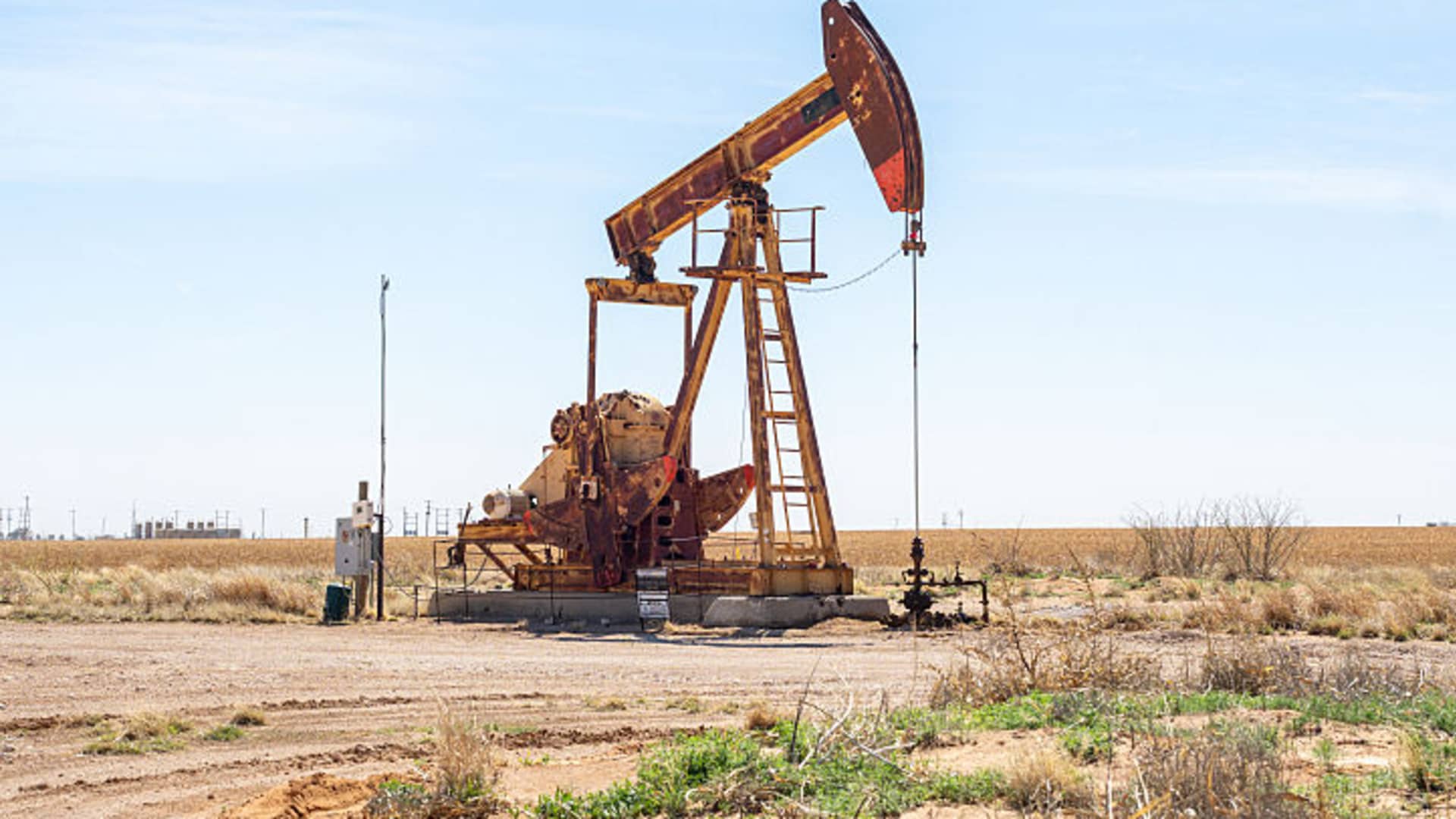
- Oil Price Surge Impacts Inflation: The consumer price index rose 3.8% year-over-year in April, up from 3.3% in March, driven by soaring oil prices due to the Iran conflict, which will exacerbate financial pressures on households, indicating ongoing challenges in the coming months.
- Gas and Food Price Increases: Gas prices have surged approximately 50% since the war began on February 28, currently averaging $4.50 per gallon, up from $3.14 a year ago, while food prices have also risen by 3.2%, further constraining household budgets.
- Rising Airline Fares: Airline fares increased by 20.7% over the past 12 months according to CPI data, illustrating how the sharp rise in fuel costs is being directly passed on to consumers, significantly raising travel expenses and potentially affecting travel demand.
- Fed Under Pressure: The latest inflation data places greater pressure on the Federal Reserve regarding interest rate policy, with expectations that there will be no rate cuts this year, as inflation remains around 4%, impacting consumer purchasing power despite potential easing of geopolitical tensions.
See More

Leeds Building Society Issues £500 Million Floating Rate Bonds
- Bond Issuance Size: Leeds Building Society successfully issues £500 million in floating rate bonds, demonstrating strong financing capability in capital markets, which enhances its liquidity and financial stability.
- Interest Rate Setting: The bond carries an interest rate of 4.2454%, offering relatively attractive returns to investors, which is expected to draw more institutional participation and increase market demand for the bond.
- Interest Payment Arrangement: The interest payment period runs from February 16, 2026, to May 15, 2026, with a total interest amount of £5,117,742.47, providing Leeds Building Society with a stable cash flow.
- Maturity Time: The bond matures in August 2030, providing a four-year investment return period for investors while supporting Leeds Building Society's long-term financing strategy.
See More
Labour Leadership Crisis Deepens as Starmer Faces Resignation Pressure
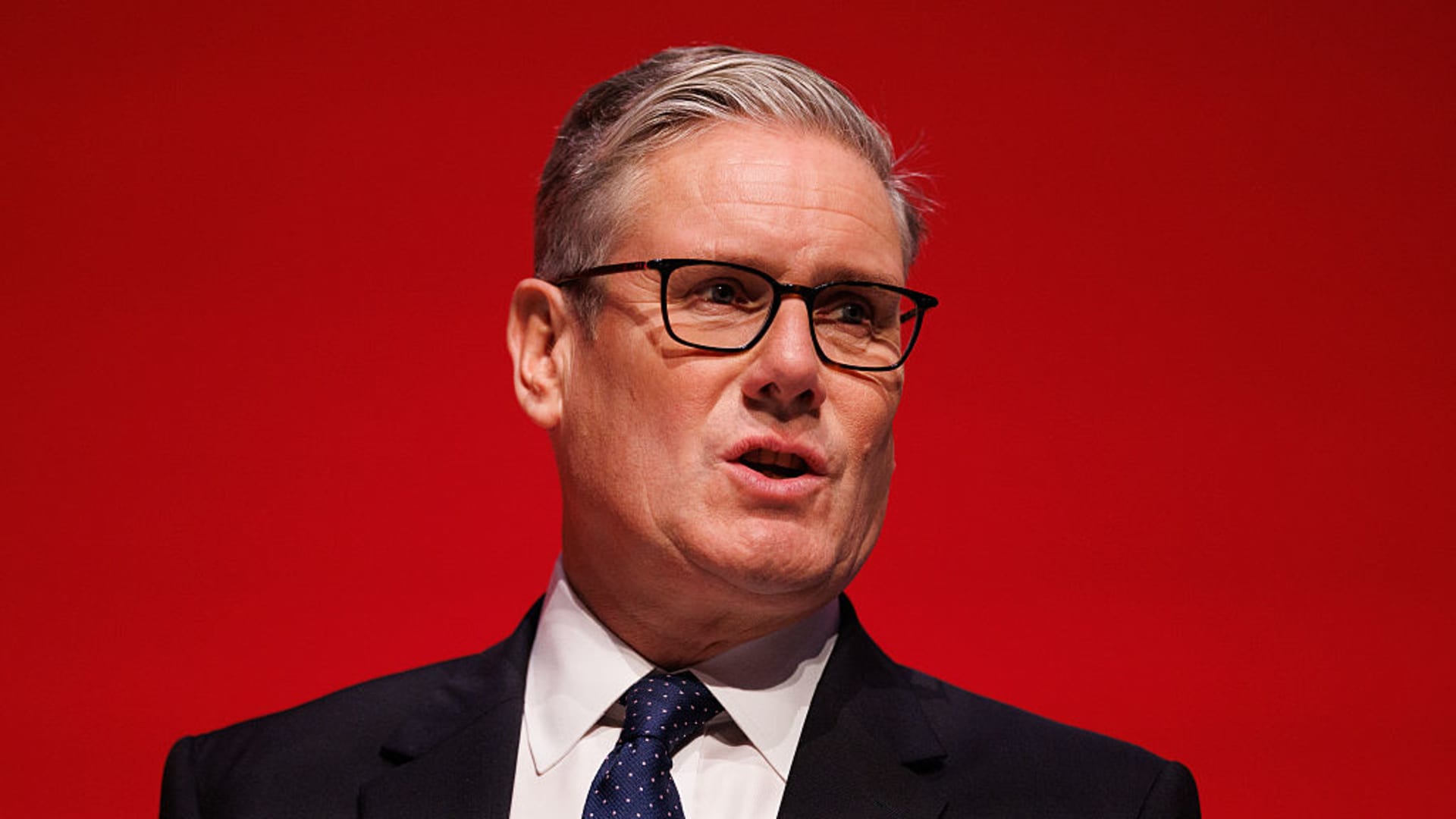
- Internal Turmoil: As of Monday evening, 77 Labour MPs have publicly called for Starmer's resignation, reflecting severe doubts about his leadership, particularly after the party's significant losses in local elections, where it lost control of over 30 councils, jeopardizing its political future.
- Election Defeat Impact: Starmer's party suffered a disastrous defeat in local elections, losing around 1,500 councillors, with voters shifting to both the right-wing Reform UK party and the left-wing Greens, indicating a growing dissatisfaction among the electorate that further undermines Labour's influence in Parliament.
- Market Reaction: In response to the unstable political situation, UK government borrowing costs surged to their highest levels since 2008 on Tuesday morning, reflecting investor concerns over future policy uncertainties and fears that a new Labour leader may ease fiscal policies.
- Uncertain Future: Analysts have raised the probability of Starmer being ousted to 80%, while the chance of him remaining as PM has dropped to 20%, leading to heightened market focus on potential leadership elections, with possible successors like Andy Burnham and Angela Rayner becoming focal points.
See More

China Amasses World's Largest Crude Oil Stockpile


- Oil Reserve Scale: China added an average of 1.1 million barrels per day to its strategic reserves in 2025, bringing its total to approximately 360 million barrels by December 2025, closely approaching the U.S. reserves of nearly 414 million barrels, highlighting China's significant role in the global energy market.
- Impact on U.S. Relations: The increase in Chinese imports of Iranian crude could prompt the U.S. to impose a second round of sanctions on Sino-Iranian trade, escalating tensions between the two nations and potentially affecting the agenda of the upcoming high-level meeting.
- Market Dynamics Shift: According to Kpler, the completion of Middle Eastern cargo discharges has led to a rapid inventory drawdown, which may slow refining rates and further impact global oil price volatility, indicating a shift in market dynamics.
- Strategic Reserve Role: China's strategic petroleum reserves serve as a hedge against supply constraints and price volatility, particularly amid escalating tensions with the U.S. and sanctions, underscoring its strategic significance in global energy security.
See More
UK Fiscal Discipline Under Threat as Political Uncertainty Grows
- Political Uncertainty Intensifies: As challenges to Keir Starmer's leadership from within the Labour Party escalate, investor confidence in UK gilts and sterling has waned, leading the pound to drop to a one-month low against the dollar at $1.3363, reflecting market anxiety over future policies.
- Borrowing Plans Raise Concerns: Andy Burnham's candidacy in the upcoming by-election could propel him to Labour leadership, raising fears that his proposed £40 billion in additional borrowing for housing and infrastructure could break current fiscal restraints, further unsettling the market.
- Rising Poll Support: Recent polling indicates that 61% of Labour members support Burnham compared to 28% for Starmer, highlighting a significant shift in party leadership dynamics that could lead to a leftward policy shift, impacting market confidence.
- Increased Market Risk Premium: Analysts suggest that a Burnham-led Labour government may result in more spending and borrowing, with UK financial assets and sterling likely facing an elevated political risk premium for an extended period, influencing investor decisions.
See More
Market Resilience and Future Outlook
- Market Performance Review: Since the pandemic, the S&P 500 has rebounded 235% from its March 2020 low, despite a 25.4% bear market drawdown in 2022, demonstrating market resilience and investor confidence.
- Earnings Growth Forecast: Renowned economist Ed Yardeni raised his year-end price target for the S&P 500 from 7,700 to 8,250, projecting 2023 earnings per share at $330, reflecting his optimistic outlook on future economic growth.
- Market Risk Warning: Michael Burry expressed concerns over AI exuberance, suggesting that the Nasdaq 100 is overvalued with a potential price-to-earnings ratio closer to 43 times, significantly above Wall Street analysts' 30 times estimate, indicating potential market correction risks.
- Investor Strategy Advice: In an uncertain market environment, investors should adjust based on their investment goals and timelines, with long-term investors advised to maintain current holdings while short-term funds should remain in cash to navigate market volatility.
See More
Inflation Soars to Highest Level in Nearly Three Years
- Oil Price Surge Impacts Inflation: The consumer price index rose 3.8% year-over-year in April, up from 3.3% in March, driven by soaring oil prices due to the Iran conflict, which will exacerbate financial pressures on households, indicating ongoing challenges in the coming months.
- Gas and Food Price Increases: Gas prices have surged approximately 50% since the war began on February 28, currently averaging $4.50 per gallon, up from $3.14 a year ago, while food prices have also risen by 3.2%, further constraining household budgets.
- Rising Airline Fares: Airline fares increased by 20.7% over the past 12 months according to CPI data, illustrating how the sharp rise in fuel costs is being directly passed on to consumers, significantly raising travel expenses and potentially affecting travel demand.
- Fed Under Pressure: The latest inflation data places greater pressure on the Federal Reserve regarding interest rate policy, with expectations that there will be no rate cuts this year, as inflation remains around 4%, impacting consumer purchasing power despite potential easing of geopolitical tensions.
See More
Leeds Building Society Issues £500 Million Floating Rate Bonds
- Bond Issuance Size: Leeds Building Society successfully issues £500 million in floating rate bonds, demonstrating strong financing capability in capital markets, which enhances its liquidity and financial stability.
- Interest Rate Setting: The bond carries an interest rate of 4.2454%, offering relatively attractive returns to investors, which is expected to draw more institutional participation and increase market demand for the bond.
- Interest Payment Arrangement: The interest payment period runs from February 16, 2026, to May 15, 2026, with a total interest amount of £5,117,742.47, providing Leeds Building Society with a stable cash flow.
- Maturity Time: The bond matures in August 2030, providing a four-year investment return period for investors while supporting Leeds Building Society's long-term financing strategy.
See More
Labour Leadership Crisis Deepens as Starmer Faces Resignation Pressure
- Internal Turmoil: As of Monday evening, 77 Labour MPs have publicly called for Starmer's resignation, reflecting severe doubts about his leadership, particularly after the party's significant losses in local elections, where it lost control of over 30 councils, jeopardizing its political future.
- Election Defeat Impact: Starmer's party suffered a disastrous defeat in local elections, losing around 1,500 councillors, with voters shifting to both the right-wing Reform UK party and the left-wing Greens, indicating a growing dissatisfaction among the electorate that further undermines Labour's influence in Parliament.
- Market Reaction: In response to the unstable political situation, UK government borrowing costs surged to their highest levels since 2008 on Tuesday morning, reflecting investor concerns over future policy uncertainties and fears that a new Labour leader may ease fiscal policies.
- Uncertain Future: Analysts have raised the probability of Starmer being ousted to 80%, while the chance of him remaining as PM has dropped to 20%, leading to heightened market focus on potential leadership elections, with possible successors like Andy Burnham and Angela Rayner becoming focal points.
See More
China Amasses World's Largest Crude Oil Stockpile
- Oil Reserve Scale: China added an average of 1.1 million barrels per day to its strategic reserves in 2025, bringing its total to approximately 360 million barrels by December 2025, closely approaching the U.S. reserves of nearly 414 million barrels, highlighting China's significant role in the global energy market.
- Impact on U.S. Relations: The increase in Chinese imports of Iranian crude could prompt the U.S. to impose a second round of sanctions on Sino-Iranian trade, escalating tensions between the two nations and potentially affecting the agenda of the upcoming high-level meeting.
- Market Dynamics Shift: According to Kpler, the completion of Middle Eastern cargo discharges has led to a rapid inventory drawdown, which may slow refining rates and further impact global oil price volatility, indicating a shift in market dynamics.
- Strategic Reserve Role: China's strategic petroleum reserves serve as a hedge against supply constraints and price volatility, particularly amid escalating tensions with the U.S. and sanctions, underscoring its strategic significance in global energy security.
See More