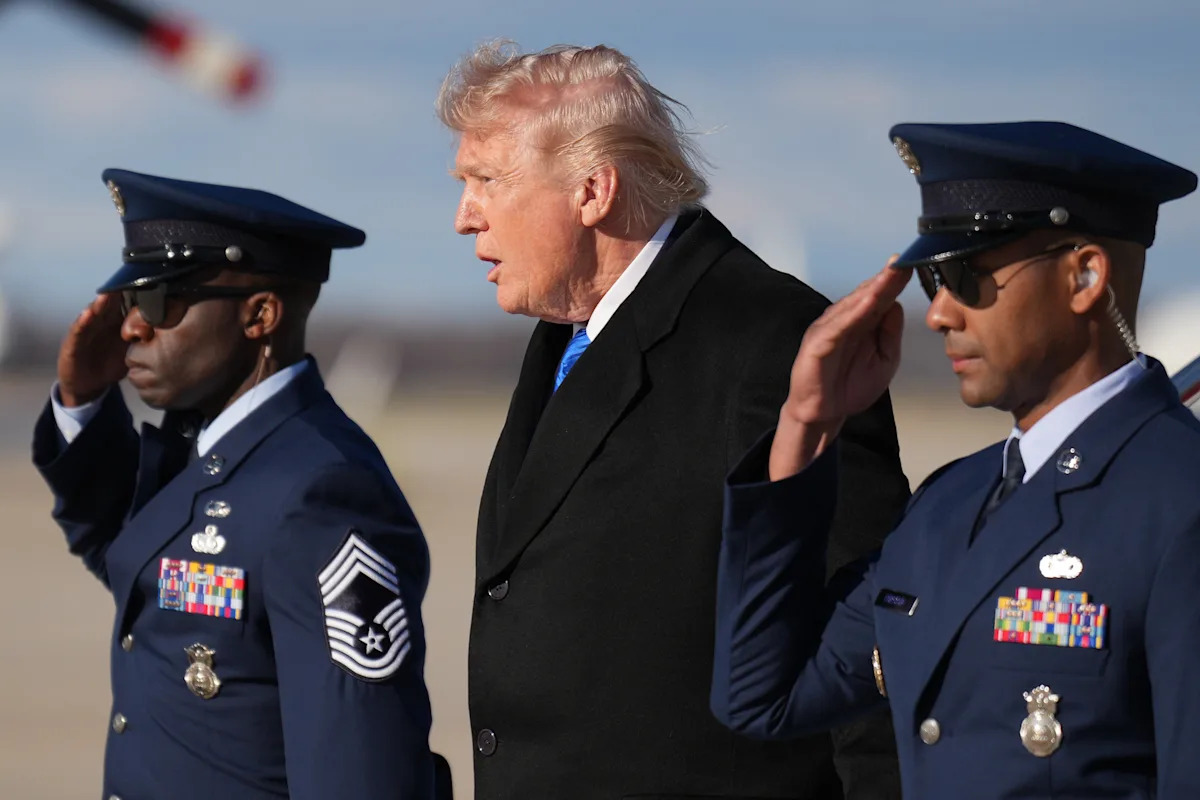
Defense Secretary Pete Hegseth Claims 'America Is Winning' in Iran, Yet Defense Stocks Are Declining.

- Operation Update: Defense Secretary Pete Hegseth and Joint Chiefs Chair Dan Caine held a news conference to provide updates on Operation "Epic Fury."
- Public Communication: The conference aimed to inform the American public about the current status and objectives of the military operation.
Trade with 70% Backtested Accuracy
Analyst Views on LMT

About LMT
About the author

Lockheed Martin Corporation:

Company Overview: Lockheed Martin Corporation is a global aerospace, defense, and security company known for its advanced technology and innovation in military and civilian sectors.
Recent Developments: The company has been involved in various contracts and partnerships aimed at enhancing national security and advancing aerospace capabilities.
Financial Performance: Lockheed Martin has reported strong financial results, driven by increased demand for defense products and services amid global security challenges.
Future Outlook: The company is focusing on expanding its portfolio in emerging technologies, including artificial intelligence and cybersecurity, to maintain its competitive edge in the industry.
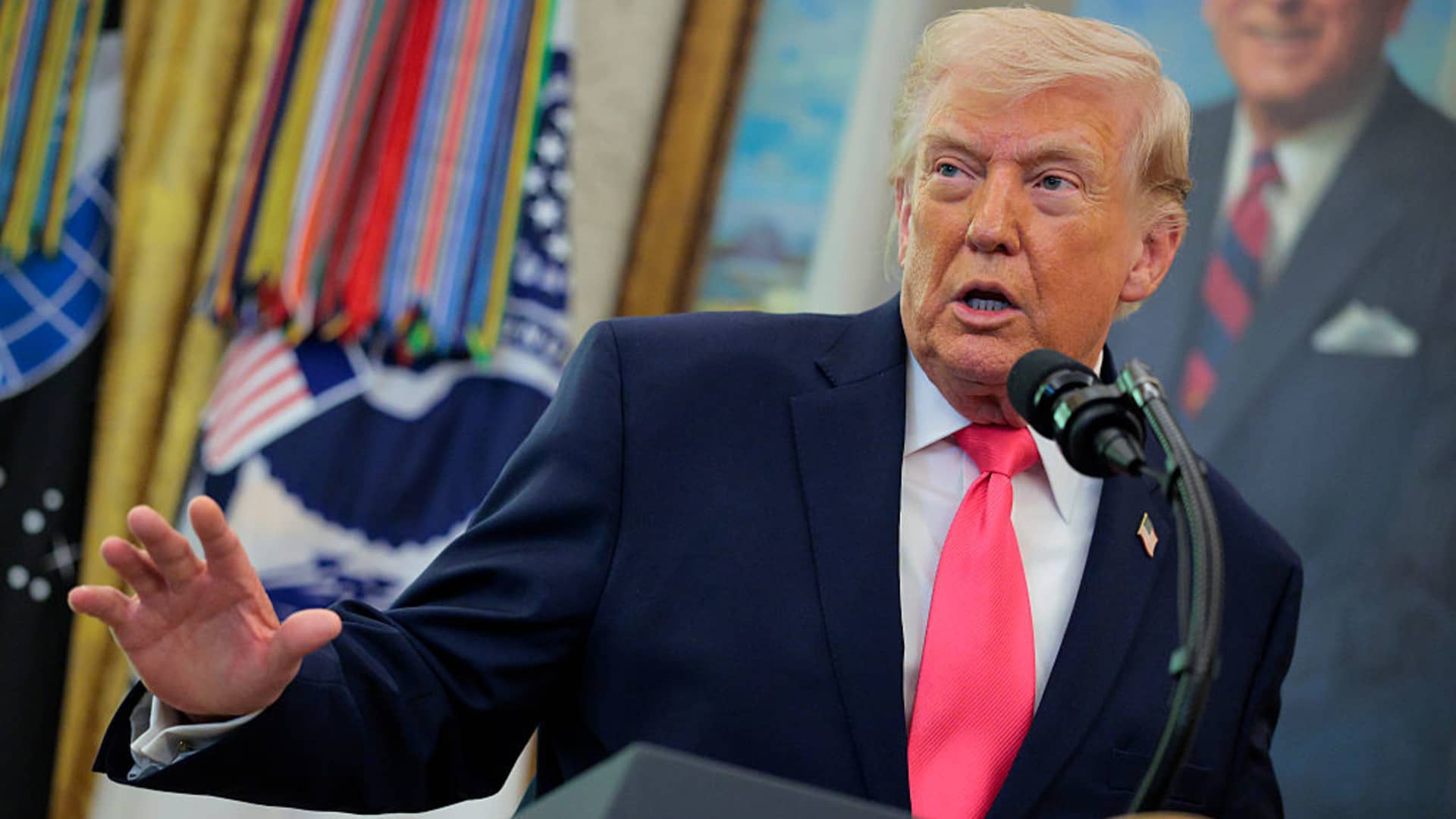
Trump Claims US and Iran Are in Negotiations

- Negotiation Dynamics: Trump stated that the U.S. and Iran are currently in negotiations, despite Iran's denial of direct talks with Washington, which could significantly impact international relations and stability in the Middle East.
- Military and Diplomatic Parallelism: Trump's decision to back off from threats against Iranian energy infrastructure indicates that military actions will continue during negotiations, potentially leading to a reassessment of U.S. military strategy in the region.
- Funding Requests and Troop Deployment: The Trump administration plans to request up to $200 billion in war-related supplemental funding from Congress while preparing to deploy approximately 3,000 soldiers from the 82nd Airborne Division to the Middle East, showcasing a robust U.S. military presence in the region.
- Pakistan's Mediation Proposal: Pakistani Prime Minister expressed willingness to facilitate talks between the U.S. and Iran, with Trump sharing this proposal on social media, although the White House emphasized that negotiations will not occur through the media, reflecting the complexities of diplomatic efforts.

Increasing Competition in Space Investments and Nuclear Power Prospects

- Rising Competition in Space: Over the past decade, the space industry has rapidly evolved from just two companies to numerous startups, particularly with the rise of SpaceX, driving demand for low-cost rocket launches, and the global space economy is projected to grow to about $2 trillion by 2035, indicating significant investment potential.
- Market Saturation Risks: Despite the promising outlook for the space sector, competition in communications and imaging is overly saturated, with many new entrants facing survival challenges, particularly as the number of satellites increases, leading to limited market opportunities and potential profitability issues for some companies.
- Nuclear Investment Surge: The growing demand for sustainable energy has attracted substantial investment in the nuclear sector, especially in the development of small modular reactors (SMRs), although historically, nuclear projects often exceed budgets and face delays, leading investors to remain cautious about future prospects.
- Uncertain Profitability Models: In both the space and nuclear sectors, many startups are not yet profitable, prompting investors to focus on financial flexibility and long-term sustainability, especially when market demand and technology maturity remain unclear.

Intensifying Competition in Space and Nuclear Investments
- Space Industry Competition: The space sector has rapidly evolved from just two companies a decade ago to numerous startups, highlighted by Sierra Space's recent funding round valuing it at $8 billion, indicating strong market interest in space investments, although intense competition will pressure successful companies.
- Nuclear Renaissance Potential: With increasing demand for sustainable energy, the nuclear sector is attracting significant investment, particularly in the development of small modular reactors (SMRs), which, despite high costs and technical challenges, are expected to meet ongoing market demand and potentially yield long-term returns for investors.
- Investor Caution Advised: Analysts emphasize that investors in the space and nuclear sectors should focus on companies with financial flexibility and sustainable business models, especially in the absence of profits, as only those with strong funding support and unique competitive advantages are likely to survive in the future market.
- Market Consolidation Likely: As more players enter the space and nuclear industries, a trend toward market consolidation is becoming evident, with analysts suggesting that while many startups are emerging, not all will succeed, leading to a clear differentiation between future winners and losers.

Congress Nears Deal to Fund Department of Homeland Security
- DHS Funding Agreement: Congress and the White House are nearing a deal to fund the Department of Homeland Security, which aims to end the two-month government shutdown and alleviate worsening airport delays, although part of the Immigration and Customs Enforcement budget remains unresolved.
- TSA Pay Crisis: Due to the funding shortfall, TSA agents are facing a second missed paycheck, leading to absenteeism that impacts airport security efficiency, prompting the Trump administration to deploy ICE agents to assist TSA operations.
- Political Tensions Rise: Trump seeks to include prohibitions on transgender care and voter-ID measures in the funding agreement, while Democrats oppose the SAVE America Act, viewing it as a voter suppression attempt, creating significant negotiation challenges between the parties.
- Republican Divisions: While some Republicans urge a swift resolution to pay TSA workers, conservative factions resist advancing the SAVE America Act through budget reconciliation, highlighting the complexities within Congress in addressing the funding crisis.
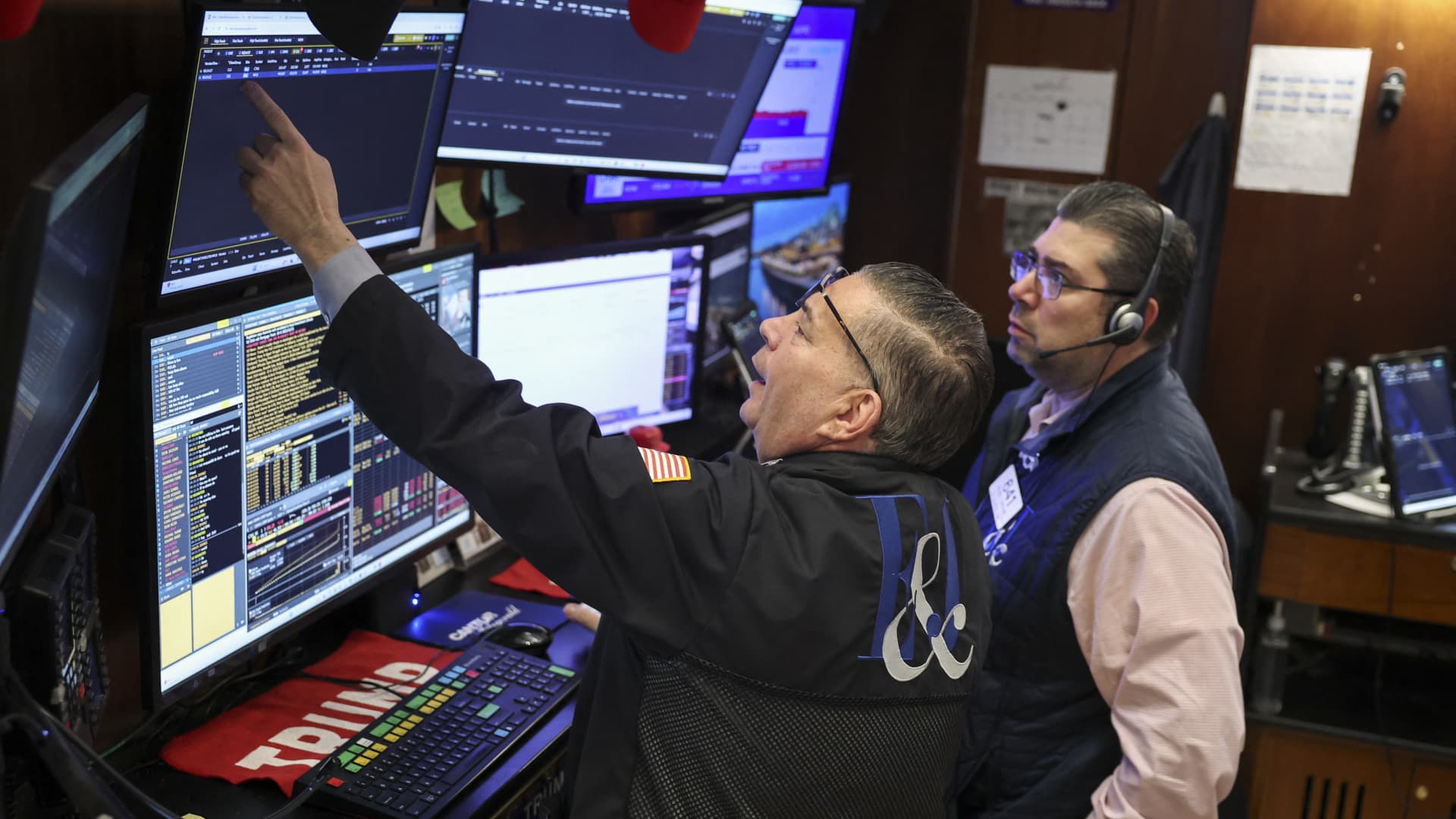
Industrials Post Best Start in 25 Years, Outlook Ahead


- Strong Sector Performance: In 2026, industrials have emerged as a star in the stock market, with the State Street Industrial Select Sector SPDR ETF (XLI) rallying over 5% year-to-date, showcasing robust market demand among the S&P 500 sectors.
- Significant Stock Gains: Among the top 20 stocks by market cap, 14 have risen this year, with GE Vernova up 37%, Caterpillar up 25%, and Lockheed Martin up 26%, reflecting a strong recovery in the sector and increased investor confidence.
- Market Challenges Intensify: Despite the strong performance of industrials, the S&P 500 index has declined nearly 4% due to geopolitical risks and ongoing concerns in artificial intelligence and private credit, highlighting the complexity and uncertainty of the market environment.
- Cautious Future Growth: Trivariate Research notes that industrials are trading at a forward price-to-earnings ratio of about 24, indicating high valuations, and future earnings revisions are necessary to sustain current performance, adding to investor scrutiny and challenges.
Lockheed Martin Corporation:
Company Overview: Lockheed Martin Corporation is a global aerospace, defense, and security company known for its advanced technology and innovation in military and civilian sectors.
Recent Developments: The company has been involved in various contracts and partnerships aimed at enhancing national security and advancing aerospace capabilities.
Financial Performance: Lockheed Martin has reported strong financial results, driven by increased demand for defense products and services amid global security challenges.
Future Outlook: The company is focusing on expanding its portfolio in emerging technologies, including artificial intelligence and cybersecurity, to maintain its competitive edge in the industry.
Trump Claims US and Iran Are in Negotiations
- Negotiation Dynamics: Trump stated that the U.S. and Iran are currently in negotiations, despite Iran's denial of direct talks with Washington, which could significantly impact international relations and stability in the Middle East.
- Military and Diplomatic Parallelism: Trump's decision to back off from threats against Iranian energy infrastructure indicates that military actions will continue during negotiations, potentially leading to a reassessment of U.S. military strategy in the region.
- Funding Requests and Troop Deployment: The Trump administration plans to request up to $200 billion in war-related supplemental funding from Congress while preparing to deploy approximately 3,000 soldiers from the 82nd Airborne Division to the Middle East, showcasing a robust U.S. military presence in the region.
- Pakistan's Mediation Proposal: Pakistani Prime Minister expressed willingness to facilitate talks between the U.S. and Iran, with Trump sharing this proposal on social media, although the White House emphasized that negotiations will not occur through the media, reflecting the complexities of diplomatic efforts.
Increasing Competition in Space Investments and Nuclear Power Prospects
- Rising Competition in Space: Over the past decade, the space industry has rapidly evolved from just two companies to numerous startups, particularly with the rise of SpaceX, driving demand for low-cost rocket launches, and the global space economy is projected to grow to about $2 trillion by 2035, indicating significant investment potential.
- Market Saturation Risks: Despite the promising outlook for the space sector, competition in communications and imaging is overly saturated, with many new entrants facing survival challenges, particularly as the number of satellites increases, leading to limited market opportunities and potential profitability issues for some companies.
- Nuclear Investment Surge: The growing demand for sustainable energy has attracted substantial investment in the nuclear sector, especially in the development of small modular reactors (SMRs), although historically, nuclear projects often exceed budgets and face delays, leading investors to remain cautious about future prospects.
- Uncertain Profitability Models: In both the space and nuclear sectors, many startups are not yet profitable, prompting investors to focus on financial flexibility and long-term sustainability, especially when market demand and technology maturity remain unclear.
Intensifying Competition in Space and Nuclear Investments
- Space Industry Competition: The space sector has rapidly evolved from just two companies a decade ago to numerous startups, highlighted by Sierra Space's recent funding round valuing it at $8 billion, indicating strong market interest in space investments, although intense competition will pressure successful companies.
- Nuclear Renaissance Potential: With increasing demand for sustainable energy, the nuclear sector is attracting significant investment, particularly in the development of small modular reactors (SMRs), which, despite high costs and technical challenges, are expected to meet ongoing market demand and potentially yield long-term returns for investors.
- Investor Caution Advised: Analysts emphasize that investors in the space and nuclear sectors should focus on companies with financial flexibility and sustainable business models, especially in the absence of profits, as only those with strong funding support and unique competitive advantages are likely to survive in the future market.
- Market Consolidation Likely: As more players enter the space and nuclear industries, a trend toward market consolidation is becoming evident, with analysts suggesting that while many startups are emerging, not all will succeed, leading to a clear differentiation between future winners and losers.
Congress Nears Deal to Fund Department of Homeland Security
- DHS Funding Agreement: Congress and the White House are nearing a deal to fund the Department of Homeland Security, which aims to end the two-month government shutdown and alleviate worsening airport delays, although part of the Immigration and Customs Enforcement budget remains unresolved.
- TSA Pay Crisis: Due to the funding shortfall, TSA agents are facing a second missed paycheck, leading to absenteeism that impacts airport security efficiency, prompting the Trump administration to deploy ICE agents to assist TSA operations.
- Political Tensions Rise: Trump seeks to include prohibitions on transgender care and voter-ID measures in the funding agreement, while Democrats oppose the SAVE America Act, viewing it as a voter suppression attempt, creating significant negotiation challenges between the parties.
- Republican Divisions: While some Republicans urge a swift resolution to pay TSA workers, conservative factions resist advancing the SAVE America Act through budget reconciliation, highlighting the complexities within Congress in addressing the funding crisis.
Industrials Post Best Start in 25 Years, Outlook Ahead
- Strong Sector Performance: In 2026, industrials have emerged as a star in the stock market, with the State Street Industrial Select Sector SPDR ETF (XLI) rallying over 5% year-to-date, showcasing robust market demand among the S&P 500 sectors.
- Significant Stock Gains: Among the top 20 stocks by market cap, 14 have risen this year, with GE Vernova up 37%, Caterpillar up 25%, and Lockheed Martin up 26%, reflecting a strong recovery in the sector and increased investor confidence.
- Market Challenges Intensify: Despite the strong performance of industrials, the S&P 500 index has declined nearly 4% due to geopolitical risks and ongoing concerns in artificial intelligence and private credit, highlighting the complexity and uncertainty of the market environment.
- Cautious Future Growth: Trivariate Research notes that industrials are trading at a forward price-to-earnings ratio of about 24, indicating high valuations, and future earnings revisions are necessary to sustain current performance, adding to investor scrutiny and challenges.