Costco Membership Growth Slows, Raising Investor Concerns
Written by Emily J. Thompson, Senior Investment Analyst
Updated: 1 day ago
0mins


Source: CNBC
- Membership Growth Slowdown: Costco's paid membership growth rate has dropped to 4.8% over the past year, below the historical mid- to high-single-digit range of 6%-7%, raising investor concerns as high-margin membership fee income is crucial for the company's performance.
- Declining Renewal Rates: Renewal rates fell by 30 basis points in Q3 of fiscal 2025 and another 40 basis points in the following quarter, although the declines moderated in early fiscal 2026, the overall renewal rate remains below 90%, potentially impacting long-term profitability.
- Impact of Digital Transformation: The share of younger digital members has surged from 5% in 2019 to nearly 50%, which, while boosting membership revenue, has led to lower renewal rates for these new members, highlighting challenges in attracting long-term loyal customers for Costco.
- Market Environment Pressures: As lower-income consumers become more cautious with spending, the slowdown in membership growth is evident; although high gas prices may enhance membership appeal, fewer new warehouse openings limit growth potential in international markets, posing challenges for Costco's overall business.
Trade with 70% Backtested Accuracy
Stop guessing "Should I Buy COST?" and start using high-conviction signals backed by rigorous historical data.
Sign up today to access powerful investing tools and make smarter, data-driven decisions.
Analyst Views on COST
Wall Street analysts forecast COST stock price to rise
24 Analyst Rating
19 Buy
4 Hold
1 Sell
Strong Buy
Current: 995.200

Low
769.00
Averages
1061
High
1205
Current: 995.200
Low
769.00
Averages
1061
High
1205
About COST
Costco Wholesale Corporation (Costco) operates membership warehouses and e-commerce sites that offer a selection of nationally branded and private-label products in a wide range of categories. The Company buys the majority of its merchandise directly from suppliers and route it to cross-docking consolidation points (depots) or directly to its warehouses. It operates 891 warehouses, including 614 in the United States and Puerto Rico, 108 in Canada, 40 in Mexico, 35 in Japan, 29 in the United Kingdom, 19 in Korea, 15 in Australia, 14 in Taiwan, seven in China, five in Spain, two in France, and one each in Iceland, New Zealand and Sweden. It also operates e-commerce sites in the United States, Canada, the United Kingdom, Mexico, Korea, Taiwan, Japan and Australia. The Company provides wide selection of merchandise, plus the convenience of specialty departments and exclusive member services.
About the author

Emily J. Thompson
Emily J. Thompson, a Chartered Financial Analyst (CFA) with 12 years in investment research, graduated with honors from the Wharton School. Specializing in industrial and technology stocks, she provides in-depth analysis for Intellectia’s earnings and market brief reports.
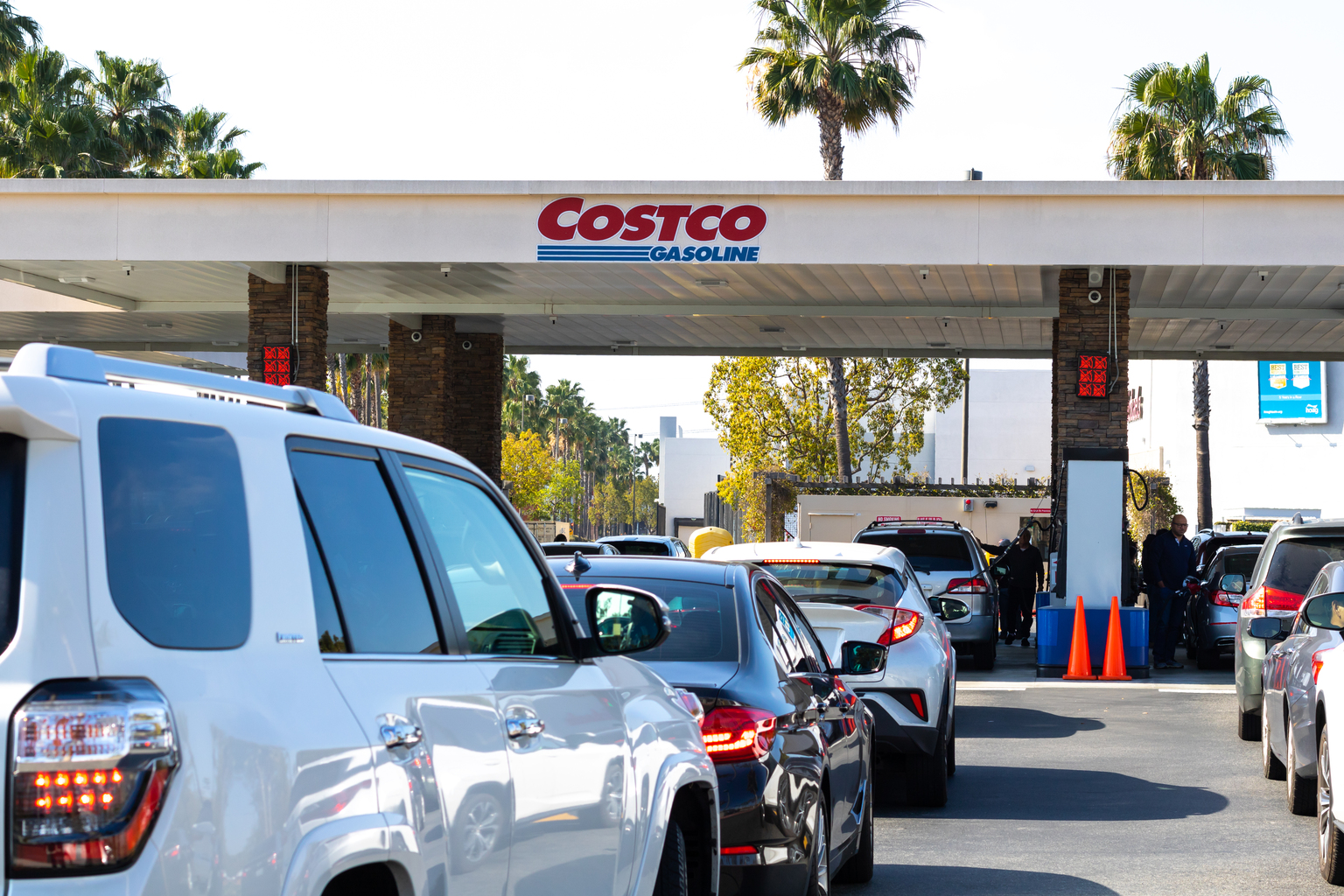
Costco Reports Record Fuel Sales Amid High Oil Prices
- Record Fuel Sales: Costco achieved record fuel sales volumes in Q3, with all three four-week fiscal periods setting new all-time company sales records, indicating strong consumer demand for lower gas prices amid high oil costs.
- Increased Member Loyalty: The high price sensitivity led many members to use Costco's gas stations for the first time in Q3, which not only boosted sales but is expected to enhance member loyalty in the future.
- Sales Growth Exceeds Expectations: Costco reported a Q3 comparable sales growth of 9.8%, significantly above the consensus estimate of 7.8%, with gas price inflation contributing approximately 2.2% to this growth.
- Competitive Pricing Advantage: By widening price gaps, Costco ensures attractive pricing for members, reflecting the increased share of gas spending in total member expenditures due to rising prices, thereby reinforcing its market position.
See More

US Stock Indices Reach All-Time Highs Amid Positive Economic Signals


- Strong Market Performance: The S&P 500 rose by 0.22%, the Dow Jones Industrial Average increased by 0.72%, and the Nasdaq 100 climbed by 0.36%, with all three indices reaching new all-time highs, reflecting market confidence in economic recovery.
- Tech Stocks Lead Gains: Dell Technologies surged 32% after reporting Q1 total revenue of $43.84 billion, significantly exceeding the consensus estimate of $35.52 billion, and raised its 2027 revenue forecast to between $165 billion and $169 billion, indicating strong market demand and growth potential.
- Positive Economic Data: The May Chicago PMI rose by 13.5 to 62.7, far surpassing expectations of 50.3, marking the fastest expansion pace in 4.25 years, which further bolstered market confidence in stocks.
- Oil Price Decline Benefits Stocks: Crude oil prices fell over 1% to a five-week low due to a preliminary agreement between the US and Iran, easing inflation concerns and supporting the upward trend in the stock market.
See More

S&P 500 Rallies on AI Strength; Dell Soars 33%


- Strong Market Performance: The S&P 500 rose 0.22% to 7,580.06, while the Nasdaq Composite gained 0.20% to 26,972.62, reflecting strong market confidence in AI and a positive response to cooler oil prices.
- Dell's Earnings Surprise: Dell Technologies soared nearly 33% after exceeding analyst expectations and raising its full-year guidance, driven by robust demand for AI servers, which further solidifies its market position.
- Software Stocks Rebound: ServiceNow jumped about 14% and Datadog surged 10%, indicating a renewed enthusiasm for software as AI demand broadens beyond a few mega-caps, potentially opening new growth avenues for the entire ecosystem.
- Investor Focus on Future: Despite the S&P 500's ninth consecutive week of gains, investors remain cautious, closely monitoring inflation, job data, and consumer sentiment to assess the sustainability of the rally amid elevated oil prices and revised GDP estimates.
See More

Dell Technologies Soars on Record Earnings, Boosting Market Confidence
- Dell's Earnings Surge: Dell Technologies' stock soared nearly 33% today after reporting blowout earnings that exceeded analyst expectations, raising its full-year guidance due to massive demand for AI servers, highlighting the company's strong position in AI infrastructure.
- Market Rally Continues: The S&P 500 posted its ninth consecutive week of gains, increasing over 6% in May despite rising energy and shipping costs, as hopes for a U.S.-Iran ceasefire and Dell's strong performance bolstered investor confidence.
- Software Stocks Rebound: ServiceNow jumped about 14% and Datadog surged 10%, reflecting a resurgence in software stocks driven by renewed AI demand, indicating that the AI ecosystem is gaining traction beyond just a few mega-cap companies.
- Consumer Confidence Watch: Despite Costco's solid Q3 earnings, consumer defensive stocks declined, prompting investors to closely monitor inflation, job data, and consumer sentiment as they assess the potential for further market rallies heading into June.
See More

Iran War Drives Nearly $450 Increase in U.S. Household Energy Costs

- Increased Household Energy Costs: Moody's analysis reveals that the Iran War has led to an average increase of $447.19 in energy costs per U.S. household, cumulatively costing nearly $60 billion, highlighting the escalating economic strain on consumers.
- Surging Fuel Prices: Gasoline prices have surged over 47% since March, reaching approximately $4.39 per gallon, significantly increasing household fuel expenses, particularly impacting lower-income households that allocate a larger portion of their budgets to energy.
- Changing Spending Patterns: While consumer spending rose by 0.5% from March to April, personal income growth remained flat, and the personal savings rate fell to 2.6%, indicating that households are increasingly relying on credit and savings to sustain their spending habits.
- Future Economic Risks: Moody's chief economist warns that if the war continues, consumers will have to adopt more cautious spending behaviors, which could further threaten the already soft economic growth trajectory.
See More

Rising Energy Costs Impact Consumer Spending
- Increased Household Spending: Since the onset of the Iran War, the average American household has spent an additional $447.19 on energy costs, cumulatively costing nearly $60 billion, indicating heightened financial pressure on consumers that may lead to more cautious spending and impact economic growth.
- Surging Fuel Prices: Gasoline prices have surged over 47% since March, now averaging $4.39 per gallon, while diesel has risen to $5.52 per gallon, resulting in over $20 billion in additional consumer expenses, further straining household budgets.
- Declining Consumer Confidence: Although consumer spending rose by 0.5% from March to April, stagnant income growth and a personal savings rate that fell to 2.6% suggest that consumers are increasingly relying on credit and savings to maintain spending levels amid inflationary pressures.
- Pessimistic Future Outlook: Goldman Sachs anticipates that rising energy prices will continue to erode consumer purchasing power, particularly affecting lower-income households, which may lead to a further contraction in spending patterns and increase the risk of economic slowdown.
See More
Costco Reports Record Fuel Sales Amid High Oil Prices
- Record Fuel Sales: Costco achieved record fuel sales volumes in Q3, with all three four-week fiscal periods setting new all-time company sales records, indicating strong consumer demand for lower gas prices amid high oil costs.
- Increased Member Loyalty: The high price sensitivity led many members to use Costco's gas stations for the first time in Q3, which not only boosted sales but is expected to enhance member loyalty in the future.
- Sales Growth Exceeds Expectations: Costco reported a Q3 comparable sales growth of 9.8%, significantly above the consensus estimate of 7.8%, with gas price inflation contributing approximately 2.2% to this growth.
- Competitive Pricing Advantage: By widening price gaps, Costco ensures attractive pricing for members, reflecting the increased share of gas spending in total member expenditures due to rising prices, thereby reinforcing its market position.
See More
US Stock Indices Reach All-Time Highs Amid Positive Economic Signals
- Strong Market Performance: The S&P 500 rose by 0.22%, the Dow Jones Industrial Average increased by 0.72%, and the Nasdaq 100 climbed by 0.36%, with all three indices reaching new all-time highs, reflecting market confidence in economic recovery.
- Tech Stocks Lead Gains: Dell Technologies surged 32% after reporting Q1 total revenue of $43.84 billion, significantly exceeding the consensus estimate of $35.52 billion, and raised its 2027 revenue forecast to between $165 billion and $169 billion, indicating strong market demand and growth potential.
- Positive Economic Data: The May Chicago PMI rose by 13.5 to 62.7, far surpassing expectations of 50.3, marking the fastest expansion pace in 4.25 years, which further bolstered market confidence in stocks.
- Oil Price Decline Benefits Stocks: Crude oil prices fell over 1% to a five-week low due to a preliminary agreement between the US and Iran, easing inflation concerns and supporting the upward trend in the stock market.
See More
S&P 500 Rallies on AI Strength; Dell Soars 33%
- Strong Market Performance: The S&P 500 rose 0.22% to 7,580.06, while the Nasdaq Composite gained 0.20% to 26,972.62, reflecting strong market confidence in AI and a positive response to cooler oil prices.
- Dell's Earnings Surprise: Dell Technologies soared nearly 33% after exceeding analyst expectations and raising its full-year guidance, driven by robust demand for AI servers, which further solidifies its market position.
- Software Stocks Rebound: ServiceNow jumped about 14% and Datadog surged 10%, indicating a renewed enthusiasm for software as AI demand broadens beyond a few mega-caps, potentially opening new growth avenues for the entire ecosystem.
- Investor Focus on Future: Despite the S&P 500's ninth consecutive week of gains, investors remain cautious, closely monitoring inflation, job data, and consumer sentiment to assess the sustainability of the rally amid elevated oil prices and revised GDP estimates.
See More
Dell Technologies Soars on Record Earnings, Boosting Market Confidence
- Dell's Earnings Surge: Dell Technologies' stock soared nearly 33% today after reporting blowout earnings that exceeded analyst expectations, raising its full-year guidance due to massive demand for AI servers, highlighting the company's strong position in AI infrastructure.
- Market Rally Continues: The S&P 500 posted its ninth consecutive week of gains, increasing over 6% in May despite rising energy and shipping costs, as hopes for a U.S.-Iran ceasefire and Dell's strong performance bolstered investor confidence.
- Software Stocks Rebound: ServiceNow jumped about 14% and Datadog surged 10%, reflecting a resurgence in software stocks driven by renewed AI demand, indicating that the AI ecosystem is gaining traction beyond just a few mega-cap companies.
- Consumer Confidence Watch: Despite Costco's solid Q3 earnings, consumer defensive stocks declined, prompting investors to closely monitor inflation, job data, and consumer sentiment as they assess the potential for further market rallies heading into June.
See More
Iran War Drives Nearly $450 Increase in U.S. Household Energy Costs
- Increased Household Energy Costs: Moody's analysis reveals that the Iran War has led to an average increase of $447.19 in energy costs per U.S. household, cumulatively costing nearly $60 billion, highlighting the escalating economic strain on consumers.
- Surging Fuel Prices: Gasoline prices have surged over 47% since March, reaching approximately $4.39 per gallon, significantly increasing household fuel expenses, particularly impacting lower-income households that allocate a larger portion of their budgets to energy.
- Changing Spending Patterns: While consumer spending rose by 0.5% from March to April, personal income growth remained flat, and the personal savings rate fell to 2.6%, indicating that households are increasingly relying on credit and savings to sustain their spending habits.
- Future Economic Risks: Moody's chief economist warns that if the war continues, consumers will have to adopt more cautious spending behaviors, which could further threaten the already soft economic growth trajectory.
See More
Rising Energy Costs Impact Consumer Spending
- Increased Household Spending: Since the onset of the Iran War, the average American household has spent an additional $447.19 on energy costs, cumulatively costing nearly $60 billion, indicating heightened financial pressure on consumers that may lead to more cautious spending and impact economic growth.
- Surging Fuel Prices: Gasoline prices have surged over 47% since March, now averaging $4.39 per gallon, while diesel has risen to $5.52 per gallon, resulting in over $20 billion in additional consumer expenses, further straining household budgets.
- Declining Consumer Confidence: Although consumer spending rose by 0.5% from March to April, stagnant income growth and a personal savings rate that fell to 2.6% suggest that consumers are increasingly relying on credit and savings to maintain spending levels amid inflationary pressures.
- Pessimistic Future Outlook: Goldman Sachs anticipates that rising energy prices will continue to erode consumer purchasing power, particularly affecting lower-income households, which may lead to a further contraction in spending patterns and increase the risk of economic slowdown.
See More