PJM Delays Three Mile Island Plant Grid Connection to 2031
Written by Emily J. Thompson, Senior Investment Analyst
Updated: Mar 26 2026
0mins
Source: seekingalpha
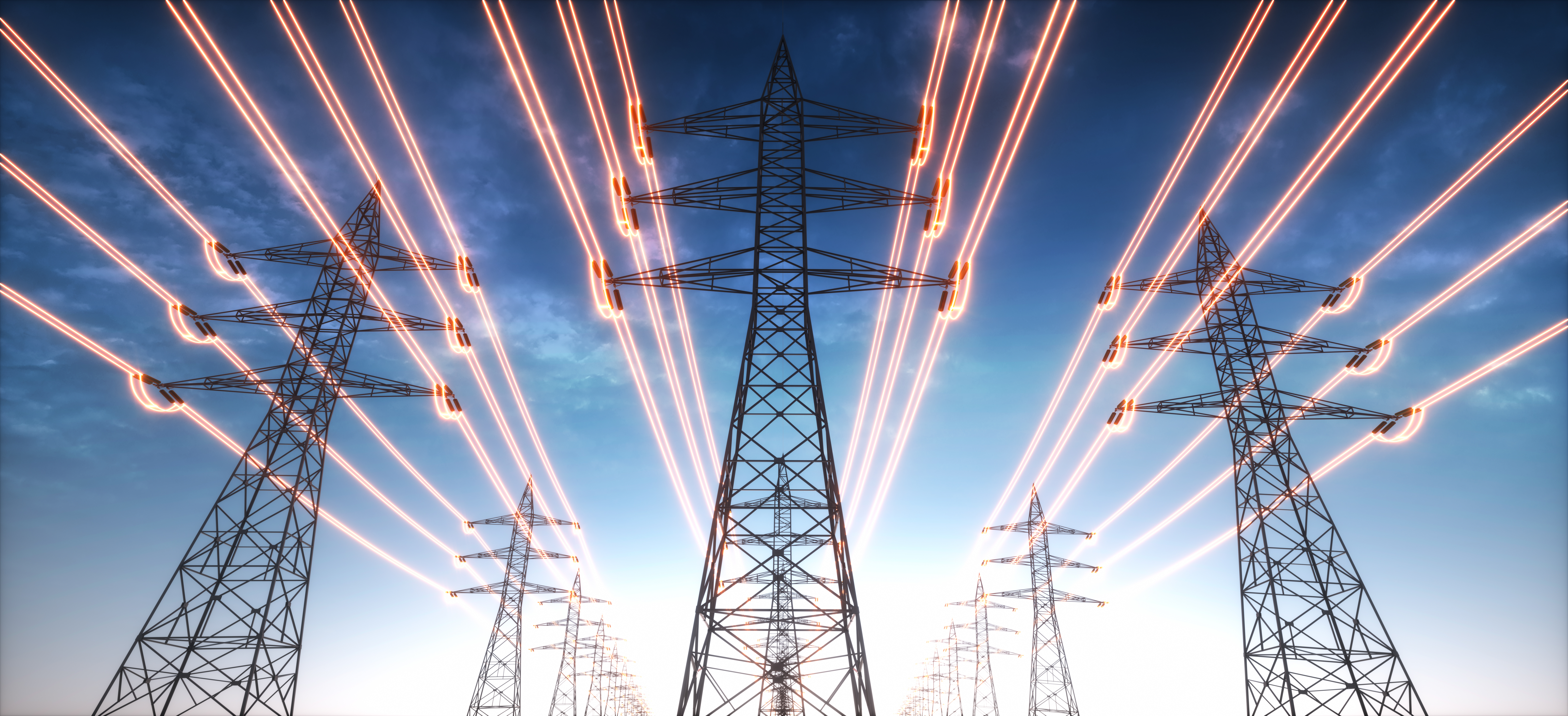
- Connection Delay: PJM Interconnection has informed Constellation Energy that the former Three Mile Island nuclear plant is now expected to connect to the grid in 2031, four years later than initially planned, resulting in a 2.6% drop in the company's stock on Thursday.
- Transmission Upgrade Requirements: PJM's initial feedback on the interconnection plan indicates that necessary transmission upgrades will take until 2031, impacting Constellation's electricity production plans, particularly in its collaboration with Microsoft data centers.
- Proactive Measures: Constellation is in discussions with transmission owners to reduce the timeline for grid connection, and despite the delay, the company aims to be ready to produce electricity from the plant ahead of its original goal, demonstrating its responsiveness to market demands.
- Strategic Renaming: The company is renaming the nuclear plant to Crane Clean Energy Center, aiming to enhance its image in the renewable energy sector while addressing the growing electricity demand, especially from large tech companies.
Trade with 70% Backtested Accuracy
Stop guessing "Should I Buy CEG?" and start using high-conviction signals backed by rigorous historical data.
Sign up today to access powerful investing tools and make smarter, data-driven decisions.
Analyst Views on CEG
Wall Street analysts forecast CEG stock price to rise
7 Analyst Rating
6 Buy
1 Hold
0 Sell
Strong Buy
Current: 272.650

Low
350.00
Averages
414.86
High
460.00
Current: 272.650
Low
350.00
Averages
414.86
High
460.00
About CEG
Constellation Energy Corporation is a producer of emissions-free energy and an energy supplier to businesses, homes and public sector customers nationwide. The Company’s nuclear, hydro, wind, and solar generation facilities have the generating capacity to power the equivalent of 27 million homes, providing about 10% of the nation’s clean energy. Its segments include Mid-Atlantic, Midwest, New York, ERCOT, and Other Power Regions. Through its integrated business operations, it sells electricity, natural gas, and other energy-related products and sustainable solutions to various types of customers, including distribution utilities, municipalities, cooperatives, commercial, industrial, public sector, and residential customers in markets across multiple geographic regions. It operates approximately 55 gigawatts of capacity from nuclear, natural gas, geothermal, hydro, wind and solar facilities.
About the author

Emily J. Thompson
Emily J. Thompson, a Chartered Financial Analyst (CFA) with 12 years in investment research, graduated with honors from the Wharton School. Specializing in industrial and technology stocks, she provides in-depth analysis for Intellectia’s earnings and market brief reports.
FERC Accelerates Connection of Three Mile Island Nuclear Plant

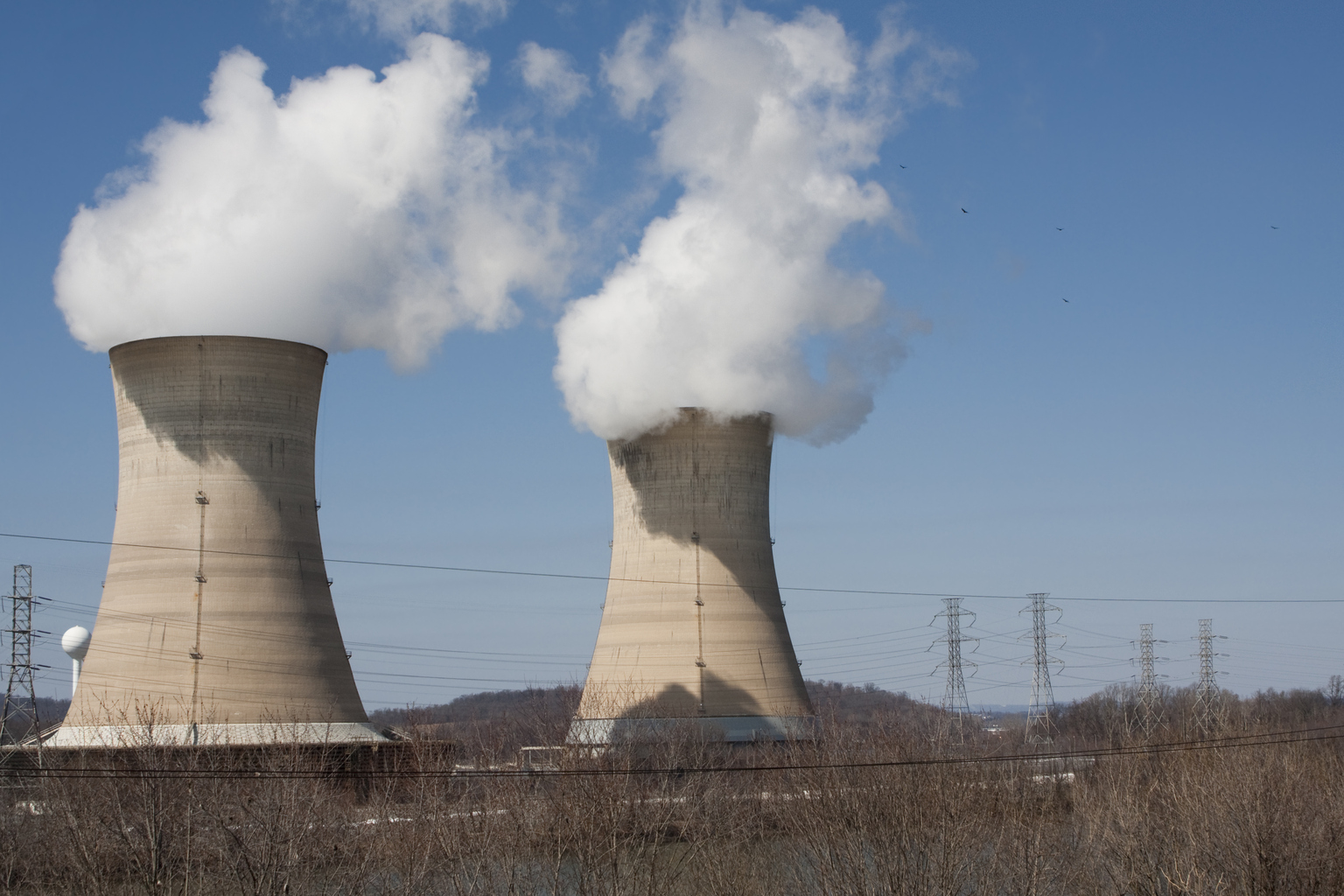
- Regulatory Waiver Impact: The Federal Energy Regulatory Commission (FERC) granted a waiver for the connection of the Three Mile Island nuclear plant, allowing Constellation Energy (CEG) to transfer certain grid rights from its Eddystone natural gas plant, thereby accelerating the project's timeline.
- Restart Plan Adjustment: Although initial feedback from the regional grid operator indicated that the plant could not supply power until 2031, the FERC waiver has enabled Constellation to reset its restart goal to 2027, demonstrating the company's strategic commitment to nuclear energy.
- New Name and Objectives: Constellation is rebranding Three Mile Island as the Crane Clean Energy Center, with plans to restart it next year to serve Microsoft data centers in the region, further solidifying its position in the clean energy market.
- Impact on Existing Facilities: This decision will not affect the U.S. Department of Energy's emergency orders, which ensure that the Eddystone plant continues to operate beyond its initially planned retirement date, indicating the company's flexibility in balancing new and existing facilities.
See More
Market Update: Apple and Nasdaq Streaks at Risk


- S&P 500 Streak at Risk: The S&P 500 fell on Wednesday, jeopardizing its nine-week winning streak, and if it finishes higher this week, it would mark its longest winning streak since 1985, indicating fragile market sentiment.
- Apple's Price Challenge: Apple is on track for its 11th consecutive positive week, which would be its longest winning streak since November 2004, reflecting high investor interest in its future performance amidst market volatility.
- Nvidia's Underperformance: Over the past 60 trading days, the iShares Semiconductor ETF surged over 82%, while Nvidia only gained 16%, creating a record 65-percentage-point gap, highlighting Nvidia's relative weakness in the semiconductor market.
- Private Equity Turmoil: Private equity stocks plummeted after Partners Group reportedly capped investor withdrawals, with KKR, Blackstone, Carlyle Group, and Blue Owl losing over a quarter of their market value this year, reflecting declining confidence in the private equity sector.
See More
AI Competition Shifts: Power Infrastructure Becomes Key

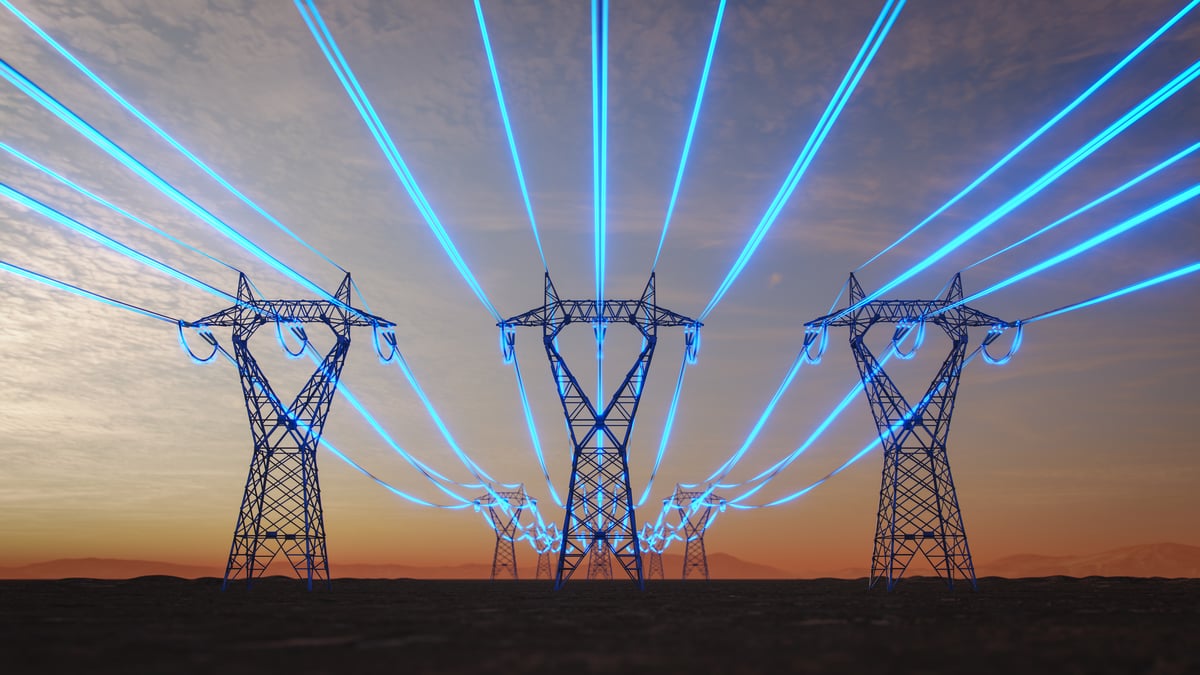
- Surging Power Demand: As AI models expand, a single hyperscale data center can consume as much electricity as a small city, making power supply a new competitive focus that impacts the growth potential of the AI industry.
- Infrastructure Bottleneck: While the semiconductor industry can gradually meet the demand for GPUs and memory, the long construction timelines and regulatory hurdles for power infrastructure create a mismatch with the rapidly growing demand for AI computing.
- Shifting Investment Opportunities: Investors may overlook the importance of power and data center capacity, with companies like Constellation Energy and Applied Digital poised to become key winners in the AI ecosystem due to their advantages in power supply and infrastructure.
- Future Competitive Advantage: As AI technology becomes more widespread, access to electricity will emerge as a critical competitive advantage, prompting investors to focus on companies that can provide power and infrastructure to seize future investment opportunities.
See More

AI Infrastructure Faces Electricity Bottleneck
- Electricity Supply Shortage: As demand for AI infrastructure surges, a shortage of electricity emerges as a new bottleneck, particularly since the power needs of large data centers can rival those of small cities, impacting overall industry growth.
- Infrastructure Development Lag: The construction timeline for new power plants typically exceeds that of chip foundries, resulting in power infrastructure failing to keep pace with the growing demand for AI computing, thereby affecting operational efficiency and market competitiveness for related firms.
- Shift in Market Winners: With intensified competition for electricity and data center capacity, companies like Constellation Energy and Applied Digital may become new winners in the AI sector by providing essential power support and infrastructure.
- Changing Investment Perspective: Investors need to reassess the AI industry by recognizing the significance of power and infrastructure; in the next decade, electricity supply may become a critical competitive advantage in the AI sector, surpassing the traditional focus on chips and software.
See More

S&P 500 Index Hits Record High Amidst Strong Market Trends

- Market Uptrend: The S&P 500 rose 0.13% on Tuesday, marking its ninth consecutive day of gains, the longest streak since last May, and is up 20% from March lows, indicating a robust market recovery.
- Job Data Focus: ADP is set to release May payroll numbers on Wednesday, with economists expecting a gain of 110,000 jobs, slightly above April's 109,000, as investors watch for implications on the Fed's policy direction.
- Tech Stock Surge: HPE shares soared 19.5% on Tuesday, the largest jump since its 2015 spin-off, driven by strong AI-related demand, and are up 133% year-to-date, reflecting robust market demand and investor confidence.
- Cryptocurrency Decline: Bitcoin fell below $70,000, hitting its lowest level since April, alongside Ethereum dropping below $2,000, showcasing the volatility in the crypto market and cautious investor sentiment.
See More
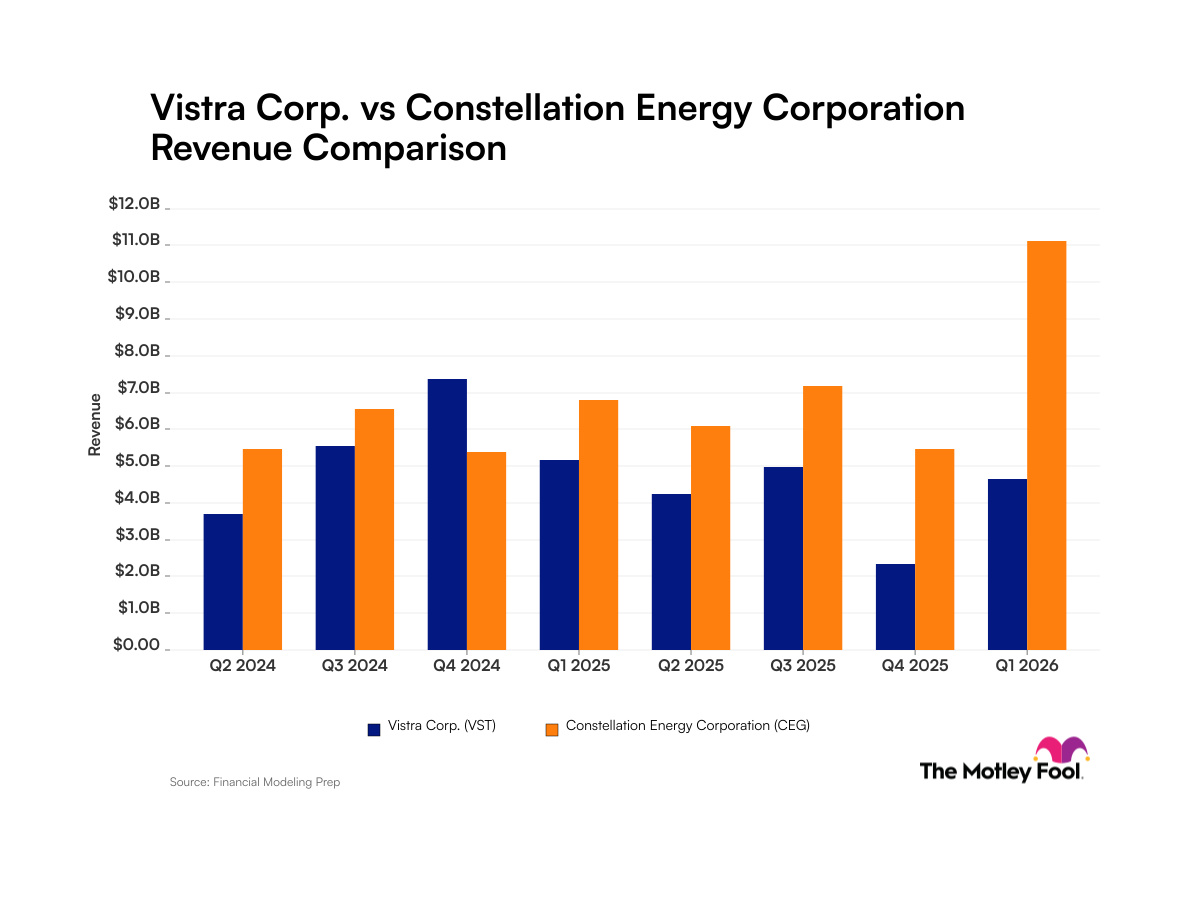
Vistra and Constellation Energy Revenue Analysis

- Revenue Volatility Management: Vistra achieved a net income margin of approximately 22% in Q1 2026 by integrating retail electricity and power generation, although its revenue fluctuates due to the use of energy derivatives, demonstrating its adaptability and risk management strategies in the market.
- New Revenue Highs: Constellation Energy reported $11.1 billion in revenue for Q1 2026 with a net income margin of about 14%, significantly enhancing its market position and generation capacity through the acquisition of Calpine, a leader in natural gas and geothermal generation.
- Competitive Market Dynamics: Both Vistra and Constellation Energy are pursuing similar growth strategies, with Vistra agreeing to acquire Cogentrix for $4 billion to add 5.5 GW of natural gas capacity, which is expected to narrow the gap between the two companies and enhance market competitiveness.
- Generation Capacity Integration: Post-merger, Constellation and Vistra will have generation capacities nearing 60 GW and 50 GW respectively, serving 2.5 million customers, highlighting their significance and growth potential in the U.S. energy market.
See More
FERC Accelerates Connection of Three Mile Island Nuclear Plant
- Regulatory Waiver Impact: The Federal Energy Regulatory Commission (FERC) granted a waiver for the connection of the Three Mile Island nuclear plant, allowing Constellation Energy (CEG) to transfer certain grid rights from its Eddystone natural gas plant, thereby accelerating the project's timeline.
- Restart Plan Adjustment: Although initial feedback from the regional grid operator indicated that the plant could not supply power until 2031, the FERC waiver has enabled Constellation to reset its restart goal to 2027, demonstrating the company's strategic commitment to nuclear energy.
- New Name and Objectives: Constellation is rebranding Three Mile Island as the Crane Clean Energy Center, with plans to restart it next year to serve Microsoft data centers in the region, further solidifying its position in the clean energy market.
- Impact on Existing Facilities: This decision will not affect the U.S. Department of Energy's emergency orders, which ensure that the Eddystone plant continues to operate beyond its initially planned retirement date, indicating the company's flexibility in balancing new and existing facilities.
See More
Market Update: Apple and Nasdaq Streaks at Risk
- S&P 500 Streak at Risk: The S&P 500 fell on Wednesday, jeopardizing its nine-week winning streak, and if it finishes higher this week, it would mark its longest winning streak since 1985, indicating fragile market sentiment.
- Apple's Price Challenge: Apple is on track for its 11th consecutive positive week, which would be its longest winning streak since November 2004, reflecting high investor interest in its future performance amidst market volatility.
- Nvidia's Underperformance: Over the past 60 trading days, the iShares Semiconductor ETF surged over 82%, while Nvidia only gained 16%, creating a record 65-percentage-point gap, highlighting Nvidia's relative weakness in the semiconductor market.
- Private Equity Turmoil: Private equity stocks plummeted after Partners Group reportedly capped investor withdrawals, with KKR, Blackstone, Carlyle Group, and Blue Owl losing over a quarter of their market value this year, reflecting declining confidence in the private equity sector.
See More
AI Competition Shifts: Power Infrastructure Becomes Key
- Surging Power Demand: As AI models expand, a single hyperscale data center can consume as much electricity as a small city, making power supply a new competitive focus that impacts the growth potential of the AI industry.
- Infrastructure Bottleneck: While the semiconductor industry can gradually meet the demand for GPUs and memory, the long construction timelines and regulatory hurdles for power infrastructure create a mismatch with the rapidly growing demand for AI computing.
- Shifting Investment Opportunities: Investors may overlook the importance of power and data center capacity, with companies like Constellation Energy and Applied Digital poised to become key winners in the AI ecosystem due to their advantages in power supply and infrastructure.
- Future Competitive Advantage: As AI technology becomes more widespread, access to electricity will emerge as a critical competitive advantage, prompting investors to focus on companies that can provide power and infrastructure to seize future investment opportunities.
See More
AI Infrastructure Faces Electricity Bottleneck
- Electricity Supply Shortage: As demand for AI infrastructure surges, a shortage of electricity emerges as a new bottleneck, particularly since the power needs of large data centers can rival those of small cities, impacting overall industry growth.
- Infrastructure Development Lag: The construction timeline for new power plants typically exceeds that of chip foundries, resulting in power infrastructure failing to keep pace with the growing demand for AI computing, thereby affecting operational efficiency and market competitiveness for related firms.
- Shift in Market Winners: With intensified competition for electricity and data center capacity, companies like Constellation Energy and Applied Digital may become new winners in the AI sector by providing essential power support and infrastructure.
- Changing Investment Perspective: Investors need to reassess the AI industry by recognizing the significance of power and infrastructure; in the next decade, electricity supply may become a critical competitive advantage in the AI sector, surpassing the traditional focus on chips and software.
See More
S&P 500 Index Hits Record High Amidst Strong Market Trends
- Market Uptrend: The S&P 500 rose 0.13% on Tuesday, marking its ninth consecutive day of gains, the longest streak since last May, and is up 20% from March lows, indicating a robust market recovery.
- Job Data Focus: ADP is set to release May payroll numbers on Wednesday, with economists expecting a gain of 110,000 jobs, slightly above April's 109,000, as investors watch for implications on the Fed's policy direction.
- Tech Stock Surge: HPE shares soared 19.5% on Tuesday, the largest jump since its 2015 spin-off, driven by strong AI-related demand, and are up 133% year-to-date, reflecting robust market demand and investor confidence.
- Cryptocurrency Decline: Bitcoin fell below $70,000, hitting its lowest level since April, alongside Ethereum dropping below $2,000, showcasing the volatility in the crypto market and cautious investor sentiment.
See More
Vistra and Constellation Energy Revenue Analysis
- Revenue Volatility Management: Vistra achieved a net income margin of approximately 22% in Q1 2026 by integrating retail electricity and power generation, although its revenue fluctuates due to the use of energy derivatives, demonstrating its adaptability and risk management strategies in the market.
- New Revenue Highs: Constellation Energy reported $11.1 billion in revenue for Q1 2026 with a net income margin of about 14%, significantly enhancing its market position and generation capacity through the acquisition of Calpine, a leader in natural gas and geothermal generation.
- Competitive Market Dynamics: Both Vistra and Constellation Energy are pursuing similar growth strategies, with Vistra agreeing to acquire Cogentrix for $4 billion to add 5.5 GW of natural gas capacity, which is expected to narrow the gap between the two companies and enhance market competitiveness.
- Generation Capacity Integration: Post-merger, Constellation and Vistra will have generation capacities nearing 60 GW and 50 GW respectively, serving 2.5 million customers, highlighting their significance and growth potential in the U.S. energy market.
See More