Conagra Brands Faces Challenges as Stock Plummets 42%
Written by Emily J. Thompson, Senior Investment Analyst
Updated: Apr 22 2026
0mins
Source: Fool
- Declining Dividend Appeal: Conagra Brands boasts a 9.4% dividend yield, yet the stock's 42% drop over the past year significantly diminishes its attractiveness, highlighting severe financial challenges the company faces.
- Revenue Decline: Conagra has experienced a revenue decline for the third consecutive fiscal year, with operating profits sliding substantially over the last two years, indicating vulnerability in market competition that could impact future shareholder returns.
- Diverging Market Reactions: In stark contrast, Target's stock has surged 35% under new CEO leadership, reflecting market confidence in its turnaround strategy and changing consumer preferences towards the brand.
- Increased Industry Pressures: Conagra is struggling with competition from GLP-1 weight loss drugs, leading to decreased consumer demand for its products, while Target demonstrates stronger market adaptability through consistent dividend growth and a reasonable payout ratio.
Trade with 70% Backtested Accuracy
Stop guessing "Should I Buy TGT?" and start using high-conviction signals backed by rigorous historical data.
Sign up today to access powerful investing tools and make smarter, data-driven decisions.
Analyst Views on TGT
Wall Street analysts forecast TGT stock price to fall
26 Analyst Rating
8 Buy
14 Hold
4 Sell
Hold
Current: 128.650

Low
80.00
Averages
98.83
High
126.00
Current: 128.650
Low
80.00
Averages
98.83
High
126.00
About TGT
Target Corporation is a general merchandise retailer selling products to its guests through its stores and digital channels. The Company offers customers, referred to as guests, differentiated merchandise and everyday essentials at discounted prices. The majority of its stores offer a wide assortment of general merchandise and groceries. Its merchandise categories include apparel and accessories, beauty, food and beverage, hardlines, home furnishings and decor, household essentials, and other merchandise sales. Most of its stores are larger than over 170,000 square feet, offer a variety of general merchandise and a full line of groceries comparable to traditional supermarkets. Its digital channels include merchandise assortment, including many items found in its stores, along with a complementary assortment sold by the Company and third parties through our Target Plus digital marketplace. Its brands include A New Day, All in Motion, Art Class, Auden, Ava & Viv, among others.
About the author

Emily J. Thompson
Emily J. Thompson, a Chartered Financial Analyst (CFA) with 12 years in investment research, graduated with honors from the Wharton School. Specializing in industrial and technology stocks, she provides in-depth analysis for Intellectia’s earnings and market brief reports.

Executive Trades: Activity Across Baidu, Target, and More


- Executive Sell-off: Target CEO Brian Cornell sold 50,000 shares between May 25 and 29 at prices ranging from $129.84 to $130.54, totaling approximately $6.49 million, reducing his stake to 327,271 shares, indicating a cautious outlook on the company's future performance.
- Baidu Director Liquidation: Baidu director Jixun Foo disposed of all his holdings, selling 122,584 shares at $16.32 each for a total of about $2 million, which may reflect concerns regarding the company's prospects.
- Executive Acquisition: Enphase Energy CEO Badrinarayanan Kothandaraman acquired 5,000 shares at $67.50 each, valued at approximately $337,482, increasing his holdings to 1.75 million shares, demonstrating confidence in the company's growth potential.
- Bulk Transactions: Prospect Capital CEO John Barry purchased a total of 865,000 shares across three transactions for about $1.99 million, raising his total holdings to 87.55 million shares, indicating optimism about the company's long-term development.
See More
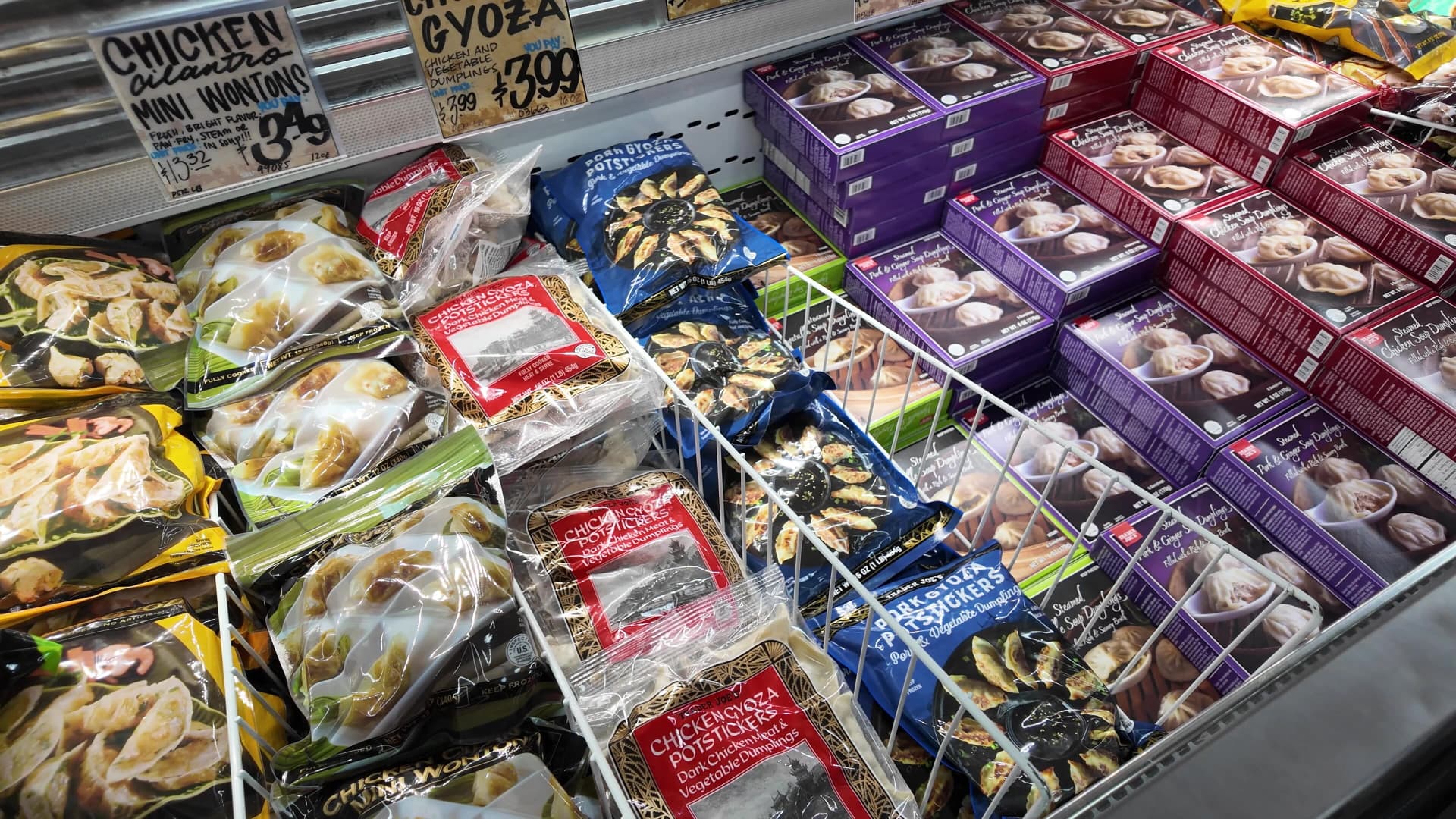
Surge in Asian Grocery Sales in U.S. Supermarkets

- Market Demand Surge: Geem's seaweed snacks entered Whole Foods within three months of launch, indicating strong consumer interest in Asian snacks, with projections suggesting the Asian snacking market could reach billions by 2030, driving rapid company growth.
- Significant Sales Growth: According to Circana, sales of Asian grocery items jumped from $1.57 billion in 2021 to over $2.31 billion this year, reflecting a notable increase in acceptance and demand for Asian flavors in the U.S. market.
- Demographic Shifts: The Asian population in the U.S. has more than doubled since 2000, now representing 7% of the total population, a change that not only drives consumption of Asian foods but also enhances cultural diversity and flavor exploration, influencing product offerings in mainstream markets.
- Retailer Strategic Adjustments: Major retailers like Whole Foods and Target are expanding their Asian food product lines and shelf space to attract a broader consumer base, aiming to mainstream Asian flavors and enhance overall sales performance.
See More

Best Buy Reports Strong Q1 Results, Exceeds Expectations


- Performance Growth: Best Buy's Q1 revenue reached $8.94 billion, a 2% increase year-over-year, surpassing market expectations of $8.83 billion, indicating positive sales growth across major product categories despite a decline in appliance sales.
- Profitability Improvement: The company reported a net income of $276 million, or $1.31 per share, significantly up from $202 million and $0.95 per share a year ago, reflecting success in expanding operating income rates and EPS growth.
- Leadership Transition: New CEO Jason Bonfig is set to take over on November 1, replacing current CEO Corie Barry, who stated that this is the right time for a leadership transition to drive sales growth and accelerate business development.
- Market Outlook: Despite challenges from higher tariffs and declining consumer confidence, Best Buy maintains its full-year revenue guidance between $41.2 billion and $42.1 billion, demonstrating confidence in future market conditions and strategic planning.
See More

Best Buy Reports Better-Than-Expected Q1 Earnings Amid Leadership Change
- Earnings Growth Highlight: Best Buy reported first fiscal quarter revenue of $8.94 billion, a slight increase from $8.77 billion last year, exceeding market expectations of $8.83 billion, indicating positive progress in sales recovery efforts.
- Profitability Improvement: The company posted adjusted earnings per share of $1.28, surpassing analyst expectations of $1.23, with net income rising to $276 million from $202 million a year ago, reflecting improvements in cost control and operational efficiency.
- Leadership Change: Current CEO Corie Barry announced her resignation this fall, with Jason Bonfig set to take over on November 1, a leadership transition aimed at accelerating sales growth and enhancing customer experience, demonstrating the company's commitment to future development.
- Market Challenges and Opportunities: Despite facing challenges from higher tariffs and declining consumer confidence, Best Buy achieved a 2% comparable sales growth in gaming, computing, and mobile services, indicating that the company's strategic adjustments in product and service diversification are yielding results.
See More

Walmart Upgrades Omnichannel Capabilities Reshaping Retail Landscape
- Omnichannel Enhancement: Walmart's upgraded omnichannel capabilities are reshaping how consumers balance price, convenience, and delivery options, thereby strengthening its position in a highly competitive retail market.
- Competitive Comparison: Walmart's strategy contrasts sharply with Target's experience-driven approach, highlighting Walmart's flexibility and adaptability in meeting diverse consumer needs.
- Intensified Market Competition: As competition in the retail sector intensifies, Walmart's omnichannel upgrades enable it to more effectively respond to challenges from other major retailers, enhancing its market share.
- Shifting Consumer Behavior: With evolving consumer demands for price and convenience, Walmart's omnichannel strategy aims to address these needs, thereby increasing customer loyalty and purchase frequency.
See More

Walmart Enhances Delivery Capabilities to Strengthen Competitive Edge
- Delivery Capability Upgrade: Walmart's enhancements to its delivery and mobile ordering systems significantly improve everyday shopping convenience, optimizing the balance between price, convenience, and delivery options for consumers, thereby strengthening its market competitiveness.
- Market Strategy Comparison: Unlike Walmart's price competition strategy, Target is focusing on enhancing the high-end in-store experience, attempting to attract consumers through differentiated services, although this may place it at a disadvantage in price competition.
- Omnichannel Capability Reshaping: Walmart's omnichannel capabilities are reshaping how consumers shop, particularly among major retailers, as shoppers increasingly prioritize convenience and delivery options, which could impact Target's market share.
- Investor Attention: Although Target did not make it onto The Motley Fool's list of top stocks, Walmart's ongoing innovation and market adaptability may draw more investor interest in its stock performance.
See More
Executive Trades: Activity Across Baidu, Target, and More
- Executive Sell-off: Target CEO Brian Cornell sold 50,000 shares between May 25 and 29 at prices ranging from $129.84 to $130.54, totaling approximately $6.49 million, reducing his stake to 327,271 shares, indicating a cautious outlook on the company's future performance.
- Baidu Director Liquidation: Baidu director Jixun Foo disposed of all his holdings, selling 122,584 shares at $16.32 each for a total of about $2 million, which may reflect concerns regarding the company's prospects.
- Executive Acquisition: Enphase Energy CEO Badrinarayanan Kothandaraman acquired 5,000 shares at $67.50 each, valued at approximately $337,482, increasing his holdings to 1.75 million shares, demonstrating confidence in the company's growth potential.
- Bulk Transactions: Prospect Capital CEO John Barry purchased a total of 865,000 shares across three transactions for about $1.99 million, raising his total holdings to 87.55 million shares, indicating optimism about the company's long-term development.
See More
Surge in Asian Grocery Sales in U.S. Supermarkets
- Market Demand Surge: Geem's seaweed snacks entered Whole Foods within three months of launch, indicating strong consumer interest in Asian snacks, with projections suggesting the Asian snacking market could reach billions by 2030, driving rapid company growth.
- Significant Sales Growth: According to Circana, sales of Asian grocery items jumped from $1.57 billion in 2021 to over $2.31 billion this year, reflecting a notable increase in acceptance and demand for Asian flavors in the U.S. market.
- Demographic Shifts: The Asian population in the U.S. has more than doubled since 2000, now representing 7% of the total population, a change that not only drives consumption of Asian foods but also enhances cultural diversity and flavor exploration, influencing product offerings in mainstream markets.
- Retailer Strategic Adjustments: Major retailers like Whole Foods and Target are expanding their Asian food product lines and shelf space to attract a broader consumer base, aiming to mainstream Asian flavors and enhance overall sales performance.
See More
Best Buy Reports Strong Q1 Results, Exceeds Expectations
- Performance Growth: Best Buy's Q1 revenue reached $8.94 billion, a 2% increase year-over-year, surpassing market expectations of $8.83 billion, indicating positive sales growth across major product categories despite a decline in appliance sales.
- Profitability Improvement: The company reported a net income of $276 million, or $1.31 per share, significantly up from $202 million and $0.95 per share a year ago, reflecting success in expanding operating income rates and EPS growth.
- Leadership Transition: New CEO Jason Bonfig is set to take over on November 1, replacing current CEO Corie Barry, who stated that this is the right time for a leadership transition to drive sales growth and accelerate business development.
- Market Outlook: Despite challenges from higher tariffs and declining consumer confidence, Best Buy maintains its full-year revenue guidance between $41.2 billion and $42.1 billion, demonstrating confidence in future market conditions and strategic planning.
See More
Best Buy Reports Better-Than-Expected Q1 Earnings Amid Leadership Change
- Earnings Growth Highlight: Best Buy reported first fiscal quarter revenue of $8.94 billion, a slight increase from $8.77 billion last year, exceeding market expectations of $8.83 billion, indicating positive progress in sales recovery efforts.
- Profitability Improvement: The company posted adjusted earnings per share of $1.28, surpassing analyst expectations of $1.23, with net income rising to $276 million from $202 million a year ago, reflecting improvements in cost control and operational efficiency.
- Leadership Change: Current CEO Corie Barry announced her resignation this fall, with Jason Bonfig set to take over on November 1, a leadership transition aimed at accelerating sales growth and enhancing customer experience, demonstrating the company's commitment to future development.
- Market Challenges and Opportunities: Despite facing challenges from higher tariffs and declining consumer confidence, Best Buy achieved a 2% comparable sales growth in gaming, computing, and mobile services, indicating that the company's strategic adjustments in product and service diversification are yielding results.
See More
Walmart Upgrades Omnichannel Capabilities Reshaping Retail Landscape
- Omnichannel Enhancement: Walmart's upgraded omnichannel capabilities are reshaping how consumers balance price, convenience, and delivery options, thereby strengthening its position in a highly competitive retail market.
- Competitive Comparison: Walmart's strategy contrasts sharply with Target's experience-driven approach, highlighting Walmart's flexibility and adaptability in meeting diverse consumer needs.
- Intensified Market Competition: As competition in the retail sector intensifies, Walmart's omnichannel upgrades enable it to more effectively respond to challenges from other major retailers, enhancing its market share.
- Shifting Consumer Behavior: With evolving consumer demands for price and convenience, Walmart's omnichannel strategy aims to address these needs, thereby increasing customer loyalty and purchase frequency.
See More
Walmart Enhances Delivery Capabilities to Strengthen Competitive Edge
- Delivery Capability Upgrade: Walmart's enhancements to its delivery and mobile ordering systems significantly improve everyday shopping convenience, optimizing the balance between price, convenience, and delivery options for consumers, thereby strengthening its market competitiveness.
- Market Strategy Comparison: Unlike Walmart's price competition strategy, Target is focusing on enhancing the high-end in-store experience, attempting to attract consumers through differentiated services, although this may place it at a disadvantage in price competition.
- Omnichannel Capability Reshaping: Walmart's omnichannel capabilities are reshaping how consumers shop, particularly among major retailers, as shoppers increasingly prioritize convenience and delivery options, which could impact Target's market share.
- Investor Attention: Although Target did not make it onto The Motley Fool's list of top stocks, Walmart's ongoing innovation and market adaptability may draw more investor interest in its stock performance.
See More