Clean Energy ETFs Reach New Peaks as Renewable Energy Surge Overcomes Policy Doubts


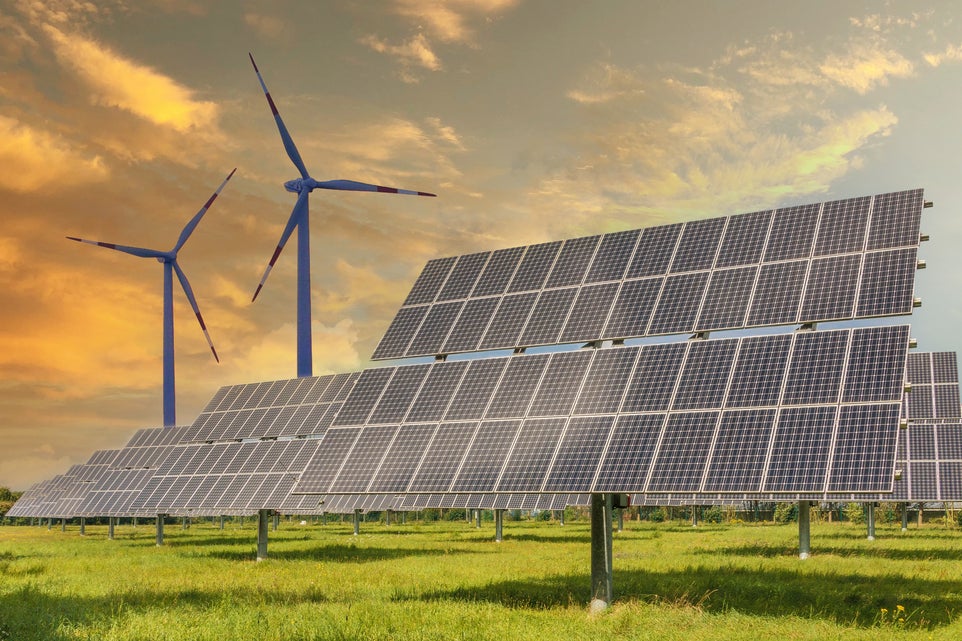
Clean Energy ETFs Performance: Clean energy ETFs, including the iShares Global Clean Energy ETF and Global X Cleantech ETF, have reached new 52-week highs, driven by strong demand for solar and wind power despite political uncertainties.
Investment Trends: Gimbal Financial has significantly invested in the ICLN ETF, reflecting a broader trend of increasing corporate spending and investment in renewables, which have surged to nearly $400 billion in the first half of 2025.
Market Resilience: The clean energy sector has outperformed the broader market, with the S&P Global Clean Energy Transition Index up around 50% year-to-date, contrasting with the S&P 500's 16% gain, indicating strong investor confidence in the transition to renewables.
Key Players and Growth: Companies like First Solar and Bloom Energy have seen substantial stock increases, highlighting the ongoing enthusiasm for clean technology innovation, even amidst political fluctuations affecting the sector.
Trade with 70% Backtested Accuracy
Analyst Views on FSLR

About FSLR
About the author

First Solar Faces Class Action Lawsuit Reminder
- Class Action Reminder: The Schall Law Firm reminds investors of a class action lawsuit against First Solar for violations of securities laws, concerning securities transactions between February 26, 2025, and February 24, 2026, with a deadline to contact by August 24, 2026.
- False Statement Allegations: The complaint alleges that First Solar made false and misleading statements regarding its ability to mitigate tariff impacts, particularly overstating its capacity to shift operations from Malaysia and Vietnam to the U.S.
- Investor Losses: As the market learned the truth about First Solar, investors suffered damages, indicating that the company's public statements were false and materially misleading throughout the class period.
- Legal Consultation Opportunity: The Schall Law Firm offers free consultations and encourages affected shareholders to reach out to discuss their rights, noting that the class has not yet been certified, meaning those who take no action will remain absent class members.

Reminder of Class Action Lawsuit for First Solar Securities
- Class Action Notice: Rosen Law Firm reminds investors who purchased First Solar (NASDAQ: FSLR) securities between February 26, 2025, and February 24, 2026, to apply as lead plaintiffs by August 24, 2026, to participate in the class action, as those who do not may miss out on compensation.
- Lawsuit Background: The lawsuit alleges that First Solar made materially false and misleading statements during the class period, failing to disclose its inadequate management of U.S. tariff policy impacts, resulting in investor losses when the truth emerged.
- Law Firm Credentials: Rosen Law Firm specializes in securities class actions and has achieved the largest settlement against a Chinese company, highlighting its successful track record, which investors should consider when selecting legal counsel.
- Investor Action Advice: Investors can visit the Rosen Law Firm website or call the toll-free number for more information, ensuring they choose qualified legal representation to protect their rights in the class action, as unclassified members are not legally represented during this period.

First Solar and Others Under Shareholder Investigation

- Shareholder Investigation Launched: Grabar Law Office is investigating whether officers and directors of First Solar, Inc. breached their fiduciary duties, affecting shareholders who purchased shares before February 26, 2025, potentially exposing the company to legal and financial risks.
- False Statement Allegations: A recently filed securities fraud class action alleges that First Solar's executives overstated the company's ability to manage U.S. tariff impacts and failed to disclose the negative effects of underutilized production facilities on projected performance for fiscal year 2026, risking shareholder losses.
- Hub Group Faces Similar Issues: Hub Group, Inc. is also under investigation by Grabar Law Office for alleged material misstatements in financial statements from Q1 2023 to Q4 2024, which could undermine financial transparency and investor confidence.
- Navan and ZoomInfo Investigations: Navan, Inc. and ZoomInfo Technologies, Inc. are similarly facing shareholder investigations regarding whether executives failed to disclose critical information affecting company performance, potentially leading shareholders to seek governance reforms to protect their interests.
Multiple Companies Face Class Action Lawsuits

- Embecta Class Action: Embecta Corp. faces a class action lawsuit for the period from November 25, 2025, to May 4, 2026, alleging failure to disclose weaknesses in the U.S. pen needle market, impacting revenue guidance, with a lead plaintiff deadline of August 17, 2026.
- Black Rock Coffee Lawsuit: Black Rock Coffee Bar, Inc. is accused in a class action from September 12, 2025, to May 12, 2026, of overstating its expansion strategy while failing to disclose that new store openings cannibalized existing revenue, requiring investors to act by August 17, 2026.
- First Solar Legal Issues: First Solar, Inc. is involved in a class action for the period from February 26, 2025, to February 24, 2026, with allegations of misrepresenting the impact of U.S. tariff policies on its business, misleading investors about its performance, and a lead plaintiff deadline of August 24, 2026.
- Legal Consultation Opportunity: The Law Offices of Frank R. Cruz encourage investors who suffered losses during these periods to contact them for legal advice to ensure their rights are protected in these class actions.
First Solar Faces Class Action Lawsuit Over Securities Violations
- Class Action Initiated: Bronstein, Gewirtz & Grossman LLC has filed a class action lawsuit against First Solar and certain officers, aiming to recover damages for investors who purchased the company's securities between February 26, 2025, and February 24, 2026, highlighting concerns over potential financial losses for investors.
- Allegations of False Statements: The complaint alleges that throughout the class period, defendants made materially false and misleading statements and failed to disclose adverse facts related to U.S. tariff policies, which could mislead investors regarding the company's future performance and impact market confidence.
- Overstated Production Capacity: The lawsuit claims that defendants overstated First Solar's ability to manage the impact of U.S. tariff policies, particularly underestimating the negative effects of underutilizing production facilities in Malaysia and Vietnam on projected performance for fiscal year 2026, potentially leading to a decline in company performance.
- Investor Rights Protection: Investors have until August 24, 2026, to request to be appointed as lead plaintiff, with the law firm offering services on a contingency fee basis, demonstrating a commitment to protecting investor rights and interests.
First Solar Faces Class Action Lawsuit Over Securities Violations
- Class Action Filed: Pomerantz LLP has initiated a class action lawsuit against First Solar and certain executives in the U.S. District Court for the Eastern District of New York, representing investors who purchased the company's securities between February 26, 2025, and February 24, 2026, seeking damages for violations of federal securities laws.
- Capacity Misrepresentation: The lawsuit alleges that First Solar overstated its ability to manage the impact of U.S. tariff policies and failed to disclose that underutilization of production facilities in Malaysia and Vietnam would negatively affect projected performance for fiscal year 2026, misleading investors.
- Stock Price Volatility: Following Jefferies' downgrade of First Solar to Hold on January 7, 2026, the stock price fell by 10.29% to $241.11, and after a disappointing earnings report on February 24, 2026, it dropped another 13.61% to $210.12, reflecting market concerns about the company's outlook.
- Potential Legal Consequences: This lawsuit could result in significant financial liabilities for First Solar, damage to its reputation, and a decline in investor confidence, potentially impacting its future financing capabilities and competitive position in the market.
First Solar Faces Class Action Lawsuit Reminder
- Class Action Reminder: The Schall Law Firm reminds investors of a class action lawsuit against First Solar for violations of securities laws, concerning securities transactions between February 26, 2025, and February 24, 2026, with a deadline to contact by August 24, 2026.
- False Statement Allegations: The complaint alleges that First Solar made false and misleading statements regarding its ability to mitigate tariff impacts, particularly overstating its capacity to shift operations from Malaysia and Vietnam to the U.S.
- Investor Losses: As the market learned the truth about First Solar, investors suffered damages, indicating that the company's public statements were false and materially misleading throughout the class period.
- Legal Consultation Opportunity: The Schall Law Firm offers free consultations and encourages affected shareholders to reach out to discuss their rights, noting that the class has not yet been certified, meaning those who take no action will remain absent class members.
Reminder of Class Action Lawsuit for First Solar Securities
- Class Action Notice: Rosen Law Firm reminds investors who purchased First Solar (NASDAQ: FSLR) securities between February 26, 2025, and February 24, 2026, to apply as lead plaintiffs by August 24, 2026, to participate in the class action, as those who do not may miss out on compensation.
- Lawsuit Background: The lawsuit alleges that First Solar made materially false and misleading statements during the class period, failing to disclose its inadequate management of U.S. tariff policy impacts, resulting in investor losses when the truth emerged.
- Law Firm Credentials: Rosen Law Firm specializes in securities class actions and has achieved the largest settlement against a Chinese company, highlighting its successful track record, which investors should consider when selecting legal counsel.
- Investor Action Advice: Investors can visit the Rosen Law Firm website or call the toll-free number for more information, ensuring they choose qualified legal representation to protect their rights in the class action, as unclassified members are not legally represented during this period.
First Solar and Others Under Shareholder Investigation
- Shareholder Investigation Launched: Grabar Law Office is investigating whether officers and directors of First Solar, Inc. breached their fiduciary duties, affecting shareholders who purchased shares before February 26, 2025, potentially exposing the company to legal and financial risks.
- False Statement Allegations: A recently filed securities fraud class action alleges that First Solar's executives overstated the company's ability to manage U.S. tariff impacts and failed to disclose the negative effects of underutilized production facilities on projected performance for fiscal year 2026, risking shareholder losses.
- Hub Group Faces Similar Issues: Hub Group, Inc. is also under investigation by Grabar Law Office for alleged material misstatements in financial statements from Q1 2023 to Q4 2024, which could undermine financial transparency and investor confidence.
- Navan and ZoomInfo Investigations: Navan, Inc. and ZoomInfo Technologies, Inc. are similarly facing shareholder investigations regarding whether executives failed to disclose critical information affecting company performance, potentially leading shareholders to seek governance reforms to protect their interests.
Multiple Companies Face Class Action Lawsuits
- Embecta Class Action: Embecta Corp. faces a class action lawsuit for the period from November 25, 2025, to May 4, 2026, alleging failure to disclose weaknesses in the U.S. pen needle market, impacting revenue guidance, with a lead plaintiff deadline of August 17, 2026.
- Black Rock Coffee Lawsuit: Black Rock Coffee Bar, Inc. is accused in a class action from September 12, 2025, to May 12, 2026, of overstating its expansion strategy while failing to disclose that new store openings cannibalized existing revenue, requiring investors to act by August 17, 2026.
- First Solar Legal Issues: First Solar, Inc. is involved in a class action for the period from February 26, 2025, to February 24, 2026, with allegations of misrepresenting the impact of U.S. tariff policies on its business, misleading investors about its performance, and a lead plaintiff deadline of August 24, 2026.
- Legal Consultation Opportunity: The Law Offices of Frank R. Cruz encourage investors who suffered losses during these periods to contact them for legal advice to ensure their rights are protected in these class actions.
First Solar Faces Class Action Lawsuit Over Securities Violations
- Class Action Initiated: Bronstein, Gewirtz & Grossman LLC has filed a class action lawsuit against First Solar and certain officers, aiming to recover damages for investors who purchased the company's securities between February 26, 2025, and February 24, 2026, highlighting concerns over potential financial losses for investors.
- Allegations of False Statements: The complaint alleges that throughout the class period, defendants made materially false and misleading statements and failed to disclose adverse facts related to U.S. tariff policies, which could mislead investors regarding the company's future performance and impact market confidence.
- Overstated Production Capacity: The lawsuit claims that defendants overstated First Solar's ability to manage the impact of U.S. tariff policies, particularly underestimating the negative effects of underutilizing production facilities in Malaysia and Vietnam on projected performance for fiscal year 2026, potentially leading to a decline in company performance.
- Investor Rights Protection: Investors have until August 24, 2026, to request to be appointed as lead plaintiff, with the law firm offering services on a contingency fee basis, demonstrating a commitment to protecting investor rights and interests.
First Solar Faces Class Action Lawsuit Over Securities Violations
- Class Action Filed: Pomerantz LLP has initiated a class action lawsuit against First Solar and certain executives in the U.S. District Court for the Eastern District of New York, representing investors who purchased the company's securities between February 26, 2025, and February 24, 2026, seeking damages for violations of federal securities laws.
- Capacity Misrepresentation: The lawsuit alleges that First Solar overstated its ability to manage the impact of U.S. tariff policies and failed to disclose that underutilization of production facilities in Malaysia and Vietnam would negatively affect projected performance for fiscal year 2026, misleading investors.
- Stock Price Volatility: Following Jefferies' downgrade of First Solar to Hold on January 7, 2026, the stock price fell by 10.29% to $241.11, and after a disappointing earnings report on February 24, 2026, it dropped another 13.61% to $210.12, reflecting market concerns about the company's outlook.
- Potential Legal Consequences: This lawsuit could result in significant financial liabilities for First Solar, damage to its reputation, and a decline in investor confidence, potentially impacting its future financing capabilities and competitive position in the market.