Chinese AI Labs Gain Cost Advantage Over U.S. Competitors
Written by Emily J. Thompson, Senior Investment Analyst
Updated: May 20 2026
0mins

Source: Newsfilter
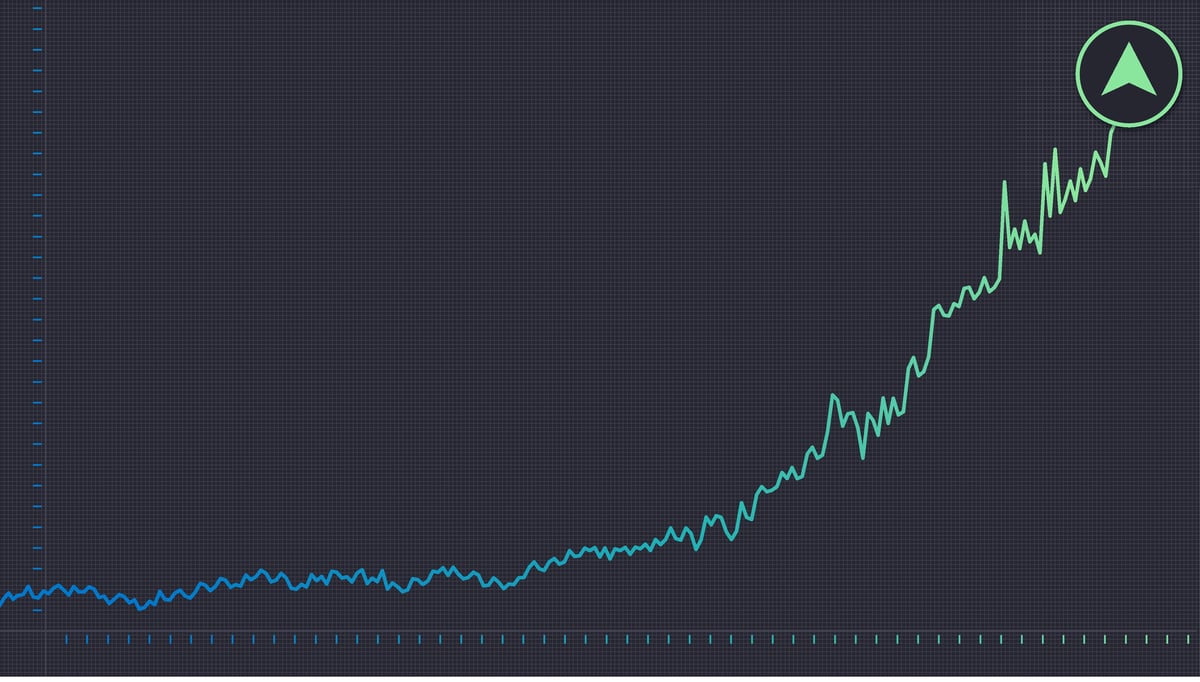
- Market Share Shift: Chinese AI models are capturing an increasing share of enterprise AI traffic, rising from 1% in 2024 to over 60% by May 2025, indicating a growing focus on cost-effectiveness that threatens OpenAI and Anthropic's market dominance.
- Significant Cost Comparison: AI benchmarking reveals that Anthropic's Claude model costs $4,811, while China's Zhipu GLM only costs $544 for the same workload, highlighting the cost advantage of Chinese labs that may drive enterprise customers to cheaper alternatives.
- Surge in Enterprise Spending: A survey indicates that 45% of companies are spending over $100,000 monthly on AI in 2025, a significant increase from the previous year, suggesting heightened sensitivity to AI costs that could impact OpenAI and Anthropic's IPO valuations.
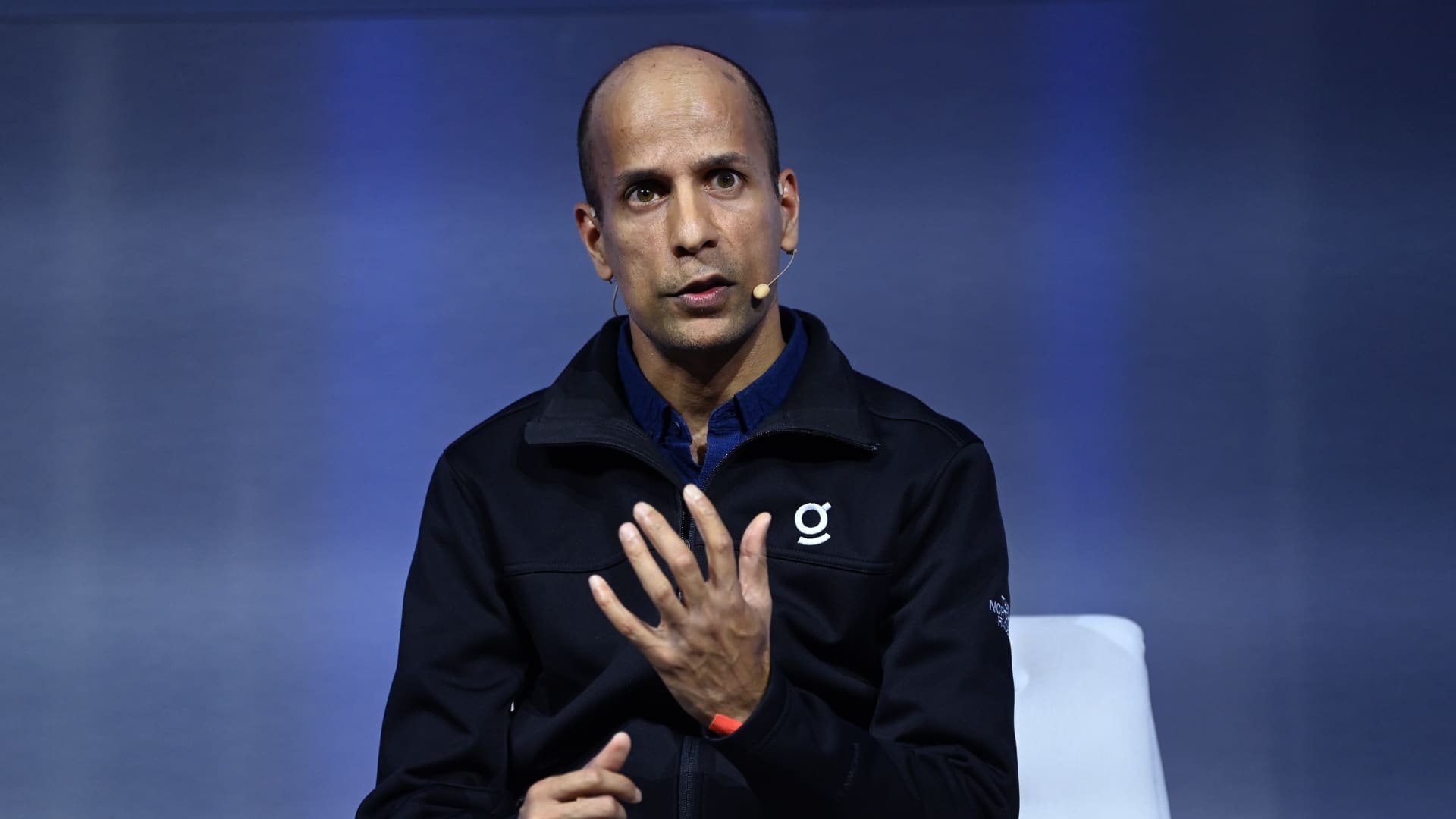
- Accelerated Technological Shift: The CEO of Databricks noted that enterprises are adopting an
Trade with 70% Backtested Accuracy
Stop guessing "Should I Buy FIG?" and start using high-conviction signals backed by rigorous historical data.
Sign up today to access powerful investing tools and make smarter, data-driven decisions.
Analyst Views on FIG
Wall Street analysts forecast FIG stock price to rise
9 Analyst Rating
3 Buy
6 Hold
0 Sell
Moderate Buy
Current: 23.460

Low
38.00
Averages
53.13
High
70.00
Current: 23.460
Low
38.00
Averages
53.13
High
70.00
About FIG
Figma, Inc. designs and develops platforms for people who build digital products together. The Company helps cross-functional teams align and build software more efficiently and ensure the advanced access and controls that large organizations require. Its products include Figma Design, Dev Mode, Figma Sites, Figma Make, Figma Draw, Figma Buzz, FigJam and Figma Slides. Figma Sites is a product that lets clients design a Website and directly publish it to the Web, with a custom URL. Figma Make is an AI-powered tool that turns a prompt into a fully functional prototype. Figma Buzz is a product for easily creating marketing assets (like social media assets and digital ads) at a scale that is consistent with brand or visual identity. Figma Draw provides a space for finer vector editing required when drawing detailed iconography and product illustrations. Figma Design combines powerful features with a collaborative workspace to help teams design and build better products together.
About the author

Emily J. Thompson
Emily J. Thompson, a Chartered Financial Analyst (CFA) with 12 years in investment research, graduated with honors from the Wharton School. Specializing in industrial and technology stocks, she provides in-depth analysis for Intellectia’s earnings and market brief reports.

The Reality of AI Threatening SaaS Companies


- SaaS Stock Decline: ServiceNow and Palantir Technologies have seen their stock prices drop by 33% and 23%, respectively, reflecting market concerns about the viability of traditional SaaS models in an AI-driven landscape, leading to diminished investor confidence and impacting company valuations.
- Rise of Agentic AI: Agentic AI renders many functions of SaaS software redundant, allowing clients to automate data analysis and marketing campaigns, thereby reducing demand for traditional SaaS subscriptions and affecting long-term revenue models.
- Transformation Challenges: Although ServiceNow and Palantir have made strides in AI, their legacy business models face challenges, particularly as older technology SaaS companies may lose market share during the transition, impacting their competitive edge.
- Valuation Risks: Despite demonstrating strong growth potential, ServiceNow and Palantir trade at trailing P/E ratios of 61 and 154, respectively, indicating that even at lower price points, investors should carefully assess their future investment return potential.
See More
AI Budget Crisis: Corporations Face Tough Choices


- Budget Overruns: Corporate AI budgets are being exhausted within one to two months, far exceeding expectations, forcing CFOs to make tough choices between technology and human resources, highlighting a misjudgment of AI costs by enterprises.
- Resource Allocation Shift: Leadership teams are reassessing the relationship between AI spending and employee numbers, with many companies potentially sacrificing future headcount growth in pursuit of AI efficiency, impacting overall operational strategies.
- Tech vs. Cost Comparison: For the first time, the cost of AI technology is on par with human labor, compelling companies to make difficult choices between tech investments and workforce resources, a situation unprecedented in history that could lead to fundamental changes in business operations.
- Inefficiency Challenges: Despite the power of AI technology, its inefficiency is evident, with 95% of enterprise AI usage still relying on the most expensive frontier models, necessitating optimization in model selection to reduce costs and enhance overall profitability.
See More

IPO Market Heats Up, Investors Should Be Cautious


- IPO Market Revival: Cerebras Systems has successfully debuted, and SpaceX is poised to become the largest IPO, although with only about 100 companies going public compared to over 450 in 1999, indicating a cautious market sentiment.
- Performance Comparison: In 1999, over 450 companies went public with Akamai Technologies seeing a staggering 524% first-day gain, while Figma and Circle Internet had first-day gains of 250% and 168% respectively, but current performances are more muted, reflecting a shift in market sentiment.
- Investment Strategy Recommendation: Analysts suggest that investors utilize ETFs like the Vanguard S&P 500 ETF to mitigate emotional decision-making by consistently investing, thus avoiding impulsive actions during market fluctuations.
- Long-Term Return Potential: The Vanguard S&P 500 ETF has achieved an average annual return of approximately 15.5% over the past decade, and while it may not be as thrilling as investing in soaring AI stocks or hot IPOs, a long-term dollar-cost averaging strategy is considered a sound approach for wealth accumulation.
See More

Findell Capital Urges Figma to Cut Costs and Review Anthropic Ties
- Cost Reduction Initiative: Findell Capital Management is urging Figma to cut costs and reassess its relationship with Anthropic following the launch of Claude Design, with Figma's shares rising 2.6%, indicating market optimism about potential changes.
- Product Line Streamlining: Findell recommends that Figma focus on core products such as Design, Dev Mode, FigJam, and Make, planning to sunset or repackage other offerings to enhance operational efficiency and strengthen market competitiveness.
- Compensation Practices Adjustment: The investor wants Figma to align its compensation practices with industry norms and gradually adjust its cost structure to match larger SaaS peers, thereby improving overall profitability.
- Independent Investigation Request: Findell also calls for an independent investigation to evaluate whether Anthropic improperly used Figma's confidential information, emphasizing the importance of corporate governance and transparency to better unlock potential value.
See More

Findell Capital Urges Figma to Focus on Product and Cost Rationalization
- Product Focus Recommendation: Findell Capital suggests that Figma streamline its product portfolio by concentrating on core offerings like Design, Dev Mode, FigJam, and Make, which would enable better utilization of engineering and product resources, thereby enhancing market competitiveness and accelerating product development speed.
- Cost Rationalization: With R&D spending projected to exceed 30% of revenues in 2026, Findell believes this figure should be significantly reduced to align with industry norms for SaaS companies, ultimately improving profit margins.
- Board Governance Review: Findell expresses concerns regarding the dynamics of Figma's board, particularly in relation to its ties with competitor Anthropic, urging an independent investigation to assess any potential improper use of Figma's confidential information.
- Market Misunderstanding and Value Unlocking: Findell asserts that Figma is a generational company that is currently misunderstood by the market, and improving margins and governance will help unlock additional value while enabling the market to better recognize its potential as a high-quality asset.
See More

FTSE Russell Announces Changes to Russell 3000 Index

- Index Changes Effective: FTSE Russell's reconstitution of the Russell 3000 Index will take effect after the US market close on June 26, aiming to better reflect the performance of the 3,000 largest U.S. companies, which represent approximately 98% of the investable U.S. equity market, potentially influencing investor asset allocation strategies.
- New Additions: Newly added companies in the information technology sector include CoreWeave (CRWV), Iren Limited (IREN), BitMine Immersion (BMNR), Wolfspeed (WOLF), and Figma (FIG), which may attract increased investor attention and enhance their market liquidity.
- Exiting Companies: Companies such as MicroVision (MVIS), Rezolve AI (RZLV), Kulr Technology Group (KULR), Airship AI Holdings (AISP), and AudioEye Inc. (AEYE) will exit the index, which could pressure their stock prices and impact investor confidence.
- Market Reaction Anticipation: With the entry of new companies and the exit of others, market volatility is expected, prompting investors to closely monitor the potential impacts of these changes on the financial performance and market positioning of the affected companies.
See More
The Reality of AI Threatening SaaS Companies
- SaaS Stock Decline: ServiceNow and Palantir Technologies have seen their stock prices drop by 33% and 23%, respectively, reflecting market concerns about the viability of traditional SaaS models in an AI-driven landscape, leading to diminished investor confidence and impacting company valuations.
- Rise of Agentic AI: Agentic AI renders many functions of SaaS software redundant, allowing clients to automate data analysis and marketing campaigns, thereby reducing demand for traditional SaaS subscriptions and affecting long-term revenue models.
- Transformation Challenges: Although ServiceNow and Palantir have made strides in AI, their legacy business models face challenges, particularly as older technology SaaS companies may lose market share during the transition, impacting their competitive edge.
- Valuation Risks: Despite demonstrating strong growth potential, ServiceNow and Palantir trade at trailing P/E ratios of 61 and 154, respectively, indicating that even at lower price points, investors should carefully assess their future investment return potential.
See More
AI Budget Crisis: Corporations Face Tough Choices
- Budget Overruns: Corporate AI budgets are being exhausted within one to two months, far exceeding expectations, forcing CFOs to make tough choices between technology and human resources, highlighting a misjudgment of AI costs by enterprises.
- Resource Allocation Shift: Leadership teams are reassessing the relationship between AI spending and employee numbers, with many companies potentially sacrificing future headcount growth in pursuit of AI efficiency, impacting overall operational strategies.
- Tech vs. Cost Comparison: For the first time, the cost of AI technology is on par with human labor, compelling companies to make difficult choices between tech investments and workforce resources, a situation unprecedented in history that could lead to fundamental changes in business operations.
- Inefficiency Challenges: Despite the power of AI technology, its inefficiency is evident, with 95% of enterprise AI usage still relying on the most expensive frontier models, necessitating optimization in model selection to reduce costs and enhance overall profitability.
See More
IPO Market Heats Up, Investors Should Be Cautious
- IPO Market Revival: Cerebras Systems has successfully debuted, and SpaceX is poised to become the largest IPO, although with only about 100 companies going public compared to over 450 in 1999, indicating a cautious market sentiment.
- Performance Comparison: In 1999, over 450 companies went public with Akamai Technologies seeing a staggering 524% first-day gain, while Figma and Circle Internet had first-day gains of 250% and 168% respectively, but current performances are more muted, reflecting a shift in market sentiment.
- Investment Strategy Recommendation: Analysts suggest that investors utilize ETFs like the Vanguard S&P 500 ETF to mitigate emotional decision-making by consistently investing, thus avoiding impulsive actions during market fluctuations.
- Long-Term Return Potential: The Vanguard S&P 500 ETF has achieved an average annual return of approximately 15.5% over the past decade, and while it may not be as thrilling as investing in soaring AI stocks or hot IPOs, a long-term dollar-cost averaging strategy is considered a sound approach for wealth accumulation.
See More
Findell Capital Urges Figma to Cut Costs and Review Anthropic Ties
- Cost Reduction Initiative: Findell Capital Management is urging Figma to cut costs and reassess its relationship with Anthropic following the launch of Claude Design, with Figma's shares rising 2.6%, indicating market optimism about potential changes.
- Product Line Streamlining: Findell recommends that Figma focus on core products such as Design, Dev Mode, FigJam, and Make, planning to sunset or repackage other offerings to enhance operational efficiency and strengthen market competitiveness.
- Compensation Practices Adjustment: The investor wants Figma to align its compensation practices with industry norms and gradually adjust its cost structure to match larger SaaS peers, thereby improving overall profitability.
- Independent Investigation Request: Findell also calls for an independent investigation to evaluate whether Anthropic improperly used Figma's confidential information, emphasizing the importance of corporate governance and transparency to better unlock potential value.
See More
Findell Capital Urges Figma to Focus on Product and Cost Rationalization
- Product Focus Recommendation: Findell Capital suggests that Figma streamline its product portfolio by concentrating on core offerings like Design, Dev Mode, FigJam, and Make, which would enable better utilization of engineering and product resources, thereby enhancing market competitiveness and accelerating product development speed.
- Cost Rationalization: With R&D spending projected to exceed 30% of revenues in 2026, Findell believes this figure should be significantly reduced to align with industry norms for SaaS companies, ultimately improving profit margins.
- Board Governance Review: Findell expresses concerns regarding the dynamics of Figma's board, particularly in relation to its ties with competitor Anthropic, urging an independent investigation to assess any potential improper use of Figma's confidential information.
- Market Misunderstanding and Value Unlocking: Findell asserts that Figma is a generational company that is currently misunderstood by the market, and improving margins and governance will help unlock additional value while enabling the market to better recognize its potential as a high-quality asset.
See More
FTSE Russell Announces Changes to Russell 3000 Index
- Index Changes Effective: FTSE Russell's reconstitution of the Russell 3000 Index will take effect after the US market close on June 26, aiming to better reflect the performance of the 3,000 largest U.S. companies, which represent approximately 98% of the investable U.S. equity market, potentially influencing investor asset allocation strategies.
- New Additions: Newly added companies in the information technology sector include CoreWeave (CRWV), Iren Limited (IREN), BitMine Immersion (BMNR), Wolfspeed (WOLF), and Figma (FIG), which may attract increased investor attention and enhance their market liquidity.
- Exiting Companies: Companies such as MicroVision (MVIS), Rezolve AI (RZLV), Kulr Technology Group (KULR), Airship AI Holdings (AISP), and AudioEye Inc. (AEYE) will exit the index, which could pressure their stock prices and impact investor confidence.
- Market Reaction Anticipation: With the entry of new companies and the exit of others, market volatility is expected, prompting investors to closely monitor the potential impacts of these changes on the financial performance and market positioning of the affected companies.
See More