

Beyond Meat Q3 Outlook: Investors Anticipate Growth and Future Strategies in Delayed Report

Earnings Report Delay: Beyond Meat Inc is set to report its third-quarter financial results after a delay, with analysts expecting revenue of $68.96 million, a decrease from $81.01 million last year, and a loss of 31 cents per share.
Social Media Interest: The company has gained significant attention on social media, becoming the fifth most-searched ticker in October, which has contributed to a rise in its stock price to $3, the highest in four months.
Analyst Ratings and Valuation Concerns: Analysts have expressed concerns about Beyond Meat's valuation, with several maintaining negative ratings and lowering price targets, indicating skepticism about the company's future performance.
Investor Sentiment and Future Guidance: Investors are eager for positive financial results and guidance on debt levels and sales demand, as a lack of strong commentary could lead to diminished interest in the stock rally.
Trade with 70% Backtested Accuracy
Analyst Views on BYND

About BYND
About the author


High Short Interest Concentrated in Small-Cap Consumer Stocks


- Highest Short Interest: Ridgetech (RDGT) leads with a staggering 70.1% of shares sold short, indicating profound skepticism regarding its financial outlook and business sustainability, which could pressure its stock price and investor confidence.
- Other Shorted Stocks: Beyond Meat (BYND) and Vital Farms (VITL) have short interests of 26.61% and 28.55%, respectively, reflecting cautious investor sentiment that may impact their ability to secure financing and overall market performance.
- Lowest Short Interest: Among consumer staples with market caps under $2B, Benson Hill (BHILQ) shows a mere 0.56% short interest, indicating market confidence in its prospects, potentially attracting more investor interest.
- Market Dynamics: Grocery Outlet (GO) and Upexi (UPXI) have short interests of 26.32% and 24.29%, respectively, and despite facing short pressure, their future financial performance and market reactions warrant close attention.

Beyond Meat Launches New Product Boosting Stock Price
- New Product Launch: Beyond Meat has introduced the Beyond Steak Filet at Wegmans and H-E-B, featuring 28 grams of plant protein and only 1 gram of saturated fat per serving, receiving 'overwhelmingly positive feedback' and becoming the top-selling product on the company's e-commerce site, indicating strong consumer demand for plant-based meat alternatives.
- Market Expansion: With over 455 stores in Texas and Mexico, H-E-B and 114 Wegmans locations along the Eastern U.S. will enhance Beyond Meat's retail penetration and brand visibility, potentially driving higher sales volumes.
- Sales Decline Response: In response to slumping sales, Beyond Meat is diversifying its product lineup, having launched a line of plant protein-infused drinks in January and securing a distribution deal with Big Geyser in April to reach over 26,000 retail outlets, aiming to stimulate revenue growth through new offerings.
- Financial Challenges: Despite the optimism surrounding the new product launch, the company reported a 15% year-over-year revenue decline to $58 million in the first quarter, highlighting ongoing market challenges and investor hopes for the new products to effectively reverse the sales downturn.
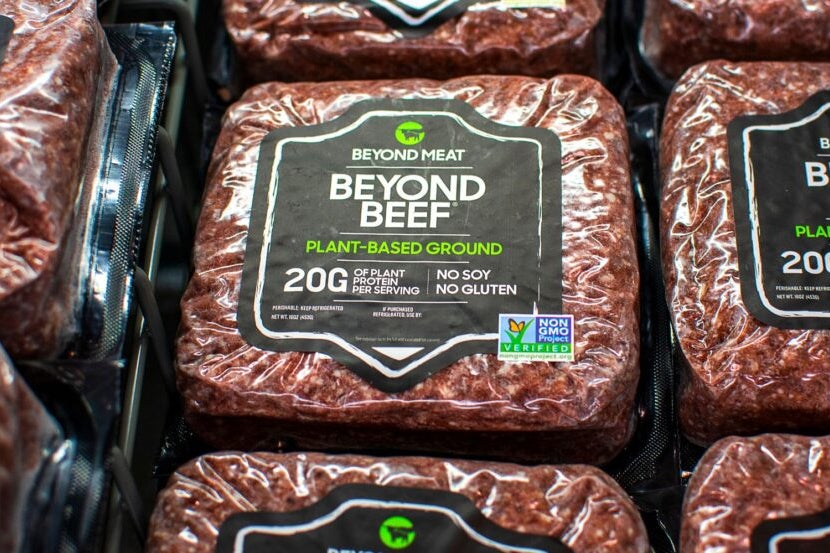
Beyond Meat Diversifies Product Line with New Launch
- New Product Launch: Beyond Meat's Beyond Steak Filet is now available for the first time at Wegmans and H-E-B, containing 28 grams of plant protein and only 1 gram of saturated fat per serving, receiving overwhelmingly positive feedback and becoming the top-selling product on its e-commerce site, showcasing the company's innovation in the meat alternatives market.
- Channel Expansion: With over 455 stores in Texas and Mexico, H-E-B and 114 Wegmans locations along the Eastern U.S. will help Beyond Meat expand its market reach and enhance brand visibility through the launch of this new product.
- Market Diversification Strategy: Amid declining sales, Beyond Meat launched a line of plant protein-infused drinks in January, entering the high-growth functional beverage market, and struck a distribution deal with Big Geyser in April to bring these drinks to over 26,000 retail outlets, aiming to reverse sales trends through product diversification.
- Financial Performance Concerns: Despite a 15% year-over-year revenue decline to $58 million in Q1, investors are hopeful that new products and market expansion will improve the company's financial outlook; however, analysts noted that Beyond Meat did not make the list of top investment stocks, reflecting cautious sentiment regarding its future performance.
Beyond Steak Filet Makes Retail Debut After Direct-to-Consumer Success
- Retail Launch: Beyond Meat has debuted Beyond Steak Filet at Wegmans and H-E-B, marking its first entry into retail, which is expected to enhance brand visibility and market share significantly.
- Positive Consumer Feedback: Since its launch on the brand's direct-to-consumer site in October 2025, Beyond Steak Filet has become the top-selling product, with consumers praising its delicious taste and nutritional profile, indicating strong market demand.
- Nutritional Highlights: Each serving of Beyond Steak Filet contains 28g of plant protein, 3g of fiber, and only 1g of saturated fat, made with healthy mycelium and avocado oil, catering to consumer preferences for healthier eating options while establishing a strong health-oriented brand image.
- Strategic Market Implications: The introduction of Beyond Steak Filet not only expands Beyond Meat's product line but also reinforces its leadership in the plant protein market by incorporating the innovative ingredient mycelium, signaling potential for future growth opportunities.
Analysis of Beyond Meat's Stock Price Collapse

- Revenue Decline: Beyond Meat's revenue has plummeted from $465 million in 2021 to $276 million in 2025, indicating four consecutive years of no growth, which reflects a challenging market environment with declining demand and increased competition.
- Gross Margin Erosion: The company's aggressive markdowns to liquidate inventory have led to a drastic reduction in gross margin from 25.2% in 2021 to 2.8% in 2025, severely impacting profitability and exacerbating its financial struggles.
- Strategic Transformation Challenges: Beyond Meat aims to rebrand itself with new products like
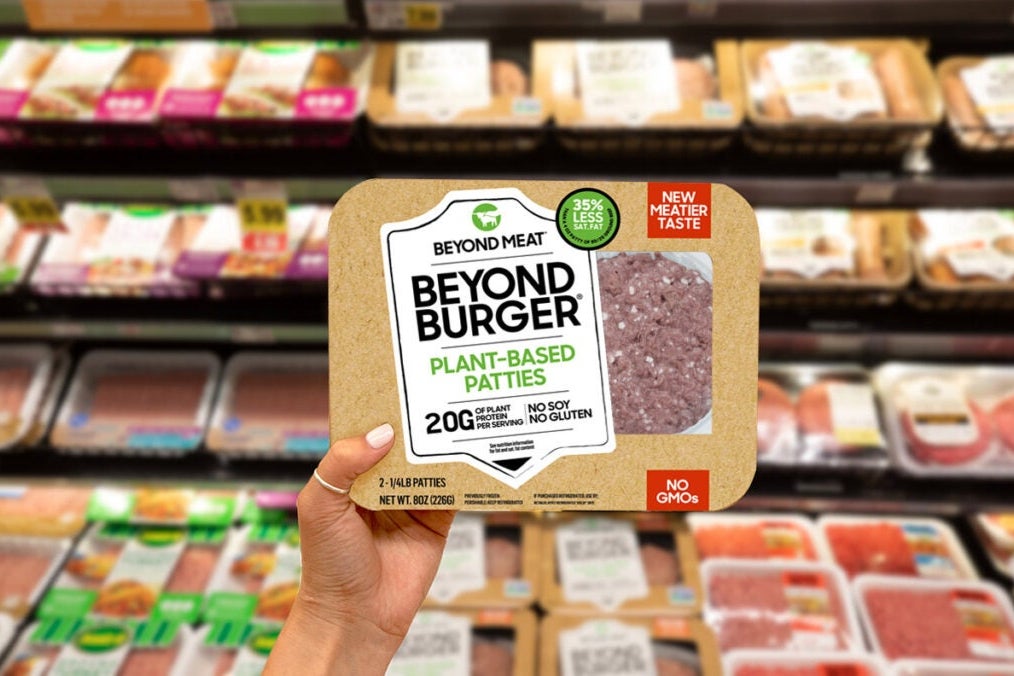
Beyond Meat Reports Disappointing Q1 Earnings Amidst Market Challenges

- Revenue Decline: Beyond Meat's Q1 net revenue fell by 15% year-over-year to just over $58 million, missing analyst expectations of $59.6 million, indicating weak market demand that could undermine future investment confidence.
- Net Loss Situation: The company narrowed its net loss to $46.8 million ($0.10 per share), yet this still exceeded last year's $59 million loss, reflecting challenges in cost control that may heighten investor concerns about its financial health.
- Sales Volume Drop: Product sales volume plummeted nearly 20%, and while net revenue per pound increased by over 5%, it failed to offset the decline, suggesting severe competition in retail and food service channels that could impact market share.
- New Product Launch: Beyond Meat introduced the Beyond Immerse line of plant-based protein drinks, which investors welcomed; however, the intense competition in the already saturated beverage market may hinder its ability to secure a foothold.
High Short Interest Concentrated in Small-Cap Consumer Stocks
- Highest Short Interest: Ridgetech (RDGT) leads with a staggering 70.1% of shares sold short, indicating profound skepticism regarding its financial outlook and business sustainability, which could pressure its stock price and investor confidence.
- Other Shorted Stocks: Beyond Meat (BYND) and Vital Farms (VITL) have short interests of 26.61% and 28.55%, respectively, reflecting cautious investor sentiment that may impact their ability to secure financing and overall market performance.
- Lowest Short Interest: Among consumer staples with market caps under $2B, Benson Hill (BHILQ) shows a mere 0.56% short interest, indicating market confidence in its prospects, potentially attracting more investor interest.
- Market Dynamics: Grocery Outlet (GO) and Upexi (UPXI) have short interests of 26.32% and 24.29%, respectively, and despite facing short pressure, their future financial performance and market reactions warrant close attention.
Beyond Meat Launches New Product Boosting Stock Price
- New Product Launch: Beyond Meat has introduced the Beyond Steak Filet at Wegmans and H-E-B, featuring 28 grams of plant protein and only 1 gram of saturated fat per serving, receiving 'overwhelmingly positive feedback' and becoming the top-selling product on the company's e-commerce site, indicating strong consumer demand for plant-based meat alternatives.
- Market Expansion: With over 455 stores in Texas and Mexico, H-E-B and 114 Wegmans locations along the Eastern U.S. will enhance Beyond Meat's retail penetration and brand visibility, potentially driving higher sales volumes.
- Sales Decline Response: In response to slumping sales, Beyond Meat is diversifying its product lineup, having launched a line of plant protein-infused drinks in January and securing a distribution deal with Big Geyser in April to reach over 26,000 retail outlets, aiming to stimulate revenue growth through new offerings.
- Financial Challenges: Despite the optimism surrounding the new product launch, the company reported a 15% year-over-year revenue decline to $58 million in the first quarter, highlighting ongoing market challenges and investor hopes for the new products to effectively reverse the sales downturn.
Beyond Meat Diversifies Product Line with New Launch
- New Product Launch: Beyond Meat's Beyond Steak Filet is now available for the first time at Wegmans and H-E-B, containing 28 grams of plant protein and only 1 gram of saturated fat per serving, receiving overwhelmingly positive feedback and becoming the top-selling product on its e-commerce site, showcasing the company's innovation in the meat alternatives market.
- Channel Expansion: With over 455 stores in Texas and Mexico, H-E-B and 114 Wegmans locations along the Eastern U.S. will help Beyond Meat expand its market reach and enhance brand visibility through the launch of this new product.
- Market Diversification Strategy: Amid declining sales, Beyond Meat launched a line of plant protein-infused drinks in January, entering the high-growth functional beverage market, and struck a distribution deal with Big Geyser in April to bring these drinks to over 26,000 retail outlets, aiming to reverse sales trends through product diversification.
- Financial Performance Concerns: Despite a 15% year-over-year revenue decline to $58 million in Q1, investors are hopeful that new products and market expansion will improve the company's financial outlook; however, analysts noted that Beyond Meat did not make the list of top investment stocks, reflecting cautious sentiment regarding its future performance.
Beyond Steak Filet Makes Retail Debut After Direct-to-Consumer Success
- Retail Launch: Beyond Meat has debuted Beyond Steak Filet at Wegmans and H-E-B, marking its first entry into retail, which is expected to enhance brand visibility and market share significantly.
- Positive Consumer Feedback: Since its launch on the brand's direct-to-consumer site in October 2025, Beyond Steak Filet has become the top-selling product, with consumers praising its delicious taste and nutritional profile, indicating strong market demand.
- Nutritional Highlights: Each serving of Beyond Steak Filet contains 28g of plant protein, 3g of fiber, and only 1g of saturated fat, made with healthy mycelium and avocado oil, catering to consumer preferences for healthier eating options while establishing a strong health-oriented brand image.
- Strategic Market Implications: The introduction of Beyond Steak Filet not only expands Beyond Meat's product line but also reinforces its leadership in the plant protein market by incorporating the innovative ingredient mycelium, signaling potential for future growth opportunities.
Analysis of Beyond Meat's Stock Price Collapse
- Revenue Decline: Beyond Meat's revenue has plummeted from $465 million in 2021 to $276 million in 2025, indicating four consecutive years of no growth, which reflects a challenging market environment with declining demand and increased competition.
- Gross Margin Erosion: The company's aggressive markdowns to liquidate inventory have led to a drastic reduction in gross margin from 25.2% in 2021 to 2.8% in 2025, severely impacting profitability and exacerbating its financial struggles.
- Strategic Transformation Challenges: Beyond Meat aims to rebrand itself with new products like
Beyond Meat Reports Disappointing Q1 Earnings Amidst Market Challenges
- Revenue Decline: Beyond Meat's Q1 net revenue fell by 15% year-over-year to just over $58 million, missing analyst expectations of $59.6 million, indicating weak market demand that could undermine future investment confidence.
- Net Loss Situation: The company narrowed its net loss to $46.8 million ($0.10 per share), yet this still exceeded last year's $59 million loss, reflecting challenges in cost control that may heighten investor concerns about its financial health.
- Sales Volume Drop: Product sales volume plummeted nearly 20%, and while net revenue per pound increased by over 5%, it failed to offset the decline, suggesting severe competition in retail and food service channels that could impact market share.
- New Product Launch: Beyond Meat introduced the Beyond Immerse line of plant-based protein drinks, which investors welcomed; however, the intense competition in the already saturated beverage market may hinder its ability to secure a foothold.





