Benzinga Bulls And Bears: Nike, Target, And Walmart Among Hardest-Hit Following Trump's 'Liberation Day' Tariffs
Written by Emily J. Thompson, Senior Investment Analyst
Updated: Apr 05 2025
0mins

Source: Benzinga
Market Reaction to Tariffs: Wall Street experienced significant selloffs due to President Trump's new global tariffs and signals from the Federal Reserve, leading to the S&P 500's worst weekly loss since the pandemic began in 2020, particularly affecting tech and consumer stocks.
Stock Highlights: Mullen Automotive and Cloudastructure saw substantial stock price increases due to funding commitments and revenue growth, while Nike and Lucid Group faced declines amid concerns over consumer demand and stock dilution, respectively.
Trade with 70% Backtested Accuracy
Stop guessing "Should I Buy WMT?" and start using high-conviction signals backed by rigorous historical data.
Sign up today to access powerful investing tools and make smarter, data-driven decisions.
Analyst Views on WMT
Wall Street analysts forecast WMT stock price to rise
26 Analyst Rating
25 Buy
1 Hold
0 Sell
Strong Buy
Current: 108.820

Low
119.00
Averages
125.75
High
136.00
Current: 108.820
Low
119.00
Averages
125.75
High
136.00
About WMT
Walmart Inc. is a technology-powered omnichannel retailer. The Company is engaged in the operation of retail and wholesale stores and clubs, as well as eCommerce Websites and mobile applications, located throughout the United States (U.S.), Africa, Canada, Central America, Chile, China, India and Mexico. It operates in three reportable segments: Walmart U.S., Walmart International and Sam's Club U.S. The Walmart U.S. segment includes the Company's mass merchandising concept in the U.S., as well as eCommerce, which includes omni-channel initiatives and certain other business offerings such as advertising services. The Walmart International segment consists of the Company's operations outside of the U.S. through its subsidiaries, as well as eCommerce and omni-channel initiatives. The Sam's Club U.S. segment includes the warehouse membership clubs in the U.S., as well as samsclub.com and omni-channel initiatives.
About the author

Emily J. Thompson
Emily J. Thompson, a Chartered Financial Analyst (CFA) with 12 years in investment research, graduated with honors from the Wharton School. Specializing in industrial and technology stocks, she provides in-depth analysis for Intellectia’s earnings and market brief reports.

Walmart Reports $177.8 Billion Revenue in Q1 FY2027

- Strong Revenue Performance: Walmart achieved $177.8 billion in revenue for Q1 FY2027, making it the second-largest retailer after Amazon, showcasing its robust competitive position and stable business foundation.
- Significant Investment Returns: Over the past decade, Walmart's total return reached 463%, significantly outperforming the S&P 500, indicating that a $10,000 investment made ten years ago would now be worth $55,220, reflecting the company's sustained profitability and shareholder value creation.
- Earnings Per Share Growth: Between fiscal 2016 and 2026, Walmart's diluted earnings per share grew at an annualized rate of 6%, providing strong support for shareholder returns, driven by increased e-commerce penetration and soaring advertising revenue.
- Improving Market Sentiment: Although Walmart's price-to-earnings ratio has risen to 39.9, a 149% increase over the past decade, the improving market sentiment has significantly contributed to its return profile, prompting investors to carefully consider their entry points.
See More

Target Stock Rebounds, Investor Confidence Restored

- Sales Growth Recovery: Target reported a 7% year-over-year net sales growth in Q1 2026, although below Costco's 10%, this performance significantly boosted investor optimism, indicating a gradual recovery in market competitiveness.
- P/E Ratio Advantage: With a P/E ratio of 18, Target is well below Walmart's 40 and Costco's 48, showcasing its relative value in the current market environment, which may attract more value-seeking investors.
- Dividend King Status: Target has raised its dividend for the 55th consecutive year, with a current yield of 3.4%, far exceeding the S&P 500's 1.1%, making it more appealing to income-oriented investors, especially in comparison to its competitors' yields.
- Future Investment Plans: Despite facing a 25% decline in net earnings, Target plans to invest approximately $5 billion over the coming years to improve stores and supply chains, which could lay the groundwork for long-term growth and enhance its market position.
See More
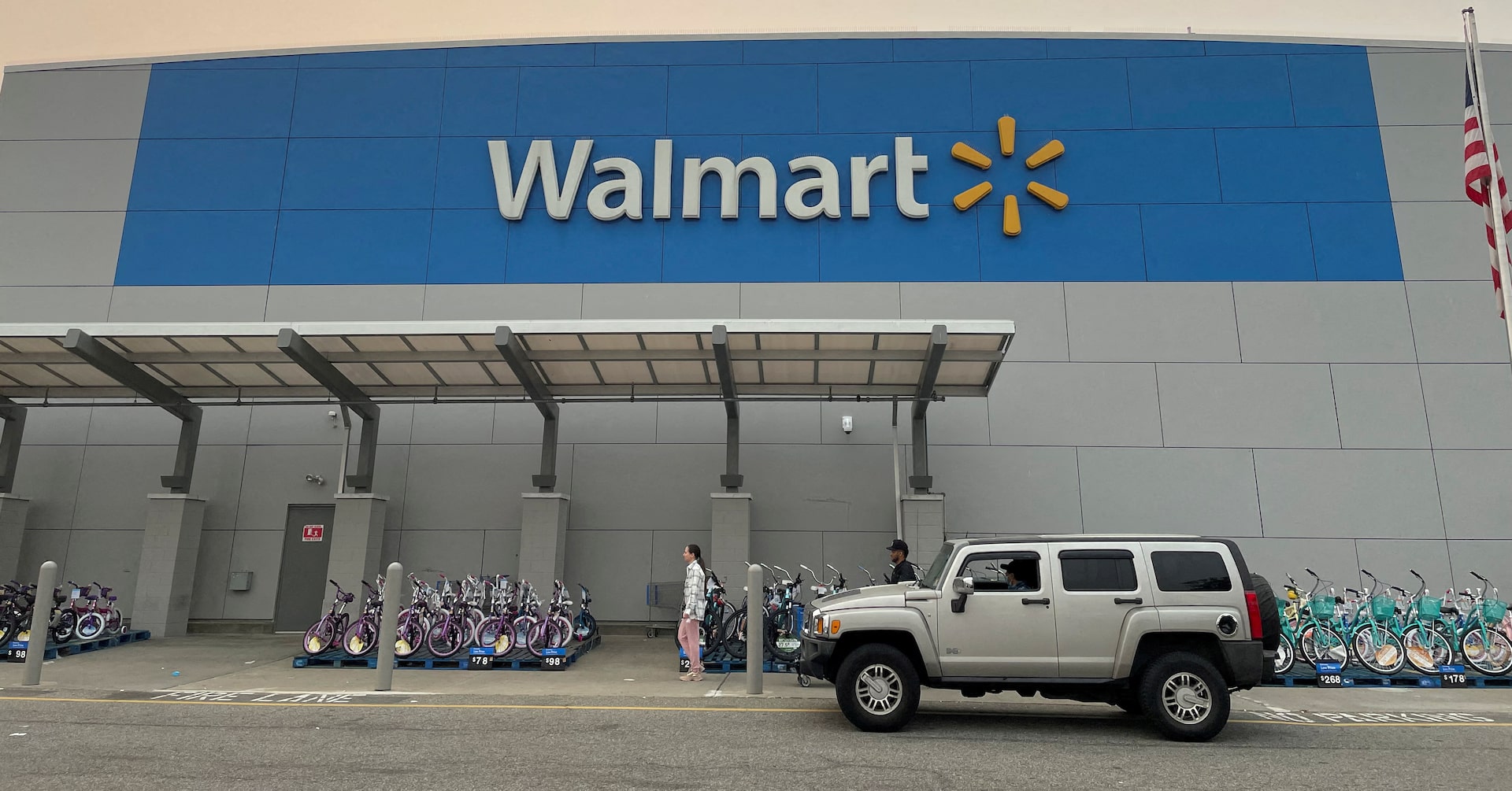
Target Stock Rebounds, Investor Confidence Grows
- Stock Rebound: Target's stock has surged nearly 65% from its 52-week low, reflecting investor confidence in the upgrades under new CEO Michael Fiddelke, although it still trades nearly 50% below its 2021 all-time high, indicating a positive market outlook for its future.
- P/E Ratio Advantage: Despite the price increase, Target's P/E ratio stands at 18, significantly lower than Walmart's and Costco's 40 and 48, respectively, suggesting it remains attractive in the competitive landscape and may draw more value-focused investors.
- Dividend Growth: Target has raised its dividend for the 55th consecutive year, achieving a yield of 3.4%, which is well above the S&P 500's average of 1.1% and its competitors' yields of 0.8% and 0.6%, making it a preferred choice for income-oriented investors.
- Sales Growth Potential: Despite facing three consecutive years of declining sales, Target reported a 7% year-over-year sales growth in Q1 2026, closely matching Walmart's growth, showcasing its potential in improving supply chains and product offerings, which could continue to attract investors moving forward.
See More

Small Investments, Big Potential: Oklo and Plug Power


- Oklo Microreactor Innovation: Oklo's Aurora microreactor generates 1.5 MWe individually, but can connect to others for up to 75 MWe, making it deployable in remote areas; expected to launch in 2027, it could reshape the nuclear energy market over the next decade.
- Revenue Growth Expectations: Analysts forecast Oklo's revenue to surge from $1 million in 2026 to $55 million in 2028, driven by strong demand from cloud and AI data centers, highlighting its long-term growth potential.
- Plug Power Market Expansion: Plug Power's fuel cell systems increased from 50,000 at the end of 2021 to 74,000 by 2025, showcasing rapid growth in the hydrogen market, particularly through partnerships with major clients like Amazon and Walmart.
- Green Hydrogen Facility Development: Plug Power is building six new green hydrogen facilities for the U.S. Department of Energy and secured a 275 MW electrolyzer contract, with revenue expected to grow at an 18% CAGR from 2025 to 2028, reflecting strong demand in the green hydrogen market.
See More
Walmart Stock Rebounds Amid Sales Slowdown Concerns
- Stock Rebound: Walmart (WMT) shares rose approximately 2.78% to around $111.85 on Thursday, recovering from a 4% decline over the past week due to slowing sales and tariff concerns, indicating cautious optimism in the market regarding its short-term outlook.
- Sales Growth Slowdown: Data from Cleveland Research indicates that Walmart's U.S. comparable sales growth has slowed, raising the risk of quarterly results missing expectations if consumer spending remains weak through July, which could undermine investor confidence.
- Tariff Impact: With Walmart importing a significant portion of its products from China, rising tariffs could increase costs and pressure margins, exacerbating market concerns about its profitability, especially in the current economic climate.
- Technical Indicators Stabilizing: Despite facing challenges, technical indicators show signs of stabilization, with RSI rebounding to around 41 and MACD indicators suggesting that selling pressure is easing, potentially providing some support for the stock price.
See More
Palantir's Stock Pullback Attracts Investor Attention

- Significant Revenue Growth: Palantir's revenue surged from $1.54 billion to $4.48 billion between 2021 and 2025, reflecting a robust 30.5% CAGR, particularly strong among government and commercial clients, indicating its solid position in the data mining and analytics sector.
- Profitability Improvement: Palantir became profitable in 2023, with net income skyrocketing from $210 million to $1.63 billion by 2025, nearly an eightfold increase, which led to its inclusion in the S&P 500 in 2024, further boosting market confidence.
- Market Expansion Potential: Analysts project Palantir's revenue and net income to grow at CAGRs of 53% and 65% from 2025 to 2028, driven by the expansion of its AI platform and new government mega-contracts, showcasing its strong potential in future markets.
- Valuation Challenges: Despite Palantir's strong business performance, its current stock price of $129 corresponds to 93 times this year's earnings and 39 times this year's sales, indicating that its valuation remains high, prompting investors to carefully assess future growth potential against market risks.
See More
Walmart Reports $177.8 Billion Revenue in Q1 FY2027
- Strong Revenue Performance: Walmart achieved $177.8 billion in revenue for Q1 FY2027, making it the second-largest retailer after Amazon, showcasing its robust competitive position and stable business foundation.
- Significant Investment Returns: Over the past decade, Walmart's total return reached 463%, significantly outperforming the S&P 500, indicating that a $10,000 investment made ten years ago would now be worth $55,220, reflecting the company's sustained profitability and shareholder value creation.
- Earnings Per Share Growth: Between fiscal 2016 and 2026, Walmart's diluted earnings per share grew at an annualized rate of 6%, providing strong support for shareholder returns, driven by increased e-commerce penetration and soaring advertising revenue.
- Improving Market Sentiment: Although Walmart's price-to-earnings ratio has risen to 39.9, a 149% increase over the past decade, the improving market sentiment has significantly contributed to its return profile, prompting investors to carefully consider their entry points.
See More
Target Stock Rebounds, Investor Confidence Restored
- Sales Growth Recovery: Target reported a 7% year-over-year net sales growth in Q1 2026, although below Costco's 10%, this performance significantly boosted investor optimism, indicating a gradual recovery in market competitiveness.
- P/E Ratio Advantage: With a P/E ratio of 18, Target is well below Walmart's 40 and Costco's 48, showcasing its relative value in the current market environment, which may attract more value-seeking investors.
- Dividend King Status: Target has raised its dividend for the 55th consecutive year, with a current yield of 3.4%, far exceeding the S&P 500's 1.1%, making it more appealing to income-oriented investors, especially in comparison to its competitors' yields.
- Future Investment Plans: Despite facing a 25% decline in net earnings, Target plans to invest approximately $5 billion over the coming years to improve stores and supply chains, which could lay the groundwork for long-term growth and enhance its market position.
See More
Target Stock Rebounds, Investor Confidence Grows
- Stock Rebound: Target's stock has surged nearly 65% from its 52-week low, reflecting investor confidence in the upgrades under new CEO Michael Fiddelke, although it still trades nearly 50% below its 2021 all-time high, indicating a positive market outlook for its future.
- P/E Ratio Advantage: Despite the price increase, Target's P/E ratio stands at 18, significantly lower than Walmart's and Costco's 40 and 48, respectively, suggesting it remains attractive in the competitive landscape and may draw more value-focused investors.
- Dividend Growth: Target has raised its dividend for the 55th consecutive year, achieving a yield of 3.4%, which is well above the S&P 500's average of 1.1% and its competitors' yields of 0.8% and 0.6%, making it a preferred choice for income-oriented investors.
- Sales Growth Potential: Despite facing three consecutive years of declining sales, Target reported a 7% year-over-year sales growth in Q1 2026, closely matching Walmart's growth, showcasing its potential in improving supply chains and product offerings, which could continue to attract investors moving forward.
See More
Small Investments, Big Potential: Oklo and Plug Power
- Oklo Microreactor Innovation: Oklo's Aurora microreactor generates 1.5 MWe individually, but can connect to others for up to 75 MWe, making it deployable in remote areas; expected to launch in 2027, it could reshape the nuclear energy market over the next decade.
- Revenue Growth Expectations: Analysts forecast Oklo's revenue to surge from $1 million in 2026 to $55 million in 2028, driven by strong demand from cloud and AI data centers, highlighting its long-term growth potential.
- Plug Power Market Expansion: Plug Power's fuel cell systems increased from 50,000 at the end of 2021 to 74,000 by 2025, showcasing rapid growth in the hydrogen market, particularly through partnerships with major clients like Amazon and Walmart.
- Green Hydrogen Facility Development: Plug Power is building six new green hydrogen facilities for the U.S. Department of Energy and secured a 275 MW electrolyzer contract, with revenue expected to grow at an 18% CAGR from 2025 to 2028, reflecting strong demand in the green hydrogen market.
See More
Walmart Stock Rebounds Amid Sales Slowdown Concerns
- Stock Rebound: Walmart (WMT) shares rose approximately 2.78% to around $111.85 on Thursday, recovering from a 4% decline over the past week due to slowing sales and tariff concerns, indicating cautious optimism in the market regarding its short-term outlook.
- Sales Growth Slowdown: Data from Cleveland Research indicates that Walmart's U.S. comparable sales growth has slowed, raising the risk of quarterly results missing expectations if consumer spending remains weak through July, which could undermine investor confidence.
- Tariff Impact: With Walmart importing a significant portion of its products from China, rising tariffs could increase costs and pressure margins, exacerbating market concerns about its profitability, especially in the current economic climate.
- Technical Indicators Stabilizing: Despite facing challenges, technical indicators show signs of stabilization, with RSI rebounding to around 41 and MACD indicators suggesting that selling pressure is easing, potentially providing some support for the stock price.
See More
Palantir's Stock Pullback Attracts Investor Attention
- Significant Revenue Growth: Palantir's revenue surged from $1.54 billion to $4.48 billion between 2021 and 2025, reflecting a robust 30.5% CAGR, particularly strong among government and commercial clients, indicating its solid position in the data mining and analytics sector.
- Profitability Improvement: Palantir became profitable in 2023, with net income skyrocketing from $210 million to $1.63 billion by 2025, nearly an eightfold increase, which led to its inclusion in the S&P 500 in 2024, further boosting market confidence.
- Market Expansion Potential: Analysts project Palantir's revenue and net income to grow at CAGRs of 53% and 65% from 2025 to 2028, driven by the expansion of its AI platform and new government mega-contracts, showcasing its strong potential in future markets.
- Valuation Challenges: Despite Palantir's strong business performance, its current stock price of $129 corresponds to 93 times this year's earnings and 39 times this year's sales, indicating that its valuation remains high, prompting investors to carefully assess future growth potential against market risks.
See More