Baidu's Autonomous Driving Permit Approvals Suspended
Written by Emily J. Thompson, Senior Investment Analyst
Updated: Apr 29 2026
0mins

Source: seekingalpha
- Regulatory Approval Halt: Following a system malfunction that caused over 100 Baidu Apollo Go robotaxis to stall in Wuhan, Chinese regulators have suspended approvals for new autonomous driving permits, impacting Baidu and other self-driving companies' future expansion plans.
- Incident Investigation: The outage stranded passengers for up to two hours, prompting a meeting among three agencies, including the Ministry of Industry and Information Technology, which called for local governments to conduct self-reviews and enhance safety monitoring, indicating heightened regulatory scrutiny on autonomous driving safety.
- Operational Restrictions: Baidu's robotaxi operations in Wuhan have been suspended pending investigation, and the halt on new licenses means self-driving companies cannot add to their fleets or launch new pilot programs, potentially affecting their market share in the long term.
- Market Reaction: Baidu's stock price declined by about 4% in Hong Kong trading, while other major robotaxi firms like Pony.ai and WeRide also saw stock drops, reflecting market sensitivity to regulatory risks in the autonomous driving sector.
Trade with 70% Backtested Accuracy
Stop guessing "Should I Buy BIDU?" and start using high-conviction signals backed by rigorous historical data.
Sign up today to access powerful investing tools and make smarter, data-driven decisions.
Analyst Views on BIDU
Wall Street analysts forecast BIDU stock price to rise
13 Analyst Rating
11 Buy
2 Hold
0 Sell
Strong Buy
Current: 132.400

Low
140.00
Averages
170.39
High
215.00
Current: 132.400
Low
140.00
Averages
170.39
High
215.00
About BIDU
Baidu Inc is a Chinese language Internet search provider. The Company operates its businesses through two segments, Baidu Core segment and iQIYI segment. Baidu Core segment mainly provides search-based, feed-based, and other online marketing services, as well as products and services from the Company’s new artificial intelligence (AI) initiatives, such as display advertisement and based on performance criteria other than cost-per-click, cloud services, smart devices and services, non-marketing consumer-facing services such as membership, and intelligent driving. iQIYI segment produces, aggregates and distributes a wide variety of professionally produced content, as well as a broad spectrum of other video content, in a variety of formats, including a variety of products and services encompassing online video, online games, online literature, comics and others.
About the author

Emily J. Thompson
Emily J. Thompson, a Chartered Financial Analyst (CFA) with 12 years in investment research, graduated with honors from the Wharton School. Specializing in industrial and technology stocks, she provides in-depth analysis for Intellectia’s earnings and market brief reports.
China's Tech Self-Sufficiency Accelerates


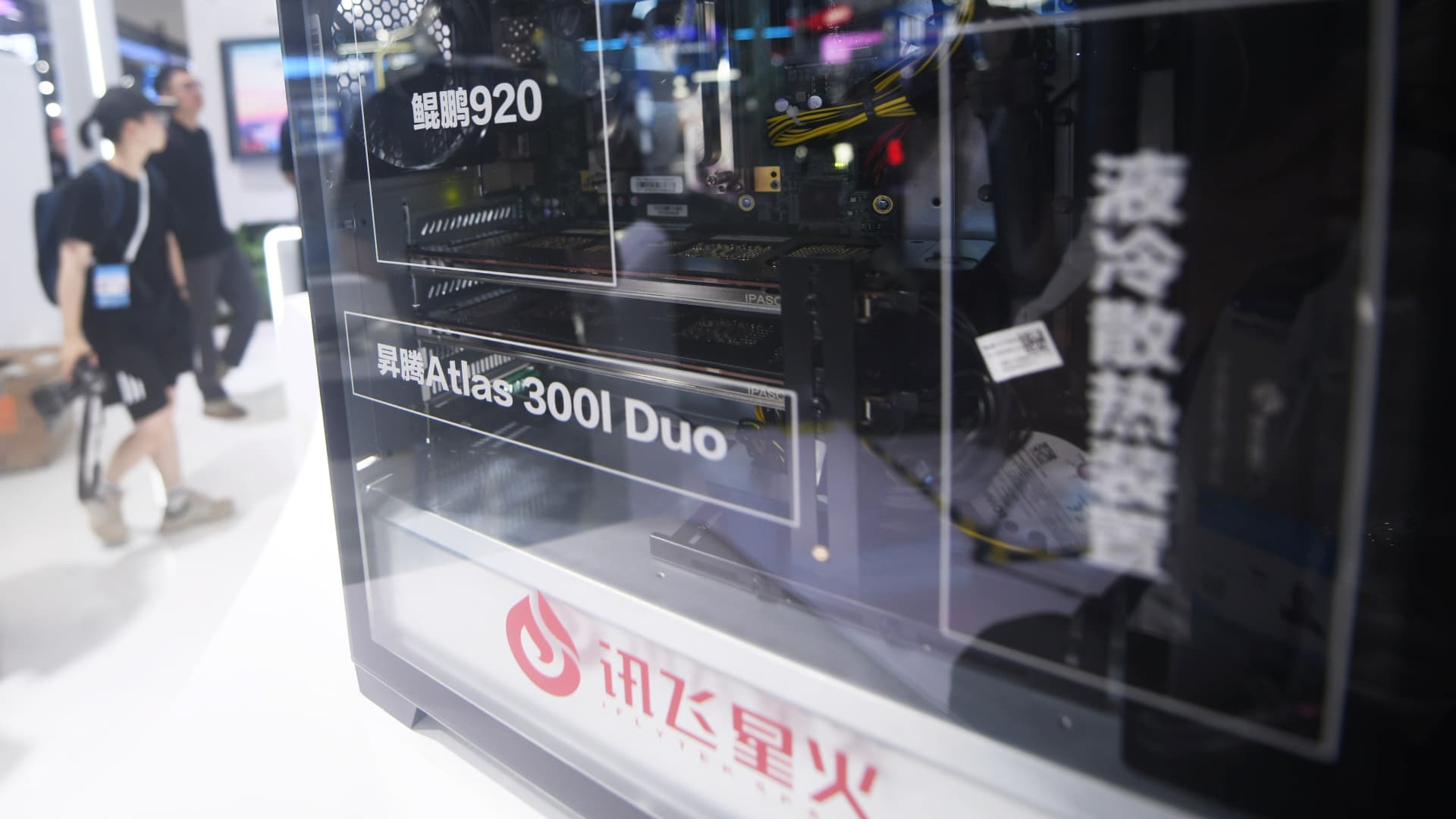
- Diversified Chip Supply: Zelostech plans to utilize multiple chip suppliers from China and abroad over the next year, moving away from reliance on Nvidia chips, which will significantly reduce costs for its self-driving systems and enhance market competitiveness.
- Vehicle Scale Expansion: Currently operating over 25,000 vehicles across more than 20 countries primarily for logistics, Zelostech aims for rapid expansion, which will greatly enhance its data collection capabilities in the autonomous driving sector and strengthen its industry influence.
- Domestic Chip Adoption: Chinese EV manufacturers like Nio and BYD are increasing investments in their own semiconductors, with Nio planning a fivefold increase in computing power spending, indicating a strong push to reduce dependence on Nvidia and promote local technology development.
- Technological Collaboration and Innovation: Huawei is adopting new scientific methods for chip development and plans to incorporate them into future products, signaling a resurgence for Chinese tech giants under U.S. restrictions, potentially accelerating the application and development of domestic chips.
See More
Tesla Launches Full Self-Driving Feature in China

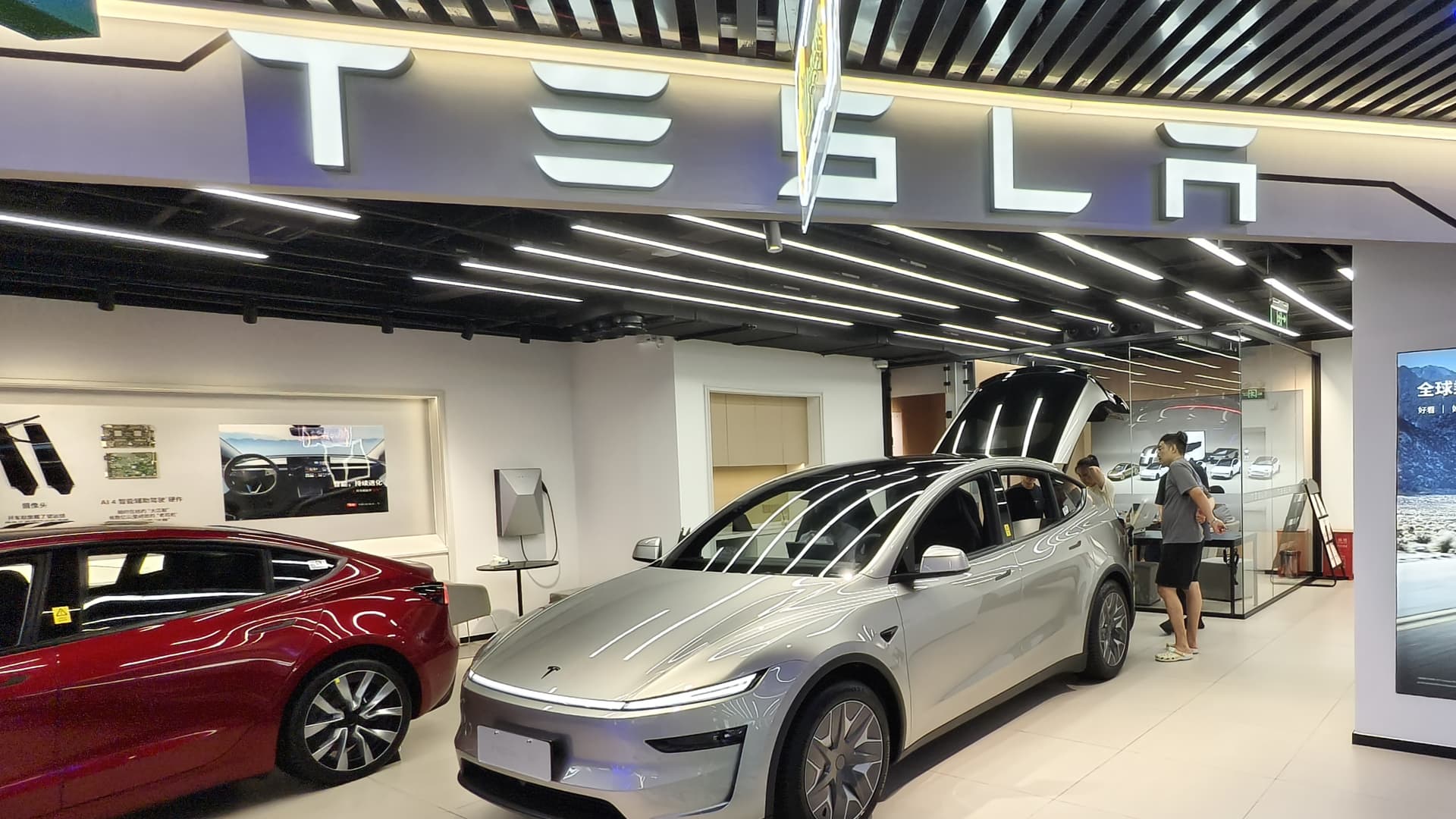
- Full Self-Driving Launch: Tesla announced that its Full Self-Driving (FSD) technology is now available in China, marking a significant advancement in its technological deployment in the market, despite local competitors having already rolled out similar technologies.
- Pricing Structure Revealed: According to Tesla's China website, the 'intelligent assisted driving' feature for the Model 3 is priced at 64,000 yuan ($9,409), a pricing strategy that could influence consumer purchasing decisions and potentially boost sales.
- Regulatory Approval Journey: Tesla's FSD technology in China has faced multiple delays in regulatory approval; although Musk anticipated approval by the end of 2024, the actual progress has not met expectations, reflecting the complex regulatory environment the company faces in China.
- Intensifying Market Competition: While Tesla awaited approval, local brands like Xiaomi and Xpeng rapidly advanced their autonomous driving technologies, posing a threat to Tesla's market share, especially as it ranked fourth in electric vehicle sales in April.
See More

Positive Outlook for Chinese Tech Stocks Amid Easing Tensions

- AI Ecosystem Development: According to UBS, China is building its own AI ecosystem similar to the U.S., which will create numerous investment opportunities for domestic companies, indicating a vast market potential.
- Strong Tech Earnings: Baidu reported a 49% year-on-year revenue increase in its AI business, reaching 13.6 billion yuan (approximately $2 billion), showcasing robust performance in cloud computing and boosting investor confidence.
- Attractive Valuations: UBS highlights that Hong Kong-listed Chinese tech stocks are relatively cheaper, prompting investors to increase their allocation to H-shares, especially given the higher valuations in the A-share market.
- Capital Flow Trends: As investors shift from low-yielding bank deposits to equities in search of higher dividends, financial and commodity-linked sectors are also viewed positively, with expectations of benefiting from rising raw material prices.
See More
Baidu Q1 2026 Earnings Call Insights Highlight AI Growth
- Revenue Growth Resumes: Baidu reported total revenue of RMB 26 billion in Q1, reflecting a 2% year-over-year increase, marking a return to growth and indicating a gradual recovery in market demand and business stability.
- Core Business Strength: Revenue from AI-powered core business reached RMB 13.6 billion, up 49% year-over-year, accounting for 52% of Baidu's overall revenue for the first time, demonstrating significant progress in the company's strategic focus on AI.
- Exceptional Cloud Performance: AI Cloud Infrastructure revenue grew 79% year-over-year, with GPU Cloud revenue accelerating to 184%, highlighting strong enterprise demand for AI infrastructure and Baidu's competitive edge in this sector.
- Expansion in Autonomous Driving: Baidu delivered 3.2 million fully driverless rides in Q1, sustaining triple-digit year-over-year growth, while preparations for open road testing in Europe are underway, showcasing the company's potential for international market expansion.
See More

Market Volatility and AI Stock Performance


- AI Stock Volatility: At the start of the week, the S&P 500 index fell, with AI-related stocks under pressure, indicating ongoing rotations in AI trades and reflecting investor uncertainty about future growth prospects.
- Oil Price Fluctuations: On Monday morning, oil prices initially dropped before rebounding due to uncertainty surrounding a deal between the U.S. and Iran regarding the Strait of Hormuz, which could impact the profitability of energy-related companies.
- CrowdStrike and Palo Alto New Highs: Despite overall market weakness, CrowdStrike and Palo Alto Networks reached all-time highs, with approximately 30% gains, demonstrating the potential for AI to accelerate their businesses, prompting us to raise price targets to $650 and $255, respectively.
- Home Depot Earnings Expectations: Home Depot's quarterly results are anticipated to be negatively impacted by high mortgage rates delaying the home improvement recovery, which may adversely affect its stock price, warranting investor attention.
See More

Baidu's AI Surge Amidst Transformation Challenges
- Revenue Trends: Baidu's total revenue fell 1% year-over-year in Q1, yet its general business revenue rose 2%, indicating that despite overall weakness, some segments are performing well, reflecting the challenges and opportunities in the company's transformation journey.
- AI Business Growth: Baidu's AI segment grew 49% over the past year, with its AI cloud infrastructure skyrocketing by 79%, demonstrating the company's successful pivot towards emerging technologies to drive future growth.
- Autonomous Driving Leadership: Baidu's Apollo Go remains a leader in autonomous driving, having completed 22 million rides, showcasing its strong performance in the robotaxi market, with expansions into South Korea and the UAE enhancing its competitive edge.
- Market Valuation: Despite challenges in its traditional advertising business, Baidu's AI-native marketing revenue increased by 36% year-over-year, and its forward P/E ratio is in the high teens, indicating market recognition of its growth potential, making it an attractive investment if profitability can be maintained.
See More
China's Tech Self-Sufficiency Accelerates
- Diversified Chip Supply: Zelostech plans to utilize multiple chip suppliers from China and abroad over the next year, moving away from reliance on Nvidia chips, which will significantly reduce costs for its self-driving systems and enhance market competitiveness.
- Vehicle Scale Expansion: Currently operating over 25,000 vehicles across more than 20 countries primarily for logistics, Zelostech aims for rapid expansion, which will greatly enhance its data collection capabilities in the autonomous driving sector and strengthen its industry influence.
- Domestic Chip Adoption: Chinese EV manufacturers like Nio and BYD are increasing investments in their own semiconductors, with Nio planning a fivefold increase in computing power spending, indicating a strong push to reduce dependence on Nvidia and promote local technology development.
- Technological Collaboration and Innovation: Huawei is adopting new scientific methods for chip development and plans to incorporate them into future products, signaling a resurgence for Chinese tech giants under U.S. restrictions, potentially accelerating the application and development of domestic chips.
See More
Tesla Launches Full Self-Driving Feature in China
- Full Self-Driving Launch: Tesla announced that its Full Self-Driving (FSD) technology is now available in China, marking a significant advancement in its technological deployment in the market, despite local competitors having already rolled out similar technologies.
- Pricing Structure Revealed: According to Tesla's China website, the 'intelligent assisted driving' feature for the Model 3 is priced at 64,000 yuan ($9,409), a pricing strategy that could influence consumer purchasing decisions and potentially boost sales.
- Regulatory Approval Journey: Tesla's FSD technology in China has faced multiple delays in regulatory approval; although Musk anticipated approval by the end of 2024, the actual progress has not met expectations, reflecting the complex regulatory environment the company faces in China.
- Intensifying Market Competition: While Tesla awaited approval, local brands like Xiaomi and Xpeng rapidly advanced their autonomous driving technologies, posing a threat to Tesla's market share, especially as it ranked fourth in electric vehicle sales in April.
See More
Positive Outlook for Chinese Tech Stocks Amid Easing Tensions
- AI Ecosystem Development: According to UBS, China is building its own AI ecosystem similar to the U.S., which will create numerous investment opportunities for domestic companies, indicating a vast market potential.
- Strong Tech Earnings: Baidu reported a 49% year-on-year revenue increase in its AI business, reaching 13.6 billion yuan (approximately $2 billion), showcasing robust performance in cloud computing and boosting investor confidence.
- Attractive Valuations: UBS highlights that Hong Kong-listed Chinese tech stocks are relatively cheaper, prompting investors to increase their allocation to H-shares, especially given the higher valuations in the A-share market.
- Capital Flow Trends: As investors shift from low-yielding bank deposits to equities in search of higher dividends, financial and commodity-linked sectors are also viewed positively, with expectations of benefiting from rising raw material prices.
See More
Baidu Q1 2026 Earnings Call Insights Highlight AI Growth
- Revenue Growth Resumes: Baidu reported total revenue of RMB 26 billion in Q1, reflecting a 2% year-over-year increase, marking a return to growth and indicating a gradual recovery in market demand and business stability.
- Core Business Strength: Revenue from AI-powered core business reached RMB 13.6 billion, up 49% year-over-year, accounting for 52% of Baidu's overall revenue for the first time, demonstrating significant progress in the company's strategic focus on AI.
- Exceptional Cloud Performance: AI Cloud Infrastructure revenue grew 79% year-over-year, with GPU Cloud revenue accelerating to 184%, highlighting strong enterprise demand for AI infrastructure and Baidu's competitive edge in this sector.
- Expansion in Autonomous Driving: Baidu delivered 3.2 million fully driverless rides in Q1, sustaining triple-digit year-over-year growth, while preparations for open road testing in Europe are underway, showcasing the company's potential for international market expansion.
See More
Market Volatility and AI Stock Performance
- AI Stock Volatility: At the start of the week, the S&P 500 index fell, with AI-related stocks under pressure, indicating ongoing rotations in AI trades and reflecting investor uncertainty about future growth prospects.
- Oil Price Fluctuations: On Monday morning, oil prices initially dropped before rebounding due to uncertainty surrounding a deal between the U.S. and Iran regarding the Strait of Hormuz, which could impact the profitability of energy-related companies.
- CrowdStrike and Palo Alto New Highs: Despite overall market weakness, CrowdStrike and Palo Alto Networks reached all-time highs, with approximately 30% gains, demonstrating the potential for AI to accelerate their businesses, prompting us to raise price targets to $650 and $255, respectively.
- Home Depot Earnings Expectations: Home Depot's quarterly results are anticipated to be negatively impacted by high mortgage rates delaying the home improvement recovery, which may adversely affect its stock price, warranting investor attention.
See More
Baidu's AI Surge Amidst Transformation Challenges
- Revenue Trends: Baidu's total revenue fell 1% year-over-year in Q1, yet its general business revenue rose 2%, indicating that despite overall weakness, some segments are performing well, reflecting the challenges and opportunities in the company's transformation journey.
- AI Business Growth: Baidu's AI segment grew 49% over the past year, with its AI cloud infrastructure skyrocketing by 79%, demonstrating the company's successful pivot towards emerging technologies to drive future growth.
- Autonomous Driving Leadership: Baidu's Apollo Go remains a leader in autonomous driving, having completed 22 million rides, showcasing its strong performance in the robotaxi market, with expansions into South Korea and the UAE enhancing its competitive edge.
- Market Valuation: Despite challenges in its traditional advertising business, Baidu's AI-native marketing revenue increased by 36% year-over-year, and its forward P/E ratio is in the high teens, indicating market recognition of its growth potential, making it an attractive investment if profitability can be maintained.
See More