Analysis of SpaceX IPO Prospects and Market Impact
Written by Emily J. Thompson, Senior Investment Analyst
Updated: Jun 02 2026
0mins


Source: Fool
- IPO Plans: SpaceX filed its S-1 registration statement with the SEC on May 20, aiming for a June 12 IPO at a $1.75 trillion valuation, despite reporting a $2.59 billion net loss in 2025, indicating a lack of profitability.
- Market Share and Competitive Edge: By the end of 2025, SpaceX operated approximately 9,600 Starlink satellites serving millions of customers, maintaining a dominant position in the commercial space launch industry, although its revenue of $18.67 billion is significantly lower than its valuation.
- Impact of New Nasdaq Rules: Nasdaq plans to include SpaceX in the Nasdaq-100 index shortly after its IPO, with new rules allowing large companies to enter the index quickly, positioning SpaceX as the seventh-largest company and potentially increasing market volatility.
- Investment Strategy Recommendation: Given the high valuation and potential volatility of SpaceX's IPO, investors are advised to consider low-cost S&P 500 index funds to mitigate risk and achieve stable returns, especially as insider selling increases the float significantly.
Trade with 70% Backtested Accuracy
Stop guessing "Should I Buy TSLA?" and start using high-conviction signals backed by rigorous historical data.
Sign up today to access powerful investing tools and make smarter, data-driven decisions.
Analyst Views on TSLA
Wall Street analysts forecast TSLA stock price to rise
30 Analyst Rating
12 Buy
11 Hold
7 Sell
Hold
Current: 399.150

Low
25.28
Averages
401.93
High
600.00
Current: 399.150
Low
25.28
Averages
401.93
High
600.00
About TSLA
Tesla, Inc. designs, develops, manufactures, sells and leases high-performance fully electric vehicles and energy generation and storage systems, and offers services related to its products. Its segments include automotive, and energy generation and storage. The automotive segment includes the design, development, manufacturing, sales and leasing of high-performance fully electric vehicles, and sales of automotive regulatory credits. It also includes sales of used vehicles, non-warranty maintenance services and collisions, part sales, paid supercharging, insurance services revenue and retail merchandise sales. The energy generation and storage segment include the design, manufacture, installation, sales and leasing of solar energy generation and energy storage products and related services and sales of solar energy systems incentives. Its consumer vehicles include the Model 3, Y, S, X and Cybertruck. Its lithium-ion battery energy storage products include Powerwall and Megapack.
About the author

Emily J. Thompson
Emily J. Thompson, a Chartered Financial Analyst (CFA) with 12 years in investment research, graduated with honors from the Wharton School. Specializing in industrial and technology stocks, she provides in-depth analysis for Intellectia’s earnings and market brief reports.
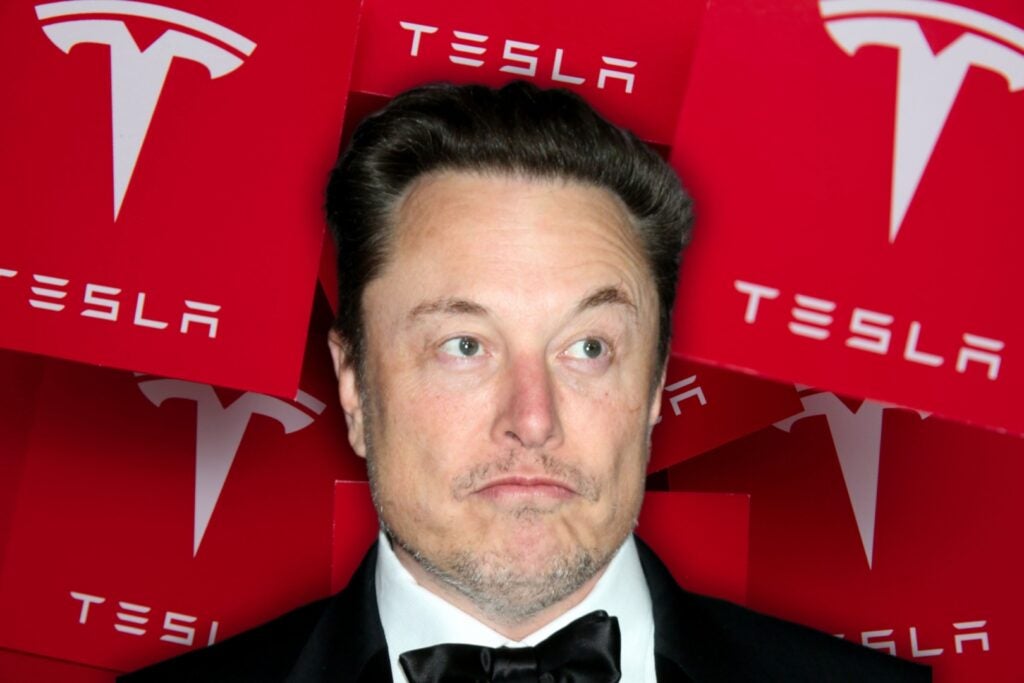
Elon Musk Becomes First Person to Reach $1 Trillion Net Worth

- Historic IPO: SpaceX raised $75 billion in its IPO, shattering previous records and pushing the company's valuation above $2 trillion, marking Elon Musk as the first person in history to surpass a $1 trillion net worth.
- Starlink as Financial Engine: Starlink generated $11.4 billion in revenue last year with nearly 40% operating margins, serving as a robust financial backbone for SpaceX's growth, despite the overall business facing significant losses.
- Valuation Risks: Priced at approximately 117 times sales, SpaceX's stock reflects high expectations for future performance, making it a risky investment despite the company's impressive technological advancements and achievements.
- Strong Market Reaction: Following its opening, SpaceX's stock surged 25%, rising from the initial offering price of $135 to $170, indicating strong market interest in its future potential, although analysts advise caution given the current high valuation.
See More
SpaceX Aims for Record IPO Valuation
- Fundraising Target: SpaceX aims to raise $75 billion through its IPO by selling 555.6 million shares at $135 each, achieving a valuation of $1.77 trillion, making it the seventh most valuable U.S. company, surpassing Tesla.
- Valuation Challenges: Former Tesla board member Steve Westly stated that pricing SpaceX's IPO will be difficult due to its three disparate core businesses, particularly noting that the Starlink satellite internet service is the only profitable unit, necessitating at least two successful 'moonshots' to maintain its high valuation.
- Merger Possibility: Westly mentioned that a merger between SpaceX and Tesla is 'absolutely likely' in the future, highlighting that both companies already share numerous resources, although such a merger would face governance issues, yet the chances of success remain high.
- Market Reaction: SpaceX's IPO is set to become the largest in history, with the market eagerly anticipating its future developments, especially under Musk's diversified business strategy, which may further expand its range of operations.
See More

SpaceX IPO Underwhelms Despite High Valuation


- IPO Performance: SpaceX's IPO was priced at $135 per share, closing at approximately $160 on its first day, reflecting a modest 19% increase, which contrasts sharply with historical IPOs that often double, indicating market caution regarding its future profitability.
- Market Valuation: On its debut, SpaceX achieved a market cap of $2.1 trillion, making it the seventh largest company globally, just behind Taiwan Semiconductor, highlighting its significant impact in the aerospace sector but raising concerns about its ongoing losses.
- Index Changes: Due to SpaceX's size and popularity, the Nasdaq-100 plans to include it in about 15 days, which will lead index funds to buy the stock, creating additional demand that may support its price in the near term.
- Business Outlook: While SpaceX's Starlink business is profitable, its substantial R&D investments in space exploration and AI keep it in the red, prompting investors to carefully assess its long-term profitability and associated market risks.
See More

SpaceX IPO Sparks Market Interest Amid Size Concerns
- Market Performance Analysis: SpaceX's IPO was priced at $135 per share, closing at approximately $160 on its first day, reflecting a 19% increase; while this performance is less impressive compared to historical IPOs, its market cap soared to $2.1 trillion, making it the sixth-largest company globally, indicating market confidence in its future.
- Index Inclusion Dynamics: With SpaceX's public listing, the Nasdaq-100 is expected to include it within 15 days, which will lead index funds to purchase the stock, thereby increasing demand and potentially driving up the share price, showcasing the market's capacity to absorb large IPOs.
- R&D Investment Pressure: Despite SpaceX's leadership in the space industry, its substantial R&D expenditures and investments in the AI product Grok suggest it may continue to operate at a loss in the short term, prompting investors to carefully assess its long-term profitability.
- Investor Risk Assessment: Although SpaceX boasts a market cap of $2.1 trillion, it is still viewed as a money-losing startup, making it more suitable for risk-averse investors to hold indirectly through diversified index funds, while aggressive growth investors should consider its potential as a long-term hold.
See More
General Motors Enters Battery Storage Market

- Increased Competition: General Motors' entry into the battery storage market signifies a collaboration with Ford, intensifying competition with Tesla in battery technology, which could impact Tesla's market share.
- Enhanced Technological Dependence: This move by GM highlights the importance of battery technology, particularly in collaboration with tech giants like Nvidia and Intel, potentially driving technological advancements in the electric vehicle market.
- Investment Opportunities: Analysts suggest that GM's entry could present new opportunities for investors, especially against the backdrop of rising demand for battery storage, attracting more attention and capital inflow.
- Future Outlook: As the battery storage market rapidly evolves, GM's strategic positioning may yield long-term revenue growth, bolstering its competitiveness in the electric vehicle sector.
See More
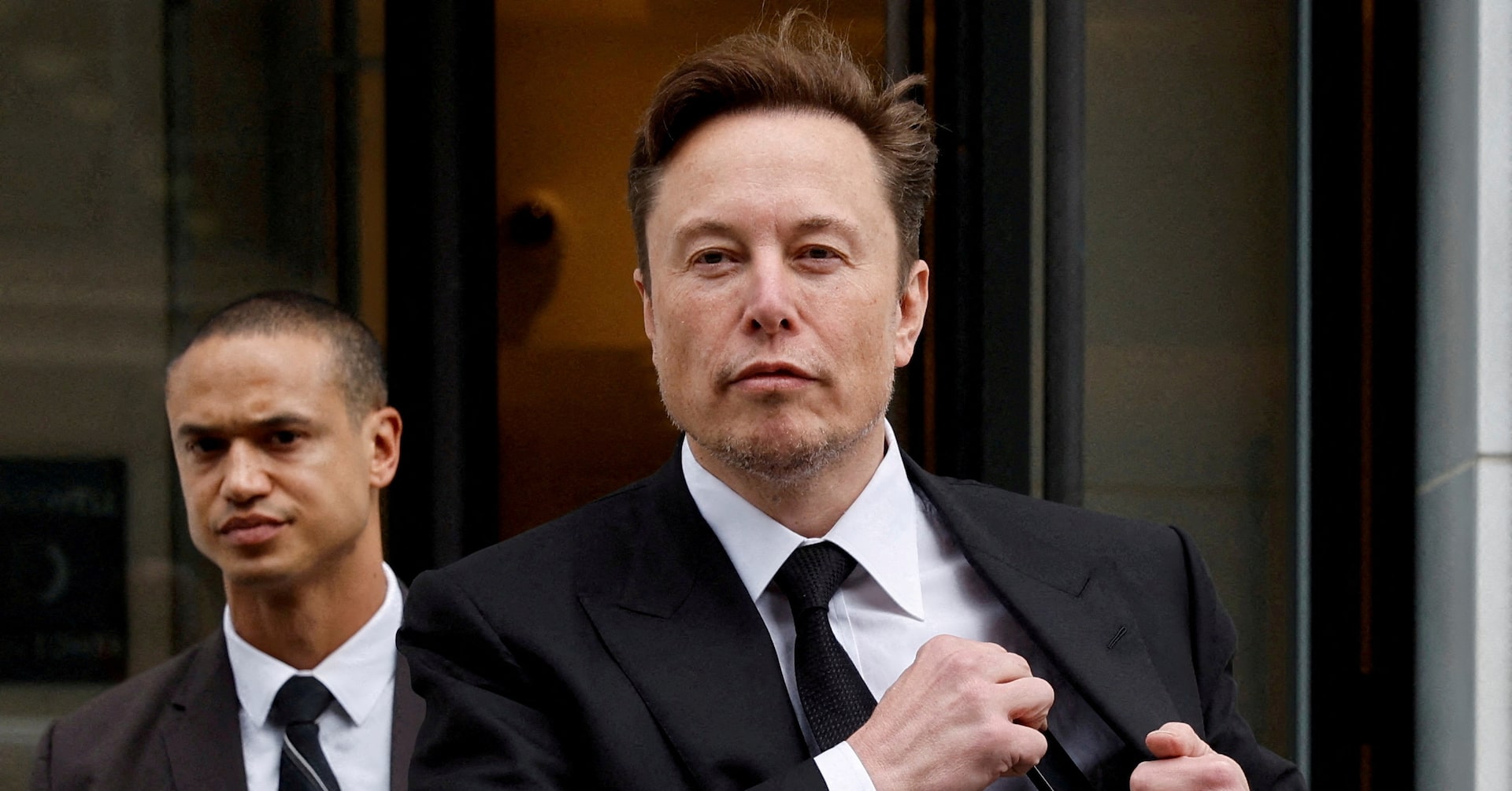
General Motors Enters Battery Storage Market
- Increased Competition: General Motors' entry into the battery storage market signifies a strategic move alongside Ford, intensifying competition against Tesla and potentially reshaping the electric vehicle landscape.
- Strategic Positioning: This initiative not only highlights GM's commitment to renewable energy solutions but also aims to diversify its product offerings, thereby enhancing market share and profitability.
- Industry Impact: With GM's participation, the battery storage market is set to experience heightened competition, likely leading to price wars and accelerated technological innovation, which could drive overall industry growth.
- Future Outlook: GM's battery storage business is expected to provide new growth momentum in the long term, particularly against the backdrop of rising global demand for clean energy solutions.
See More
Elon Musk Becomes First Person to Reach $1 Trillion Net Worth
- Historic IPO: SpaceX raised $75 billion in its IPO, shattering previous records and pushing the company's valuation above $2 trillion, marking Elon Musk as the first person in history to surpass a $1 trillion net worth.
- Starlink as Financial Engine: Starlink generated $11.4 billion in revenue last year with nearly 40% operating margins, serving as a robust financial backbone for SpaceX's growth, despite the overall business facing significant losses.
- Valuation Risks: Priced at approximately 117 times sales, SpaceX's stock reflects high expectations for future performance, making it a risky investment despite the company's impressive technological advancements and achievements.
- Strong Market Reaction: Following its opening, SpaceX's stock surged 25%, rising from the initial offering price of $135 to $170, indicating strong market interest in its future potential, although analysts advise caution given the current high valuation.
See More
SpaceX Aims for Record IPO Valuation
- Fundraising Target: SpaceX aims to raise $75 billion through its IPO by selling 555.6 million shares at $135 each, achieving a valuation of $1.77 trillion, making it the seventh most valuable U.S. company, surpassing Tesla.
- Valuation Challenges: Former Tesla board member Steve Westly stated that pricing SpaceX's IPO will be difficult due to its three disparate core businesses, particularly noting that the Starlink satellite internet service is the only profitable unit, necessitating at least two successful 'moonshots' to maintain its high valuation.
- Merger Possibility: Westly mentioned that a merger between SpaceX and Tesla is 'absolutely likely' in the future, highlighting that both companies already share numerous resources, although such a merger would face governance issues, yet the chances of success remain high.
- Market Reaction: SpaceX's IPO is set to become the largest in history, with the market eagerly anticipating its future developments, especially under Musk's diversified business strategy, which may further expand its range of operations.
See More
SpaceX IPO Underwhelms Despite High Valuation
- IPO Performance: SpaceX's IPO was priced at $135 per share, closing at approximately $160 on its first day, reflecting a modest 19% increase, which contrasts sharply with historical IPOs that often double, indicating market caution regarding its future profitability.
- Market Valuation: On its debut, SpaceX achieved a market cap of $2.1 trillion, making it the seventh largest company globally, just behind Taiwan Semiconductor, highlighting its significant impact in the aerospace sector but raising concerns about its ongoing losses.
- Index Changes: Due to SpaceX's size and popularity, the Nasdaq-100 plans to include it in about 15 days, which will lead index funds to buy the stock, creating additional demand that may support its price in the near term.
- Business Outlook: While SpaceX's Starlink business is profitable, its substantial R&D investments in space exploration and AI keep it in the red, prompting investors to carefully assess its long-term profitability and associated market risks.
See More
SpaceX IPO Sparks Market Interest Amid Size Concerns
- Market Performance Analysis: SpaceX's IPO was priced at $135 per share, closing at approximately $160 on its first day, reflecting a 19% increase; while this performance is less impressive compared to historical IPOs, its market cap soared to $2.1 trillion, making it the sixth-largest company globally, indicating market confidence in its future.
- Index Inclusion Dynamics: With SpaceX's public listing, the Nasdaq-100 is expected to include it within 15 days, which will lead index funds to purchase the stock, thereby increasing demand and potentially driving up the share price, showcasing the market's capacity to absorb large IPOs.
- R&D Investment Pressure: Despite SpaceX's leadership in the space industry, its substantial R&D expenditures and investments in the AI product Grok suggest it may continue to operate at a loss in the short term, prompting investors to carefully assess its long-term profitability.
- Investor Risk Assessment: Although SpaceX boasts a market cap of $2.1 trillion, it is still viewed as a money-losing startup, making it more suitable for risk-averse investors to hold indirectly through diversified index funds, while aggressive growth investors should consider its potential as a long-term hold.
See More
General Motors Enters Battery Storage Market
- Increased Competition: General Motors' entry into the battery storage market signifies a collaboration with Ford, intensifying competition with Tesla in battery technology, which could impact Tesla's market share.
- Enhanced Technological Dependence: This move by GM highlights the importance of battery technology, particularly in collaboration with tech giants like Nvidia and Intel, potentially driving technological advancements in the electric vehicle market.
- Investment Opportunities: Analysts suggest that GM's entry could present new opportunities for investors, especially against the backdrop of rising demand for battery storage, attracting more attention and capital inflow.
- Future Outlook: As the battery storage market rapidly evolves, GM's strategic positioning may yield long-term revenue growth, bolstering its competitiveness in the electric vehicle sector.
See More
General Motors Enters Battery Storage Market
- Increased Competition: General Motors' entry into the battery storage market signifies a strategic move alongside Ford, intensifying competition against Tesla and potentially reshaping the electric vehicle landscape.
- Strategic Positioning: This initiative not only highlights GM's commitment to renewable energy solutions but also aims to diversify its product offerings, thereby enhancing market share and profitability.
- Industry Impact: With GM's participation, the battery storage market is set to experience heightened competition, likely leading to price wars and accelerated technological innovation, which could drive overall industry growth.
- Future Outlook: GM's battery storage business is expected to provide new growth momentum in the long term, particularly against the backdrop of rising global demand for clean energy solutions.
See More