Analysis of Market Impact from Geopolitical Turmoil
Written by Emily J. Thompson, Senior Investment Analyst
Updated: Mar 08 2026
0mins


Source: CNBC
- Muted Market Reaction: Despite the military actions by the U.S. and Israel against Iran escalating geopolitical tensions, the S&P 500 showed minimal movement on the first trading day, indicating that investors are relatively unfazed by the conflict, which suggests a market resilience to short-term disruptions.
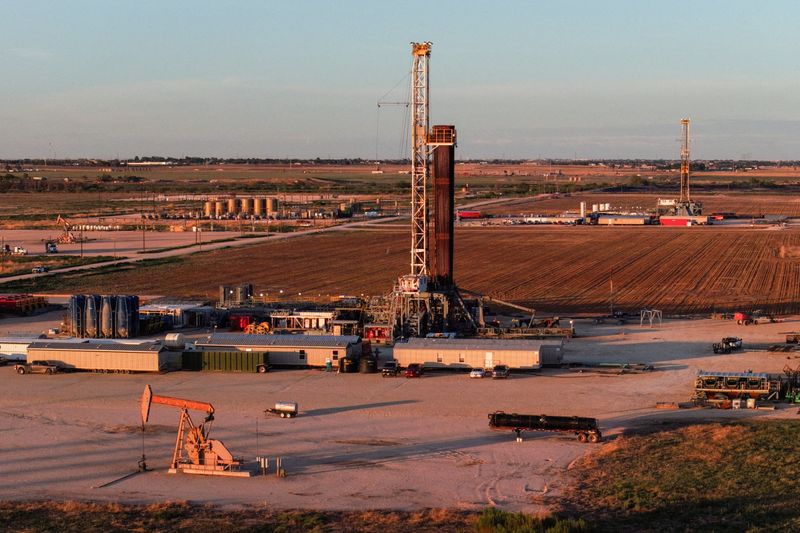
- Surging Oil Prices: U.S. oil prices surged above $90 per barrel last week, marking a 35% weekly increase, the largest since 1983, with analysts warning that a rise above $100 could trigger a global recession, necessitating close monitoring of oil price trends and their potential market impacts.
- Cautious Investor Sentiment: Although the market's response to geopolitical events has been tepid, analysts caution that investors may become complacent due to frequent geopolitical occurrences, potentially overlooking larger risks in the future, particularly regarding tensions between China and Taiwan.
- Defense Stocks Rally: As the conflict continues, defense stocks such as RTX, Lockheed Martin, and Northrop Grumman have risen between 2.1% and 4.4% over the past week, reflecting market expectations for increased defense spending, prompting investors to keep an eye on the performance of related equities.
Trade with 70% Backtested Accuracy
Stop guessing "Should I Buy RTX?" and start using high-conviction signals backed by rigorous historical data.
Sign up today to access powerful investing tools and make smarter, data-driven decisions.
Analyst Views on RTX
Wall Street analysts forecast RTX stock price to rise
14 Analyst Rating
9 Buy
5 Hold
0 Sell
Moderate Buy
Current: 176.780

Low
168.00
Averages
195.77
High
215.00
Current: 176.780
Low
168.00
Averages
195.77
High
215.00
About RTX
RTX Corporation is an aerospace and defense company, which provides advanced systems and services for commercial, military, and government customers worldwide. The Company operates through three segments: Collins Aerospace, Pratt & Whitney, and Raytheon. Collins Aerospace segment provides technologically advanced aerospace and defense products and aftermarket service solutions for civil and military aircraft manufacturers, commercial airlines, and regional, business and general aviation, as well as for defense and commercial space operations. The Pratt & Whitney segment supplies aircraft engines for commercial, military, business jet, and general aviation customers. The Raytheon segment provides defensive and offensive threat detection, tracking and mitigation capabilities for the United States and foreign government and commercial customers. The Raytheon designs, develops, and provides advanced capabilities in integrated air and missile defense, smart weapons, missiles and others.
About the author

Emily J. Thompson
Emily J. Thompson, a Chartered Financial Analyst (CFA) with 12 years in investment research, graduated with honors from the Wharton School. Specializing in industrial and technology stocks, she provides in-depth analysis for Intellectia’s earnings and market brief reports.
Rocket Lab Shares Surge 34% on Strong Q1 Performance and Strategic Moves

- Significant Revenue Growth: Rocket Lab's Q1 revenue surged 64% year-over-year to $200 million, reflecting strong demand for its launch services and solidifying its leadership position in the space systems sector.
- Record Contract Signings: The company signed 31 new contracts for its Electron orbital small rocket and HASTE hypersonic test rocket during the quarter, along with five dedicated launches for its developmental Neutron launch vehicle, resulting in a 20% increase in backlog to $2.2 billion.
- Enhanced Strategic Partnerships: Rocket Lab partnered with defense giant RTX to support the U.S. Defense Department's Space Based Interceptor program, providing launch and satellite technology, thereby increasing its influence in the defense sector.
- Acquisition to Strengthen Capabilities: The company announced the acquisition of robotics leader Motiv Space Systems to bolster its satellite components supply chain, enabling greater involvement in future lunar and planetary exploration missions, showcasing its long-term strategic vision in the aerospace industry.
See More

Rocket Lab's Revenue Soars 64% Amid Strong Demand
- Significant Revenue Growth: Rocket Lab's revenue surged 64% year-over-year to $200 million in Q1, reflecting strong demand for its launch services and further solidifying its leadership position in the space systems sector.
- Record Contract Signings: During the quarter, Rocket Lab signed 31 new contracts for its Electron orbital small rocket and HASTE hypersonic test rocket, along with five dedicated launches for its developmental Neutron launch vehicle, showcasing robust market demand.
- Backlog Expansion: The company's backlog grew by 20% to $2.2 billion, which not only secures future revenue but also indicates sustained attractiveness and customer trust in the aerospace market.
- Strategic Acquisition: Rocket Lab announced the acquisition of robotics leader Motiv Space Systems to strengthen its satellite components supply chain and enable a larger role in future lunar and planetary exploration missions, demonstrating its strategic foresight in the space economy.
See More

Spirit Airlines Bankruptcy Eases Next-Gen Engine Shortages

- Bankruptcy Impact: The grounding of Spirit Airlines on May 1 has led to the dismantling of its entire Airbus A320neo fleet for parts, which is expected to alleviate shortages of next-generation RTX engines, positively impacting the aviation industry.
- Engine Leasing Market Shift: GTF engines from Spirit's A320s are being removed and leased to other customers, and while leasing rates have not declined, this practice provides limited temporary relief from the supply-demand imbalance, indicating sustained demand for efficient engines.
- Supply Dynamics: With Spirit's bankruptcy, more A320neo planes are expected to enter the market; however, these engines will not be available immediately, which will provide airlines with more options and improve overall supply chain conditions in the long run.
- Accelerated Liquidation: Spirit Airlines has received permission from a U.S. bankruptcy court to expedite its liquidation plan, including the rapid sale of aircraft, with its fleet totaling 114 Airbus A320 family aircraft, of which 66 are leased, highlighting market interest in aviation assets.
See More
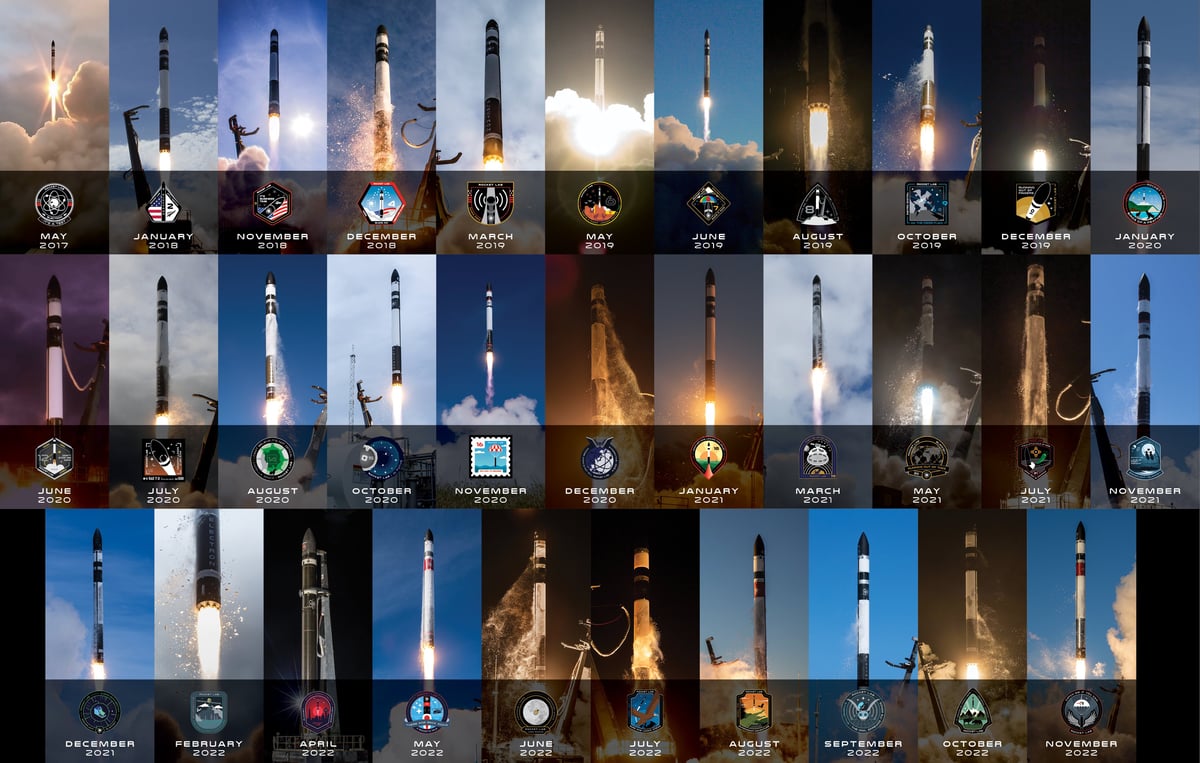
Rocket Lab Q1 Earnings Exceed Expectations
- Significant Sales Growth: Rocket Lab reported a 63.5% year-over-year increase in Q1 sales, reaching $200.3 million, surpassing analyst expectations and demonstrating strong demand and competitiveness in the aerospace market.
- New Contracts Signed: The company signed more launch contracts in Q1 2026 than in all of 2025, adding 31 Electron launches and five Neutron rocket contracts, indicating substantial future growth potential.
- Technological Innovation Expansion: Rocket Lab introduced the Gauss electric thruster to enhance satellite maneuverability and partnered with RTX Corporation for the Space Force missile defense program, broadening its business scope.
- Optimistic Future Outlook: The company forecasts Q2 sales could reach $240 million, a 66% increase, reflecting ongoing market demand and strong financial performance, with potential sales of $8.8 billion by 2035.
See More

Pratt & Whitney Completes XA103 Engine Technical Assessment
- Digital Assessment Completed: Pratt & Whitney has completed a comprehensive digital technical assessment of the XA103 engine, marking significant progress in the U.S. Air Force's Next Generation Adaptive Propulsion (NGAP) program, showcasing the company's investment in digital infrastructure and strong collaboration with the Air Force.
- Assembly Readiness Review: This assembly readiness review indicates Pratt & Whitney's transition from digital design to the procurement and production of physical hardware, with the XA103 engine expected to undergo testing in the late 2020s, further solidifying its competitive advantage in the aircraft engine market.
- Enhanced Performance Expectations: The adaptive design of the XA103 engine will provide advanced survivability, fuel efficiency, and robust power and thermal management capabilities, enabling the U.S. Air Force to meet evolving operational needs and maintain global air dominance.
- Supply Chain Collaboration: Pratt & Whitney's NGAP team is working with suppliers to procure components needed for assembling the XA103, ensuring that the expected performance targets can be achieved in future testing, reflecting the company's commitment to continuous improvement and stable investment.
See More

Pratt & Whitney Completes Technical Assessment of XA103 Engine
- Digital Assessment Completed: Pratt & Whitney has completed a comprehensive digital technical assessment of its XA103 engine, marking significant progress in the U.S. Air Force's Next Generation Adaptive Propulsion (NGAP) program, showcasing its investment in digital infrastructure and strong collaboration with the Air Force.
- Assembly Readiness Review: This review not only indicates a milestone in transitioning from digital design to physical hardware production but also emphasizes the strategic importance of continuous improvement and stable investment in propulsion technology.
- Advanced Design Benefits: The adaptive design of the XA103 engine will provide enhanced survivability, fuel efficiency, and robust power and thermal management capabilities, ensuring the U.S. Air Force can meet evolving operational needs and maintain global air dominance.
- Component Procurement Plan: Pratt & Whitney's NGAP team is collaborating with its supply chain to procure components necessary for assembling the XA103 engine, with testing expected in the late 2020s, further solidifying its leadership in the aircraft engine sector.
See More
Rocket Lab Shares Surge 34% on Strong Q1 Performance and Strategic Moves
- Significant Revenue Growth: Rocket Lab's Q1 revenue surged 64% year-over-year to $200 million, reflecting strong demand for its launch services and solidifying its leadership position in the space systems sector.
- Record Contract Signings: The company signed 31 new contracts for its Electron orbital small rocket and HASTE hypersonic test rocket during the quarter, along with five dedicated launches for its developmental Neutron launch vehicle, resulting in a 20% increase in backlog to $2.2 billion.
- Enhanced Strategic Partnerships: Rocket Lab partnered with defense giant RTX to support the U.S. Defense Department's Space Based Interceptor program, providing launch and satellite technology, thereby increasing its influence in the defense sector.
- Acquisition to Strengthen Capabilities: The company announced the acquisition of robotics leader Motiv Space Systems to bolster its satellite components supply chain, enabling greater involvement in future lunar and planetary exploration missions, showcasing its long-term strategic vision in the aerospace industry.
See More
Rocket Lab's Revenue Soars 64% Amid Strong Demand
- Significant Revenue Growth: Rocket Lab's revenue surged 64% year-over-year to $200 million in Q1, reflecting strong demand for its launch services and further solidifying its leadership position in the space systems sector.
- Record Contract Signings: During the quarter, Rocket Lab signed 31 new contracts for its Electron orbital small rocket and HASTE hypersonic test rocket, along with five dedicated launches for its developmental Neutron launch vehicle, showcasing robust market demand.
- Backlog Expansion: The company's backlog grew by 20% to $2.2 billion, which not only secures future revenue but also indicates sustained attractiveness and customer trust in the aerospace market.
- Strategic Acquisition: Rocket Lab announced the acquisition of robotics leader Motiv Space Systems to strengthen its satellite components supply chain and enable a larger role in future lunar and planetary exploration missions, demonstrating its strategic foresight in the space economy.
See More
Spirit Airlines Bankruptcy Eases Next-Gen Engine Shortages
- Bankruptcy Impact: The grounding of Spirit Airlines on May 1 has led to the dismantling of its entire Airbus A320neo fleet for parts, which is expected to alleviate shortages of next-generation RTX engines, positively impacting the aviation industry.
- Engine Leasing Market Shift: GTF engines from Spirit's A320s are being removed and leased to other customers, and while leasing rates have not declined, this practice provides limited temporary relief from the supply-demand imbalance, indicating sustained demand for efficient engines.
- Supply Dynamics: With Spirit's bankruptcy, more A320neo planes are expected to enter the market; however, these engines will not be available immediately, which will provide airlines with more options and improve overall supply chain conditions in the long run.
- Accelerated Liquidation: Spirit Airlines has received permission from a U.S. bankruptcy court to expedite its liquidation plan, including the rapid sale of aircraft, with its fleet totaling 114 Airbus A320 family aircraft, of which 66 are leased, highlighting market interest in aviation assets.
See More
Rocket Lab Q1 Earnings Exceed Expectations
- Significant Sales Growth: Rocket Lab reported a 63.5% year-over-year increase in Q1 sales, reaching $200.3 million, surpassing analyst expectations and demonstrating strong demand and competitiveness in the aerospace market.
- New Contracts Signed: The company signed more launch contracts in Q1 2026 than in all of 2025, adding 31 Electron launches and five Neutron rocket contracts, indicating substantial future growth potential.
- Technological Innovation Expansion: Rocket Lab introduced the Gauss electric thruster to enhance satellite maneuverability and partnered with RTX Corporation for the Space Force missile defense program, broadening its business scope.
- Optimistic Future Outlook: The company forecasts Q2 sales could reach $240 million, a 66% increase, reflecting ongoing market demand and strong financial performance, with potential sales of $8.8 billion by 2035.
See More
Pratt & Whitney Completes XA103 Engine Technical Assessment
- Digital Assessment Completed: Pratt & Whitney has completed a comprehensive digital technical assessment of the XA103 engine, marking significant progress in the U.S. Air Force's Next Generation Adaptive Propulsion (NGAP) program, showcasing the company's investment in digital infrastructure and strong collaboration with the Air Force.
- Assembly Readiness Review: This assembly readiness review indicates Pratt & Whitney's transition from digital design to the procurement and production of physical hardware, with the XA103 engine expected to undergo testing in the late 2020s, further solidifying its competitive advantage in the aircraft engine market.
- Enhanced Performance Expectations: The adaptive design of the XA103 engine will provide advanced survivability, fuel efficiency, and robust power and thermal management capabilities, enabling the U.S. Air Force to meet evolving operational needs and maintain global air dominance.
- Supply Chain Collaboration: Pratt & Whitney's NGAP team is working with suppliers to procure components needed for assembling the XA103, ensuring that the expected performance targets can be achieved in future testing, reflecting the company's commitment to continuous improvement and stable investment.
See More
Pratt & Whitney Completes Technical Assessment of XA103 Engine
- Digital Assessment Completed: Pratt & Whitney has completed a comprehensive digital technical assessment of its XA103 engine, marking significant progress in the U.S. Air Force's Next Generation Adaptive Propulsion (NGAP) program, showcasing its investment in digital infrastructure and strong collaboration with the Air Force.
- Assembly Readiness Review: This review not only indicates a milestone in transitioning from digital design to physical hardware production but also emphasizes the strategic importance of continuous improvement and stable investment in propulsion technology.
- Advanced Design Benefits: The adaptive design of the XA103 engine will provide enhanced survivability, fuel efficiency, and robust power and thermal management capabilities, ensuring the U.S. Air Force can meet evolving operational needs and maintain global air dominance.
- Component Procurement Plan: Pratt & Whitney's NGAP team is collaborating with its supply chain to procure components necessary for assembling the XA103 engine, with testing expected in the late 2020s, further solidifying its leadership in the aircraft engine sector.
See More