American Airlines Union Calls for Strategic Change
Written by Emily J. Thompson, Senior Investment Analyst
Updated: 5 days ago
0mins
Source: CNBC
- Merger Proposal Sparks Discussion: Nick Silva, president of the Allied Pilots Association, noted in an email to pilots that United Airlines CEO Scott Kirby's merger idea reflects the bold vision needed for American Airlines, although the union has not formally endorsed the merger, this proposal has become a new pressure point within American Airlines.
- Significant Profitability Gap: American Airlines has long lagged behind Delta Air Lines and United Airlines in profitability, with the union framing this gap as a governance issue, pressing the board for accountability at the top and emphasizing the need for stronger leadership to close the gap with competitors.
- Union Discontent with Management: Both the pilots' and flight attendants' unions have expressed no confidence in CEO Robert Isom and demanded leadership changes, with public calls for change being unusual outside formal contract negotiations, highlighting dissatisfaction with the company's strategy and execution.
- Future Strategic Options: Silva hopes that American Airlines' management will thoroughly review all strategic alternatives that could advance the company rather than quickly dismissing merger proposals, with the union indicating openness to any path that allows pilots to work for a company that values them.
Trade with 70% Backtested Accuracy
Stop guessing "Should I Buy DAL?" and start using high-conviction signals backed by rigorous historical data.
Sign up today to access powerful investing tools and make smarter, data-driven decisions.
Analyst Views on DAL
Wall Street analysts forecast DAL stock price to rise
18 Analyst Rating
18 Buy
0 Hold
0 Sell
Strong Buy
Current: 73.110

Low
77.00
Averages
83.50
High
90.00
Current: 73.110
Low
77.00
Averages
83.50
High
90.00
About DAL
Delta Air Lines, Inc. provides scheduled air transportation for passengers and cargo throughout the United States and around the world. The Company has hubs and markets in Amsterdam, Atlanta, Bogota, Boston, Detroit, Lima, London-Heathrow, Los Angeles, Mexico City, Minneapolis-St. Paul, New York-JFK and LaGuardia, Paris-Charles de Gaulle, Salt Lake City, Santiago (Chile), Sao Paulo, Seattle, Seoul-Incheon, and Tokyo. Its segments include Airline and Refinery. Its airline segment is managed as a single business unit that provides scheduled air transportation for passengers and cargo throughout the United States and around the world and includes its loyalty program, as well as other ancillary businesses. Its refinery segment operates for the benefit of the airline segment by providing jet fuel to the airline segment from its own production and through jet fuel obtained through agreements with third parties. The refinery's production consists of jet fuel as well as non-jet fuel products.
About the author

Emily J. Thompson
Emily J. Thompson, a Chartered Financial Analyst (CFA) with 12 years in investment research, graduated with honors from the Wharton School. Specializing in industrial and technology stocks, she provides in-depth analysis for Intellectia’s earnings and market brief reports.

U.S. Aviation Sector Faces Demand Challenges Amid High Fares

- Marginal Passenger Volume Improvement: TSA screening data for U.S. airlines showed a slight improvement last week, yet year-over-year growth remains negative, indicating the aviation sector's struggle amid high ticket prices and strategic capacity cuts.
- Major Airlines Decline: Southwest Airlines and Alaska Air experienced TSA screening drops of 4.6% and 6.3%, respectively, while Delta Air Lines and United Airlines saw declines around 2%, reflecting a broader trend of weak demand.
- Capacity Adjustments in Response: Although domestic capacity for Q2 2026 is projected to grow by 3.6%, airlines have begun trimming seat arrangements for upcoming months, with total industry capacity reduced by 0.3% in May and 0.5% in June.
- High Fares Impacting Consumers: Despite a slight uptick in passenger volume, consumer sensitivity to high fares, exacerbated by war-related fuel price spikes, remains a significant headwind for the industry as it approaches the peak summer travel season.
See More
Air Travel Costs Surge Amid Jet Fuel Crisis

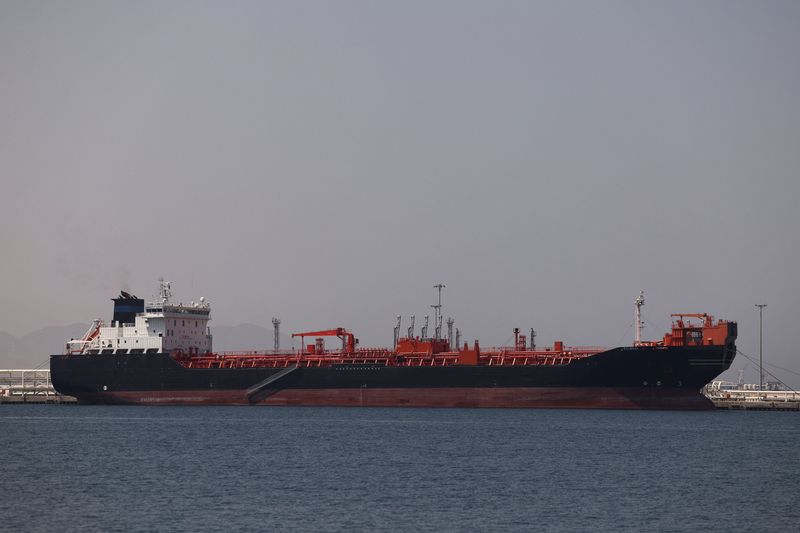
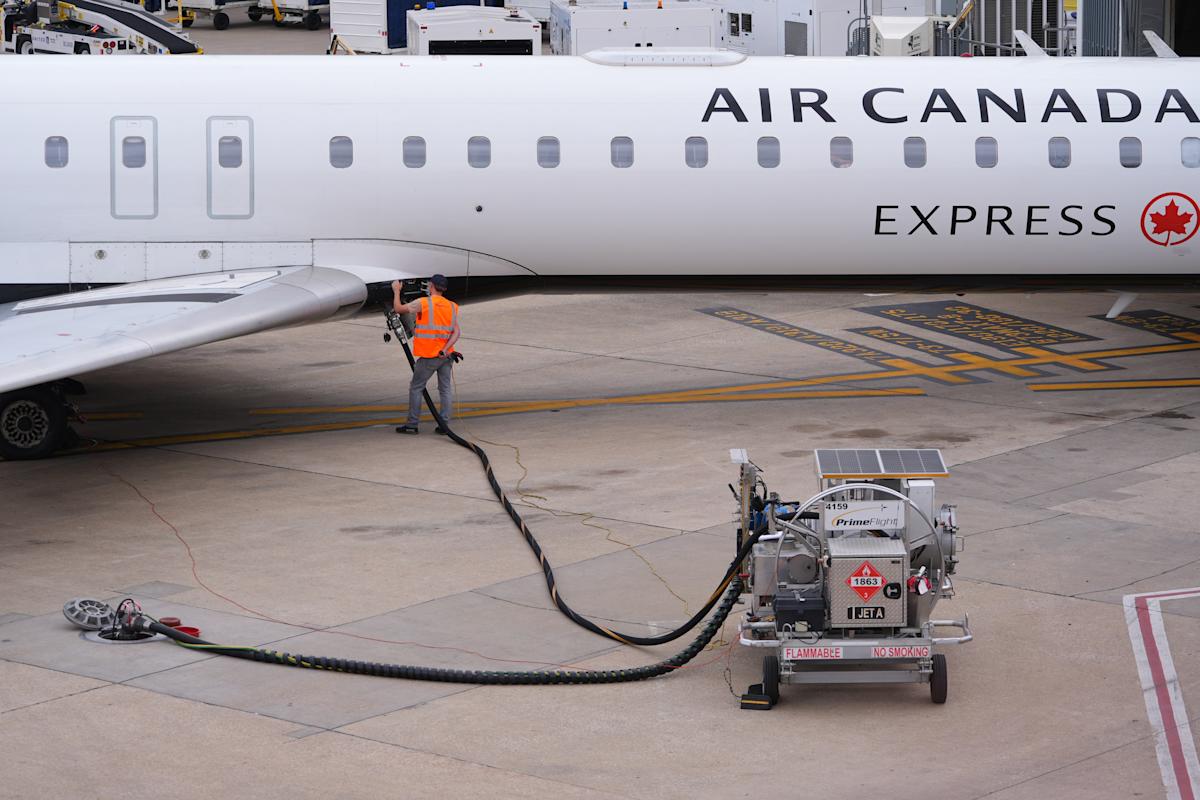
- Fuel Cost Surge: Jet fuel prices have soared over 100% since the start of the Iran war, prompting airlines to cut thousands of flights, which directly impacts consumer travel costs and airline profitability.
- Flight Reductions Impact: The blockage of the Strait of Hormuz has paralyzed about 20% of global jet fuel transport, with an estimated reduction of 620,000 barrels per day in jet fuel supply expected in Q2 2026, exacerbating the aviation crisis.
- Airlines' Response: Delta Air Lines anticipates a $2 billion fuel cost in Q2 and has begun raising fuel surcharges and ticket prices to cope with rising operational costs, indicating a high sense of urgency within the industry.
- Increased Market Competition: High fuel prices force airlines to reduce capacity and consolidate resources, with low-cost carrier Spirit Airlines collapsing under financial pressure, reflecting intensified competition and market restructuring within the industry.
See More
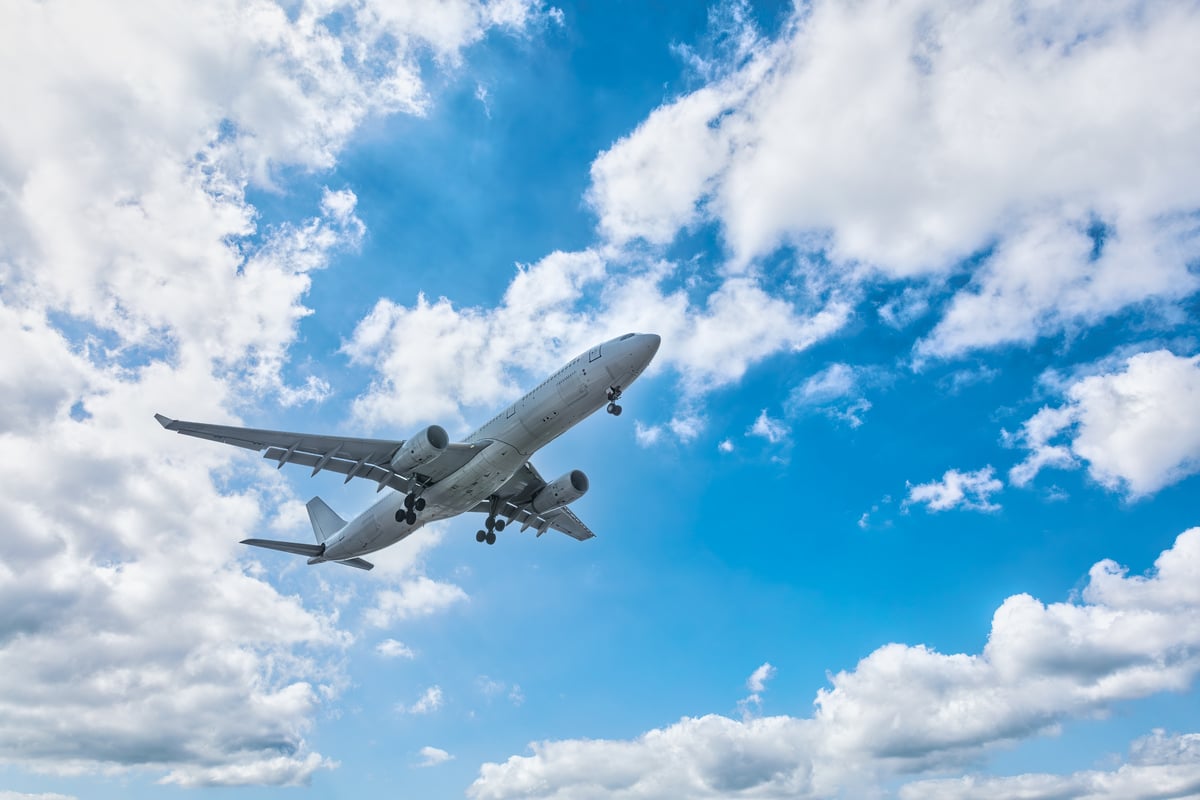
Airline Industry Faces Turbulence Due to Iran War
- Oil Price Surge Impact: The Iran war has led to a sharp increase in crude oil prices, creating significant cost pressures for the airline industry, exemplified by Spirit Airlines' bankruptcy, which highlights the sector's fragility.
- Delta Airlines' Strong Performance: Despite challenges from high inflation and declining international travel demand, Delta Airlines reported a 45% increase in Q4 2025 earnings, driven by a 9% rise in premium ticket sales, indicating its advantage in the 'K-shaped economy'.
- Southwest Airlines' Market Opportunity: With Spirit Airlines ceasing operations, Southwest Airlines stands to gain market share and aims for over 300% earnings growth, although high fuel prices introduce uncertainty, management has not revised their full-year outlook, reflecting confidence in future performance.
- Future Outlook and Challenges: While Delta's earnings are expected to decline by 5.3% in 2026, its premiumization trend could yield better-than-expected results, and Southwest must navigate high fuel costs and macroeconomic uncertainty, but a resolution to the conflict could lead to a rebound.
See More

US Stocks Surge as Tech Stocks Lead Gains


- Tech Stocks Rally: The Nasdaq 100 surged 2.08% to reach an all-time high on Wednesday, driven by stellar earnings from chipmakers and AI infrastructure firms, particularly Advanced Micro Devices, which rose over 17% as it raised its full-year sales forecast, reflecting strong investor optimism about ongoing AI investments.
- Crude Oil Plunge: WTI crude oil prices fell more than 7% to a two-week low as market expectations for a US-Iran peace agreement increased, easing inflation fears and contributing to stock market gains, with the 10-year Treasury yield dropping to a one-week low of 4.33%.
- Employment Data Impact: The April ADP employment report indicated that US companies added 109,000 jobs, below the expected 120,000, yet the market remains optimistic about the Fed's monetary policy, believing it will help maintain a low interest rate environment.
- International Market Surge: Overseas stock markets closed sharply higher, with the Euro Stoxx 50 rising 2.68% and China's Shanghai Composite gaining 1.17%, indicating a positive global market response to the US economic recovery, further boosting investor confidence.
See More
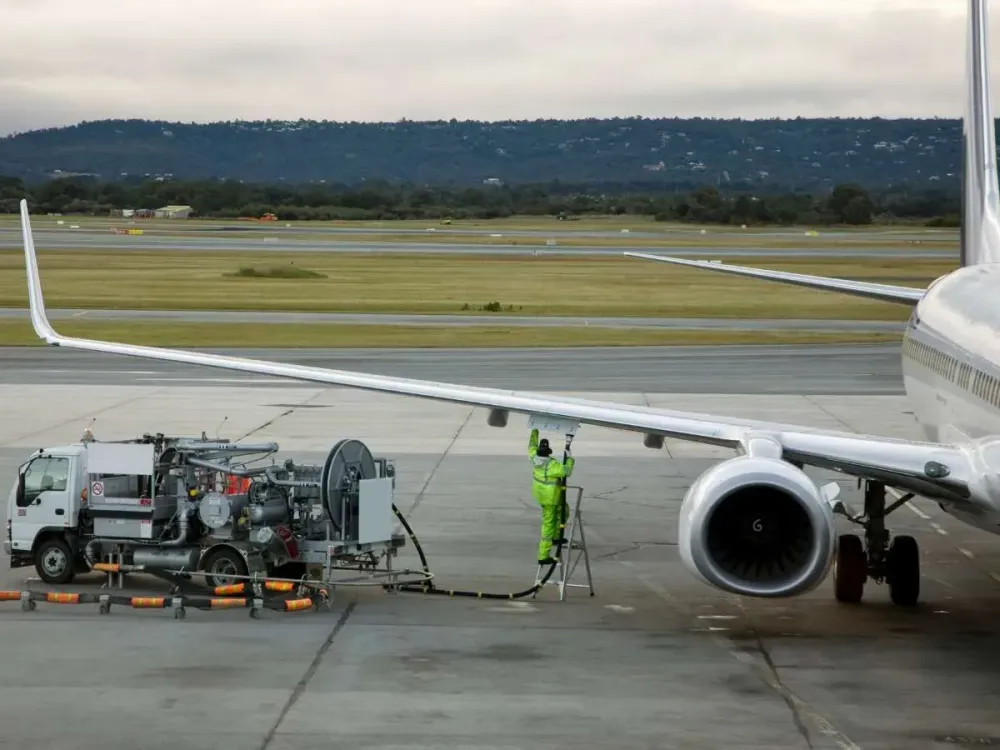
U.S. Airlines' Jet Fuel Spending Soars in March

- Surge in Fuel Spending: U.S. airlines spent $5.06 billion on jet fuel in March 2026, a 56.4% increase from February and a 30% year-on-year rise, significantly impacting profitability amid rising operational costs.
- Flight Plan Adjustments: Major carriers like Delta Airlines have scaled back flight plans and lowered or scrapped 2026 forecasts due to uncertainty in crude oil prices, indicating serious concerns over future expenses.
- Increased Fuel Usage: According to the Bureau of Transportation Statistics, airlines consumed 1.615 billion gallons of fuel in March 2026, a 19.5% increase from February, with the cost per gallon rising to $3.13, up 31% from the previous month.
- Ticket Sales Growth: Despite soaring fuel costs, airline ticket sales in March rose 12% year-on-year to $10.4 billion, reflecting strong consumer demand with domestic trips up 5% and international trips up 1%.
See More

US Stocks Surge to New Highs Led by Tech Earnings
- Tech Stock Rally: The Nasdaq 100 index surged over 1.44% to reach an all-time high, driven by strong earnings from chipmakers and AI infrastructure stocks, reflecting market optimism about sustained investment growth in artificial intelligence.
- Crude Oil Plunge: WTI crude oil prices fell more than 6% to a two-week low as the US nears a peace agreement with Iran, which is expected to lift restrictions on the Strait of Hormuz, thereby reducing energy costs and enhancing profitability prospects for airlines and cruise lines.
- Employment Data Impact: The April ADP employment change report indicated that US companies added 109,000 jobs, below the expected 120,000, yet the market remains optimistic about the Fed's monetary policy, suggesting a lower likelihood of interest rate hikes.
- Earnings Optimism: So far, 84% of the 375 S&P 500 companies that reported earnings have exceeded expectations, with Q1 earnings projected to rise 12% year-over-year, indicating strong corporate profitability that further supports the stock market's upward trend.
See More
U.S. Aviation Sector Faces Demand Challenges Amid High Fares
- Marginal Passenger Volume Improvement: TSA screening data for U.S. airlines showed a slight improvement last week, yet year-over-year growth remains negative, indicating the aviation sector's struggle amid high ticket prices and strategic capacity cuts.
- Major Airlines Decline: Southwest Airlines and Alaska Air experienced TSA screening drops of 4.6% and 6.3%, respectively, while Delta Air Lines and United Airlines saw declines around 2%, reflecting a broader trend of weak demand.
- Capacity Adjustments in Response: Although domestic capacity for Q2 2026 is projected to grow by 3.6%, airlines have begun trimming seat arrangements for upcoming months, with total industry capacity reduced by 0.3% in May and 0.5% in June.
- High Fares Impacting Consumers: Despite a slight uptick in passenger volume, consumer sensitivity to high fares, exacerbated by war-related fuel price spikes, remains a significant headwind for the industry as it approaches the peak summer travel season.
See More
Air Travel Costs Surge Amid Jet Fuel Crisis
- Fuel Cost Surge: Jet fuel prices have soared over 100% since the start of the Iran war, prompting airlines to cut thousands of flights, which directly impacts consumer travel costs and airline profitability.
- Flight Reductions Impact: The blockage of the Strait of Hormuz has paralyzed about 20% of global jet fuel transport, with an estimated reduction of 620,000 barrels per day in jet fuel supply expected in Q2 2026, exacerbating the aviation crisis.
- Airlines' Response: Delta Air Lines anticipates a $2 billion fuel cost in Q2 and has begun raising fuel surcharges and ticket prices to cope with rising operational costs, indicating a high sense of urgency within the industry.
- Increased Market Competition: High fuel prices force airlines to reduce capacity and consolidate resources, with low-cost carrier Spirit Airlines collapsing under financial pressure, reflecting intensified competition and market restructuring within the industry.
See More
Airline Industry Faces Turbulence Due to Iran War
- Oil Price Surge Impact: The Iran war has led to a sharp increase in crude oil prices, creating significant cost pressures for the airline industry, exemplified by Spirit Airlines' bankruptcy, which highlights the sector's fragility.
- Delta Airlines' Strong Performance: Despite challenges from high inflation and declining international travel demand, Delta Airlines reported a 45% increase in Q4 2025 earnings, driven by a 9% rise in premium ticket sales, indicating its advantage in the 'K-shaped economy'.
- Southwest Airlines' Market Opportunity: With Spirit Airlines ceasing operations, Southwest Airlines stands to gain market share and aims for over 300% earnings growth, although high fuel prices introduce uncertainty, management has not revised their full-year outlook, reflecting confidence in future performance.
- Future Outlook and Challenges: While Delta's earnings are expected to decline by 5.3% in 2026, its premiumization trend could yield better-than-expected results, and Southwest must navigate high fuel costs and macroeconomic uncertainty, but a resolution to the conflict could lead to a rebound.
See More
US Stocks Surge as Tech Stocks Lead Gains
- Tech Stocks Rally: The Nasdaq 100 surged 2.08% to reach an all-time high on Wednesday, driven by stellar earnings from chipmakers and AI infrastructure firms, particularly Advanced Micro Devices, which rose over 17% as it raised its full-year sales forecast, reflecting strong investor optimism about ongoing AI investments.
- Crude Oil Plunge: WTI crude oil prices fell more than 7% to a two-week low as market expectations for a US-Iran peace agreement increased, easing inflation fears and contributing to stock market gains, with the 10-year Treasury yield dropping to a one-week low of 4.33%.
- Employment Data Impact: The April ADP employment report indicated that US companies added 109,000 jobs, below the expected 120,000, yet the market remains optimistic about the Fed's monetary policy, believing it will help maintain a low interest rate environment.
- International Market Surge: Overseas stock markets closed sharply higher, with the Euro Stoxx 50 rising 2.68% and China's Shanghai Composite gaining 1.17%, indicating a positive global market response to the US economic recovery, further boosting investor confidence.
See More
U.S. Airlines' Jet Fuel Spending Soars in March
- Surge in Fuel Spending: U.S. airlines spent $5.06 billion on jet fuel in March 2026, a 56.4% increase from February and a 30% year-on-year rise, significantly impacting profitability amid rising operational costs.
- Flight Plan Adjustments: Major carriers like Delta Airlines have scaled back flight plans and lowered or scrapped 2026 forecasts due to uncertainty in crude oil prices, indicating serious concerns over future expenses.
- Increased Fuel Usage: According to the Bureau of Transportation Statistics, airlines consumed 1.615 billion gallons of fuel in March 2026, a 19.5% increase from February, with the cost per gallon rising to $3.13, up 31% from the previous month.
- Ticket Sales Growth: Despite soaring fuel costs, airline ticket sales in March rose 12% year-on-year to $10.4 billion, reflecting strong consumer demand with domestic trips up 5% and international trips up 1%.
See More
US Stocks Surge to New Highs Led by Tech Earnings
- Tech Stock Rally: The Nasdaq 100 index surged over 1.44% to reach an all-time high, driven by strong earnings from chipmakers and AI infrastructure stocks, reflecting market optimism about sustained investment growth in artificial intelligence.
- Crude Oil Plunge: WTI crude oil prices fell more than 6% to a two-week low as the US nears a peace agreement with Iran, which is expected to lift restrictions on the Strait of Hormuz, thereby reducing energy costs and enhancing profitability prospects for airlines and cruise lines.
- Employment Data Impact: The April ADP employment change report indicated that US companies added 109,000 jobs, below the expected 120,000, yet the market remains optimistic about the Fed's monetary policy, suggesting a lower likelihood of interest rate hikes.
- Earnings Optimism: So far, 84% of the 375 S&P 500 companies that reported earnings have exceeded expectations, with Q1 earnings projected to rise 12% year-over-year, indicating strong corporate profitability that further supports the stock market's upward trend.
See More