AMD Positioned as Leader in Agentic AI Hardware Market
Written by Emily J. Thompson, Senior Investment Analyst
Updated: 2 days ago
0mins
Should l Buy AMD?
Source: Fool
- Surge in Market Demand: With the rise of agentic AI, the demand for high-performance central processing units (CPUs) in data centers is rapidly increasing, and as the market leader, AMD anticipates the server CPU market will reach $120 billion by 2030, doubling its previous forecast of $60 billion, indicating strong market potential.
- Shift in CPU to GPU Ratio: AMD and rival Intel have discussed the shift in data centers from an 8:1 GPU to CPU ratio to a 1:1 ratio, which will significantly increase demand for CPUs, further driving AMD's market share and revenue growth.
- Advantages of High-Core CPUs: Agentic AI is best served by high-core CPUs, as cores function like individual workplaces capable of handling multiple tasks simultaneously, and AMD's high-core products are expected to command higher prices due to their performance advantages, enhancing the company's overall profitability.
- Competitive Landscape Analysis: While Nvidia dominates the graphics processing unit (GPU) market, AMD's leadership in the data center CPU market positions it favorably in the wave of agentic AI, allowing it to effectively leverage this trend to strengthen its market competitiveness.
Trade with 70% Backtested Accuracy
Stop guessing "Should I Buy AMD?" and start using high-conviction signals backed by rigorous historical data.
Sign up today to access powerful investing tools and make smarter, data-driven decisions.
Analyst Views on AMD
Wall Street analysts forecast AMD stock price to fall
33 Analyst Rating
25 Buy
8 Hold
0 Sell
Strong Buy
Current: 424.100

Low
210.00
Averages
289.13
High
377.00
Current: 424.100
Low
210.00
Averages
289.13
High
377.00
About AMD
Advanced Micro Devices, Inc. is a global semiconductor company. The Company is focused on high-performance computing and artificial intelligence (AI). Its segments include Data Center, Client and Gaming, and Embedded. Data Center segment includes AI accelerators, microprocessors (CPUs) for servers, graphics processing units (GPUs), accelerated processing units (APUs), data processing units (DPUs), Field Programmable Gate Arrays (FPGAs), and Adaptive system-on-Chip (SoC) products for data centers. Client and Gaming segment includes CPUs, APUs, chipsets for desktops and notebooks, discrete GPUs, and semi-custom SoC products and development services. Embedded segment includes embedded CPUs, APUs, FPGAs, system on modules (SOMs), and Adaptive SoC products. It markets and sells its products under the AMD trademark. Its products include AMD EPYC, AMD Ryzen, AMD Ryzen PRO, Virtex UltraScale+, among others.
About the author

Emily J. Thompson
Emily J. Thompson, a Chartered Financial Analyst (CFA) with 12 years in investment research, graduated with honors from the Wharton School. Specializing in industrial and technology stocks, she provides in-depth analysis for Intellectia’s earnings and market brief reports.

AMD Reports Record Quarter with Strong Earnings Outlook

- Record Quarter: AMD reported what is arguably its best quarter in history, with CEO Lisa Su indicating a clear path for rapid earnings growth, signaling strong performance and sustained growth potential in the semiconductor market.
- Earnings Growth Outlook: With the launch of new products and rising market demand, AMD is poised to scale earnings quickly, further solidifying its leadership position in high-performance computing and attracting more investor interest.
- Positive Market Reaction: Despite stock prices rising in morning trading on May 14, 2026, investors remain optimistic about AMD's future performance, reflecting confidence in its innovation capabilities and growth strategy.
- Investor Focus: As the company's performance improves, analysts are beginning to reassess AMD's stock value; although the current stock price may be considered high, the long-term growth potential continues to attract investor attention.
See More

Nvidia Faces Competitive Pressure in AI Chip Market


- Revenue Growth Acceleration: Nvidia is expected to report a 79% year-over-year revenue increase in the April quarter, reaching $42.97 billion, marking its fastest growth in over a year, driven by massive spending from clients like Microsoft and Meta, indicating robust demand in the AI market.
- Intensifying Competition: With tech giants like Alphabet, Intel, and AMD ramping up investments in AI chips, Nvidia faces increased competitive pressure in the inference market, which could impact its market dominance as demand shifts towards real-time processing capabilities.
- Supply Chain Commitments Surge: Nvidia's spending on supply commitments skyrocketed from $50.3 billion to $95.2 billion between the last two quarters of its fiscal year, although it has largely avoided the impact of a global memory chip shortage, highlighting potential supply constraint risks that need monitoring.
- Margin Pressure: Analysts expect Nvidia's profit margins to reach 74.5% in the first quarter, but rising memory and chip packaging costs, along with the rollout of its Rubin chips, could exert downward pressure on margins later in the year, affecting overall profitability.
See More
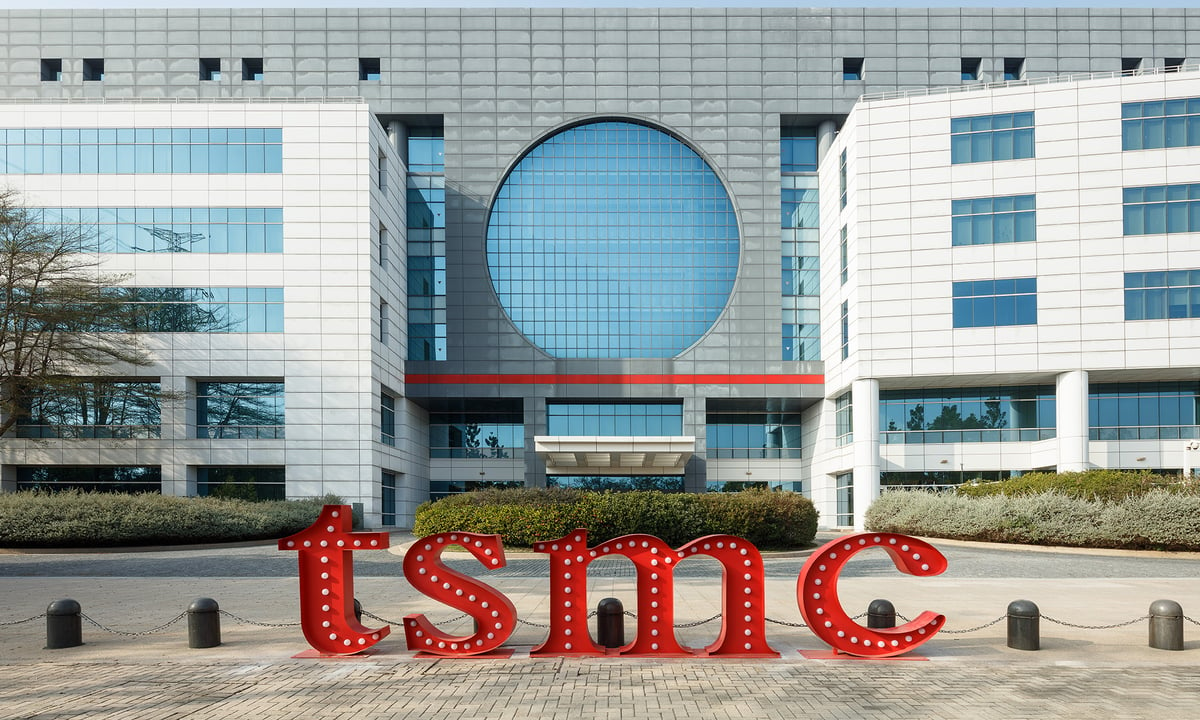
Nvidia's Earnings Report Sparks Investor Interest

- Earnings Report Anticipation: Nvidia is set to release its fiscal Q1 2027 results on May 20, with investors keenly awaiting insights into the AI economy, despite a modest 21% stock gain over the past six months compared to a 73% rise in the semiconductor index.
- TSMC's Strong Performance: As Nvidia's foundry partner, TSMC's stock surged 33% in 2026, significantly outperforming Nvidia, while controlling 72% of the pure-play foundry market by the end of 2025, highlighting its competitive edge.
- Growth in Foundry 2.0 Market: Counterpoint Research indicates that the Foundry 2.0 market grew by 16% to $320 billion in 2025, with TSMC capturing 38% of this market, underscoring its leadership in the AI era.
- Future Growth Potential: TSMC plans to increase its 2nm production capacity at a 70% CAGR from 2026 to 2028, and with anticipated price hikes, it is poised for significant profit growth, further solidifying its dominant market position.
See More

Nvidia Earnings Outlook and TSMC Investment Opportunities
- Earnings Release Outlook: Nvidia is set to report its fiscal Q1 results on May 20, and despite expectations for solid performance, historical trends indicate that its stock often faces pressure post-earnings, with five out of the last seven reports resulting in stock declines, reflecting market caution regarding its future performance.
- TSMC Market Dominance: As Nvidia's largest customer, TSMC controlled 72% of the pure-play foundry market by the end of 2025, significantly ahead of its closest competitor at 7%, and held a 38% share in the Foundry 2.0 market, showcasing its strong competitive position amid surging AI chip demand.
- Production Capacity Expansion: TSMC plans to increase its 2nm production capacity at a 70% CAGR from 2026 to 2028, which is expected to meet the robust demand from Nvidia and other AI chip designers, thereby driving the company's revenue growth in the future.
- Optimistic Profit Projections: Analysts predict that if TSMC achieves $24.95 in earnings per share by 2028 and trades at a 26.2x earnings multiple, its stock price could reach $653, representing a 62% increase from current levels, reflecting market recognition of its long-term growth potential in the AI chip sector.
See More

Trump Halts Military Action Against Iran Amid Global Energy Concerns


- Military Action Halted: Trump announced a pause in military action against Iran following requests from leaders in Saudi Arabia, the UAE, and Qatar, while still threatening a large-scale assault if necessary, which could significantly impact geopolitical stability in the Middle East.
- Oil Price Fluctuations: International benchmark Brent crude futures fell over 2% to $109.15 per barrel, while West Texas Intermediate futures declined 1.27% to $107.28, reflecting market concerns over energy supply tightness that may lead to future price increases.
- Pressure on Airlines: Ryanair's CFO warned of a potential
See More

Semiconductor Sector Reshapes Investment Diversification
- Rising Semiconductor Weight: Over the past decade, the semiconductor sector's weight in the S&P 500 has surged from 2% to 18%, a shift that not only reflects rapid industry growth but also poses challenges to portfolio diversification, particularly amid concentrated AI capital expenditures.
- NVIDIA's Market Leadership: NVIDIA commands a market cap of $5.46 trillion, with a 65.53% stock price increase over the past year and data center revenue contributing $62.31 billion, driving a 73.2% overall revenue growth, underscoring its dominance in the semiconductor sector.
- Micron and TSMC's Strong Performance: Micron's stock has skyrocketed 625.69% in the past year due to HBM demand, while Taiwan Semiconductor boasts a $2.1 trillion market cap, with 61% of its revenue derived from AI/HPC workloads, highlighting the semiconductor industry's significant impact on emerging markets.
- Ineffectiveness of Traditional Diversification: As the semiconductor industry becomes more concentrated, traditional diversification strategies are proving ineffective, prompting investors to reassess their portfolios to mitigate current market correlation risks.
See More
AMD Reports Record Quarter with Strong Earnings Outlook
- Record Quarter: AMD reported what is arguably its best quarter in history, with CEO Lisa Su indicating a clear path for rapid earnings growth, signaling strong performance and sustained growth potential in the semiconductor market.
- Earnings Growth Outlook: With the launch of new products and rising market demand, AMD is poised to scale earnings quickly, further solidifying its leadership position in high-performance computing and attracting more investor interest.
- Positive Market Reaction: Despite stock prices rising in morning trading on May 14, 2026, investors remain optimistic about AMD's future performance, reflecting confidence in its innovation capabilities and growth strategy.
- Investor Focus: As the company's performance improves, analysts are beginning to reassess AMD's stock value; although the current stock price may be considered high, the long-term growth potential continues to attract investor attention.
See More
Nvidia Faces Competitive Pressure in AI Chip Market
- Revenue Growth Acceleration: Nvidia is expected to report a 79% year-over-year revenue increase in the April quarter, reaching $42.97 billion, marking its fastest growth in over a year, driven by massive spending from clients like Microsoft and Meta, indicating robust demand in the AI market.
- Intensifying Competition: With tech giants like Alphabet, Intel, and AMD ramping up investments in AI chips, Nvidia faces increased competitive pressure in the inference market, which could impact its market dominance as demand shifts towards real-time processing capabilities.
- Supply Chain Commitments Surge: Nvidia's spending on supply commitments skyrocketed from $50.3 billion to $95.2 billion between the last two quarters of its fiscal year, although it has largely avoided the impact of a global memory chip shortage, highlighting potential supply constraint risks that need monitoring.
- Margin Pressure: Analysts expect Nvidia's profit margins to reach 74.5% in the first quarter, but rising memory and chip packaging costs, along with the rollout of its Rubin chips, could exert downward pressure on margins later in the year, affecting overall profitability.
See More
Nvidia's Earnings Report Sparks Investor Interest
- Earnings Report Anticipation: Nvidia is set to release its fiscal Q1 2027 results on May 20, with investors keenly awaiting insights into the AI economy, despite a modest 21% stock gain over the past six months compared to a 73% rise in the semiconductor index.
- TSMC's Strong Performance: As Nvidia's foundry partner, TSMC's stock surged 33% in 2026, significantly outperforming Nvidia, while controlling 72% of the pure-play foundry market by the end of 2025, highlighting its competitive edge.
- Growth in Foundry 2.0 Market: Counterpoint Research indicates that the Foundry 2.0 market grew by 16% to $320 billion in 2025, with TSMC capturing 38% of this market, underscoring its leadership in the AI era.
- Future Growth Potential: TSMC plans to increase its 2nm production capacity at a 70% CAGR from 2026 to 2028, and with anticipated price hikes, it is poised for significant profit growth, further solidifying its dominant market position.
See More
Nvidia Earnings Outlook and TSMC Investment Opportunities
- Earnings Release Outlook: Nvidia is set to report its fiscal Q1 results on May 20, and despite expectations for solid performance, historical trends indicate that its stock often faces pressure post-earnings, with five out of the last seven reports resulting in stock declines, reflecting market caution regarding its future performance.
- TSMC Market Dominance: As Nvidia's largest customer, TSMC controlled 72% of the pure-play foundry market by the end of 2025, significantly ahead of its closest competitor at 7%, and held a 38% share in the Foundry 2.0 market, showcasing its strong competitive position amid surging AI chip demand.
- Production Capacity Expansion: TSMC plans to increase its 2nm production capacity at a 70% CAGR from 2026 to 2028, which is expected to meet the robust demand from Nvidia and other AI chip designers, thereby driving the company's revenue growth in the future.
- Optimistic Profit Projections: Analysts predict that if TSMC achieves $24.95 in earnings per share by 2028 and trades at a 26.2x earnings multiple, its stock price could reach $653, representing a 62% increase from current levels, reflecting market recognition of its long-term growth potential in the AI chip sector.
See More
Trump Halts Military Action Against Iran Amid Global Energy Concerns
- Military Action Halted: Trump announced a pause in military action against Iran following requests from leaders in Saudi Arabia, the UAE, and Qatar, while still threatening a large-scale assault if necessary, which could significantly impact geopolitical stability in the Middle East.
- Oil Price Fluctuations: International benchmark Brent crude futures fell over 2% to $109.15 per barrel, while West Texas Intermediate futures declined 1.27% to $107.28, reflecting market concerns over energy supply tightness that may lead to future price increases.
- Pressure on Airlines: Ryanair's CFO warned of a potential
See More
Semiconductor Sector Reshapes Investment Diversification
- Rising Semiconductor Weight: Over the past decade, the semiconductor sector's weight in the S&P 500 has surged from 2% to 18%, a shift that not only reflects rapid industry growth but also poses challenges to portfolio diversification, particularly amid concentrated AI capital expenditures.
- NVIDIA's Market Leadership: NVIDIA commands a market cap of $5.46 trillion, with a 65.53% stock price increase over the past year and data center revenue contributing $62.31 billion, driving a 73.2% overall revenue growth, underscoring its dominance in the semiconductor sector.
- Micron and TSMC's Strong Performance: Micron's stock has skyrocketed 625.69% in the past year due to HBM demand, while Taiwan Semiconductor boasts a $2.1 trillion market cap, with 61% of its revenue derived from AI/HPC workloads, highlighting the semiconductor industry's significant impact on emerging markets.
- Ineffectiveness of Traditional Diversification: As the semiconductor industry becomes more concentrated, traditional diversification strategies are proving ineffective, prompting investors to reassess their portfolios to mitigate current market correlation risks.
See More