Amazon Licenses AI Shopping Technology to Retailers
Written by Emily J. Thompson, Senior Investment Analyst
Updated: May 27 2026
0mins


Source: CNBC
- Technology Licensing Strategy: Amazon is licensing its internally developed AI shopping technology to other retailers, enabling them to launch customized shopping tools in as little as 60 days, thereby enhancing Amazon's technological influence in the retail sector.
- Customer Engagement: Amazon has signed a partnership with Tapestry-owned luxury brand Kate Spade to utilize the service for launching a gifting assistant, demonstrating market demand and application potential for its technology.
- Competitive Market Landscape: In the AI shopping space, Amazon faces challenges from competitors like OpenAI and Google, which are also rolling out shopping-related AI tools, although some initiatives have stumbled due to technical issues, highlighting market uncertainties.
- Retailer Autonomy: Amazon encourages retailers to develop their own AI tools, emphasizing their deep understanding of products and customers, which allows them to maintain control over the shopping experience and enhances their competitive edge in the market.
Trade with 70% Backtested Accuracy
Stop guessing "Should I Buy TGT?" and start using high-conviction signals backed by rigorous historical data.
Sign up today to access powerful investing tools and make smarter, data-driven decisions.
Analyst Views on TGT
Wall Street analysts forecast TGT stock price to fall
26 Analyst Rating
8 Buy
14 Hold
4 Sell
Hold
Current: 127.810

Low
80.00
Averages
98.83
High
126.00
Current: 127.810
Low
80.00
Averages
98.83
High
126.00
About TGT
Target Corporation is a general merchandise retailer selling products to its guests through its stores and digital channels. The Company offers customers, referred to as guests, differentiated merchandise and everyday essentials at discounted prices. The majority of its stores offer a wide assortment of general merchandise and groceries. Its merchandise categories include apparel and accessories, beauty, food and beverage, hardlines, home furnishings and decor, household essentials, and other merchandise sales. Most of its stores are larger than over 170,000 square feet, offer a variety of general merchandise and a full line of groceries comparable to traditional supermarkets. Its digital channels include merchandise assortment, including many items found in its stores, along with a complementary assortment sold by the Company and third parties through our Target Plus digital marketplace. Its brands include A New Day, All in Motion, Art Class, Auden, Ava & Viv, among others.
About the author

Emily J. Thompson
Emily J. Thompson, a Chartered Financial Analyst (CFA) with 12 years in investment research, graduated with honors from the Wharton School. Specializing in industrial and technology stocks, she provides in-depth analysis for Intellectia’s earnings and market brief reports.
Costco Stock Valuation Too High, Investors Should Watch

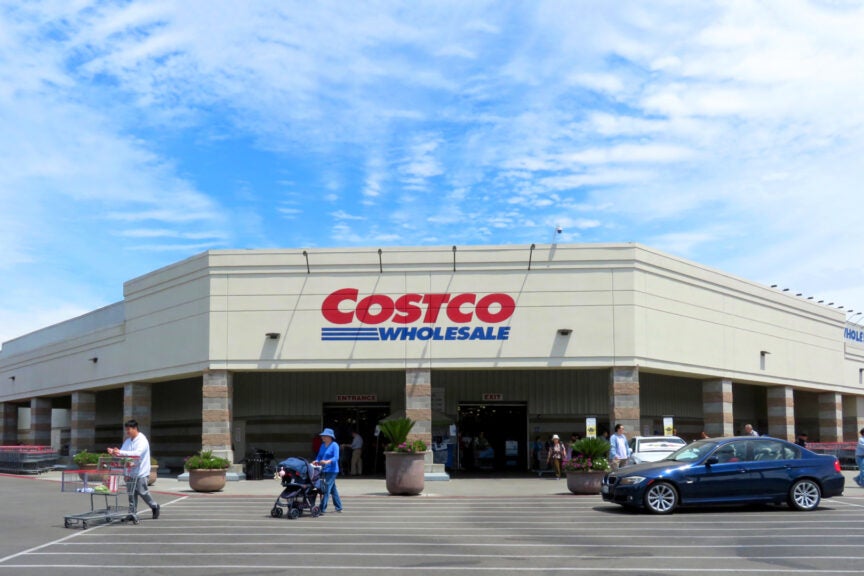
- High Valuation: Costco's price-to-earnings ratio stands at 49, significantly higher than competitors like Walmart and Target, and it hasn't dipped below 25 since 2017, indicating substantial valuation risk for investors.
- Revenue Growth: For the first nine months of fiscal 2026, Costco reported total revenue of $207 billion, a 10% year-over-year increase, with net income reaching $6.2 billion, up 13%, yet this growth does not justify its high P/E ratio.
- PEG Ratio: Costco's PEG ratio is twice that of Walmart's, and while revenue and earnings growth have slightly accelerated, this does not validate its elevated valuation, raising further concerns among investors.
- Flat Market Performance: Since the beginning of 2025, Costco's stock has remained flat, with a pullback since mid-May, prompting investors to carefully consider the risks of entering at such a high valuation.
See More
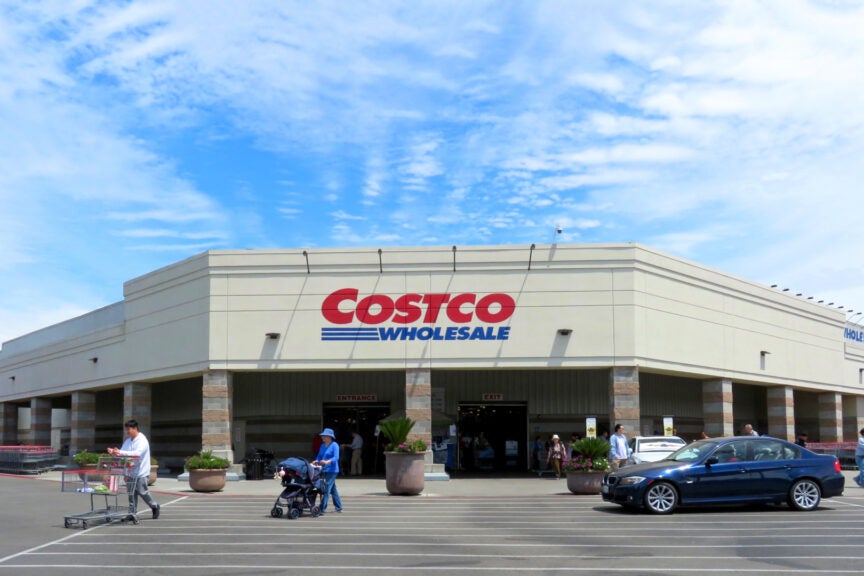
Costco's Valuation Exceeds Peers Despite Growth
- Growth Performance: Costco reported total revenue of $207 billion in the first nine months of fiscal 2026, reflecting a 10% year-over-year increase, with net income reaching $6.2 billion, a 13% rise, yet this growth does not justify its high P/E ratio of 49.
- Valuation Comparison: Costco's P/E ratio significantly exceeds that of other retailers, such as Walmart and Target, which stand at 15 and 20 times earnings respectively, while Amazon's P/E is 29, indicating that Costco's stock is overvalued.
- Investor Sentiment: Despite Costco's strong customer base and appealing product mix, its stock price has remained flat since early 2025 and has pulled back since mid-May, leading investors to feel uneasy about the current high valuation.
- Market Outlook: Analysts recommend that investors keep Costco on their watch list and consider buying only if the stock price falls below 35 times earnings, to mitigate investment risks associated with its current premium valuation.
See More

Berkshire Hathaway Increases Stake in Macy's Amid Recovery

- Investment Return Potential: Macy's P/E ratio stands at 10, having dropped as low as 7.5 in Q1 2026, indicating the stock is undervalued and attracting Warren Buffett's interest, with expectations that future prices will reflect its intrinsic value.
- Sales Growth Recovery: Macy's achieved its strongest sales growth in four years during Q1 of fiscal 2026, with net sales rising and guidance for the year improved, now projecting comparable sales growth between 0.5% and 1.2%, signaling market recovery.
- Asset Value Advantage: Macy's holds up to $9 billion in real estate assets while its market cap is around $6.3 billion, allowing investors to acquire its asset base at a significant discount, enhancing its investment appeal.
- Stable Dividend Yield: Macy's pays an annual dividend of nearly $0.77 per share, yielding over 3%, and recently raised the payout by 5%, providing investors with returns while waiting for recovery, despite being below pre-pandemic levels.
See More

Reasons Behind Macy's Undervalued Stock Price
- Attractive P/E Ratio: Macy's P/E ratio stands at 10, having dipped to 7.5 in Q1 2026, indicating its stock is undervalued in the market, which has drawn interest from Buffett despite overall retail sector challenges.
- Sales Growth Recovery: Macy's achieved its strongest sales growth in four years during Q1 of fiscal 2026, with net sales rising and guidance for comparable sales now expected to increase between 0.5% and 1.2%, signaling a revival in company performance.
- Real Estate Asset Value: Macy's real estate holdings are estimated at $9 billion, while its market cap is only $6.7 billion, allowing investors to purchase its asset base at a significant discount, highlighting its potential intrinsic value.
- Dividend Yield Advantage: Macy's pays an annual dividend of nearly $0.77 per share, yielding about 3%, well above the S&P 500 average of 1%, and has recently increased its payout by 5%, indicating the company's ability to sustain and grow dividends, appealing to income-seeking investors.
See More

Major Companies Announce Dividend Increases


- Target Dividend Increase: Target raised its quarterly dividend by nearly 2% to $1.16 per share in mid-June, extending its streak to 55 years of dividend growth; despite only a projected 2% net sales growth, the company's $2 billion spending plan reflects management's confidence in its strong customer base.
- Caterpillar Performance Boost: Caterpillar's Q1 sales surged 21% year-over-year to $5.8 billion, with overall sales up 22% to over $17.4 billion and net income rising 27% to $2.5 billion, leading to an 8% dividend increase to $1.63 per share, showcasing its robust position in data center construction.
- FedEx Dividend Adjustment: FedEx announced a $1.22 per share dividend on June 8, representing a 5% increase after adjusting from the previous $1.45 due to the spinoff of its FedEx Freight business; while facing challenges with its Network 2.0 initiative, the dividend increase remains attractive for investors.
- Market Reaction to Dividends: Target's dividend yield stands at 3.5%, significantly higher than the S&P 500 average of 1%, while Caterpillar and FedEx yield 0.63% and 1.43% respectively, indicating a positive market response to these companies' dividend policies.
See More

Target Partners with Hollister for Back-to-School Home Décor

- Market Opportunity: Target's collaboration with Hollister aims to tap into the nearly $90 billion back-to-school market, with an average spend of $1,364 per person, significantly enhancing revenue potential.
- Product Innovation: Hollister expands its product line to include home goods, marking a strategic shift from its traditional focus on apparel, fragrances, and accessories, thereby increasing brand appeal to younger consumers.
- Sales Channels: The collection will launch on June 28 across Target's online platform, most stores, and select Hollister locations, expected to attract more customers and enhance the shopping experience.
- Strategic Significance: This partnership not only provides new revenue streams for both Target and Hollister but also aims to boost customer engagement, adapting to the growing demand in the back-to-school market.
See More
Costco Stock Valuation Too High, Investors Should Watch
- High Valuation: Costco's price-to-earnings ratio stands at 49, significantly higher than competitors like Walmart and Target, and it hasn't dipped below 25 since 2017, indicating substantial valuation risk for investors.
- Revenue Growth: For the first nine months of fiscal 2026, Costco reported total revenue of $207 billion, a 10% year-over-year increase, with net income reaching $6.2 billion, up 13%, yet this growth does not justify its high P/E ratio.
- PEG Ratio: Costco's PEG ratio is twice that of Walmart's, and while revenue and earnings growth have slightly accelerated, this does not validate its elevated valuation, raising further concerns among investors.
- Flat Market Performance: Since the beginning of 2025, Costco's stock has remained flat, with a pullback since mid-May, prompting investors to carefully consider the risks of entering at such a high valuation.
See More
Costco's Valuation Exceeds Peers Despite Growth
- Growth Performance: Costco reported total revenue of $207 billion in the first nine months of fiscal 2026, reflecting a 10% year-over-year increase, with net income reaching $6.2 billion, a 13% rise, yet this growth does not justify its high P/E ratio of 49.
- Valuation Comparison: Costco's P/E ratio significantly exceeds that of other retailers, such as Walmart and Target, which stand at 15 and 20 times earnings respectively, while Amazon's P/E is 29, indicating that Costco's stock is overvalued.
- Investor Sentiment: Despite Costco's strong customer base and appealing product mix, its stock price has remained flat since early 2025 and has pulled back since mid-May, leading investors to feel uneasy about the current high valuation.
- Market Outlook: Analysts recommend that investors keep Costco on their watch list and consider buying only if the stock price falls below 35 times earnings, to mitigate investment risks associated with its current premium valuation.
See More
Berkshire Hathaway Increases Stake in Macy's Amid Recovery
- Investment Return Potential: Macy's P/E ratio stands at 10, having dropped as low as 7.5 in Q1 2026, indicating the stock is undervalued and attracting Warren Buffett's interest, with expectations that future prices will reflect its intrinsic value.
- Sales Growth Recovery: Macy's achieved its strongest sales growth in four years during Q1 of fiscal 2026, with net sales rising and guidance for the year improved, now projecting comparable sales growth between 0.5% and 1.2%, signaling market recovery.
- Asset Value Advantage: Macy's holds up to $9 billion in real estate assets while its market cap is around $6.3 billion, allowing investors to acquire its asset base at a significant discount, enhancing its investment appeal.
- Stable Dividend Yield: Macy's pays an annual dividend of nearly $0.77 per share, yielding over 3%, and recently raised the payout by 5%, providing investors with returns while waiting for recovery, despite being below pre-pandemic levels.
See More
Reasons Behind Macy's Undervalued Stock Price
- Attractive P/E Ratio: Macy's P/E ratio stands at 10, having dipped to 7.5 in Q1 2026, indicating its stock is undervalued in the market, which has drawn interest from Buffett despite overall retail sector challenges.
- Sales Growth Recovery: Macy's achieved its strongest sales growth in four years during Q1 of fiscal 2026, with net sales rising and guidance for comparable sales now expected to increase between 0.5% and 1.2%, signaling a revival in company performance.
- Real Estate Asset Value: Macy's real estate holdings are estimated at $9 billion, while its market cap is only $6.7 billion, allowing investors to purchase its asset base at a significant discount, highlighting its potential intrinsic value.
- Dividend Yield Advantage: Macy's pays an annual dividend of nearly $0.77 per share, yielding about 3%, well above the S&P 500 average of 1%, and has recently increased its payout by 5%, indicating the company's ability to sustain and grow dividends, appealing to income-seeking investors.
See More
Major Companies Announce Dividend Increases
- Target Dividend Increase: Target raised its quarterly dividend by nearly 2% to $1.16 per share in mid-June, extending its streak to 55 years of dividend growth; despite only a projected 2% net sales growth, the company's $2 billion spending plan reflects management's confidence in its strong customer base.
- Caterpillar Performance Boost: Caterpillar's Q1 sales surged 21% year-over-year to $5.8 billion, with overall sales up 22% to over $17.4 billion and net income rising 27% to $2.5 billion, leading to an 8% dividend increase to $1.63 per share, showcasing its robust position in data center construction.
- FedEx Dividend Adjustment: FedEx announced a $1.22 per share dividend on June 8, representing a 5% increase after adjusting from the previous $1.45 due to the spinoff of its FedEx Freight business; while facing challenges with its Network 2.0 initiative, the dividend increase remains attractive for investors.
- Market Reaction to Dividends: Target's dividend yield stands at 3.5%, significantly higher than the S&P 500 average of 1%, while Caterpillar and FedEx yield 0.63% and 1.43% respectively, indicating a positive market response to these companies' dividend policies.
See More
Target Partners with Hollister for Back-to-School Home Décor
- Market Opportunity: Target's collaboration with Hollister aims to tap into the nearly $90 billion back-to-school market, with an average spend of $1,364 per person, significantly enhancing revenue potential.
- Product Innovation: Hollister expands its product line to include home goods, marking a strategic shift from its traditional focus on apparel, fragrances, and accessories, thereby increasing brand appeal to younger consumers.
- Sales Channels: The collection will launch on June 28 across Target's online platform, most stores, and select Hollister locations, expected to attract more customers and enhance the shopping experience.
- Strategic Significance: This partnership not only provides new revenue streams for both Target and Hollister but also aims to boost customer engagement, adapting to the growing demand in the back-to-school market.
See More