Alphabet's Stock Price Forecast for 2031
Written by Emily J. Thompson, Senior Investment Analyst
Updated: 5 days ago
0mins

Should l Buy GOOGL?
Source: Fool
- Earnings Projection: Assuming Alphabet's P/E ratio remains around 25, revenue is expected to grow from $403 billion last year to $800 billion by 2030, with net income reaching $240 billion, indicating stable growth potential over the next five years.
- Market Challenges: Despite projected revenue growth, Alphabet's advertising business faces saturation challenges, which could lower revenue estimates from $800 billion to $700 billion, impacting future stock performance.
- AI-Driven Growth: Should Alphabet's AI initiatives exceed expectations, its cloud computing revenue could rise from $58.7 billion in 2025 to $180 billion by 2030, potentially pushing the stock price closer to $560.
- Market Uncertainty: While there are positive growth forecasts, uncertainties in the market and shifts away from traditional search engines may affect Alphabet's long-term performance, necessitating caution from investors regarding these projections.
Trade with 70% Backtested Accuracy
Stop guessing "Should I Buy GOOGL?" and start using high-conviction signals backed by rigorous historical data.
Sign up today to access powerful investing tools and make smarter, data-driven decisions.
Analyst Views on GOOGL
Wall Street analysts forecast GOOGL stock price to rise
33 Analyst Rating
26 Buy
7 Hold
0 Sell
Strong Buy
Current: 297.390

Low
305.00
Averages
374.25
High
400.00
Current: 297.390
Low
305.00
Averages
374.25
High
400.00
About GOOGL
Alphabet Inc. is a holding company. The Company's segments include Google Services, Google Cloud, and Other Bets. The Google Services segment includes products and services such as ads, Android, Chrome, devices, Google Maps, Google Play, Search, and YouTube. The Google Cloud segment includes infrastructure and platform services, collaboration tools, and other services for enterprise customers. Its Other Bets segment is engaged in the sale of healthcare-related services and Internet services. Its Google Cloud provides enterprise-ready cloud services, including Google Cloud Platform and Google Workspace. Google Cloud Platform provides access to solutions such as artificial intelligence (AI) offerings, including its AI infrastructure, Vertex AI platform, and Gemini for Google Cloud; cybersecurity, and data and analytics. Google Workspace includes cloud-based communication and collaboration tools for enterprises, such as Calendar, Gmail, Docs, Drive, and Meet.
About the author

Emily J. Thompson
Emily J. Thompson, a Chartered Financial Analyst (CFA) with 12 years in investment research, graduated with honors from the Wharton School. Specializing in industrial and technology stocks, she provides in-depth analysis for Intellectia’s earnings and market brief reports.

Trump's Hardline Stance on Iran War Intensifies


- Escalating Conflict: Trump's social media post threatens military action against Iran's power plants and bridges if the Strait of Hormuz is not reopened by Tuesday, provoking strong backlash from opposition leaders and civil society groups.
- Surging Oil Prices: The ongoing blockade of the Strait of Hormuz has pushed U.S. crude prices above $114 per barrel on Sunday, highlighting the significant impact of the regional conflict on global energy markets.
- Military Engagement: Iran continues to strike economic and infrastructure targets in neighboring Gulf Arab countries and shot down an American F-15E fighter jet over the weekend, with Trump confirming that the missing service member has been rescued, further escalating tensions.
- Federal Reserve Nomination: Trump's nominee Kevin Warsh is set for a Senate Banking Committee hearing on April 16, despite a separate criminal probe into the Fed, indicating a complex economic policy landscape under the Trump administration.
See More
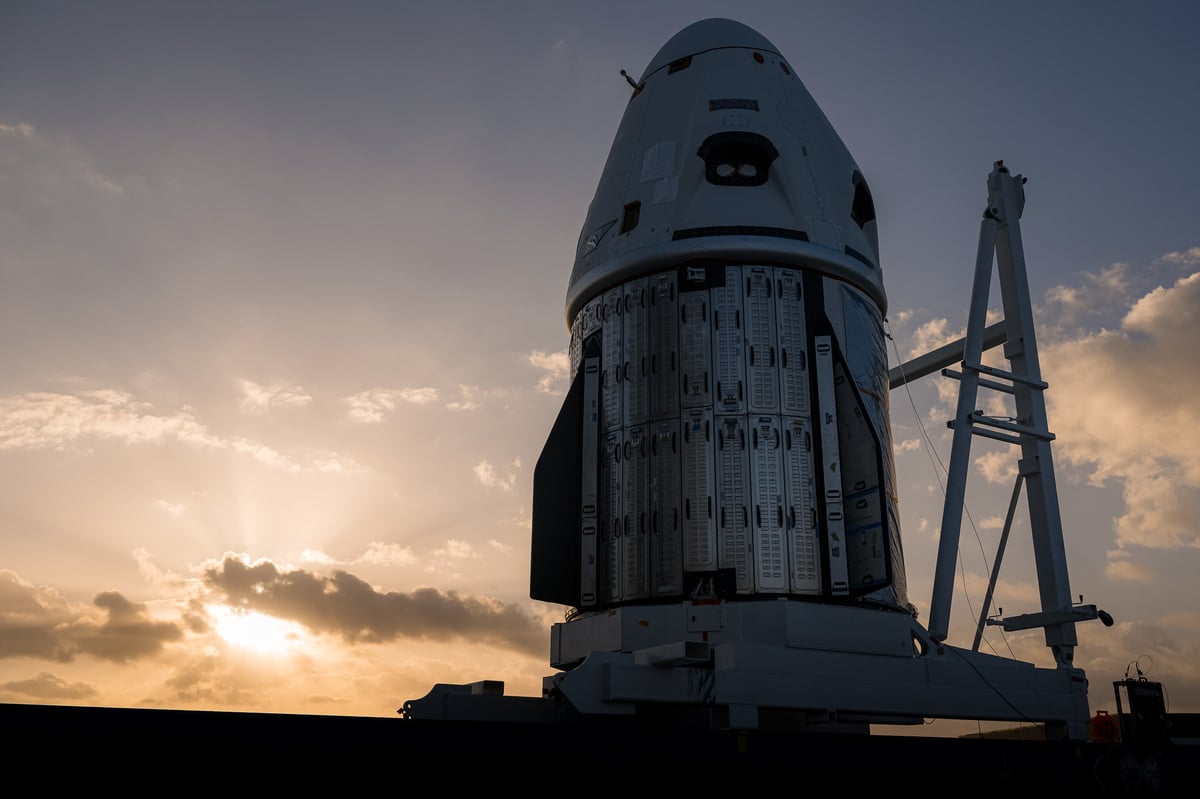
SpaceX Prepares for IPO, Valuation Could Reach $2 Trillion


- Historic IPO Plans: SpaceX has recently filed confidentially to go public, with a potential valuation of up to $2 trillion, which would mark the largest IPO in history and significantly elevate the company's standing in the global market.
- Investor Windfall: Should SpaceX successfully go public, Elon Musk's net worth could exceed $1 trillion, creating substantial wealth not only for him but also for other investors, particularly companies like Alphabet and Nvidia.
- Alphabet's Potential Gains: Alphabet invested approximately $900 million in SpaceX in 2015, and if SpaceX reaches a $2 trillion valuation, its 7% stake could be worth around $140 billion, greatly enhancing Alphabet's financial position and supporting its $175 billion capital expenditure plan.
- Nvidia's Market Opportunities: Although Nvidia is not a direct investor in SpaceX, as a major customer, the IPO could lead to a significant increase in SpaceX's purchases of Nvidia chips, especially given the growing demand in AI and data center sectors.
See More

Impact of Fed Rate Policy on AI Investments
- Rising Capital Costs: With the Federal Reserve maintaining interest rates, AI infrastructure capital expenditures are projected to reach $3 trillion to $4 trillion annually, leading companies to face higher borrowing costs that could impact profitability and investment strategies.
- Market Sentiment Pressure: As expectations for sustained high interest rates increase, valuations of AI stocks may come under pressure, particularly for unprofitable firms like C3.ai and SoundHound AI, which face greater challenges in future earnings projections.
- Shift in Investor Focus: While the Fed's policies have a significant market impact, savvy investors should prioritize the fundamentals of individual companies rather than relying solely on interest rate changes, which will help maintain competitiveness in uncertain market conditions.
- Earnings Expectations Adjustment: Even established AI firms like Nvidia and Alphabet may see their price-to-earnings ratios contract due to market expectations of prolonged high rates, prompting investors to reassess these companies' future profitability in light of potential market fluctuations.
See More

SpaceX Aims for $75 Billion IPO at $2 Trillion Valuation
- Record-Setting IPO: SpaceX is aiming to raise up to $75 billion in its IPO, which, if successful, would become the largest IPO in history, further solidifying its position as one of the most valuable companies globally.
- Investor Windfall: Alphabet's $900 million investment in 2015 for a 7% stake could be worth $140 billion if SpaceX reaches a $2 trillion valuation, significantly enhancing Alphabet's financial outlook.
- Collaboration with Nvidia: As a major customer of Nvidia, SpaceX is expected to increase its chip purchases following the acquisition of xAI, further solidifying Nvidia's dominance in the AI market.
- Future Data Center Plans: Musk intends to use IPO proceeds to establish data centers in space, a concept met with skepticism, but if realized, it could lead to increased demand for Nvidia chips, driving long-term growth.
See More

Federal Reserve Holds Rates Steady, AI Investment Outlook Pressured
- Rate Policy Stability: The Federal Reserve decided to keep the Fed Funds rate unchanged during its March 18 meeting, disappointing market expectations for looser monetary policy, which may lead to investor concerns about future AI project financing costs.
- Capital Expenditure Impact: AI infrastructure capital expenditures are projected to reach $3 trillion to $4 trillion annually by 2026, and if rates do not decrease, the rising cost of borrowing could hinder companies' investment decisions in AI.
- Stock Valuation Pressure: With the Fed's decision not to cut rates, AI stocks may face valuation pressures, particularly for unprofitable companies like C3.ai and SoundHound AI, whose future earnings expectations will be more adversely affected.
- Investor Strategy Adjustment: Despite the unpredictability of the Fed's policies, savvy investors should focus on holding quality companies to navigate the uncertainties brought by interest rate changes, thereby achieving long-term compounding growth.
See More

Accelerating Investment in AI Infrastructure Signals Opportunities Amid Market Panic
- Compression Algorithm Threat: Google's launch of the TurboQuant compression algorithm, which reportedly reduces AI memory requirements by 6x, poses a significant threat to incumbent DRAM and NAND suppliers like Micron and Sandisk, potentially undermining investor confidence in these companies.
- Demand Expansion Catalyst: Despite the market's panic response to TurboQuant, it may actually serve as a catalyst for expanding memory demand, akin to how reduced storage costs in the early 2000s led to increased storage needs rather than decreased usage.
- Unique Positioning of Marvell: Unlike Micron and Sandisk, Marvell focuses on custom silicon and interconnect infrastructure, allowing it to benefit from the AI infrastructure supercycle without being vulnerable to fluctuations in the memory chip market, showcasing its competitive advantage.
- Investor Patience: Investors who remain calm during market panic often reap substantial rewards in the future, as evidenced by Marvell's accelerating custom ASIC revenue and the rapidly expanding data center networking market, which strongly supports its stock valuation growth.
See More
Trump's Hardline Stance on Iran War Intensifies
- Escalating Conflict: Trump's social media post threatens military action against Iran's power plants and bridges if the Strait of Hormuz is not reopened by Tuesday, provoking strong backlash from opposition leaders and civil society groups.
- Surging Oil Prices: The ongoing blockade of the Strait of Hormuz has pushed U.S. crude prices above $114 per barrel on Sunday, highlighting the significant impact of the regional conflict on global energy markets.
- Military Engagement: Iran continues to strike economic and infrastructure targets in neighboring Gulf Arab countries and shot down an American F-15E fighter jet over the weekend, with Trump confirming that the missing service member has been rescued, further escalating tensions.
- Federal Reserve Nomination: Trump's nominee Kevin Warsh is set for a Senate Banking Committee hearing on April 16, despite a separate criminal probe into the Fed, indicating a complex economic policy landscape under the Trump administration.
See More
SpaceX Prepares for IPO, Valuation Could Reach $2 Trillion
- Historic IPO Plans: SpaceX has recently filed confidentially to go public, with a potential valuation of up to $2 trillion, which would mark the largest IPO in history and significantly elevate the company's standing in the global market.
- Investor Windfall: Should SpaceX successfully go public, Elon Musk's net worth could exceed $1 trillion, creating substantial wealth not only for him but also for other investors, particularly companies like Alphabet and Nvidia.
- Alphabet's Potential Gains: Alphabet invested approximately $900 million in SpaceX in 2015, and if SpaceX reaches a $2 trillion valuation, its 7% stake could be worth around $140 billion, greatly enhancing Alphabet's financial position and supporting its $175 billion capital expenditure plan.
- Nvidia's Market Opportunities: Although Nvidia is not a direct investor in SpaceX, as a major customer, the IPO could lead to a significant increase in SpaceX's purchases of Nvidia chips, especially given the growing demand in AI and data center sectors.
See More
Impact of Fed Rate Policy on AI Investments
- Rising Capital Costs: With the Federal Reserve maintaining interest rates, AI infrastructure capital expenditures are projected to reach $3 trillion to $4 trillion annually, leading companies to face higher borrowing costs that could impact profitability and investment strategies.
- Market Sentiment Pressure: As expectations for sustained high interest rates increase, valuations of AI stocks may come under pressure, particularly for unprofitable firms like C3.ai and SoundHound AI, which face greater challenges in future earnings projections.
- Shift in Investor Focus: While the Fed's policies have a significant market impact, savvy investors should prioritize the fundamentals of individual companies rather than relying solely on interest rate changes, which will help maintain competitiveness in uncertain market conditions.
- Earnings Expectations Adjustment: Even established AI firms like Nvidia and Alphabet may see their price-to-earnings ratios contract due to market expectations of prolonged high rates, prompting investors to reassess these companies' future profitability in light of potential market fluctuations.
See More
SpaceX Aims for $75 Billion IPO at $2 Trillion Valuation
- Record-Setting IPO: SpaceX is aiming to raise up to $75 billion in its IPO, which, if successful, would become the largest IPO in history, further solidifying its position as one of the most valuable companies globally.
- Investor Windfall: Alphabet's $900 million investment in 2015 for a 7% stake could be worth $140 billion if SpaceX reaches a $2 trillion valuation, significantly enhancing Alphabet's financial outlook.
- Collaboration with Nvidia: As a major customer of Nvidia, SpaceX is expected to increase its chip purchases following the acquisition of xAI, further solidifying Nvidia's dominance in the AI market.
- Future Data Center Plans: Musk intends to use IPO proceeds to establish data centers in space, a concept met with skepticism, but if realized, it could lead to increased demand for Nvidia chips, driving long-term growth.
See More
Federal Reserve Holds Rates Steady, AI Investment Outlook Pressured
- Rate Policy Stability: The Federal Reserve decided to keep the Fed Funds rate unchanged during its March 18 meeting, disappointing market expectations for looser monetary policy, which may lead to investor concerns about future AI project financing costs.
- Capital Expenditure Impact: AI infrastructure capital expenditures are projected to reach $3 trillion to $4 trillion annually by 2026, and if rates do not decrease, the rising cost of borrowing could hinder companies' investment decisions in AI.
- Stock Valuation Pressure: With the Fed's decision not to cut rates, AI stocks may face valuation pressures, particularly for unprofitable companies like C3.ai and SoundHound AI, whose future earnings expectations will be more adversely affected.
- Investor Strategy Adjustment: Despite the unpredictability of the Fed's policies, savvy investors should focus on holding quality companies to navigate the uncertainties brought by interest rate changes, thereby achieving long-term compounding growth.
See More
Accelerating Investment in AI Infrastructure Signals Opportunities Amid Market Panic
- Compression Algorithm Threat: Google's launch of the TurboQuant compression algorithm, which reportedly reduces AI memory requirements by 6x, poses a significant threat to incumbent DRAM and NAND suppliers like Micron and Sandisk, potentially undermining investor confidence in these companies.
- Demand Expansion Catalyst: Despite the market's panic response to TurboQuant, it may actually serve as a catalyst for expanding memory demand, akin to how reduced storage costs in the early 2000s led to increased storage needs rather than decreased usage.
- Unique Positioning of Marvell: Unlike Micron and Sandisk, Marvell focuses on custom silicon and interconnect infrastructure, allowing it to benefit from the AI infrastructure supercycle without being vulnerable to fluctuations in the memory chip market, showcasing its competitive advantage.
- Investor Patience: Investors who remain calm during market panic often reap substantial rewards in the future, as evidenced by Marvell's accelerating custom ASIC revenue and the rapidly expanding data center networking market, which strongly supports its stock valuation growth.
See More