AI Drives Exponential Growth in Capital Expenditure
Written by Emily J. Thompson, Senior Investment Analyst
Updated: Feb 12 2026
0mins


Should l Buy MU?
Source: CNBC
- Surge in Capital Expenditure: Top hyperscalers are expected to increase capital expenditures by 70% this year, with Amazon, Alphabet, Meta, and Microsoft planning a combined spending of over $600 billion, indicating a strong commitment to AI infrastructure investment.
- Mixed Market Reactions: Despite the significant increase in capital spending, Amazon and Microsoft's shares have dropped 12% and 16% respectively, while Alphabet's stock is down less than 1% and Meta's has risen by 1%, reflecting investor concerns about the timing of returns on these investments.
- Infrastructure Investment Opportunities: With spending accelerating, investors are drawn to
Trade with 70% Backtested Accuracy
Stop guessing "Should I Buy MU?" and start using high-conviction signals backed by rigorous historical data.
Sign up today to access powerful investing tools and make smarter, data-driven decisions.
Analyst Views on MU
Wall Street analysts forecast MU stock price to fall
26 Analyst Rating
24 Buy
2 Hold
0 Sell
Strong Buy
Current: 357.220

Low
235.00
Averages
336.12
High
500.00
Current: 357.220
Low
235.00
Averages
336.12
High
500.00
About MU
Micron Technology, Inc. provides memory and storage solutions. The Company delivers a portfolio of high-performance dynamic random-access memory (DRAM), NAND, and NOR memory and storage products through its Micron and Crucial brands. The Company's products enable advancing in artificial intelligence (AI) and compute-intensive applications. Its segments include Cloud Memory Business Unit (CMBU), Core Data Center Business Unit (CDBU), Mobile and Client Business Unit (MCBU) and Automotive and Embedded Business Unit (AEBU). CMBU is focused on memory solutions for large hyperscale cloud customers, and high bandwidth memory (HBM) for all data center customers. CDBU is focused on memory solutions for mid-tier cloud, enterprise, and OEM data center customers and storage solutions for all data center customers. MCBU is focused on memory and storage solutions for mobile and client segments. AEBU is focused on memory and storage solutions for the automotive, industrial, and consumer segments.
About the author

Emily J. Thompson
Emily J. Thompson, a Chartered Financial Analyst (CFA) with 12 years in investment research, graduated with honors from the Wharton School. Specializing in industrial and technology stocks, she provides in-depth analysis for Intellectia’s earnings and market brief reports.

Micron Technology Surpasses Earnings Expectations, Optimistic Outlook Ahead

- Strong Earnings Report: Micron Technology reported $23.9 billion in revenue for Q2 FY2026, a staggering 300% year-over-year increase, surpassing Wall Street's expectations of $18.7 billion, indicating robust market demand and pricing conditions.
- Significant Profit Growth: The company's earnings per share reached $12.20, nearly an 8-fold increase year-over-year, far exceeding analysts' expectations of $8.42, showcasing Micron's strong growth potential in the memory market.
- Optimistic Future Outlook: Micron anticipates revenue of $33.5 billion for the current quarter, a 3.6-fold increase from the previous year, with earnings guidance of $19.15 per share, reflecting strong confidence in future growth.
- Cautious Market Reaction: Despite the impressive earnings report, the stock retreated due to market concerns about its growth potential, with analysts suggesting a 55% upside in the stock price over the next year, indicating a potential underestimation of Micron's long-term growth prospects.
See More

Micron's HBM4 Mass Production Marks Technological Breakthrough
- Technological Breakthrough: Micron's HBM4 36GB 12-Hi memory has entered mass production, marking a significant shift as the company is no longer seen as a technological laggard, which is expected to enhance its competitiveness in the high-bandwidth memory market, particularly through its collaboration with Nvidia's Vera Rubin platform.
- Revenue Growth: Over the past year, Micron has benefited from supercycles in the DRAM and NAND markets, with revenue nearly tripling and gross margins exceeding 74.4%, indicating strong performance and improved profitability in the market.
- Strategic Customer Agreement: Micron has signed its first-ever five-year strategic customer agreement, providing greater market visibility and marking a significant shift from being viewed as a cyclical commodity to a high-tech AI growth stock, which is expected to lead to sustained revenue growth.
- Market Potential: Micron's HBM4 solution boasts more than double the bandwidth of HBM3 and a 20% improvement in power efficiency, and combined with its close partnership with Nvidia, it is anticipated to drive market share in the AI infrastructure space, further solidifying its position in the industry.
See More
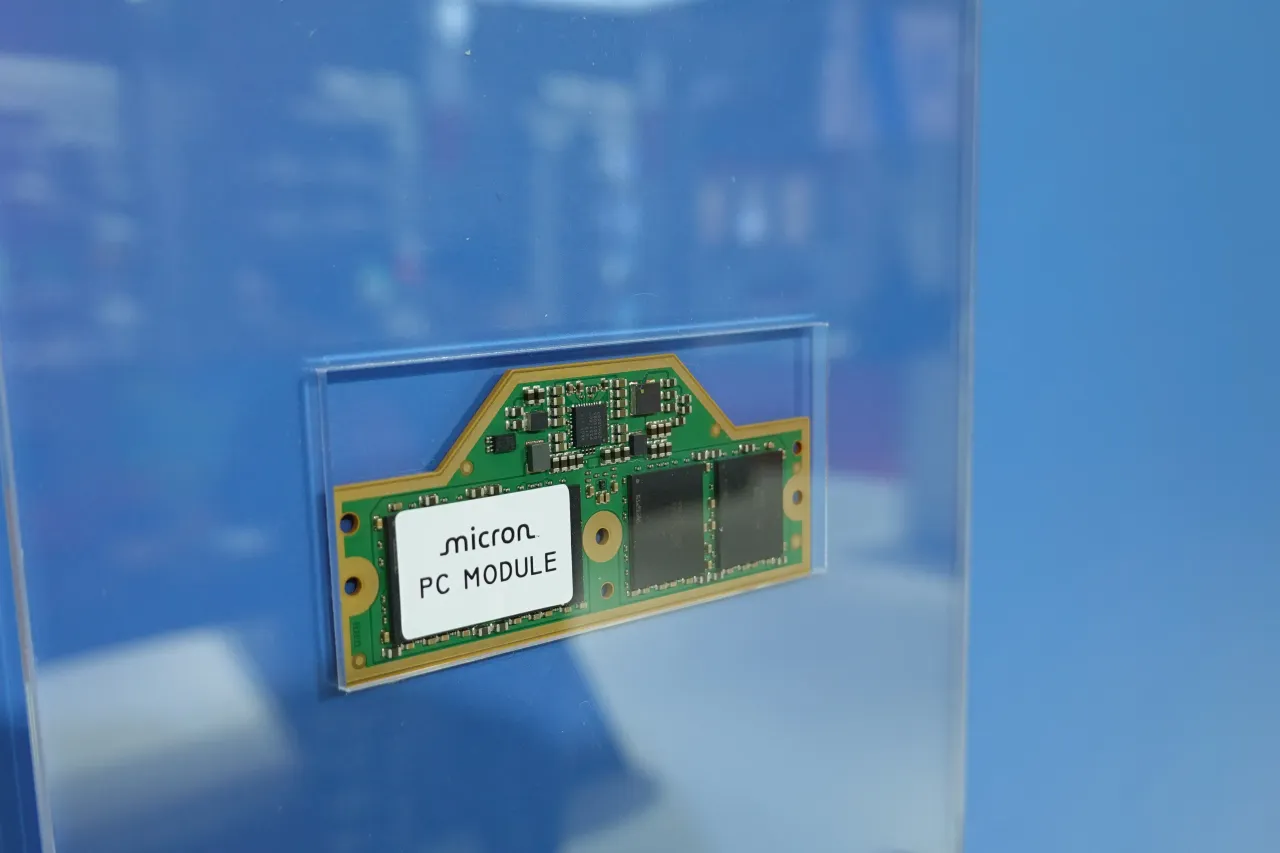
Memory Stocks Plummet as Google's New Tech Raises Concerns

- Memory Demand Decline: Google's recent announcement of the TurboQuant compression technology, which can reduce AI model memory requirements by at least six times with 'zero accuracy loss,' raises concerns about future demand for memory chips, impacting companies like Micron.
- Micron Stock Plunge: Micron Technology's shares fell nearly 10% on Monday, marking a roughly 30% decline since its blowout earnings report on March 18, indicating market apprehension regarding its future prospects, especially following the new technology announcement.
- Diverging Investor Sentiment: While retail sentiment for Micron remains 'extremely bullish' on Stocktwits, sentiment for SanDisk and Western Digital is 'bearish,' reflecting differing market expectations and concerns over the NAND market's vulnerability.
- Analysts Optimistic on Long-Term Outlook: Despite short-term pressures, analysts remain bullish on Micron's long-term prospects, with 38 out of 43 analysts recommending 'Buy' or higher, and an average price target of $527.60 suggesting over 64% upside potential for the stock.
See More

US Stock Market Volatility and Oil Price Retreat
- Market Volatility: The S&P 500 is over 9% below its peak, while the Nasdaq 100 remains in correction territory, approximately 12% off its high, indicating investor concerns about economic prospects that could lead to further market adjustments.
- Oil Price Retreat: Following recent war-driven spikes, WTI crude has eased to $101.82 per barrel and Brent to around $111.44, reflecting a market that is beginning to alleviate concerns over supply disruptions, which may impact energy-related stocks.
- Policy Dynamics: Treasury Secretary indicated that the U.S. expects to restore freedom of navigation through the Strait of Hormuz over time via escort operations, while President Trump expressed willingness to end military actions against Iran even if the Strait remains closed, potentially easing short-term tensions.
- Investor Sentiment Shift: Despite extremely bearish retail sentiment towards the SPDR S&P 500 ETF Trust and Invesco QQQ Trust, futures surged sharply after reports of Trump’s willingness to end the Iran campaign, highlighting the market's sensitivity to policy changes and potential rebound opportunities.
See More

Micron Technology Shares Plunge 9.88% Amid AI Demand Concerns

- Significant Stock Drop: Micron Technology (MU) closed at $321.80 on Monday, down 9.88%, reflecting investor concerns about future growth, particularly in light of Google's TurboQuant AI algorithm potentially curbing memory demand.
- Surge in Trading Volume: The trading volume reached 72.4 million shares, nearly double the three-month average of 36.3 million shares, indicating heightened market attention and anxiety regarding Micron's outlook.
- Market Expectation Reset: Despite Micron's strong earnings report earlier this month, the stock has trended downward as investors question the sustainability of its over $25 billion capital spending plan, especially with Google's new algorithm potentially reducing memory demand.
- Focus on Long-Term Potential: While facing short-term pressures, investors should remain focused on Micron's long-term potential, particularly as more efficient memory models could drive increased demand, although the full impact of Google's new algorithm remains unclear.
See More

Mixed Close for US Stocks as Nasdaq Hits 7.75-Month Low Amid Middle East Tensions

- Divergent Market Performance: On Monday, the S&P 500 index fell by 0.39%, while the Nasdaq 100 hit a 7.75-month low, indicating market concerns over the Middle East situation, particularly exacerbated by a sell-off in chip stocks, which negatively impacted investor confidence.
- Declining Bond Yields: The 10-year T-note yield dropped by 8 basis points to 4.34%, reflecting market fears that the ongoing war in the Middle East could lead to fuel shortages, potentially suppressing expectations for Fed rate hikes and highlighting economic growth uncertainties.
- Rising Crude Oil Prices: Crude oil prices surged over 3% to a three-week high due to Iranian attacks on the Strait of Hormuz, indicating severe threats to global energy supply chains, which could lead to soaring prices in the future and impact the global economy.
- Weak Manufacturing Activity: The Dallas Fed manufacturing activity survey fell to -0.2, below the expected 2.0, reflecting signs of economic slowdown that could influence corporate investment decisions and future economic growth.
See More
Micron Technology Surpasses Earnings Expectations, Optimistic Outlook Ahead
- Strong Earnings Report: Micron Technology reported $23.9 billion in revenue for Q2 FY2026, a staggering 300% year-over-year increase, surpassing Wall Street's expectations of $18.7 billion, indicating robust market demand and pricing conditions.
- Significant Profit Growth: The company's earnings per share reached $12.20, nearly an 8-fold increase year-over-year, far exceeding analysts' expectations of $8.42, showcasing Micron's strong growth potential in the memory market.
- Optimistic Future Outlook: Micron anticipates revenue of $33.5 billion for the current quarter, a 3.6-fold increase from the previous year, with earnings guidance of $19.15 per share, reflecting strong confidence in future growth.
- Cautious Market Reaction: Despite the impressive earnings report, the stock retreated due to market concerns about its growth potential, with analysts suggesting a 55% upside in the stock price over the next year, indicating a potential underestimation of Micron's long-term growth prospects.
See More
Micron's HBM4 Mass Production Marks Technological Breakthrough
- Technological Breakthrough: Micron's HBM4 36GB 12-Hi memory has entered mass production, marking a significant shift as the company is no longer seen as a technological laggard, which is expected to enhance its competitiveness in the high-bandwidth memory market, particularly through its collaboration with Nvidia's Vera Rubin platform.
- Revenue Growth: Over the past year, Micron has benefited from supercycles in the DRAM and NAND markets, with revenue nearly tripling and gross margins exceeding 74.4%, indicating strong performance and improved profitability in the market.
- Strategic Customer Agreement: Micron has signed its first-ever five-year strategic customer agreement, providing greater market visibility and marking a significant shift from being viewed as a cyclical commodity to a high-tech AI growth stock, which is expected to lead to sustained revenue growth.
- Market Potential: Micron's HBM4 solution boasts more than double the bandwidth of HBM3 and a 20% improvement in power efficiency, and combined with its close partnership with Nvidia, it is anticipated to drive market share in the AI infrastructure space, further solidifying its position in the industry.
See More
Memory Stocks Plummet as Google's New Tech Raises Concerns
- Memory Demand Decline: Google's recent announcement of the TurboQuant compression technology, which can reduce AI model memory requirements by at least six times with 'zero accuracy loss,' raises concerns about future demand for memory chips, impacting companies like Micron.
- Micron Stock Plunge: Micron Technology's shares fell nearly 10% on Monday, marking a roughly 30% decline since its blowout earnings report on March 18, indicating market apprehension regarding its future prospects, especially following the new technology announcement.
- Diverging Investor Sentiment: While retail sentiment for Micron remains 'extremely bullish' on Stocktwits, sentiment for SanDisk and Western Digital is 'bearish,' reflecting differing market expectations and concerns over the NAND market's vulnerability.
- Analysts Optimistic on Long-Term Outlook: Despite short-term pressures, analysts remain bullish on Micron's long-term prospects, with 38 out of 43 analysts recommending 'Buy' or higher, and an average price target of $527.60 suggesting over 64% upside potential for the stock.
See More
US Stock Market Volatility and Oil Price Retreat
- Market Volatility: The S&P 500 is over 9% below its peak, while the Nasdaq 100 remains in correction territory, approximately 12% off its high, indicating investor concerns about economic prospects that could lead to further market adjustments.
- Oil Price Retreat: Following recent war-driven spikes, WTI crude has eased to $101.82 per barrel and Brent to around $111.44, reflecting a market that is beginning to alleviate concerns over supply disruptions, which may impact energy-related stocks.
- Policy Dynamics: Treasury Secretary indicated that the U.S. expects to restore freedom of navigation through the Strait of Hormuz over time via escort operations, while President Trump expressed willingness to end military actions against Iran even if the Strait remains closed, potentially easing short-term tensions.
- Investor Sentiment Shift: Despite extremely bearish retail sentiment towards the SPDR S&P 500 ETF Trust and Invesco QQQ Trust, futures surged sharply after reports of Trump’s willingness to end the Iran campaign, highlighting the market's sensitivity to policy changes and potential rebound opportunities.
See More
Micron Technology Shares Plunge 9.88% Amid AI Demand Concerns
- Significant Stock Drop: Micron Technology (MU) closed at $321.80 on Monday, down 9.88%, reflecting investor concerns about future growth, particularly in light of Google's TurboQuant AI algorithm potentially curbing memory demand.
- Surge in Trading Volume: The trading volume reached 72.4 million shares, nearly double the three-month average of 36.3 million shares, indicating heightened market attention and anxiety regarding Micron's outlook.
- Market Expectation Reset: Despite Micron's strong earnings report earlier this month, the stock has trended downward as investors question the sustainability of its over $25 billion capital spending plan, especially with Google's new algorithm potentially reducing memory demand.
- Focus on Long-Term Potential: While facing short-term pressures, investors should remain focused on Micron's long-term potential, particularly as more efficient memory models could drive increased demand, although the full impact of Google's new algorithm remains unclear.
See More
Mixed Close for US Stocks as Nasdaq Hits 7.75-Month Low Amid Middle East Tensions
- Divergent Market Performance: On Monday, the S&P 500 index fell by 0.39%, while the Nasdaq 100 hit a 7.75-month low, indicating market concerns over the Middle East situation, particularly exacerbated by a sell-off in chip stocks, which negatively impacted investor confidence.
- Declining Bond Yields: The 10-year T-note yield dropped by 8 basis points to 4.34%, reflecting market fears that the ongoing war in the Middle East could lead to fuel shortages, potentially suppressing expectations for Fed rate hikes and highlighting economic growth uncertainties.
- Rising Crude Oil Prices: Crude oil prices surged over 3% to a three-week high due to Iranian attacks on the Strait of Hormuz, indicating severe threats to global energy supply chains, which could lead to soaring prices in the future and impact the global economy.
- Weak Manufacturing Activity: The Dallas Fed manufacturing activity survey fell to -0.2, below the expected 2.0, reflecting signs of economic slowdown that could influence corporate investment decisions and future economic growth.
See More