

After Hours Most Active for Nov 26, 2024 : NVDA, TPR, CNK, IGF, VLY, AAPL, PLTR, UAA, BP, WBD, CNH, BAC
Written by Emily J. Thompson, Senior Investment Analyst
Updated: Nov 26 2024
0mins


Source: NASDAQ.COM
NASDAQ 100 After Hours Performance: The NASDAQ 100 is down -14.19 to 20,908.71 with a total after-hours volume of 125,635,569 shares traded, featuring several active stocks including NVIDIA and Apple, which have seen positive earnings forecast revisions.
Stock Highlights: Notable stock movements include NVIDIA (unchanged at $136.92), Tapestry (unchanged at $61.06), and Cinemark (down -0.03 at $32.81), while iShares Global Infrastructure ETF increased by 0.1063 to $55.36, reflecting a significant rise from its 52-week low.
Trade with 70% Backtested Accuracy
Stop guessing "Should I Buy AAPL?" and start using high-conviction signals backed by rigorous historical data.
Sign up today to access powerful investing tools and make smarter, data-driven decisions.
Analyst Views on AAPL
Wall Street analysts forecast AAPL stock price to fall
27 Analyst Rating
17 Buy
9 Hold
1 Sell
Moderate Buy
Current: 308.630

Low
239.00
Averages
306.89
High
350.00
Current: 308.630
Low
239.00
Averages
306.89
High
350.00
About AAPL
Apple Inc. designs, manufactures and markets smartphones, personal computers, tablets, wearables and accessories, and sells a variety of related services. Its product categories include iPhone, Mac, iPad, Wearables, Home and Accessories. Its services include advertising, AppleCare, cloud services, digital content, and payment services. The Company operates various platforms, including the App Store, that allow customers to discover and download applications and digital content, such as books, music, video, games and podcasts. It also offers digital content through subscription-based services, including Apple Arcade, Apple Fitness+, Apple Music, Apple News+, and Apple TV+. Its wearables include smartwatches, wireless headphones, and spatial computers. Its products include iPhone 16 Pro, iPhone 16, iPhone 15, iPhone 14, iPhone SE, MacBook Air, MacBook Pro, iMac, Mac mini, Mac Studio, Mac Pro, iPad Pro, iPad Air, AirPods, AirPods Pro, AirPods Max, Apple TV, Apple Vision Pro and others.
About the author

Emily J. Thompson
Emily J. Thompson, a Chartered Financial Analyst (CFA) with 12 years in investment research, graduated with honors from the Wharton School. Specializing in industrial and technology stocks, she provides in-depth analysis for Intellectia’s earnings and market brief reports.
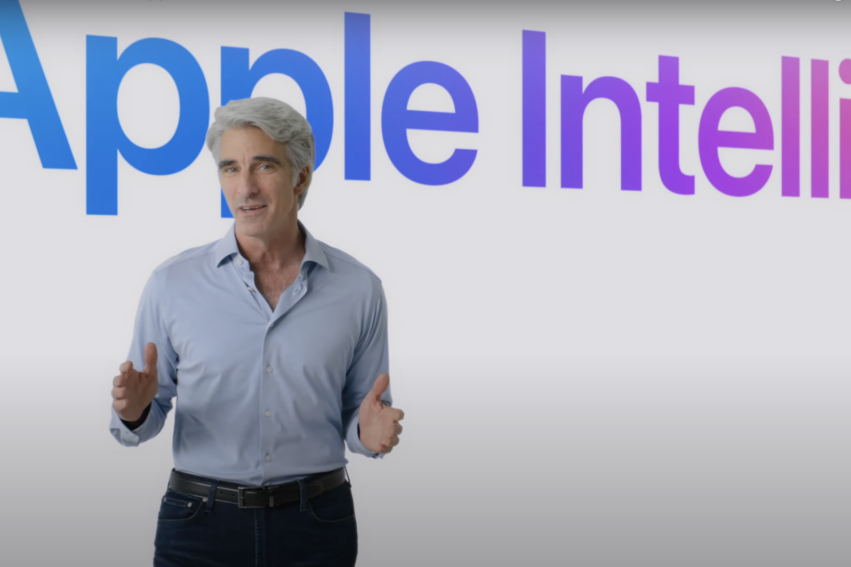
Apple's Foldable iPhone Shipment Forecast

- Shipment Forecast: According to analyst Ming-Chi Kuo's latest supply chain survey, Apple’s foldable iPhone is projected to ship 7 to 8 million units in the second half of 2026, with only 500,000 to 1 million units expected in Q3, indicating that production bottlenecks will limit early supply and could lead to immediate sellouts upon pre-order.
- Market Sentiment: Despite strong demand expectations for the foldable iPhone through the end of 2026, retail sentiment for AAPL dipped from neutral to bearish on Monday, reflecting cautious investor attitudes towards the new product launch, even as message volume surged by 40% over the past week.
- Pricing and Competition: Kuo estimates the foldable iPhone will retail between $2,300 and $2,500, which may attract some high-end consumers; however, compared to the iPhone 18 Pro and Pro Max, which are expected to ship 20 to 22 million units in Q3, the foldable model faces significant competitive pressure in the market.
- Launch and Sales Strategy: Apple is likely to announce the foldable iPhone in September, but due to manufacturing challenges, actual sales may be delayed until Q4, mirroring the launch strategy of the iPhone X in 2017, meaning consumers may have to wait weeks to receive the new device, further impacting market expectations.
See More

Apple's Stock Decline Raises Investor Concerns

- Market Capital Loss: Apple lost approximately $500 billion in market cap over 25 days in June, equivalent to the total market value of AbbVie, Caterpillar, or Mastercard, indicating heightened investor concerns about its future performance.
- Price Increase Impact: The company announced price hikes for its Mac and iPad products, with CEO Tim Cook describing the memory and storage shortage as a 'hundred-year flood,' which could significantly impact iPhone pricing and increase consumer purchasing pressure.
- Investor Confidence Shaken: Although historically, pullbacks in Apple stock have presented buying opportunities, current market conditions and competitive pressures have led to investor doubts about the new Siri's launch and product appeal, resulting in a 2.6% decline in stock price.
- Analyst Outlook: Despite the challenges, 62% of analysts still rate Apple as a 'buy' or 'strong buy,' reflecting confidence in its long-term prospects, with a consensus 12-month price target suggesting over 10% upside potential.
See More
Apple Loses $500 Billion Market Cap Amid AI Concerns
- Significant Market Cap Loss: Apple lost approximately $500 billion in market cap over 25 days in June, equivalent to the total market cap of AbbVie, Caterpillar, or Mastercard, indicating substantial market concerns regarding its future performance.
- Uncertainty Over Siri Update: The lack of a clear timeline for the new Siri version discussed at the 2026 Worldwide Developers Conference led to a 2.6% drop in stock price, reflecting investor skepticism about Apple's AI capabilities and potential customer excitement.
- Price Increases Announced: Apple announced price hikes for its Mac and iPad products due to a surge in memory and storage demand, with CEO Tim Cook describing the shortage as a
See More

Smartphone Sales in China Drop 13% During 618 Festival
- Sales Decline: According to Counterpoint Research, smartphone sales in China fell 13% year-over-year during the month-long 618 shopping festival, primarily due to handset makers scaling back discounts to offset rising memory chip costs, highlighting ongoing weakness in consumer demand.
- Huawei's Strong Performance: Huawei led the market with a 21% share, driven by strong demand for the Enjoy 90 Pro Max and Mate 80, supported by competitive pricing and festival promotions, making it the only major brand to post year-over-year growth during this period.
- Apple's Sales Dynamics: Apple climbed to the No. 2 position by launching promotions about a month before June 18, offering discounts of up to CNY 2,000 on the iPhone 17 Pro series, although its sales declined 9% year-over-year due to more aggressive discounts on the iPhone 16 lineup during last year's event.
- Market Outlook: While the 618 shopping festival and the first wave of post-college-exam upgrades drove a month-on-month recovery in June, the market is expected to enter a seasonal slowdown afterward, with frequent signals from smartphone vendors and supply chain partners indicating that price hikes are likely to persist in the second half of the year.
See More

SpaceX Sets Record with $2.1 Trillion IPO Valuation


- Record IPO: SpaceX's initial public offering (IPO) set a historic record with an initial valuation of approximately $1.77 trillion, and as of July 2, its market cap has surged to over $2.1 trillion, reflecting strong market confidence in its future potential.
- Diversified Business Transformation: Beyond rocket launches, SpaceX is rapidly expanding its Starlink internet service and xAI artificial intelligence infrastructure, showcasing its potential as a conglomerate and attracting significant investor interest.
- Future Plans Attract Investment: SpaceX's ambitious future plans, including establishing data centers in space and enabling everyday human space travel, spark investor interest, mirroring Tesla's successful trajectory and potentially leading to long-term investment returns.
- High Valuation and Risks: Despite projected revenues of $18.7 billion in 2025, SpaceX's price-to-sales (P/S) ratio stands at 112, indicating high investment risk at current valuations, prompting investors to carefully assess its long-term investment value.
See More

SpaceX's IPO Shows Flat Stock Performance Amidst Promising Future
- IPO Performance: SpaceX's initial public offering (IPO) set a record as the largest in history with an initial valuation of approximately $1.77 trillion, and as of July 2, its market valuation has surpassed $2.1 trillion, reflecting strong market confidence in its future prospects.
- Stock Price Volatility: Despite SpaceX's stock remaining relatively flat during its first 15 trading days, experiencing ups and downs, the underlying business potential, particularly with the rapid growth of Starlink and xAI, continues to attract investor interest.
- Business Diversification: SpaceX is transforming from a single rocket launch company into a conglomerate with successful subsidiaries, where Starlink provides internet services to remote areas and xAI boasts significant advantages in artificial intelligence infrastructure, enhancing the company's competitive position in the market.
- Investor Caution: While SpaceX's ambitious future plans are appealing, its current valuation at 112 times the projected $18.7 billion revenue for 2025 raises concerns, prompting investors to be cautious, especially before the company releases its first quarterly earnings report as a public entity.
See More
Apple's Foldable iPhone Shipment Forecast
- Shipment Forecast: According to analyst Ming-Chi Kuo's latest supply chain survey, Apple’s foldable iPhone is projected to ship 7 to 8 million units in the second half of 2026, with only 500,000 to 1 million units expected in Q3, indicating that production bottlenecks will limit early supply and could lead to immediate sellouts upon pre-order.
- Market Sentiment: Despite strong demand expectations for the foldable iPhone through the end of 2026, retail sentiment for AAPL dipped from neutral to bearish on Monday, reflecting cautious investor attitudes towards the new product launch, even as message volume surged by 40% over the past week.
- Pricing and Competition: Kuo estimates the foldable iPhone will retail between $2,300 and $2,500, which may attract some high-end consumers; however, compared to the iPhone 18 Pro and Pro Max, which are expected to ship 20 to 22 million units in Q3, the foldable model faces significant competitive pressure in the market.
- Launch and Sales Strategy: Apple is likely to announce the foldable iPhone in September, but due to manufacturing challenges, actual sales may be delayed until Q4, mirroring the launch strategy of the iPhone X in 2017, meaning consumers may have to wait weeks to receive the new device, further impacting market expectations.
See More
Apple's Stock Decline Raises Investor Concerns
- Market Capital Loss: Apple lost approximately $500 billion in market cap over 25 days in June, equivalent to the total market value of AbbVie, Caterpillar, or Mastercard, indicating heightened investor concerns about its future performance.
- Price Increase Impact: The company announced price hikes for its Mac and iPad products, with CEO Tim Cook describing the memory and storage shortage as a 'hundred-year flood,' which could significantly impact iPhone pricing and increase consumer purchasing pressure.
- Investor Confidence Shaken: Although historically, pullbacks in Apple stock have presented buying opportunities, current market conditions and competitive pressures have led to investor doubts about the new Siri's launch and product appeal, resulting in a 2.6% decline in stock price.
- Analyst Outlook: Despite the challenges, 62% of analysts still rate Apple as a 'buy' or 'strong buy,' reflecting confidence in its long-term prospects, with a consensus 12-month price target suggesting over 10% upside potential.
See More
Apple Loses $500 Billion Market Cap Amid AI Concerns
- Significant Market Cap Loss: Apple lost approximately $500 billion in market cap over 25 days in June, equivalent to the total market cap of AbbVie, Caterpillar, or Mastercard, indicating substantial market concerns regarding its future performance.
- Uncertainty Over Siri Update: The lack of a clear timeline for the new Siri version discussed at the 2026 Worldwide Developers Conference led to a 2.6% drop in stock price, reflecting investor skepticism about Apple's AI capabilities and potential customer excitement.
- Price Increases Announced: Apple announced price hikes for its Mac and iPad products due to a surge in memory and storage demand, with CEO Tim Cook describing the shortage as a
See More
Smartphone Sales in China Drop 13% During 618 Festival
- Sales Decline: According to Counterpoint Research, smartphone sales in China fell 13% year-over-year during the month-long 618 shopping festival, primarily due to handset makers scaling back discounts to offset rising memory chip costs, highlighting ongoing weakness in consumer demand.
- Huawei's Strong Performance: Huawei led the market with a 21% share, driven by strong demand for the Enjoy 90 Pro Max and Mate 80, supported by competitive pricing and festival promotions, making it the only major brand to post year-over-year growth during this period.
- Apple's Sales Dynamics: Apple climbed to the No. 2 position by launching promotions about a month before June 18, offering discounts of up to CNY 2,000 on the iPhone 17 Pro series, although its sales declined 9% year-over-year due to more aggressive discounts on the iPhone 16 lineup during last year's event.
- Market Outlook: While the 618 shopping festival and the first wave of post-college-exam upgrades drove a month-on-month recovery in June, the market is expected to enter a seasonal slowdown afterward, with frequent signals from smartphone vendors and supply chain partners indicating that price hikes are likely to persist in the second half of the year.
See More
SpaceX Sets Record with $2.1 Trillion IPO Valuation
- Record IPO: SpaceX's initial public offering (IPO) set a historic record with an initial valuation of approximately $1.77 trillion, and as of July 2, its market cap has surged to over $2.1 trillion, reflecting strong market confidence in its future potential.
- Diversified Business Transformation: Beyond rocket launches, SpaceX is rapidly expanding its Starlink internet service and xAI artificial intelligence infrastructure, showcasing its potential as a conglomerate and attracting significant investor interest.
- Future Plans Attract Investment: SpaceX's ambitious future plans, including establishing data centers in space and enabling everyday human space travel, spark investor interest, mirroring Tesla's successful trajectory and potentially leading to long-term investment returns.
- High Valuation and Risks: Despite projected revenues of $18.7 billion in 2025, SpaceX's price-to-sales (P/S) ratio stands at 112, indicating high investment risk at current valuations, prompting investors to carefully assess its long-term investment value.
See More
SpaceX's IPO Shows Flat Stock Performance Amidst Promising Future
- IPO Performance: SpaceX's initial public offering (IPO) set a record as the largest in history with an initial valuation of approximately $1.77 trillion, and as of July 2, its market valuation has surpassed $2.1 trillion, reflecting strong market confidence in its future prospects.
- Stock Price Volatility: Despite SpaceX's stock remaining relatively flat during its first 15 trading days, experiencing ups and downs, the underlying business potential, particularly with the rapid growth of Starlink and xAI, continues to attract investor interest.
- Business Diversification: SpaceX is transforming from a single rocket launch company into a conglomerate with successful subsidiaries, where Starlink provides internet services to remote areas and xAI boasts significant advantages in artificial intelligence infrastructure, enhancing the company's competitive position in the market.
- Investor Caution: While SpaceX's ambitious future plans are appealing, its current valuation at 112 times the projected $18.7 billion revenue for 2025 raises concerns, prompting investors to be cautious, especially before the company releases its first quarterly earnings report as a public entity.
See More





