

Key Takeaway
Hyperliquid has emerged as one of the most compelling stories in decentralized finance during 2026, with its native HYPE token reaching an all-time high of $75.52 on June 1, 2026. This remarkable performance represents a staggering 900% growth from its November 2024 launch price of $7.56, cementing Hyperliquid's position as a top-15 cryptocurrency by market capitalization. The platform's unique convergence of traditional finance capabilities with decentralized infrastructure has attracted significant institutional attention, particularly through its innovative HIP-3 market that processes millions of dollars in daily trading volume for perpetual futures linked to real-world assets including oil, gold, and U.S. stock indexes.
The fundamental case for Hyperliquid extends beyond price appreciation. The platform has burned over 41 million HYPE tokens worth more than $1 billion by May 2026, reducing the circulating supply by approximately 4.2% and creating sustained deflationary pressure on the token. This burn mechanism, tied directly to platform usage, aligns token holder interests with protocol growth in a way that few competitors have achieved. Additionally, the recent approval and launch of HYPE spot ETFs (BHYP and THYP) registered $66 million in net inflows in a single week, signaling growing institutional confidence in the asset.
For investors evaluating the risk-reward profile, HYPE presents a nuanced opportunity. While current trading levels around $37-$39 represent a significant pullback from all-time highs, this consolidation phase may offer an attractive entry point for long-term believers in decentralized trading infrastructure. The platform's deep liquidity pools, fast execution capabilities, and growing ecosystem of financial products position it as a genuine competitor to established centralized exchanges while maintaining the self-custody principles that define DeFi.
Understanding Hyperliquid's DeFi Trading Infrastructure
Hyperliquid distinguishes itself in the crowded DeFi landscape through a purpose-built trading infrastructure that prioritizes execution speed and capital efficiency. Unlike general-purpose smart contract platforms that host various applications, Hyperliquid is designed specifically for financial derivatives trading, with an architecture optimized for handling leveraged positions and complex order types at scale.
The platform's order book model represents a departure from the automated market maker (AMM) designs that dominate much of decentralized finance. By implementing a central limit order book with off-chain matching and on-chain settlement, Hyperliquid achieves the low latency and tight spreads typically associated with centralized exchanges while maintaining the transparency and security benefits of blockchain settlement. This hybrid approach has proven particularly attractive to sophisticated traders who require the execution quality necessary for active strategies.
The depth of Hyperliquid's liquidity pools has become a competitive advantage as the protocol matures. During periods of high volatility, such as the recent geopolitical events affecting oil and gold markets, the platform has demonstrated resilience in maintaining orderly markets while processing significant volume. This reliability during stress periods builds trader confidence and encourages migration of positions from centralized alternatives.
HYPE Token Economics and Deflationary Mechanics
The HYPE token serves multiple functions within the Hyperliquid ecosystem, creating a robust demand profile that extends beyond speculative trading. Token holders benefit from fee discounts when using HYPE for trading, participate in governance decisions affecting protocol parameters, and can stake their holdings to earn a portion of platform revenues. This multi-utility design creates sticky demand as active traders have economic incentives to maintain HYPE positions.
The deflationary burn mechanism represents one of the most aggressive token reduction programs in the cryptocurrency space. With over 41 million HYPE permanently removed from circulation by May 2026, the protocol has demonstrated genuine commitment to supply reduction rather than merely theoretical deflation. This continuous burn process, funded by a portion of trading fees, creates mathematical support for long-term price appreciation assuming demand remains stable or grows.
Token distribution has evolved significantly since the genesis event in November 2024, when approximately 310 million HYPE (31% of total supply) entered circulation. Current estimates place circulating supply between 254-336 million HYPE depending on measurement methodology, indicating that a substantial portion of tokens remain locked or vested according to the original emission schedule. This gradual unlocking prevents sudden supply shocks while ensuring long-term alignment between the team, early investors, and the broader community.
Market Performance and Price Analysis
HYPE's price trajectory since launch exemplifies the volatile yet potentially lucrative nature of early-stage cryptocurrency investments. From its initial price of $7.56 in November 2024, the token appreciated to an all-time high of $75.52 on June 1, 2026, before consolidating to current levels around $37-$39. This pattern of rapid appreciation followed by sustained consolidation is typical of successful crypto assets as they transition from speculative enthusiasm to fundamental value assessment.
Technical analysis suggests that HYPE has established support in the $35-$40 range, with resistance near the psychological $60 level and more significant supply pressure expected around the all-time high of $75. The 200-day simple moving average is projected to reach approximately $41.49 by mid-July 2026, suggesting that the current price may represent a discount to longer-term trend values. Momentum indicators like the Relative Strength Index (RSI) have cooled from overbought levels, potentially setting the stage for the next leg higher if fundamental catalysts emerge.
Short-term price predictions for the next 24 hours suggest HYPE may trade between $72.20 and $73.20, with a breakout above $73 potentially supporting recovery toward previous highs. However, traders should remain aware that broader cryptocurrency market conditions, including Bitcoin's price action and macroeconomic factors affecting risk assets, will significantly influence HYPE's near-term trajectory regardless of platform-specific developments.
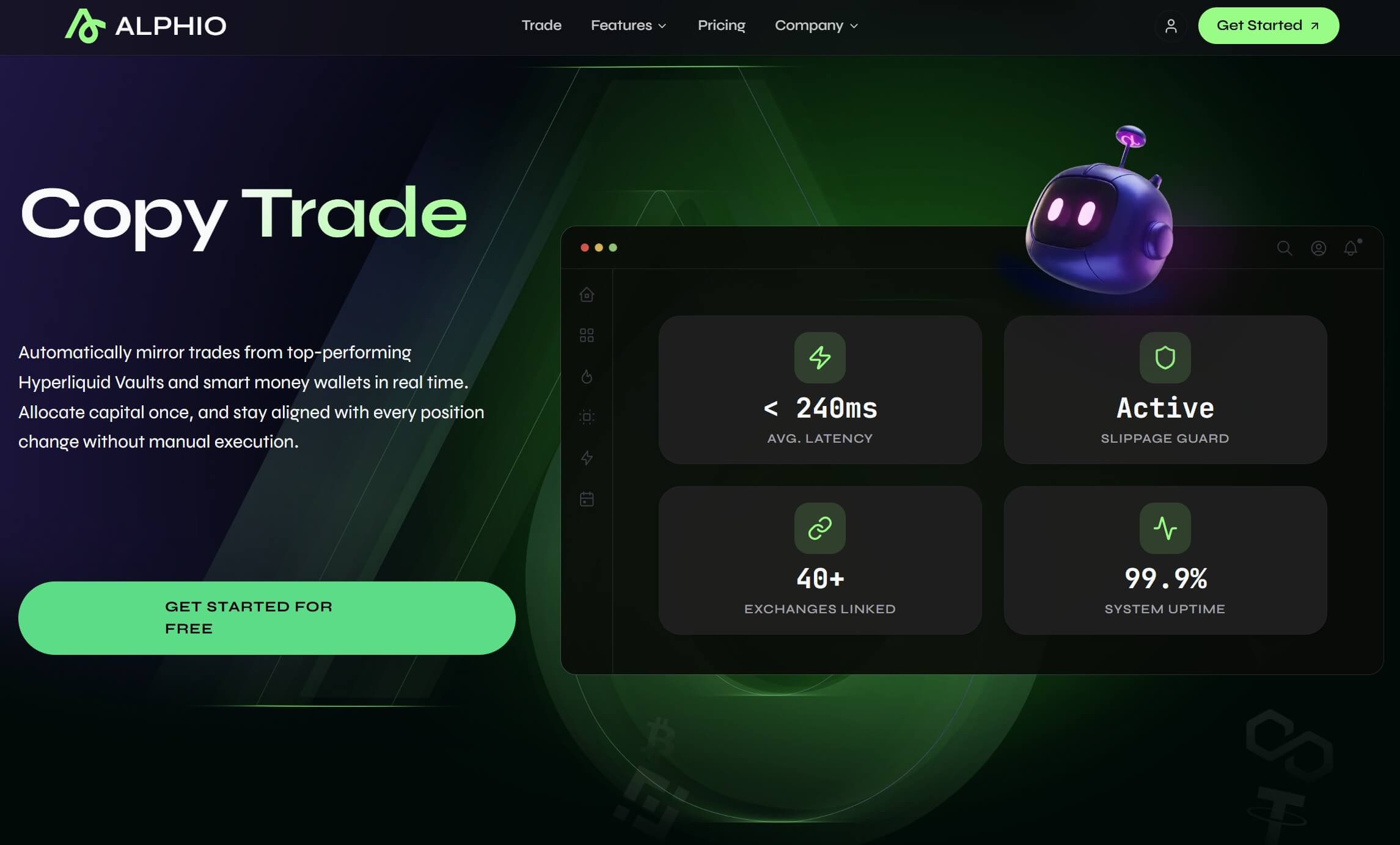
For investors seeking to automate their trading strategies, consider using Alphio AI's copy trading feature to mirror successful traders and smart money wallets on platforms like Hyperliquid.
Institutional Adoption and ETF Developments
The approval of spot HYPE ETFs represents a watershed moment for Hyperliquid's institutional legitimacy. The BHYP and THYP ETFs, which track HYPE's spot price without the complexity of self-custody or exchange accounts, recorded $66 million in net inflows during a single week in June 2026 according to data from Farside Investors. This demand from traditional investment vehicles demonstrates that institutional capital is increasingly comfortable gaining exposure to decentralized trading protocols through regulated products.
The cumulative inflows into cryptocurrency ETFs broadly, including Bitcoin and Ethereum products, have created a precedent that benefits newer entrants like HYPE. As institutional investors become comfortable with the ETF wrapper for crypto exposure, the addressable market for products tracking altcoins with genuine utility expands significantly. HYPE's strong fundamentals and measurable platform usage metrics make it an attractive candidate for this expanding investment universe.
Beyond ETF products, corporate treasury adoption of HYPE has begun to mirror patterns seen with Bitcoin and Ethereum. Firms with significant cryptocurrency holdings are diversifying into utility tokens that offer exposure to specific sectors of the crypto economy. The DeFi trading sector, represented by Hyperliquid, offers a different risk-return profile than pure store-of-value assets while maintaining the growth characteristics that attract institutional allocators.
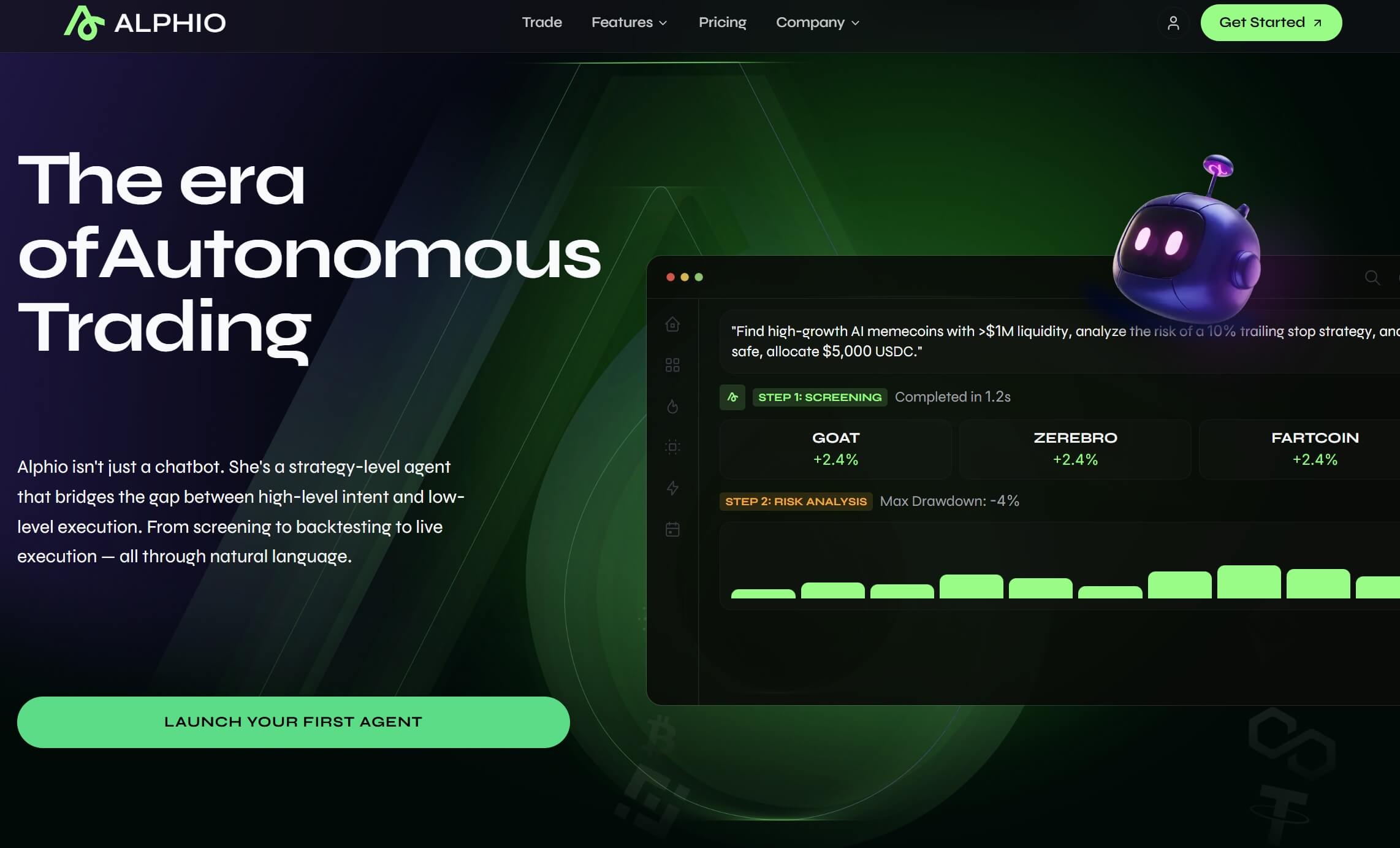
Alternatively, explore agentic trading to automate your portfolio management with AI-powered strategies that can capture opportunities across decentralized trading platforms.
The HIP-3 Market and Real-World Asset Integration
Hyperliquid's HIP-3 market has emerged as a flagship product differentiator, enabling perpetual futures trading on traditional and real-world assets (RWA) including oil, gold, and U.S. stock indexes. Since the Iran conflict began in late February 2026, this market has regularly processed millions of dollars in daily trading volume, demonstrating genuine product-market fit for decentralized derivatives on traditional assets.
The significance of RWA integration extends beyond immediate trading revenue. By bridging traditional financial instruments with decentralized infrastructure, Hyperliquid positions itself at the forefront of finance's ongoing digitization. Traders who previously required multiple platforms to access crypto and traditional asset derivatives can now manage diversified portfolios within a single decentralized environment, reducing counterparty risk and operational complexity.
The success of HIP-3 has strategic implications for Hyperliquid's competitive positioning against both centralized exchanges and other DeFi protocols. Centralized platforms face ongoing regulatory pressure and custodial risks that decentralized alternatives avoid, while other DeFi protocols typically lack the execution quality and product depth necessary to compete for sophisticated traders. Hyperliquid's first-mover advantage in high-quality RWA derivatives may prove durable as the market expands.
Competitive Landscape and Market Position
Hyperliquid operates in an increasingly competitive environment where decentralized exchanges vie for market share against established centralized platforms and emerging DeFi competitors. The platform's primary advantages include its specialized focus on derivatives trading, superior execution quality, and innovative token economics that align stakeholder interests through deflationary mechanisms.
Centralized competitors like Binance, Bybit, and dYdX maintain significant advantages in brand recognition, user base, and regulatory relationships. However, they also face structural challenges including custodial risks, regulatory uncertainty, and the operational overhead of maintaining traditional corporate infrastructure. Hyperliquid's decentralized architecture eliminates single points of failure and reduces the attack surface for both technical exploits and regulatory intervention.
Within the DeFi ecosystem, Hyperliquid competes with perpetual protocols like GMX, Gains Network, and Synthetix. Each offers different trade-offs between capital efficiency, liquidity depth, and product variety. Hyperliquid's central limit order book design provides tighter spreads and better execution for large orders compared to AMM-based alternatives, though at the cost of greater complexity in liquidity provision mechanisms.
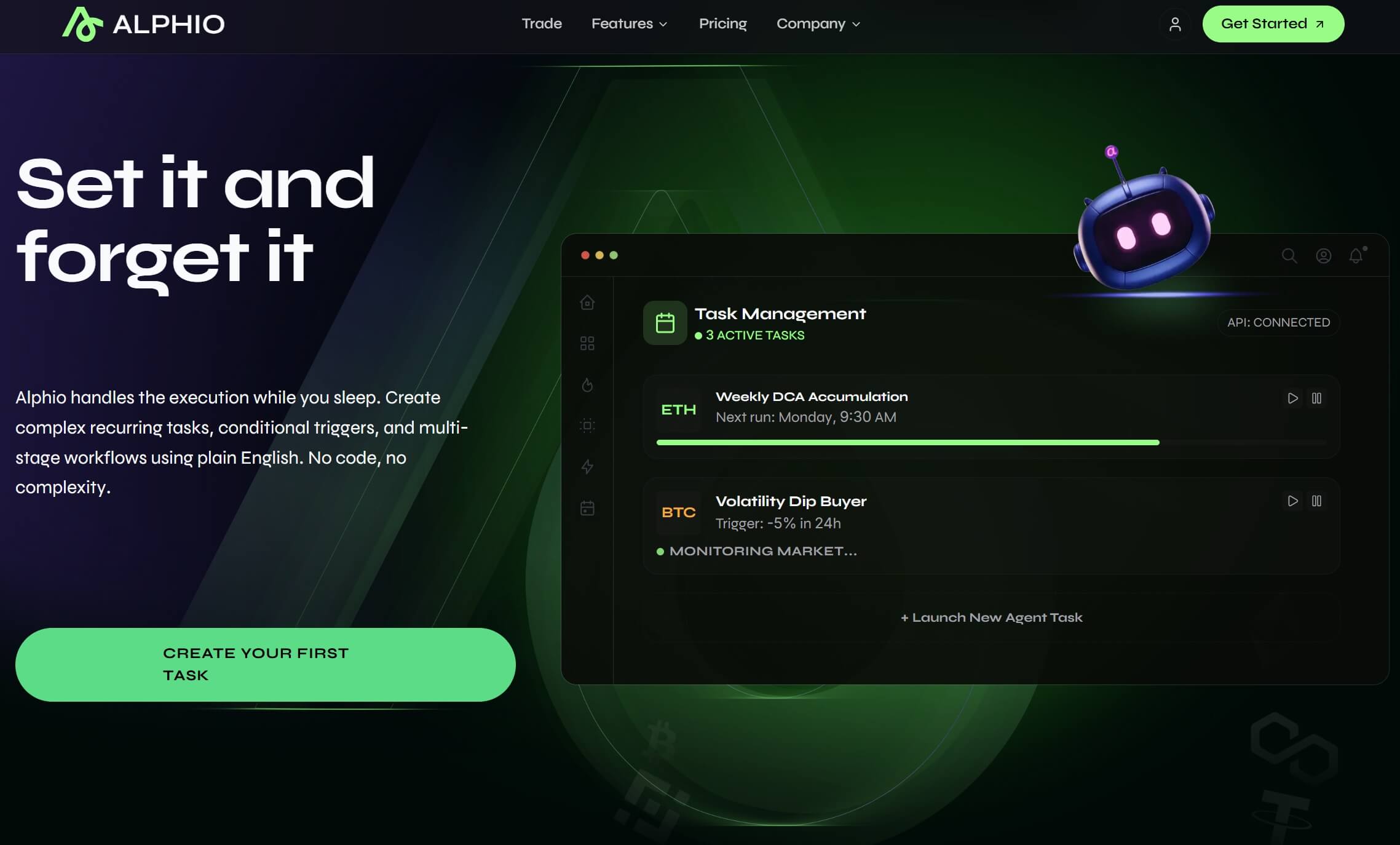
For traders interested in setting up conditional workflows and automated strategies, explore Alphio AI's scheduled task automation features to optimize your Hyperliquid trading.
Risk Factors and Investment Considerations
Despite Hyperliquid's impressive growth and strong fundamentals, prospective investors should carefully consider several risk factors before allocating capital to HYPE. Cryptocurrency markets remain highly volatile, and even tokens with genuine utility can experience significant price declines during broad market corrections. HYPE's 50% drawdown from all-time highs demonstrates this risk clearly, even as the token maintains substantial gains from its launch price.
Regulatory developments pose particular uncertainty for decentralized trading platforms. While Hyperliquid's architecture provides some protection against single-jurisdiction enforcement actions, coordinated global regulatory pressure could impact user access, liquidity provision, or token trading on centralized exchanges. The evolving regulatory landscape for derivatives trading, in particular, remains a wildcard that could affect platform growth trajectories.
Smart contract risk, while mitigated through audits and the platform's track record of secure operations, can never be entirely eliminated in decentralized finance. Users should understand that technical vulnerabilities, while unlikely, could result in loss of funds. The platform's insurance funds and risk management systems provide protection against isolated incidents but may prove insufficient in the event of catastrophic failures.
Execution risk relates to the challenge of maintaining platform quality while scaling. As Hyperliquid grows, it must continue investing in infrastructure, liquidity incentives, and user experience to compete with both centralized alternatives and well-funded DeFi competitors. The team's ability to execute on the product roadmap while managing token economics will significantly influence long-term success.
Future Roadmap and Growth Catalysts
Hyperliquid's development trajectory suggests several potential catalysts that could drive the next phase of platform growth and token appreciation. The continued expansion of HIP-3 to include additional real-world assets and traditional financial instruments will broaden the platform's addressable market and attract traders seeking diversified exposure through a single interface.
Technical improvements focused on scalability and cross-chain interoperability represent priority areas for development. As transaction volumes grow, maintaining the low latency and high reliability that distinguish Hyperliquid's user experience becomes increasingly challenging. Solutions that enable seamless interaction with other blockchain ecosystems could unlock new user segments and liquidity sources.
Institutional product development, including structured products, lending markets, and sophisticated risk management tools, would further differentiate Hyperliquid from simpler trading platforms. The infrastructure for institutional-grade derivatives already exists; expanding the product suite to serve sophisticated investors represents a natural evolution path.
Governance evolution toward greater decentralization will likely accelerate as the protocol matures. Community-driven decision making on fee structures, product prioritization, and treasury allocation aligns with DeFi principles while leveraging the collective intelligence of engaged stakeholders. The transition from core team leadership to community governance has proven challenging for many protocols but represents an important milestone for long-term sustainability.
Conclusion
Hyperliquid has established itself as a formidable player in the decentralized trading ecosystem through a combination of technical excellence, innovative token economics, and strategic product development. The HYPE token's 900% appreciation since launch reflects genuine platform adoption rather than mere speculation, supported by measurable trading volumes, institutional ETF inflows, and aggressive token burn mechanisms that create sustained deflationary pressure.
Current price levels around $37-$39 may represent an attractive entry point for investors who believe in the long-term vision of decentralized derivatives trading. The consolidation from all-time highs has allowed overheated momentum to cool while fundamentals continue improving through product expansion and institutional adoption. The recent success of HYPE ETFs demonstrates that traditional finance increasingly recognizes the value proposition offered by well-designed DeFi protocols.
For investors seeking exposure to the intersection of traditional finance and decentralized infrastructure, Hyperliquid offers a compelling risk-adjusted opportunity. The platform's focus on execution quality, deep liquidity, and real-world asset integration positions it to capture market share from centralized alternatives while maintaining the self-custody benefits that attracted early cryptocurrency adopters.
To start trading on decentralized platforms like Hyperliquid with AI-powered assistance, try Alphio AI's conversational trading interface for intuitive, chat-based trade execution and portfolio management.

As always, cryptocurrency investments carry significant risk, and readers should conduct their own research and consider their risk tolerance before making investment decisions. The information provided herein is for educational purposes and should not be construed as financial advice.