
Key Takeaway
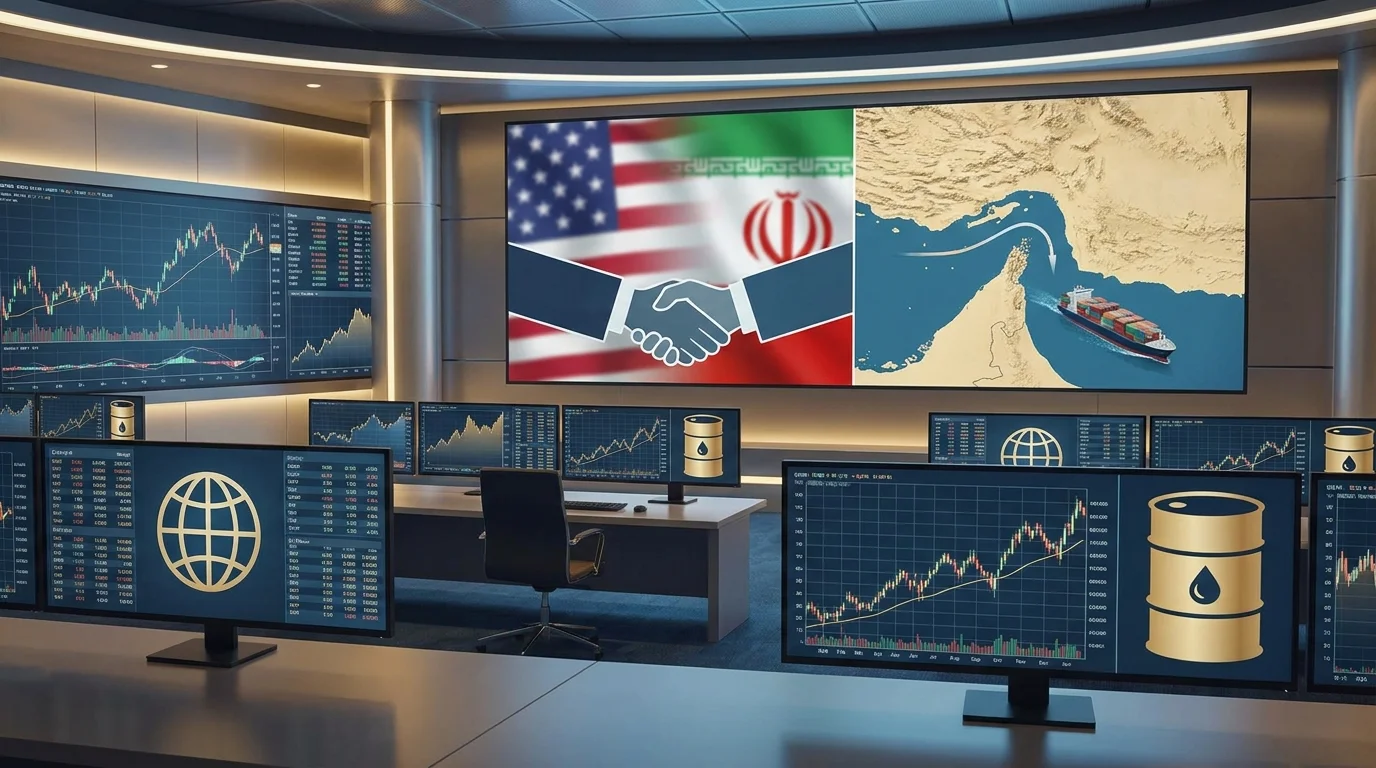
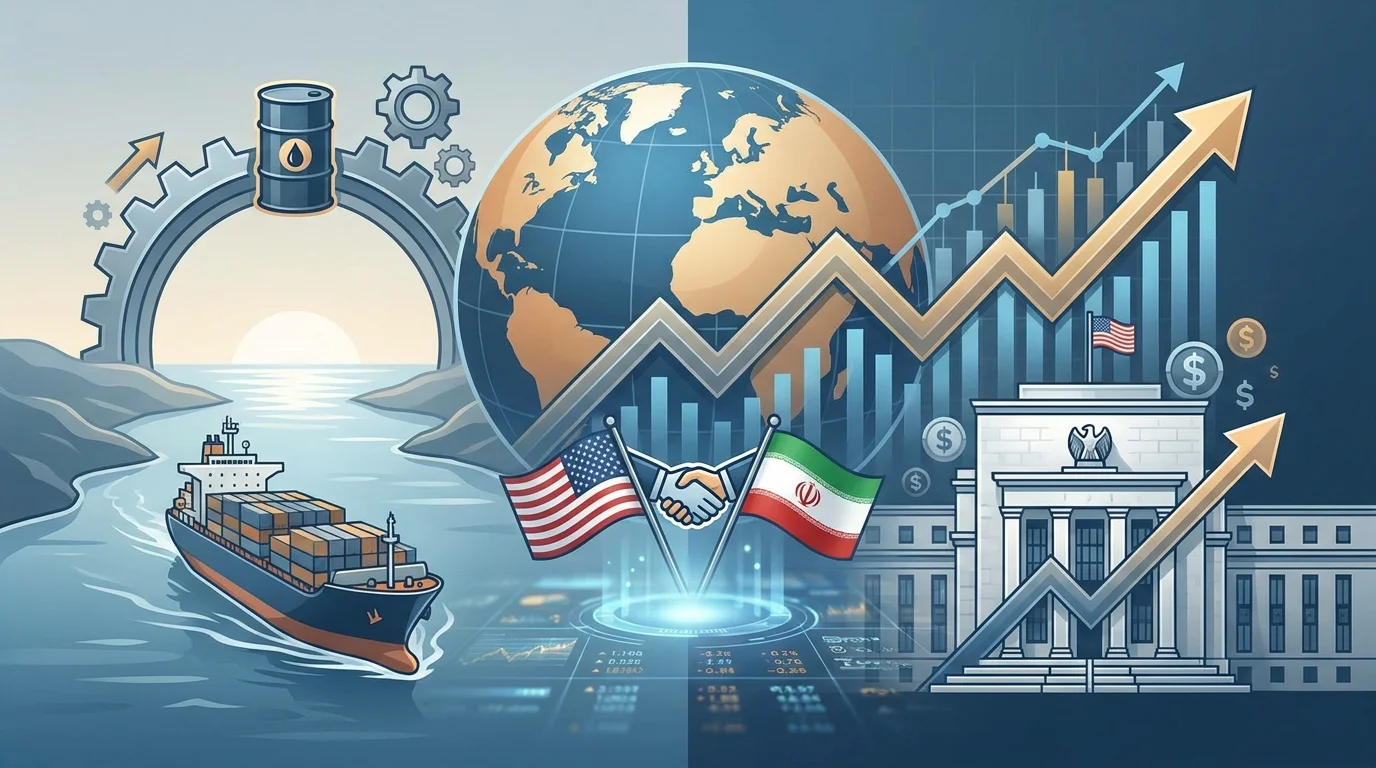
The landmark peace agreement between the United States and Iran, announced on June 15, 2026, has fundamentally reshaped market sentiment across global financial markets. By ending the US blockade of Iranian oil exports and reopening the strategically vital Strait of Hormuz, this deal has eliminated one of the most significant geopolitical risk premiums that had been weighing on investor psychology for months. The immediate market reaction has been overwhelmingly positive, with major equity indices surging while crude oil prices have experienced their sharpest single-day decline in over a year.
For investors, this development carries profound implications beyond the obvious energy sector impacts. The removal of Iranian sanctions is expected to add approximately 1.5 to 2 million barrels per day of crude oil supply to global markets within the next three to six months, fundamentally altering the supply-demand balance that had supported elevated prices. Simultaneously, the reduction in geopolitical tension has triggered a significant rotation into risk assets, with technology stocks, semiconductor companies, and cryptocurrency-related equities experiencing particularly strong gains. The deal also carries important implications for central bank policy, as moderating energy prices could ease inflationary pressures and potentially alter the trajectory of Federal Reserve rate decisions.
The Historic US-Iran Peace Agreement
Breaking Down the Deal
The peace agreement between Washington and Tehran represents a dramatic reversal of policy that few market participants had anticipated coming to fruition so quickly. Under the terms of the deal, the United States has committed to lifting its comprehensive oil export embargo against Iran, which had been in place in various forms for years. In exchange, Iran has agreed to strict monitoring of its nuclear program and has pledged to cease support for designated militant groups in the region. Most critically for global markets, the agreement includes immediate measures to reopen the Strait of Hormuz to unrestricted commercial shipping.
The Strait of Hormuz, which handles approximately 20% of global petroleum consumption and 35% of seaborne oil trade, had become increasingly volatile in recent months as tensions between the two nations escalated. The prospect of unrestricted passage through this critical chokepoint has eliminated a major supply disruption risk that had been supporting a significant risk premium in oil prices. Energy analysts estimate that the "fear premium" embedded in crude prices had reached $15-20 per barrel at the height of tensions, representing a substantial artificial inflation in energy costs across the global economy.
The agreement also includes provisions for phased sanctions relief on Iran's financial sector, allowing the country to reconnect with the global banking system and facilitating international investment in its energy infrastructure. This aspect of the deal is particularly significant for long-term oil market dynamics, as Iran possesses some of the world's largest proven petroleum reserves and has the potential to substantially increase production capacity with access to modern technology and foreign investment.
Immediate Market Reaction
Financial markets responded to the news with remarkable speed and conviction, reflecting the broad consensus that this development removes a major overhang from the global economic outlook. The S&P 500 surged over 2% in the first trading session following the announcement, while the technology-heavy Nasdaq Composite outperformed with gains exceeding 3%. International markets followed suit, with European bourses posting their strongest single-day performance in months and Asian markets rallying across the board.
The most dramatic price action occurred in energy markets, where crude oil futures plummeted by more than 8% in immediate reaction to the news. Brent crude, the international benchmark, fell from nearly $82 per barrel to below $75, while West Texas Intermediate experienced similar declines. This selloff represented the largest single-day drop in oil prices since the early days of the pandemic and highlighted just how much geopolitical risk had been embedded in energy valuations.
For investors looking to track market movements and identify opportunities in this volatile environment, Intellectia AI's stock screener provides real-time filtering capabilities to find equities benefiting from shifting market dynamics.

Impact on Global Energy Markets
Supply Dynamics and Price Outlook
The reintegration of Iranian oil into global markets represents a significant supply shock with far-reaching implications for energy prices and inflation. Prior to the sanctions, Iran had been exporting approximately 2.5 million barrels per day of crude oil. Current production stands at roughly 1 million barrels per day under the constraints of the embargo. Industry experts estimate that Iran could restore 500,000 to 800,000 barrels per day of exports within the first three months following sanctions relief, with full restoration achievable within 12 to 18 months.
This influx of additional supply comes at a time when global oil markets had been experiencing a delicate balance between OPEC+ production cuts and recovering demand from major economies. The additional Iranian barrels threaten to create a temporary oversupply situation that could pressure prices lower throughout the remainder of 2026. Analysts at major investment banks have already begun revising their price targets downward, with several institutions now forecasting Brent crude to trade in a $65-75 range through year-end, compared to previous projections of $80-90.
The timing of this supply increase is particularly significant given the seasonal patterns in energy demand. The summer driving season in the Northern Hemisphere typically sees peak gasoline consumption, while winter heating demand lies ahead. The prospect of lower energy costs during these high-demand periods provides meaningful relief to consumers and businesses alike. For transportation-dependent industries such as airlines and shipping companies, the decline in fuel costs represents a direct boost to profitability margins.
Winners and Losers in the Energy Sector
The reshuffling of energy market dynamics creates distinct winners and losers among different categories of market participants. Major integrated oil companies face a challenging environment as the combination of lower prices and increased competition from Iranian supply compresses their margins. Companies with significant exposure to Middle Eastern production or refining operations may experience particular pressure as regional price differentials adjust to the new supply reality.
Conversely, oil-consuming industries stand to benefit substantially from the decline in energy costs. Airlines, which operate on notoriously thin margins with fuel representing 25-30% of operating expenses, should see meaningful margin expansion if lower prices persist. Similarly, chemical manufacturers, transportation companies, and utilities with oil-fired generation capacity will experience direct cost savings that should flow through to bottom-line results. Consumer discretionary stocks may also benefit as households experience relief from lower gasoline prices, freeing up disposable income for other spending categories.
Implications for Federal Reserve Policy
Inflation Trajectory Shifts
One of the most significant market implications of the Iran deal relates to its potential impact on Federal Reserve monetary policy. Throughout 2026, persistent inflation concerns had complicated the central bank's decision-making calculus, with recent data showing elevated readings driven substantially by energy costs. The May Consumer Price Index report had revealed worrying signs of inflation persistence, with headline CPI registering its highest level in three years and prompting concerns that the Fed might need to consider rate increases rather than the cuts many had anticipated.
The sudden decline in oil prices fundamentally alters this inflation outlook. Energy costs flow directly into headline inflation measures and indirectly impact core inflation through transportation and manufacturing costs. Analysts estimate that every $10 decline in oil prices reduces headline CPI by approximately 0.3-0.4 percentage points over the subsequent six months. If current price levels persist, the Iran deal could subtract a full percentage point or more from year-over-year inflation readings by early 2027.
This disinflationary impulse comes at a critical moment for monetary policy. Prior to the deal, futures markets had begun pricing in meaningful odds of Federal Reserve rate hikes later this year, with expectations that the central bank would need to respond to persistent price pressures. The June FOMC meeting, chaired by Kevin Warsh in his first meeting as head of the committee, was widely expected to signal a more hawkish stance. However, the sudden improvement in the inflation outlook provides the Fed with considerably more flexibility in calibrating policy.
Market Pricing and Rate Expectations
The adjustment in inflation expectations has triggered a significant repricing of interest rate futures across the yield curve. CME FedWatch data shows that traders have rapidly unwound positions anticipating rate increases, with the probability of a December hike falling from over 40% to below 15% in the 48 hours following the Iran announcement. Simultaneously, expectations for the timing of the first rate cut have been pulled forward, with markets now pricing in a greater than 60% chance of easing beginning by March 2027.
This shift in rate expectations has driven a powerful rally in Treasury bonds, with the 10-year yield falling from 4.46% to below 4.2% in the days following the announcement. Long-duration fixed income instruments have outperformed dramatically as the prospect of lower terminal rates increases the present value of future cash flows. For investors with significant bond exposure or those considering fixed income allocations, Intellectia AI's portfolio tools can help optimize duration positioning in this evolving rate environment.

Sector-Specific Market Impacts
Technology and Growth Stocks Lead Rally
The rotation into risk assets following the Iran deal has been led by technology and growth-oriented stocks that had been under pressure during the period of elevated inflation and interest rate concerns. These companies, whose valuations are highly sensitive to discount rate assumptions, have experienced a powerful relief rally as Treasury yields have declined. The Nasdaq 100 has outperformed broader market indices by a significant margin, with semiconductor companies and enterprise software providers posting particularly strong gains.
The semiconductor sector has benefited from a confluence of factors beyond just the interest rate environment. Easing geopolitical tensions reduce supply chain risks that had been weighing on the industry, particularly for companies with manufacturing exposure to the Middle East or exposure to Chinese end markets that might have been affected by regional instability. Additionally, the prospect of lower energy costs supports demand for power-hungry data centers and AI infrastructure investments, providing a tailwind for chipmakers serving these markets.
Artificial intelligence-related stocks have been among the standout performers, with investors extrapolating the positive implications of lower discount rates for long-duration growth assets. Companies at the forefront of AI development, including chip manufacturers, cloud infrastructure providers, and software platforms integrating AI capabilities, have experienced particularly strong buying interest. The combination of reduced macroeconomic uncertainty and improved financing conditions supports continued investment in this transformative technology category.
Cryptocurrency Markets Respond Positively
Digital asset markets have joined the broader risk-on rally, with Bitcoin and major cryptocurrencies posting significant gains alongside traditional equities. Bitcoin briefly surpassed $66,500 for the first time since early June, representing a gain of more than 3% in immediate response to the news. The positive correlation between crypto assets and risk sentiment has been on full display, with the reduction in geopolitical risk premium translating directly into improved appetite for speculative investments.
XRP has been a standout performer in the cryptocurrency space, surging over 8% to break above the $1.20 level for the first time in weeks. The rally has been attributed to a combination of factors, including the general improvement in risk sentiment and ongoing optimism following the resolution of Ripple's legal battle with the SEC earlier this year. Trading volumes have been elevated as momentum traders position for a potential continuation of the breakout toward the $1.30 resistance level.
Crypto-related equities have experienced even more pronounced gains, with leveraged plays on digital assets such as MicroStrategy, Coinbase, and various Bitcoin ETFs rallying by double-digit percentages. These stocks, which had been under pressure during the recent period of market consolidation, are now benefiting from a powerful short squeeze as bearish positions are unwound and capital flows back into the sector. For investors seeking exposure to crypto markets through traditional equity vehicles, the improved environment may present selective opportunities, though volatility remains elevated.
Regional and International Market Effects
European Markets Find Relief
European equity markets have responded enthusiastically to the Iran deal, with major indices posting gains that have outpaced even the strong performance seen in US markets. The Stoxx 600 index surged to new record highs, driven by strength in energy-importing industrial companies that stand to benefit substantially from lower oil prices. Unlike the United States, which has achieved energy independence in recent years, Europe remains heavily dependent on imported petroleum, making the continent particularly sensitive to developments in Middle Eastern energy markets.
The euro has strengthened against the dollar as improved risk sentiment reduces safe-haven flows into US assets. This currency dynamic provides an additional tailwind for European equities when returns are measured in dollar terms for international investors. Banking stocks have also performed well, with the prospect of reduced energy-driven inflation potentially easing pressure on the European Central Bank to maintain restrictive monetary policy.
Emerging market equities have experienced broad-based gains as the combination of lower oil prices and reduced geopolitical risk improves the outlook for developing economies. Countries that are net oil importers, including India, Turkey, and several Southeast Asian nations, have seen their currencies strengthen and equity markets rally as the energy import bill declines. These markets had been particularly vulnerable to the inflationary pressures created by elevated commodity prices, making the relief provided by the Iran deal especially meaningful.
Asian Markets and China's Strategic Position
Asian markets have rallied across the board, with Japan's Nikkei 225 and Hong Kong's Hang Seng Index both posting significant gains. China, as the world's largest oil importer, stands to benefit enormously from the decline in energy prices, with every $10 reduction in crude prices saving the country approximately $25 billion annually on its import bill. This energy cost relief provides welcome support for an economy that has been grappling with property sector weakness and subdued consumer demand.
The timing of the Iran deal coincides with renewed attention on China's financial markets, with the country recently signing up 26 financial institutions to its digital yuan cross-border payment platform. This development, announced just hours before the Iran news, represents another step in China's efforts to internationalize its currency and reduce dependence on dollar-dominated settlement systems. While the digital yuan initiative is a longer-term structural development, the combination of reduced geopolitical tensions and advancing financial infrastructure creates a more favorable environment for Chinese assets.
For investors looking to navigate these complex international dynamics and identify opportunities across global markets, Intellectia AI's platform offers comprehensive tools for analyzing cross-border investment opportunities and managing currency exposure.
Investment Strategy Considerations
Reassessing Portfolio Positioning
The dramatic shift in market conditions triggered by the Iran deal requires investors to reassess their portfolio positioning across multiple dimensions. The rotation into growth stocks and away from inflation hedges suggests that portfolios that had been positioned defensively for persistent price pressures may be missing the current rally. Investors who had increased allocations to energy producers, commodities, and value-oriented stocks as inflation protection should consider whether these positions remain appropriate given the changed outlook.
Duration exposure in fixed income portfolios deserves particular attention in the current environment. The sharp decline in Treasury yields creates mark-to-market gains for existing bond holdings but reduces prospective returns for new capital deployment. Investors with significant cash positions may face the prospect of deploying capital at lower yields than had been available just weeks ago, potentially impacting long-term return expectations. Consider extending duration selectively to lock in current yields while maintaining flexibility to adjust as the rate outlook evolves.
Risk Factors to Monitor
While the market response to the Iran deal has been overwhelmingly positive, prudent investors should remain cognizant of risks that could undermine the current rally. First and foremost, the implementation of the agreement remains subject to potential setbacks or delays. Iran's compliance with nuclear monitoring provisions, the pace of sanctions relief, and the security situation in the Strait of Hormuz all bear watching as the deal moves from announcement to execution. Any signs of friction in the implementation process could quickly reverse the optimism currently priced into markets.
Additionally, the market's focus on the positive implications of lower oil prices may be overlooking potential negative developments elsewhere in the economic landscape. Corporate earnings growth has been decelerating in recent quarters, and the impact of higher interest rates on economic activity may continue to manifest with the typical lag. Investors should avoid becoming overly focused on any single narrative, whether positive or negative, and maintain diversified exposures across asset classes and geographies.
The Federal Reserve's response to the changing inflation outlook also warrants close monitoring. While markets have priced in a more dovish policy trajectory, central bank officials may be reluctant to pivot too quickly given the painful experience of prematurely declaring victory over inflation in prior cycles. Communication from Fed speakers in the coming weeks will provide important clues about whether policymakers share the market's enthusiasm for near-term rate cuts or remain focused on ensuring that inflation returns sustainably to target.
Conclusion
The US-Iran peace deal represents a genuine inflection point for global financial markets, removing a significant geopolitical risk premium while altering the trajectory of energy prices and inflation expectations. The immediate market response has been appropriately enthusiastic, with risk assets rallying across the board as investors discount an improved economic outlook. The decline in oil prices from over $80 to below $75 per barrel provides meaningful relief to consumers and businesses, while the prospect of lower inflation potentially extends the timeline for Federal Reserve easing.
For investors, the key question is whether the current rally represents the beginning of a sustained uptrend or a temporary repricing that will face headwinds from other economic challenges. The answer likely depends on whether the implementation of the Iran deal proceeds smoothly and whether other macroeconomic risks, including corporate earnings growth and the lagged effects of monetary tightening, prove manageable. Maintaining a balanced approach that captures upside participation while preserving downside protection remains prudent in this environment.
To navigate these evolving market conditions and identify the best opportunities across sectors and asset classes, consider leveraging Intellectia AI's comprehensive analysis tools. Our AI-powered platform helps investors cut through the noise and focus on data-driven insights that matter for portfolio performance.
Ready to take your investing to the next level? Sign up for Intellectia AI today and access institutional-grade analysis tools designed to help you make smarter investment decisions in any market environment.