
Key Takeaway
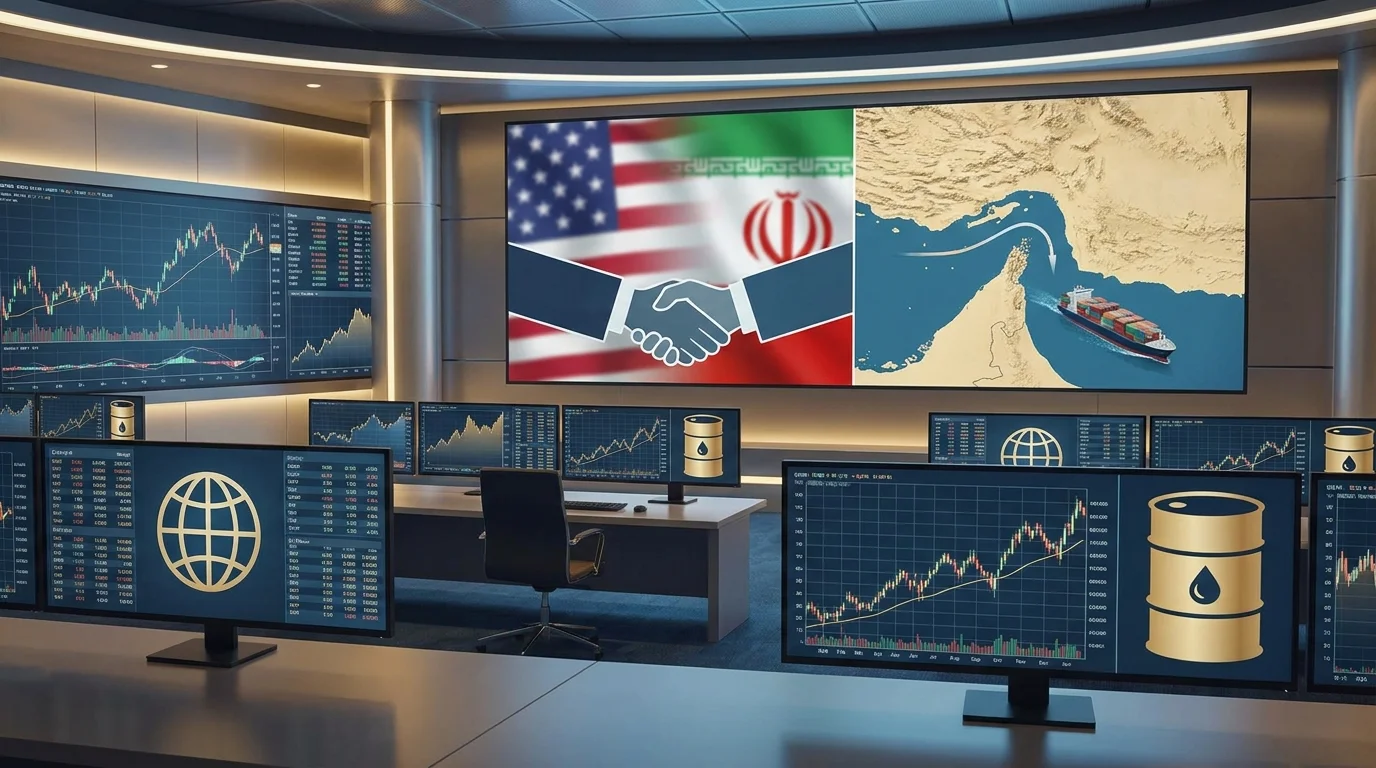
The announcement of a peace agreement between the United States and Iran has sent shockwaves through global financial markets, creating a dramatic divergence between equity and energy markets. On June 15, 2026, President Donald Trump confirmed that both nations had signed a memorandum of understanding aimed at ending the 15-week conflict and reopening the strategically vital Strait of Hormuz to international shipping. This development has provided investors with a classic risk-on scenario, sending the Nasdaq up over 3% while crude oil prices tumbled more than $4 per barrel to reach their lowest levels in three months.
The significance of this agreement extends far beyond the immediate price movements. The Strait of Hormuz, through which approximately one-fifth of global oil shipments pass, had been effectively blockaded during the conflict, creating supply chain disruptions that rippled through the global economy. With the reopening of this critical chokepoint, energy markets are recalibrating to reflect normalized supply conditions, while equity markets are celebrating the reduction in geopolitical risk premium that had been weighing on investor sentiment for months.
For investors, this paradigm shift presents both opportunities and challenges. Energy sector positions that benefited from the conflict-driven price spikes are now facing headwinds, while broader market exposure is enjoying a relief rally. Understanding the nuances of this transition will be crucial for portfolio positioning in the coming weeks.
The Deal That Changed Everything
A Sudden Resolution to Months of Tension
The conflict between the United States and Iran had been escalating since early 2026, with Iranian threats and attacks on shipping in the Persian Gulf prompting a U.S. naval blockade of Iranian oil exports. This standoff had roiled global energy markets for nearly four months, creating uncertainty that affected everything from airline fuel costs to manufacturing input prices. The sudden announcement of a peace framework caught many market participants off guard, as geopolitical analysts had largely expected the conflict to persist through the summer months.
President Trump's announcement that scheduled military strikes had been called off in favor of diplomatic negotiations marked a dramatic pivot in U.S. policy. The resulting memorandum of understanding outlines a phased approach to ending hostilities, with the immediate reopening of the Strait of Hormuz serving as a confidence-building measure. This rapid de-escalation demonstrates how quickly geopolitical risk can shift from being a market headwind to a powerful tailwind.
For investors who had positioned their portfolios defensively in anticipation of prolonged conflict, this development necessitates a rapid reassessment of risk exposure. The speed at which markets have repriced reflects not only the immediate impact of reduced energy costs but also the broader implications for global economic growth and corporate profitability.
Market Reaction: A Study in Contrasts
The divergent reactions in equity and energy markets highlight the complex interplay between geopolitical events and asset class performance. While the major U.S. stock indexes posted impressive gains, with the Dow Jones Industrial Average jumping over 900 points in a single session, energy commodities experienced their sharpest decline since early 2026. This divergence underscores the importance of sector rotation strategies during periods of rapid geopolitical change.
The technology sector, which had been particularly sensitive to concerns about inflation and interest rates, led the rally as lower oil prices translated into expectations of reduced inflationary pressure. This dynamic has reignited the growth versus value debate among investors, with the former benefiting from the prospect of a more accommodative Federal Reserve stance should inflation continue to moderate.
For those seeking to navigate these market dynamics with AI-powered insights, tools like Intellectia.AI's AI stock picker can help identify sector rotation opportunities as they emerge. The platform's machine learning algorithms analyze market sentiment shifts in real-time, providing actionable intelligence during volatile periods.
Energy Markets in Turmoil
Crude Oil's Dramatic Decline
The energy complex bore the brunt of the peace deal announcement, with West Texas Intermediate crude oil futures falling more than 4% to settle at a three-month low. Brent crude experienced similar weakness, as traders priced in the prospect of millions of barrels of Iranian crude returning to global markets. The magnitude of this price movement reflects the extent to which the conflict had embedded a risk premium into oil prices over the preceding months.
Analysts at major investment banks had previously estimated that the Strait of Hormuz blockade was adding between $10 and $15 per barrel to global oil prices. With this geopolitical premium now rapidly deflating, energy traders are reassessing the supply-demand balance that will prevail in a post-conflict environment. The speed of the price decline suggests that speculative long positions had accumulated significantly during the conflict period, creating forced selling pressure as stop-loss levels were triggered.
Looking beyond the immediate price action, the fundamental picture for oil markets remains complex. While Iranian supply will gradually return, OPEC+ continues to maintain production discipline, and global demand growth, particularly from emerging markets, shows no signs of abating. This suggests that the current price weakness may prove temporary, presenting potential entry points for long-term energy investors with appropriate risk tolerance.
Energy Stocks Face Headwinds
The decline in crude oil prices has naturally translated into weakness across the energy equity complex. The Energy Select Sector SPDR Fund (XLE), which had been one of the best-performing sector ETFs year-to-date with gains of approximately 29%, experienced significant selling pressure as investors reassessed earnings expectations for the sector. Despite the recent pullback, the long-term uptrend in energy stocks remains intact, with the sector still benefiting from years of underinvestment in production capacity.
The composition of the XLE provides important context for understanding sector dynamics. With significant exposure to integrated oil majors like Exxon Mobil and Chevron, the ETF offers a diversified play on global energy markets. These companies' downstream refining and marketing operations can partially offset weakness in upstream exploration and production activities, providing a natural hedge against crude price volatility.
For investors considering energy sector exposure, the current environment may present opportunities to accumulate positions in high-quality names at discounted valuations. However, the technical picture suggests caution in the near term, with momentum indicators pointing to continued weakness as the market digests the new geopolitical reality.
Broader Market Implications
Inflation Expectations and Monetary Policy
One of the most significant implications of the peace deal is its potential impact on inflation expectations and, by extension, Federal Reserve monetary policy. The energy component of the Consumer Price Index had been showing signs of sticky inflation, with gasoline prices remaining elevated due to supply concerns. With crude oil now trading at significantly lower levels, economists are revising their inflation forecasts downward, creating scope for earlier-than-expected interest rate cuts.
The futures markets have already begun pricing in a more dovish Fed stance, with the probability of rate cuts in the second half of 2026 increasing substantially. This shift in monetary policy expectations has provided additional fuel for the equity market rally, as lower discount rates increase the present value of future corporate cash flows. Growth stocks, particularly in the technology sector, have been the primary beneficiaries of this dynamic.
Investors should remain cognizant, however, that the Fed's reaction function extends beyond headline inflation figures. Core inflation, which excludes volatile food and energy components, remains the central bank's primary focus. While lower oil prices provide welcome relief at the gas pump, the underlying inflation dynamics driven by wage growth and services prices will ultimately determine the trajectory of monetary policy.
Global Economic Growth Prospects
The reduction in energy costs extends beyond immediate inflation benefits to potentially boost global economic growth. For energy-importing nations, particularly in Europe and Asia, lower oil prices represent a significant terms-of-trade improvement, effectively increasing disposable income and purchasing power. This effect is particularly pronounced for countries like Japan and Germany, which had been struggling with high energy costs constraining industrial competitiveness.
Emerging markets also stand to benefit substantially from the development. Many developing economies had been forced to subsidize fuel costs to prevent social unrest, straining government budgets and limiting fiscal flexibility. With oil prices declining, these nations can redirect resources toward productive investments or reduce debt burdens, supporting broader emerging market asset performance.
For investors seeking diversified exposure to these trends, Intellectia.AI's AI screener offers sophisticated filtering capabilities to identify companies best positioned to benefit from shifting global economic conditions. The tool's natural language interface allows users to construct complex screening criteria with simple queries.

Investment Strategies for the New Environment
Sector Rotation Opportunities
The shift from a conflict-driven market environment to one characterized by reduced geopolitical risk creates compelling sector rotation opportunities. Investors who had overweighted energy and defense sectors as hedges against geopolitical uncertainty may now find greater opportunity in rate-sensitive sectors such as real estate, utilities, and growth-oriented technology companies.
The financial sector also merits attention, as the prospect of lower interest rates could stimulate lending activity and improve net interest margins for banks. However, the yield curve dynamics bear close monitoring, as an inversion could signal recessionary concerns that would outweigh the benefits of lower funding costs.
Healthcare and consumer staples, traditional defensive sectors, may underperform in a risk-on environment but provide important portfolio ballast should the peace deal implementation encounter obstacles. Maintaining diversification across sectors remains prudent, even as tactical overweighting shifts toward more cyclical exposure.
Risk Management Considerations
While the market has enthusiastically embraced the peace deal announcement, investors should remain mindful of implementation risks. The history of U.S.-Iran relations is littered with agreements that ultimately failed to achieve lasting stability. Any breakdown in the current framework could rapidly reverse the market moves observed in recent sessions, punishing complacent positioning.
Hedging strategies, including the use of options to protect downside exposure, merit consideration for investors with concentrated equity positions. Similarly, maintaining appropriate cash reserves provides both dry powder for opportunities that may arise from volatility and psychological comfort during periods of market stress.
The VIX index, which measures implied volatility in equity options, has declined significantly following the peace deal announcement. For sophisticated investors, this compression in volatility premiums may present opportunities to acquire protective puts at relatively attractive prices compared to the heightened levels observed during the conflict period.
Conclusion
The U.S.-Iran peace deal represents a watershed moment for global markets, creating clear winners and losers across asset classes. While equity investors celebrate the removal of a significant geopolitical overhang and the prospect of lower inflation and interest rates, energy market participants grapple with the deflation of risk premiums that had supported elevated prices for months.
For long-term investors, the key takeaway is that market-disrupting events can create opportunities for those willing to look beyond immediate price action. The energy sector weakness, while painful for existing holders, may present entry points in high-quality companies with sustainable competitive advantages. Similarly, the broad market rally should be viewed with measured enthusiasm, as valuations in some sectors have become stretched relative to underlying fundamentals.
As always, maintaining a disciplined approach to portfolio construction, with appropriate diversification and risk management, remains the most reliable path to achieving long-term investment objectives. The current environment, while offering opportunities, also carries risks that prudent investors must carefully navigate.
To stay ahead of market-moving developments like the U.S.-Iran peace deal and identify timely investment opportunities, consider signing up for Intellectia.AI's premium features. The platform's AI-powered analytics provide real-time insights into market sentiment, sector rotation dynamics, and individual stock opportunities that can help you make more informed investment decisions.
Start your journey toward smarter investing today with Intellectia.AI and gain access to the tools professional traders use to navigate complex market environments.