

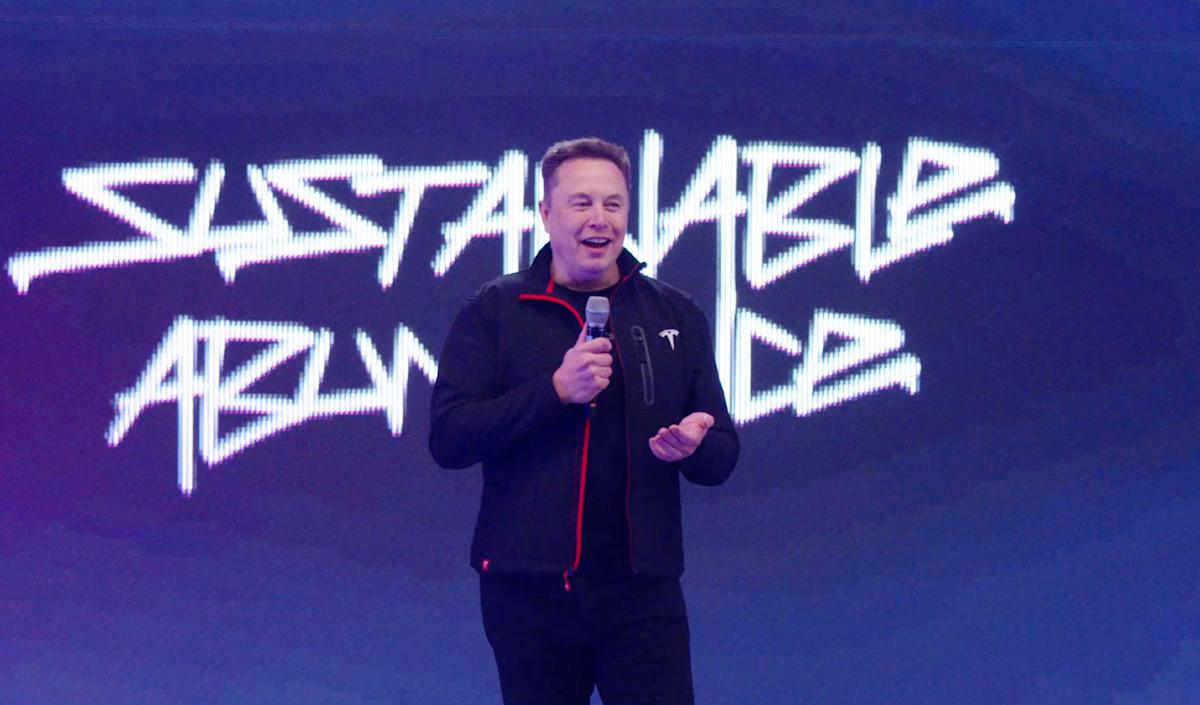
Tesla Shareholders Approve Elon Musk's $1 Trillion Deal
Updated: 07 Nov 25
0mins
Tesla shareholders have approved a groundbreaking $1 trillion pay package for CEO Elon Musk. The compensation plan, supported by 75% of shareholders, ties Musk's rewards to ambitious targets, including significant market value growth and production milestones. While some investors expressed concerns over the plan's scale, the majority backed it, emphasizing Musk's pivotal role in Tesla's success. The deal highlights Tesla's focus on future innovations, including robotaxis and humanoid robots, amidst ongoing regulatory and financial challenges.
 Sources

- Elon Musk's $1tn pay deal approved Tesla shareholders
 bbc
bbc - Tesla shareholders approve Elon Musk’s $1T pay package
 yahoo
yahoo - Elon Musk awarded nearly $1 trillion pay package Tesla shareholders
 abc
abc - Tesla shareholders approve Musk's $1 trillion pay packageyahoo
Keep Reading
About the author

John R. Smitmithson
With over 15 years of experience in global financial markets, John R. Smitmithson holds a Master’s degree in Finance from the London School of Economics. A former investment strategist at Goldman Sachs, he specializes in macroeconomic trends and equity analysis, contributing authoritative insights to Intellectia’s market overviews.
People Also Watch

BCTX
Briacell Therapeutics Corp
4.020USD
5.24%

XTIA
XTI Aerospace Inc
1.990USD
6.42%

CSBR
Champions Oncology Inc
6.070USD
1.93%

DXYZ
Destiny Tech100 Inc
28.120USD
-1.06%

HLF
Herbalife Ltd
19.240USD
-1.43%

CREX
Creative Realities Inc
3.630USD
3.71%

ZYME
Zymeworks Inc
23.310USD
0.09%

VICR
Vicor Corp
209.190USD
3.87%

QIPT
Quipt Home Medical Corp
3.630USD
0.00%

TXMD
TherapeuticsMD Inc
2.240USD
-0.88%