
Lower Tariffs to Ease Coffee, Banana Prices? Experts Weigh
Updated: 15 Nov 25
0mins
The White House has announced new trade agreements with Latin American countries to lower tariffs on goods like coffee and bananas. Experts suggest this could modestly reduce prices for these staples, though the impact may be limited due to global supply chain issues and weather-related shortages. While bananas are expected to see slight price relief, coffee prices may remain high as major exporters like Brazil are not included in the tariff reductions.


Overview of Tariff Reductions and Affected Goods
The White House recently announced a series of trade agreements aimed at reducing tariffs on key imported goods such as coffee, bananas, and other agricultural products. These agreements primarily target imports from Latin American nations, including Guatemala, Ecuador, Argentina, and El Salvador. The current tariff rates on such goods range from 10% to 15%, and the new framework seeks to alleviate these levies. The initiative is part of broader efforts to address rising grocery costs amidst ongoing inflationary pressures. By easing import restrictions on products not widely produced domestically, the administration hopes to moderate price increases in U.S. markets.
While the agreements mark a significant policy shift, details on the precise tariff reductions remain sparse. The focus on Latin America, however, could have tangible effects on goods like bananas, where Guatemala alone accounts for a quarter of U.S. banana imports. Coffee imports from Ecuador may also benefit, though major suppliers like Brazil, Colombia, and Vietnam remain unaffected by these changes.
Potential Impact on Prices and Consumer Relief
Despite the tariff reductions, experts caution that the impact on consumer prices is likely to be modest. Global supply chain disruptions, extreme weather, and other external factors continue to drive price volatility, particularly for commodities like coffee. Coffee prices, for instance, have surged nearly 20% year-over-year due to supply shortages from major producers like Brazil, which is not included in the new trade agreements. This means that any relief from tariff reductions will be counterbalanced by persistent supply constraints.
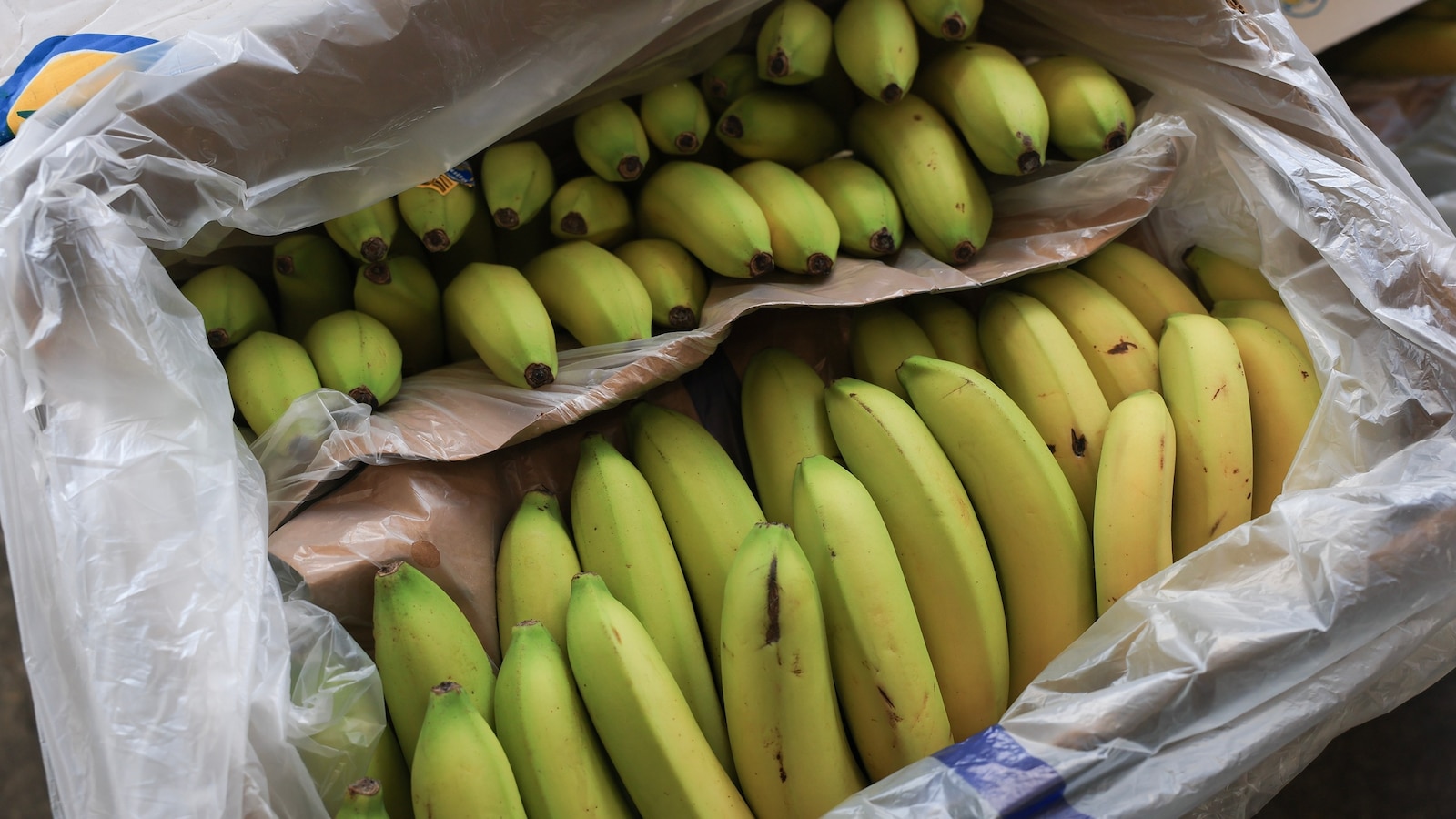
Bananas, however, may see slight price decreases as Guatemala and Ecuador—key exporters to the U.S.—are included in the tariff adjustments. Global banana prices have already declined in recent months, falling from a peak of $1,250 per metric ton in February to $950 by June, according to the International Monetary Fund. The additional tariff relief could result in minor cost savings for U.S. consumers, although experts suggest that grocers may absorb much of the benefit to maintain their profit margins.
In contrast, beef prices are unlikely to see any meaningful changes. The majority of U.S. beef is domestically sourced, and tariff policy has little influence over current price dynamics, which are driven more by domestic supply shortages and rising production costs. Overall, while the policy could marginally ease the cost of specific goods, its broader impact on consumer budgets is expected to be limited.
 Sources
- lower tariffs bring prices coffee, bananas? Experts weigh
 abc
abc - Trump cuts tariffs goods like coffee, bananas beef bid slash consumer prices
 cnbc
cnbc - Trump Moves Cut Tariffs Ease Grocery Prices—But Relief Slow
 investopedia
 - Trump cuts food tariffs beef, coffee, tomatoes prices soar
 yahoo
yahoo





- lower tariffs bring prices coffee, bananas? Experts weighabc
- Trump cuts tariffs goods like coffee, bananas beef bid slash consumer pricescnbc
- Trump Moves Cut Tariffs Ease Grocery Prices—But Relief Slowinvestopedia
- Trump cuts food tariffs beef, coffee, tomatoes prices soaryahoo


About the author

Preview
John R. Smitmithson
With over 15 years of experience in global financial markets, John R. Smitmithson holds a Master’s degree in Finance from the London School of Economics. A former investment strategist at Goldman Sachs, he specializes in macroeconomic trends and equity analysis, contributing authoritative insights to Intellectia’s market overviews.