Peabody Announces Q3 Earnings Per Share of 58 Cents, Down from 74 Cents Last Year
Q3 Revenue Performance: Peabody reported Q3 revenue of $1.01 billion, exceeding the consensus estimate of $992.53 million, driven by strong Powder River Basin shipments and improved seaborne thermal coal volumes.
Operational Highlights: CEO Jim Grech noted that Peabody's operations showed solid performance, with the lowest metallurgical coal costs in years and favorable U.S. thermal coal fundamentals.
Investment and Growth Strategy: CFO Mark Spurbeck highlighted over $680 million invested in developing the Centurion project, which aims to enhance Peabody's position in the premium hard coking coal market.
Financial Stability: Peabody maintains a strong balance sheet with substantial liquidity and a cash-positive net-debt position, allowing for protection against market volatility and maximizing shareholder returns during favorable pricing conditions.
Trade with 70% Backtested Accuracy
Analyst Views on BTU

About BTU
About the author


BTU Metals Closes Oversubscribed Financing

- Financing Size: BTU Metals Corp. has successfully closed an oversubscribed non-brokered private placement, raising $663,900 by issuing 11,065,000 units priced at $0.06 each, reflecting strong market interest in its projects.
- Use of Proceeds: The funds raised will be allocated to advance exploration programs across its Ontario project portfolio, including the Red Lake and Wawa projects, while also supporting general working capital to enhance the company's operational capabilities.
- Executive Participation: A senior officer subscribed for 170,000 units as part of the private placement, constituting a related party transaction, which indicates management's confidence in the company's prospects and relies on exemptions under MI 61-101 to avoid formal valuation.
- Market Response: The successful closure of this financing aligns with CEO Paul Wood's statement, emphasizing that the addition of new shareholders will provide financial support for BTU's exploration advancements in the Red Lake and Wawa projects.

Peabody Energy Shares Surge Amid Rising Coal Demand
- Rising Coal Demand: Peabody Energy's shares surged 7.8% as Asian countries are expected to increase reliance on coal generation due to disruptions in LNG supplies caused by the Iran war, indicating strong market optimism for coal demand.
- LNG Supply Crisis: A major LNG export facility in Qatar has been damaged, taking 17% of its LNG supplies offline, with repairs estimated to take three to five years, exacerbating global energy supply constraints.
- Coal Price Forecast: Analysts predict that thermal coal prices could rise by 46% if the conflict continues for months, which would directly boost Peabody's revenue and enhance its competitive position in the global market.
- Traditional Energy Resurgence: As the development of renewable energy faces challenges, traditional energy stocks are gaining renewed attention, with Peabody benefiting from the recovery in global energy demand, positioning itself as a crucial hedge in investment portfolios.

Asian Coal Demand Surge Drives Peabody Stock Rally
- Surge in Coal Demand: The LNG supply crunch is forcing Asian economies to increase coal usage, with analysts predicting a 46% rise in coal prices, which will directly enhance the performance of companies like Peabody Energy.
- Peabody Stock Rally: Peabody Energy's shares surged 7.8% on Tuesday, reflecting strong market expectations amid rising coal demand in Asia, indicating a renewed investor interest in traditional energy sources.
- Global Supply Chain Impact: Damage to a major LNG export facility in Qatar has taken 12.8 million tonnes off the market, which, while only 2.5% of global supply, significantly impacts Asian markets reliant on LNG from the Persian Gulf, further driving coal demand.
- Energy Market Dynamics: The war in Iran has disrupted energy supplies, leading to a resurgence in demand for traditional energy stocks as a hedge against geopolitical risks, benefiting companies like Peabody and highlighting a market shift back towards coal.

Surge in Options Trading Volume for MP Materials Corp


- Surge in Options Volume: MP Materials Corp (MP) saw an options trading volume of 36,926 contracts today, representing approximately 3.7 million shares, which is about 71.2% of its average daily trading volume of 5.2 million shares over the past month, indicating strong market interest.
- Notable Options Activity: The $42 strike put option expiring on May 15, 2026, has particularly high volume, with 4,009 contracts traded today, representing approximately 400,900 underlying shares, suggesting investor expectations of a potential price decline.
- Peabody Energy Options Update: In parallel, Peabody Energy Corp (BTU) has recorded an options trading volume of 19,108 contracts today, equivalent to about 1.9 million shares, which accounts for 68.5% of its average daily trading volume of 2.8 million shares over the past month, reflecting active trading.
- BTU Options Highlights: The $45 strike call option expiring on April 17, 2026, stands out with 3,356 contracts traded today, representing approximately 335,600 underlying shares, indicating a bullish sentiment among investors regarding the stock's future performance.

Trump Temporarily Waives U.S. Shipping Law to Stabilize Oil Market


- Shipping Law Waiver: President Trump announced a 60-day waiver of the Jones Act to stabilize the oil market amid the Iran war, allowing vital resources like oil and natural gas to flow freely to U.S. ports, thereby alleviating supply chain pressures.
- Market Reaction: Following the waiver announcement, Brent crude prices surged over 6% to exceed $109 per barrel, while U.S. oil prices rose 2.95% to $99.05 per barrel, indicating a positive market response to the stabilization of supply chains.
- Policy Background: The Jones Act, enacted in 1920, mandates that goods transported between U.S. ports must be carried by U.S. vessels; this waiver challenges the protectionist nature of the law, reflecting economists' criticisms that it hinders domestic trade.
- Supply Chain Commitment: The White House press secretary stated that the Trump administration is committed to strengthening critical supply chains, indicating a desire to ensure energy supply stability amid attacks on global energy infrastructure.
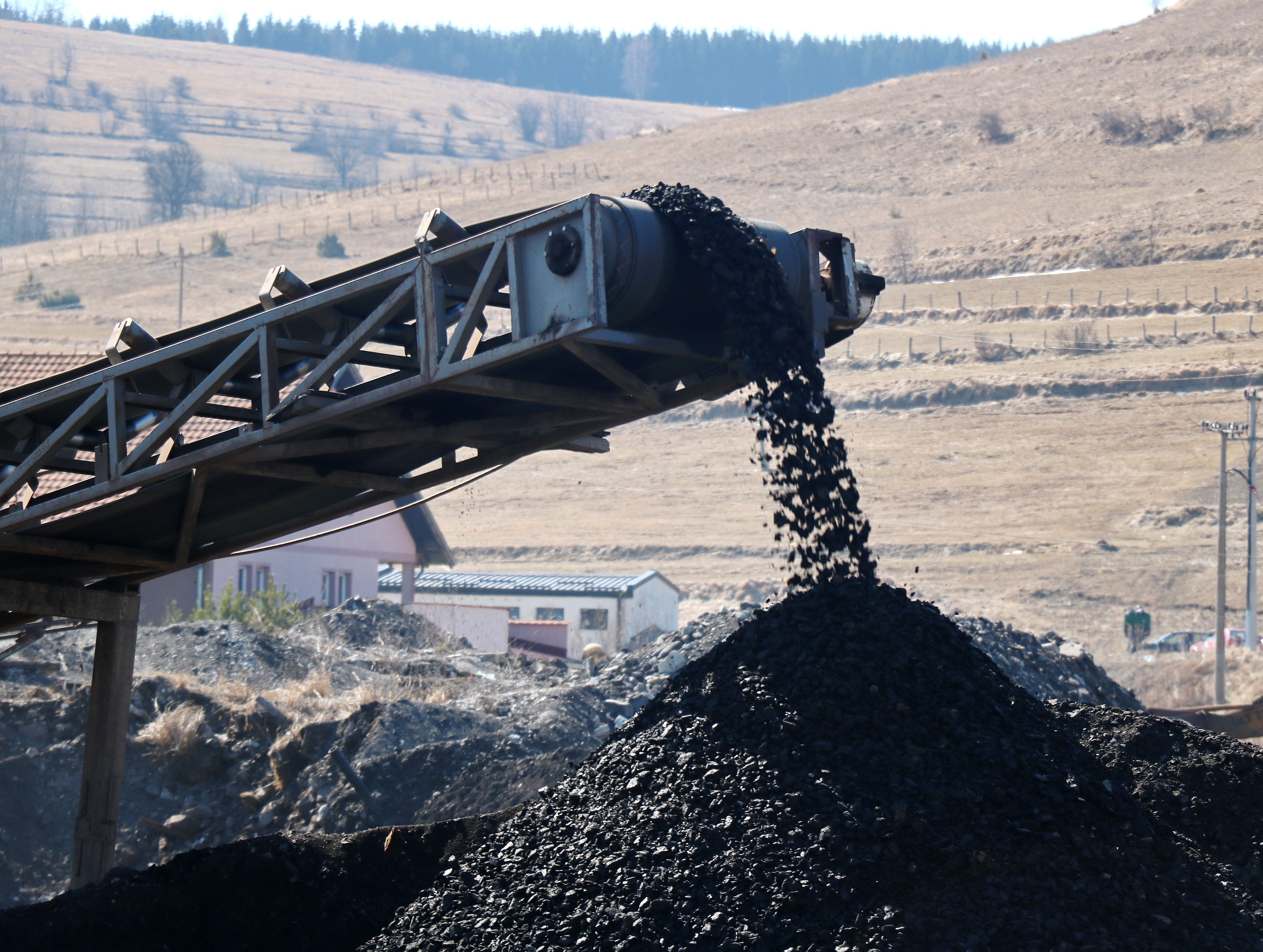
Coal Prices Surge to Highest Level Since November 2024

- Price Surge: Coal prices have surged to $150 per ton, a 9.3% increase, due to the effective shutdown of the Strait of Hormuz caused by the Middle East war, significantly impacting the global energy market's supply-demand balance.
- Shift to Alternatives: Analysts indicate that many countries may substitute coal for natural gas in power generation as soaring costs drive this trend, particularly in the Asian market where dependency on gas is high.
- Key Exporters: Indonesia and Australia account for 48% and 18% of global thermal coal exports, respectively, positioning these countries to benefit from increased coal demand in the current market environment.
- Market Dynamics: While the Strait of Hormuz does not significantly affect global coal trade, the growing reliance of Europe on Middle Eastern LNG could enhance coal's substitutability, potentially driving up stock prices for related companies like Glencore.
BTU Metals Closes Oversubscribed Financing
- Financing Size: BTU Metals Corp. has successfully closed an oversubscribed non-brokered private placement, raising $663,900 by issuing 11,065,000 units priced at $0.06 each, reflecting strong market interest in its projects.
- Use of Proceeds: The funds raised will be allocated to advance exploration programs across its Ontario project portfolio, including the Red Lake and Wawa projects, while also supporting general working capital to enhance the company's operational capabilities.
- Executive Participation: A senior officer subscribed for 170,000 units as part of the private placement, constituting a related party transaction, which indicates management's confidence in the company's prospects and relies on exemptions under MI 61-101 to avoid formal valuation.
- Market Response: The successful closure of this financing aligns with CEO Paul Wood's statement, emphasizing that the addition of new shareholders will provide financial support for BTU's exploration advancements in the Red Lake and Wawa projects.
Peabody Energy Shares Surge Amid Rising Coal Demand
- Rising Coal Demand: Peabody Energy's shares surged 7.8% as Asian countries are expected to increase reliance on coal generation due to disruptions in LNG supplies caused by the Iran war, indicating strong market optimism for coal demand.
- LNG Supply Crisis: A major LNG export facility in Qatar has been damaged, taking 17% of its LNG supplies offline, with repairs estimated to take three to five years, exacerbating global energy supply constraints.
- Coal Price Forecast: Analysts predict that thermal coal prices could rise by 46% if the conflict continues for months, which would directly boost Peabody's revenue and enhance its competitive position in the global market.
- Traditional Energy Resurgence: As the development of renewable energy faces challenges, traditional energy stocks are gaining renewed attention, with Peabody benefiting from the recovery in global energy demand, positioning itself as a crucial hedge in investment portfolios.
Asian Coal Demand Surge Drives Peabody Stock Rally
- Surge in Coal Demand: The LNG supply crunch is forcing Asian economies to increase coal usage, with analysts predicting a 46% rise in coal prices, which will directly enhance the performance of companies like Peabody Energy.
- Peabody Stock Rally: Peabody Energy's shares surged 7.8% on Tuesday, reflecting strong market expectations amid rising coal demand in Asia, indicating a renewed investor interest in traditional energy sources.
- Global Supply Chain Impact: Damage to a major LNG export facility in Qatar has taken 12.8 million tonnes off the market, which, while only 2.5% of global supply, significantly impacts Asian markets reliant on LNG from the Persian Gulf, further driving coal demand.
- Energy Market Dynamics: The war in Iran has disrupted energy supplies, leading to a resurgence in demand for traditional energy stocks as a hedge against geopolitical risks, benefiting companies like Peabody and highlighting a market shift back towards coal.
Surge in Options Trading Volume for MP Materials Corp
- Surge in Options Volume: MP Materials Corp (MP) saw an options trading volume of 36,926 contracts today, representing approximately 3.7 million shares, which is about 71.2% of its average daily trading volume of 5.2 million shares over the past month, indicating strong market interest.
- Notable Options Activity: The $42 strike put option expiring on May 15, 2026, has particularly high volume, with 4,009 contracts traded today, representing approximately 400,900 underlying shares, suggesting investor expectations of a potential price decline.
- Peabody Energy Options Update: In parallel, Peabody Energy Corp (BTU) has recorded an options trading volume of 19,108 contracts today, equivalent to about 1.9 million shares, which accounts for 68.5% of its average daily trading volume of 2.8 million shares over the past month, reflecting active trading.
- BTU Options Highlights: The $45 strike call option expiring on April 17, 2026, stands out with 3,356 contracts traded today, representing approximately 335,600 underlying shares, indicating a bullish sentiment among investors regarding the stock's future performance.
Trump Temporarily Waives U.S. Shipping Law to Stabilize Oil Market
- Shipping Law Waiver: President Trump announced a 60-day waiver of the Jones Act to stabilize the oil market amid the Iran war, allowing vital resources like oil and natural gas to flow freely to U.S. ports, thereby alleviating supply chain pressures.
- Market Reaction: Following the waiver announcement, Brent crude prices surged over 6% to exceed $109 per barrel, while U.S. oil prices rose 2.95% to $99.05 per barrel, indicating a positive market response to the stabilization of supply chains.
- Policy Background: The Jones Act, enacted in 1920, mandates that goods transported between U.S. ports must be carried by U.S. vessels; this waiver challenges the protectionist nature of the law, reflecting economists' criticisms that it hinders domestic trade.
- Supply Chain Commitment: The White House press secretary stated that the Trump administration is committed to strengthening critical supply chains, indicating a desire to ensure energy supply stability amid attacks on global energy infrastructure.
Coal Prices Surge to Highest Level Since November 2024
- Price Surge: Coal prices have surged to $150 per ton, a 9.3% increase, due to the effective shutdown of the Strait of Hormuz caused by the Middle East war, significantly impacting the global energy market's supply-demand balance.
- Shift to Alternatives: Analysts indicate that many countries may substitute coal for natural gas in power generation as soaring costs drive this trend, particularly in the Asian market where dependency on gas is high.
- Key Exporters: Indonesia and Australia account for 48% and 18% of global thermal coal exports, respectively, positioning these countries to benefit from increased coal demand in the current market environment.
- Market Dynamics: While the Strait of Hormuz does not significantly affect global coal trade, the growing reliance of Europe on Middle Eastern LNG could enhance coal's substitutability, potentially driving up stock prices for related companies like Glencore.