Why Indonesia's EV Ambitions Mean It Will Burn More Coal
Written by Emily J. Thompson, Senior Investment Analyst
Updated: Jun 06 2024
0mins
Should l Buy F?
Source: Benzinga
Indonesian Nickel Industry and President-Elect Prabowo Subianto:
- Prabowo Subianto is expected to continue developing Indonesia's nickel industry.
- There is uncertainty on how he will balance relations with China, the main investor, and attract Western investors concerned about environmental impact.
Electric-Vehicle Ambitions:
- Indonesia aims to become a hub for battery and electric vehicle production.
- Tax incentives are in place to boost domestic EV production and battery capacity by 2030.
- However, increased production may lead to more coal consumption, contradicting climate-friendly goals.
China's Dominance and Western Investments:
- China is the primary investor in Indonesia's nickel industry, but other countries are entering the market.
- Western companies with stricter standards could drive reforms in Indonesia, potentially increasing costs for Indonesian nickel products.
Environmental Concerns and Coal Usage:
- Indonesian nickel refining relies heavily on coal-fired power generation.
- Surging demand for nickel may lead to increased coal consumption in Indonesia.
Future Challenges and Reforms:
- Implementing emissions standards and carbon taxes could affect nickel production processes.
- North American and European companies may reject Indonesian nickel produced unsustainably.
Trade with 70% Backtested Accuracy
Stop guessing "Should I Buy F?" and start using high-conviction signals backed by rigorous historical data.
Sign up today to access powerful investing tools and make smarter, data-driven decisions.
Analyst Views on F
Wall Street analysts forecast F stock price to fall
14 Analyst Rating
3 Buy
10 Hold
1 Sell
Hold
Current: 13.850

Low
11.00
Averages
13.65
High
16.00
Current: 13.850
Low
11.00
Averages
13.65
High
16.00
About F
Ford Motor Company is an automobile company. The Company develops and delivers Ford trucks, sport utility vehicles, commercial vans and cars, and Lincoln luxury vehicles, along with connected services. The Company’s segments include Ford Blue, Ford Model e, Ford Pro, and Ford Credit. The Ford Blue segment primarily includes the sale of Ford and Lincoln internal combustion engine (ICE) and hybrid vehicles, service parts, accessories, and digital services for retail customers. The Ford Model e segment primarily includes the sale of its electric vehicles, service parts, accessories, and digital services for retail customers. The Ford Pro segment primarily includes the sale of Ford and Lincoln vehicles, service parts, accessories, and services for commercial, government, and rental customers. The Ford Credit segment consists of the Ford Credit business on a consolidated basis, which is primarily vehicle-related financing and leasing activities. Its vehicle brands are Ford and Lincoln.
About the author

Emily J. Thompson
Emily J. Thompson, a Chartered Financial Analyst (CFA) with 12 years in investment research, graduated with honors from the Wharton School. Specializing in industrial and technology stocks, she provides in-depth analysis for Intellectia’s earnings and market brief reports.

Ford Boosts Bonuses Amid Recall Challenges and Quality Improvements

- Bonus Increase: Ford announced a boost in companywide bonuses to 130%, primarily due to significant improvements in initial vehicle quality, as evidenced by repair needs in the first 90 days of ownership, with bonuses set at 84% in 2023 and 69% in 2024, indicating the company's commitment to quality management.
- Recall Situation: In 2025, Ford issued over 150 recalls in the U.S., making it the automaker with the most recalls, primarily addressing issues related to electrical systems and powertrains; however, executives noted that the company has significantly improved launch quality over the past two years.
- Future Outlook: Ford expects adjusted EBIT for 2026 to range between $8.0 billion and $10.0 billion, aligning with the analyst estimate of $9.07 billion, showcasing strong performance in its commercial vehicle and hybrid segments.
- Market Reaction: On Stocktwits, retail sentiment around Ford stock surged from 'bullish' to 'extremely bullish' in the past 24 hours, with message volume increasing from 'normal' to 'extremely high', reflecting investor confidence in Ford's future performance.
See More

Ford Plans to Launch Five New Models Under $40,000
- New Model Launch Plan: Ford plans to introduce five new models priced under $40,000 over the next four years, aiming to enhance market competitiveness and meet consumer demand for affordable vehicles.
- Electric Pickup Debut: CFO Sherry House announced that the first electric four-door pickup will launch in 2027, marking a significant step in the company's electrification strategy and expected to attract consumers interested in electric vehicles.
- Shared Production Platform: The new electric models will be built on the same mechanical platform as the upcoming pickup, a strategy that not only reduces production costs but also enhances efficiency, further solidifying Ford's market position.
- Positive Market Response: Ford's shares rose 0.2% in Wednesday trading and are up over 3.5% year-to-date, reflecting investor confidence in the company's future strategic direction, particularly in prioritizing affordable trucks and SUVs.
See More

Rivian's 2026 Electric Vehicle Market Outlook

- Production Capacity Growth: Rivian is projected to produce around 42,000 high-end electric trucks and delivery vehicles annually by 2026, demonstrating rapid growth in the EV manufacturing sector despite high costs and competitive pressures.
- R2 Model Launch: Rivian plans to introduce a mass-market electric truck called the R2, aimed at attracting a broader consumer base, although the limited number of high-end customers could significantly impact market share.
- Strong Financial Position: As of Q3 2025, Rivian has approximately $7 billion in cash and short-term investments, providing ample funding for the R2 launch and bolstering investor confidence in its future growth.
- Uncertain Sales Outlook: While the R2's launch could present profitability opportunities, the decision by Ford to halt electric F-150 production and shift focus to hybrid models, coupled with the end of government subsidies, raises concerns about the R2's sales potential, increasing investment risks.
See More
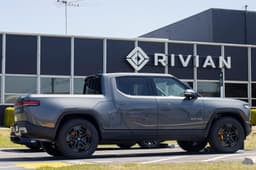
Rivian's R2 Electric Truck Market Outlook
- Strong Cash Reserves: As of Q3 2025, Rivian holds approximately $7 billion in cash and short-term investments, which should sufficiently support the market launch of the R2 electric truck, thereby enhancing the company's competitive position in the EV market.
- Production Capacity Growth: Rivian anticipates producing around 42,000 high-end electric trucks annually by 2026, demonstrating rapid growth in the EV manufacturing sector despite limitations in the high-end market.
- Market Challenges Ahead: Although the R2 is set to launch soon, weak EV sales due to the end of government subsidies may hinder its market performance, potentially impacting the company's profitability.
- Increased Investment Risk: Given that the sales results of the R2 will directly affect Rivian's sustainable profitability, investors may need to wait a few quarters to assess sales performance before considering investment, thereby mitigating potential financial risks.
See More
Global Electric Vehicle Sales Decline Significantly

- Global Sales Data: In January 2026, global electric vehicle sales reached 1.2 million units, reflecting a 3% year-over-year decline and a staggering 44% drop from December 2025, indicating a sharp decrease in market demand that could impact revenue expectations for related companies.
- Impact on China Market: As the world's largest EV market, China saw a 20% year-over-year sales drop and a 55% decline from December, primarily due to new purchase taxes and reduced incentives, leading to a more market-driven environment that adversely affected sales for companies like Tesla.
- North America Challenges: North American EV sales fell by 33% year-over-year, highlighting the negative impact of the expiration of federal EV tax credits on market dynamics, which may lower consumer purchasing willingness and hinder overall market growth.
- European Market Resilience: Despite challenges, Europe sold over 320,000 EVs in January 2026, marking a 24% increase year-over-year, demonstrating the region's ongoing efforts to boost sales to meet EU emissions targets, particularly with subsidies reintroduced in key markets like the UK, Germany, and France.
See More
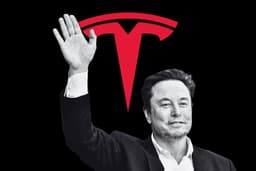
Trump Announces Major Environmental Policy Change Impacting EV Market

- Market Reaction: Following the Trump administration's revocation of the greenhouse gas endangerment finding, shares of pure-play EV manufacturers like Tesla (TSLA), Rivian (RIVN), and Lucid (LCID) fell by as much as 5%, while traditional automakers such as General Motors (GM), Ford (F), and Stellantis (STLA) saw their stocks rise, with STLA increasing by 4% at its peak.
- Economic Impact: The EPA stated that the new final rule will save Americans over $1.3 trillion, primarily by reducing the costs of new vehicles and EV equipment purchases, potentially stimulating growth in the traditional automotive market.
- Policy Background: Trump claimed that the revoked scientific finding lacked factual and legal basis, asserting that it “severely damaged the American auto industry” and criticized existing EV promotion laws as “mandates,” which could lead to significant price increases for consumers.
- Consumer Impact: The EPA alleged that the repeal of the finding would result in average cost savings of over $2,400 per vehicle, although this could negatively affect EV sales, especially after the federal tax credit of $7,500 was eliminated last year.
See More
Ford Boosts Bonuses Amid Recall Challenges and Quality Improvements
- Bonus Increase: Ford announced a boost in companywide bonuses to 130%, primarily due to significant improvements in initial vehicle quality, as evidenced by repair needs in the first 90 days of ownership, with bonuses set at 84% in 2023 and 69% in 2024, indicating the company's commitment to quality management.
- Recall Situation: In 2025, Ford issued over 150 recalls in the U.S., making it the automaker with the most recalls, primarily addressing issues related to electrical systems and powertrains; however, executives noted that the company has significantly improved launch quality over the past two years.
- Future Outlook: Ford expects adjusted EBIT for 2026 to range between $8.0 billion and $10.0 billion, aligning with the analyst estimate of $9.07 billion, showcasing strong performance in its commercial vehicle and hybrid segments.
- Market Reaction: On Stocktwits, retail sentiment around Ford stock surged from 'bullish' to 'extremely bullish' in the past 24 hours, with message volume increasing from 'normal' to 'extremely high', reflecting investor confidence in Ford's future performance.
See More
Ford Plans to Launch Five New Models Under $40,000
- New Model Launch Plan: Ford plans to introduce five new models priced under $40,000 over the next four years, aiming to enhance market competitiveness and meet consumer demand for affordable vehicles.
- Electric Pickup Debut: CFO Sherry House announced that the first electric four-door pickup will launch in 2027, marking a significant step in the company's electrification strategy and expected to attract consumers interested in electric vehicles.
- Shared Production Platform: The new electric models will be built on the same mechanical platform as the upcoming pickup, a strategy that not only reduces production costs but also enhances efficiency, further solidifying Ford's market position.
- Positive Market Response: Ford's shares rose 0.2% in Wednesday trading and are up over 3.5% year-to-date, reflecting investor confidence in the company's future strategic direction, particularly in prioritizing affordable trucks and SUVs.
See More
Rivian's 2026 Electric Vehicle Market Outlook
- Production Capacity Growth: Rivian is projected to produce around 42,000 high-end electric trucks and delivery vehicles annually by 2026, demonstrating rapid growth in the EV manufacturing sector despite high costs and competitive pressures.
- R2 Model Launch: Rivian plans to introduce a mass-market electric truck called the R2, aimed at attracting a broader consumer base, although the limited number of high-end customers could significantly impact market share.
- Strong Financial Position: As of Q3 2025, Rivian has approximately $7 billion in cash and short-term investments, providing ample funding for the R2 launch and bolstering investor confidence in its future growth.
- Uncertain Sales Outlook: While the R2's launch could present profitability opportunities, the decision by Ford to halt electric F-150 production and shift focus to hybrid models, coupled with the end of government subsidies, raises concerns about the R2's sales potential, increasing investment risks.
See More
Rivian's R2 Electric Truck Market Outlook
- Strong Cash Reserves: As of Q3 2025, Rivian holds approximately $7 billion in cash and short-term investments, which should sufficiently support the market launch of the R2 electric truck, thereby enhancing the company's competitive position in the EV market.
- Production Capacity Growth: Rivian anticipates producing around 42,000 high-end electric trucks annually by 2026, demonstrating rapid growth in the EV manufacturing sector despite limitations in the high-end market.
- Market Challenges Ahead: Although the R2 is set to launch soon, weak EV sales due to the end of government subsidies may hinder its market performance, potentially impacting the company's profitability.
- Increased Investment Risk: Given that the sales results of the R2 will directly affect Rivian's sustainable profitability, investors may need to wait a few quarters to assess sales performance before considering investment, thereby mitigating potential financial risks.
See More
Global Electric Vehicle Sales Decline Significantly
- Global Sales Data: In January 2026, global electric vehicle sales reached 1.2 million units, reflecting a 3% year-over-year decline and a staggering 44% drop from December 2025, indicating a sharp decrease in market demand that could impact revenue expectations for related companies.
- Impact on China Market: As the world's largest EV market, China saw a 20% year-over-year sales drop and a 55% decline from December, primarily due to new purchase taxes and reduced incentives, leading to a more market-driven environment that adversely affected sales for companies like Tesla.
- North America Challenges: North American EV sales fell by 33% year-over-year, highlighting the negative impact of the expiration of federal EV tax credits on market dynamics, which may lower consumer purchasing willingness and hinder overall market growth.
- European Market Resilience: Despite challenges, Europe sold over 320,000 EVs in January 2026, marking a 24% increase year-over-year, demonstrating the region's ongoing efforts to boost sales to meet EU emissions targets, particularly with subsidies reintroduced in key markets like the UK, Germany, and France.
See More
Trump Announces Major Environmental Policy Change Impacting EV Market
- Market Reaction: Following the Trump administration's revocation of the greenhouse gas endangerment finding, shares of pure-play EV manufacturers like Tesla (TSLA), Rivian (RIVN), and Lucid (LCID) fell by as much as 5%, while traditional automakers such as General Motors (GM), Ford (F), and Stellantis (STLA) saw their stocks rise, with STLA increasing by 4% at its peak.
- Economic Impact: The EPA stated that the new final rule will save Americans over $1.3 trillion, primarily by reducing the costs of new vehicles and EV equipment purchases, potentially stimulating growth in the traditional automotive market.
- Policy Background: Trump claimed that the revoked scientific finding lacked factual and legal basis, asserting that it “severely damaged the American auto industry” and criticized existing EV promotion laws as “mandates,” which could lead to significant price increases for consumers.
- Consumer Impact: The EPA alleged that the repeal of the finding would result in average cost savings of over $2,400 per vehicle, although this could negatively affect EV sales, especially after the federal tax credit of $7,500 was eliminated last year.
See More