Wall Street Behemoths BNY Mellon & Accenture Join Forces to Revolutionize Financial Services Through Data Innovation


- Collaboration between BNY Mellon and Accenture: They are working together to modernize financial services, focusing on data management and analytics product development.
- Technological leverage: The companies will use advanced technologies to unlock data potential at high speeds for client growth.
- Innovative offerings: By combining Accenture's expertise in data and AI with BNY Mellon's financial data services, they aim to accelerate innovative solutions in private markets and wealth management tech.
- Stock performance: ACN stock has gained 12% in the past year, while BK stock has gained over 20%. Investors can access these stocks through various ETFs.
- Client experience enhancement: The collaboration aims to create exceptional client experiences by utilizing their capabilities and platforms effectively.
Trade with 70% Backtested Accuracy
Analyst Views on KBWB
About the author


Zions Bancorp Shares Surge in After-Hours Trading – Find Out Why


Acquisition Announcement: Zions Bancorporation has entered into a definitive agreement to acquire the agency lending business of Basis Multifamily Finance, LLC, which will enhance its capabilities in agency lending programs.
Regulatory Approvals: The acquisition is subject to customary closing conditions and third-party approvals, including those from Fannie Mae and Freddie Mac.
Market Reaction: Shares of Zions Bancorporation rose by 3% during extended trading hours following the announcement of the acquisition.
Strategic Growth: The deal is expected to expand Zions' product offerings and strengthen its position in the commercial real estate financing market, benefiting both companies and their stakeholders.

Reasons Finance ETFs May Continue to Outperform the Overall Market in 2026


Bank Performance: America's largest banks, including JPMorgan Chase, Bank of America, and Wells Fargo, are projected to achieve historic stock prices and strong balance sheets by the end of 2025, with the KBW Bank Index up 30% year-to-date, outperforming the S&P 500 Index.
ETF Growth: Bank-focused ETFs, such as the Financial Select Sector SPDR ETF and Invesco KBW Bank ETF, have seen significant gains between 14% and 30% this year, driven by earnings growth and increased deal-making rather than just interest rate changes.
Capital Markets Activity: Global investment banking volumes are expected to rise by 10% year-over-year, with major banks forecasting record trading revenues and net income in 2025, despite earlier market fluctuations and IPO delays.
Deregulation Impact: Deregulatory policies are allowing American banks to deploy $180 billion-$200 billion in excess capital, which will be used for stock repurchases, technology investments, and mergers, signaling a shift in investment strategies for bank ETFs towards growth and capital allocation.

Could 2026 Be a Landmark Year for Banks? Spotlight on ETFs

Positive Outlook for Banking Sector: The banking sector is expected to thrive in 2026 due to favorable interest rates, improving credit demand, and a supportive macro environment, with significant gains already seen in bank ETFs.
Strong Financial Performance: Major banks like JPMorgan, Wells Fargo, and Goldman Sachs reported over 25% growth in earnings, with a majority exceeding EPS and revenue estimates, indicating robust financial health.
Market Dynamics Favoring Banks: The current market volatility is beneficial for banks' trading desks, as profits are driven by trading volume rather than market direction, enhancing their revenue potential.
Optimistic Future Projections: With stable consumer spending, declining delinquencies, and a favorable regulatory environment, financial ETFs are expected to perform well, reflecting a positive sentiment in the financial markets.

Significant ETF Withdrawals Observed - KBWB, BK, STT, USB


KBWB Share Price Analysis: KBWB's share price is currently at $81.88, with a 52-week low of $51.125 and a high of $82.0045, indicating a strong performance near its high point.
Understanding ETFs: Exchange-traded funds (ETFs) function like stocks, where investors buy and sell "units" that can be created or destroyed based on demand, impacting the underlying assets.
Monitoring ETF Flows: Weekly monitoring of shares outstanding helps identify ETFs with significant inflows (new units created) or outflows (units destroyed), which can affect the individual components within those ETFs.
Author's Perspective: The views expressed in the article are solely those of the author and do not necessarily represent the opinions of Nasdaq, Inc.

Significant Withdrawals Observed in KBWB, MS, BK, STT ETFs

KBWB Share Price Analysis: KBWB's share price is currently at $77.39, with a 52-week low of $51.125 and a high of $80.08, indicating a strong performance within its trading range.
Understanding ETFs: Exchange-traded funds (ETFs) function like stocks, where investors buy and sell "units" that can be created or destroyed based on demand, impacting the underlying assets.
Monitoring ETF Flows: Weekly monitoring of shares outstanding helps identify ETFs with significant inflows (new units created) or outflows (units destroyed), which can affect the individual components of the ETFs.
Disclaimer on Views: The opinions expressed in the article are those of the author and do not necessarily represent the views of Nasdaq, Inc.
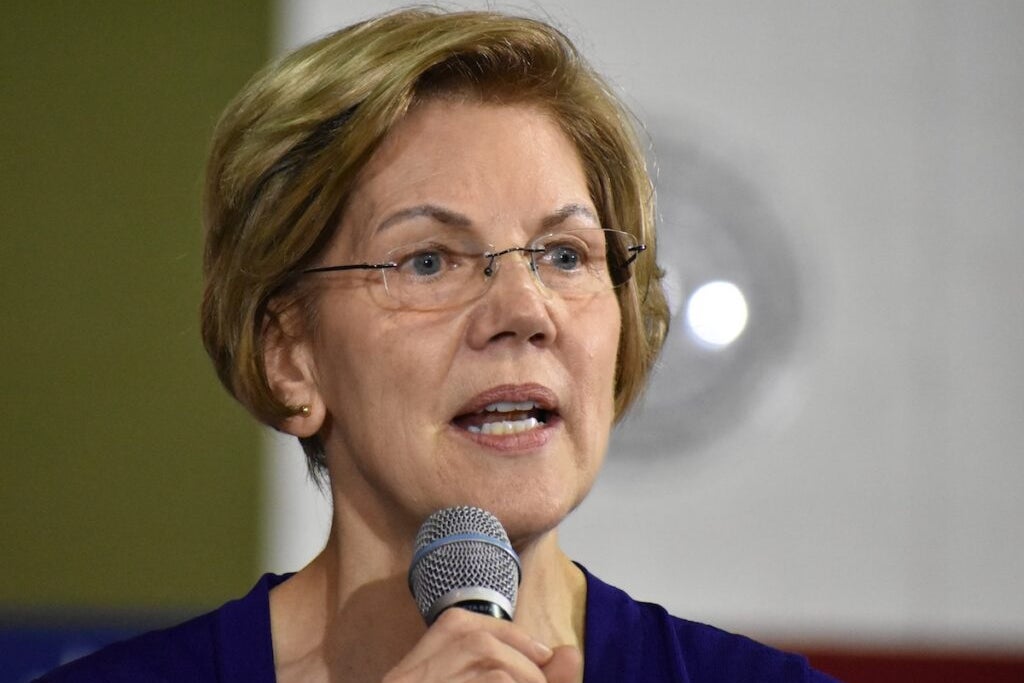
Elizabeth Warren Criticizes Trump for Forcing Financial Cop CPFB to Take 'Humility Pledge': Claims President Prioritizes Wall Street

Warren's Criticism of Trump and Vought: Senator Elizabeth Warren criticized President Trump and OMB Director Russ Vought for undermining the Consumer Financial Protection Bureau (CFPB) to favor Wall Street, accusing them of sidelining consumer protection efforts.
Changes to CFPB Examination Process: The CFPB, under Vought's direction, introduced a "Humility Pledge" for examiners, which Warren framed as an attempt to appease big banks, while the agency's staff has faced significant layoffs amid the administration's push to reduce government oversight.
Warren's Defense of CFPB: Warren, a key figure in the CFPB's establishment, has been vocal about the agency's importance in returning $21 billion to consumers and has accused the Trump administration of trying to weaken it following a court ruling on its funding.
Support from Financial and Crypto Leaders: The changes have been welcomed by financial ETFs and crypto leaders, with some praising the decision as a necessary step against what they view as the CFPB's overreach in regulating financial practices.
Zions Bancorp Shares Surge in After-Hours Trading – Find Out Why
Acquisition Announcement: Zions Bancorporation has entered into a definitive agreement to acquire the agency lending business of Basis Multifamily Finance, LLC, which will enhance its capabilities in agency lending programs.
Regulatory Approvals: The acquisition is subject to customary closing conditions and third-party approvals, including those from Fannie Mae and Freddie Mac.
Market Reaction: Shares of Zions Bancorporation rose by 3% during extended trading hours following the announcement of the acquisition.
Strategic Growth: The deal is expected to expand Zions' product offerings and strengthen its position in the commercial real estate financing market, benefiting both companies and their stakeholders.
Reasons Finance ETFs May Continue to Outperform the Overall Market in 2026
Bank Performance: America's largest banks, including JPMorgan Chase, Bank of America, and Wells Fargo, are projected to achieve historic stock prices and strong balance sheets by the end of 2025, with the KBW Bank Index up 30% year-to-date, outperforming the S&P 500 Index.
ETF Growth: Bank-focused ETFs, such as the Financial Select Sector SPDR ETF and Invesco KBW Bank ETF, have seen significant gains between 14% and 30% this year, driven by earnings growth and increased deal-making rather than just interest rate changes.
Capital Markets Activity: Global investment banking volumes are expected to rise by 10% year-over-year, with major banks forecasting record trading revenues and net income in 2025, despite earlier market fluctuations and IPO delays.
Deregulation Impact: Deregulatory policies are allowing American banks to deploy $180 billion-$200 billion in excess capital, which will be used for stock repurchases, technology investments, and mergers, signaling a shift in investment strategies for bank ETFs towards growth and capital allocation.
Could 2026 Be a Landmark Year for Banks? Spotlight on ETFs
Positive Outlook for Banking Sector: The banking sector is expected to thrive in 2026 due to favorable interest rates, improving credit demand, and a supportive macro environment, with significant gains already seen in bank ETFs.
Strong Financial Performance: Major banks like JPMorgan, Wells Fargo, and Goldman Sachs reported over 25% growth in earnings, with a majority exceeding EPS and revenue estimates, indicating robust financial health.
Market Dynamics Favoring Banks: The current market volatility is beneficial for banks' trading desks, as profits are driven by trading volume rather than market direction, enhancing their revenue potential.
Optimistic Future Projections: With stable consumer spending, declining delinquencies, and a favorable regulatory environment, financial ETFs are expected to perform well, reflecting a positive sentiment in the financial markets.
Significant ETF Withdrawals Observed - KBWB, BK, STT, USB
KBWB Share Price Analysis: KBWB's share price is currently at $81.88, with a 52-week low of $51.125 and a high of $82.0045, indicating a strong performance near its high point.
Understanding ETFs: Exchange-traded funds (ETFs) function like stocks, where investors buy and sell "units" that can be created or destroyed based on demand, impacting the underlying assets.
Monitoring ETF Flows: Weekly monitoring of shares outstanding helps identify ETFs with significant inflows (new units created) or outflows (units destroyed), which can affect the individual components within those ETFs.
Author's Perspective: The views expressed in the article are solely those of the author and do not necessarily represent the opinions of Nasdaq, Inc.
Significant Withdrawals Observed in KBWB, MS, BK, STT ETFs
KBWB Share Price Analysis: KBWB's share price is currently at $77.39, with a 52-week low of $51.125 and a high of $80.08, indicating a strong performance within its trading range.
Understanding ETFs: Exchange-traded funds (ETFs) function like stocks, where investors buy and sell "units" that can be created or destroyed based on demand, impacting the underlying assets.
Monitoring ETF Flows: Weekly monitoring of shares outstanding helps identify ETFs with significant inflows (new units created) or outflows (units destroyed), which can affect the individual components of the ETFs.
Disclaimer on Views: The opinions expressed in the article are those of the author and do not necessarily represent the views of Nasdaq, Inc.
Elizabeth Warren Criticizes Trump for Forcing Financial Cop CPFB to Take 'Humility Pledge': Claims President Prioritizes Wall Street
Warren's Criticism of Trump and Vought: Senator Elizabeth Warren criticized President Trump and OMB Director Russ Vought for undermining the Consumer Financial Protection Bureau (CFPB) to favor Wall Street, accusing them of sidelining consumer protection efforts.
Changes to CFPB Examination Process: The CFPB, under Vought's direction, introduced a "Humility Pledge" for examiners, which Warren framed as an attempt to appease big banks, while the agency's staff has faced significant layoffs amid the administration's push to reduce government oversight.
Warren's Defense of CFPB: Warren, a key figure in the CFPB's establishment, has been vocal about the agency's importance in returning $21 billion to consumers and has accused the Trump administration of trying to weaken it following a court ruling on its funding.
Support from Financial and Crypto Leaders: The changes have been welcomed by financial ETFs and crypto leaders, with some praising the decision as a necessary step against what they view as the CFPB's overreach in regulating financial practices.