Virgin Galactic Restructures Debt to Avoid Bankruptcy Risk
Written by Emily J. Thompson, Senior Investment Analyst
Updated: Jan 04 2026
0mins
Should l Buy SPCE?
Source: NASDAQ.COM
- Debt Restructuring Plan: Virgin Galactic plans to raise $46 million by selling approximately 12.1 million shares and roll over $203 million in new debt, pushing the due date to 2028, although this does not fully resolve cash flow issues.
- Rising Interest Costs: The new debt will carry a 9.8% interest rate compared to the previous 2.5%, increasing Virgin Galactic's annual interest expenses, which will further weaken profitability in 2026.
- Bleak Profit Outlook: Analysts expect Virgin Galactic to lose nearly $240 million in 2026, and even in 2027, the likelihood of profitability remains extremely low given current ticket prices and operating costs.
- Ticket Price Increase Strategy: Virgin Galactic plans to raise future space tourism ticket prices to $600,000, up from previous prices of $200,000 to $450,000, aiming to offset profitability issues, but this may lead to customer attrition.
Trade with 70% Backtested Accuracy
Stop guessing "Should I Buy SPCE?" and start using high-conviction signals backed by rigorous historical data.
Sign up today to access powerful investing tools and make smarter, data-driven decisions.
Analyst Views on SPCE
Wall Street analysts forecast SPCE stock price to rise
4 Analyst Rating
1 Buy
2 Hold
1 Sell
Hold
Current: 2.400

Low
2.30
Averages
3.43
High
4.50
Current: 2.400
Low
2.30
Averages
3.43
High
4.50
About SPCE
Virgin Galactic Holdings, Inc. is an aerospace and space travel company, which offers access to space for private individuals, researchers, and government agencies. The Company’s operations include design and development, manufacturing, ground and flight testing, and post-flight maintenance of its spaceflight system vehicles. The Company has developed a portfolio of proprietary technologies that are embodied in the specialized vehicles that it has created to enable commercial spaceflight. These technologies underpin its carrier aircraft, the mothership; its spaceships; its hybrid rocket motor; and its safety systems. Its Carrier Aircraft-The mothership is a twin-fuselage, custom-built aircraft designed to carry spaceships up to an altitude of approximately 45,000 feet, where the spaceship is released for its flight into space. Its Virgin Galactic spaceships are reusable with the capacity to carry pilots and private astronauts, research experiments and researchers.
About the author

Emily J. Thompson
Emily J. Thompson, a Chartered Financial Analyst (CFA) with 12 years in investment research, graduated with honors from the Wharton School. Specializing in industrial and technology stocks, she provides in-depth analysis for Intellectia’s earnings and market brief reports.

Virgin Galactic Stock Soars 17.3% Amid Promising Future Outlook

- Financial Overview: Despite reporting a quarterly loss of $0.98 per share and an annual loss of $5.44, Virgin Galactic's stock surged 17.3%, indicating market optimism about its future prospects.
- Revenue and Cash Flow Status: The company generated only $0.3 million in revenue for the quarter and $1.5 million for the entire year of 2025, with a deeply negative free cash flow of $94.6 million in Q4, highlighting its challenging financial situation.
- Future Flight Plans: Virgin Galactic's new 'SpaceShip' is set to begin ground tests in April, with flight tests expected in Q3, and management aims to commence commercial flights in Q4 at a ticket price of $750,000, reflecting confidence in market demand.
- Market Reaction and Strategic Implications: The stock rebound, despite significant losses, suggests investor optimism regarding Virgin Galactic's future, particularly with the upcoming spacecraft launch and increased ticket prices, which may attract more high-end customers.
See More
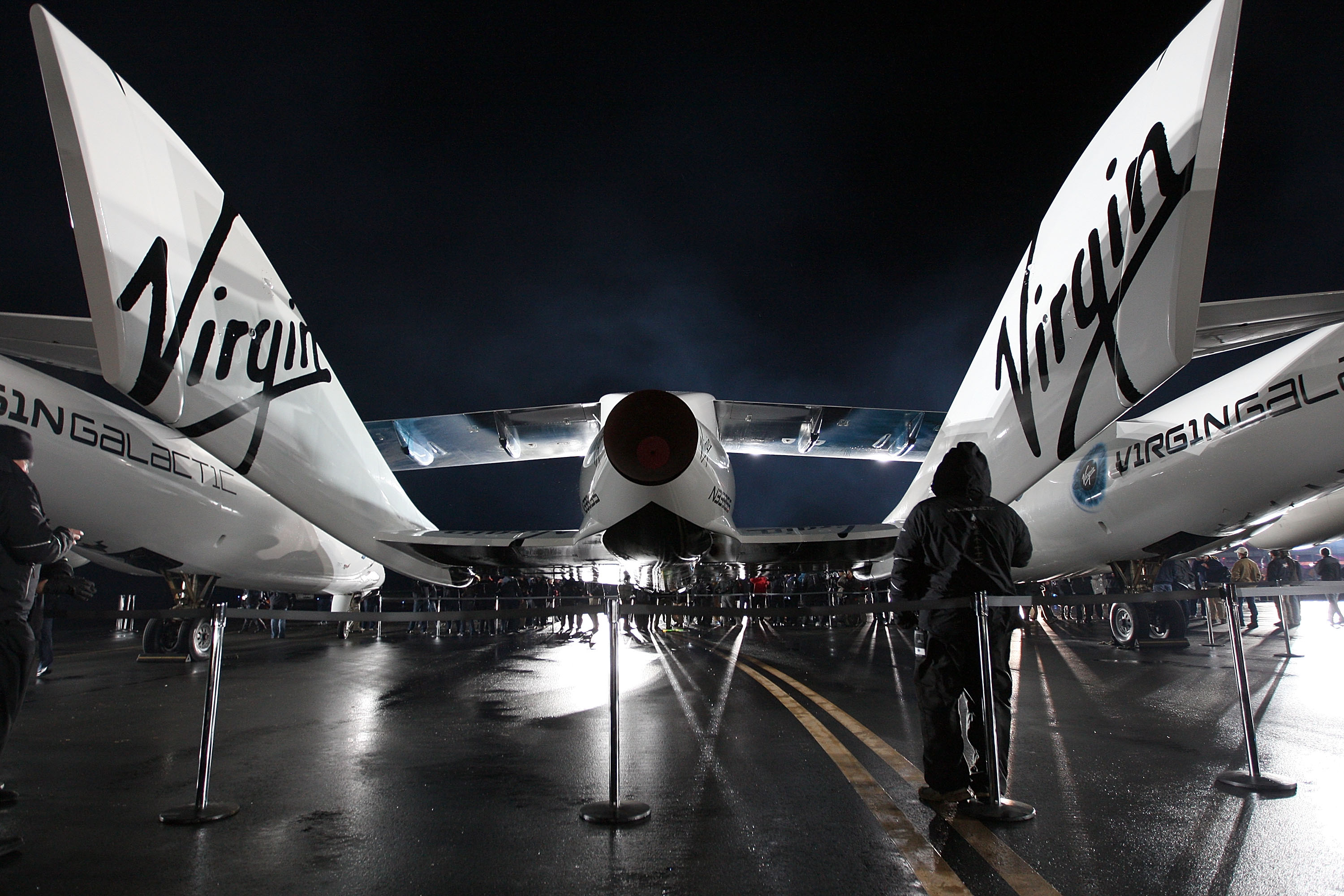
Virgin Galactic Resumes Limited Sales of Commercial Space Flights
- Sales Resumption: Virgin Galactic has resumed limited sales of its commercial space flights after a two-year hiatus, with tickets priced at $750,000, approximately $100,000 higher than previous offerings, indicating significant progress towards restarting tourism operations.
- Spacecraft Development: CEO Michael Colglazier stated that assembly of the first SpaceShip is nearly complete, with ground testing set to begin in April 2026, which is crucial for advancing the company's space tourism business.
- Financial Performance: The company reported a fourth-quarter loss of $0.98 per share, with revenue declining 27.9% year-over-year to about $312,000; however, the net loss narrowed from $76 million in Q4 2024 to $63 million, primarily due to reduced operating expenses.
- Cash Flow Outlook: As of December 31, 2025, Virgin Galactic's cash and cash equivalents stood at $338 million, down 19% year-over-year, and the company expects to burn approximately $90 million in the first quarter of 2026, but free cash flow is anticipated to improve sequentially throughout the year.
See More

Stock Futures Edge Up as Trump Considers Ending Iran War

- Virgin Galactic Surge: Despite a nearly 28% year-over-year revenue decline in Q4, Virgin Galactic (SPCE) shares rose 9%, with adjusted EBITDA improving from a loss of $63 million last year to a loss of $49 million, and the company anticipates sequential free cash flow improvement through the remainder of 2026.
- McCormick Merger Prospects: McCormick (MKC) shares gained 4% as Unilever (UL) moved closer to merging its global foods division with McCormick, featuring an upfront cash component of approximately $15.7 billion and primarily equity consideration, which is expected to broaden McCormick's product portfolio.
- PepGen Stock Plunge: PepGen (PEPG) shares fell 45% after the biotech released Phase 2 data for PGN-EDODM1 in myotonic dystrophy type 1, showing limited efficacy signals at the 5 mg/kg dose, raising investor concerns despite a favorable safety profile.
- Service Properties Trust Decline: Service Properties Trust (SVC) shares dropped 15% following the announcement of a $500 million underwritten public offering of common stock, with proceeds aimed at redeeming up to $550 million in senior notes due in 2027, and underwriters having a 30-day option to purchase an additional 15% of shares.
See More

Virgin Galactic Q4 2025 Earnings Call Insights
- Spacecraft Assembly Progress: CEO Michael Colglazier announced the completion of structural assembly for all three major components of the new spaceship, with the 'weight on wheels milestone' expected in the coming weeks, laying the groundwork for ground tests in April and flight tests in Q3, marking a significant step towards the first commercial spaceflight in Q4 2026.
- Financial Performance Improvement: CFO Douglas Ahrens reported Q4 2025 revenue of $300,000, operating expenses of $61 million, and a net loss of $63 million, reflecting an 18% improvement from the previous year, indicating significant progress in cost control and operational efficiency.
- New Chief Growth Officer: The company appointed Megan Prichard as Chief Growth Officer, tasked with scaling operations at Spaceport America, establishing new revenue streams, and accelerating the development of new spaceports, which will strategically position the company in the future commercial space market.
- Future Outlook: Colglazier indicated that commercial spaceflights are expected to commence at approximately 4 flights per month, ramping up to over 10 flights per month by Q2 2027, a growth plan that is anticipated to generate substantial revenue and drive the company's transition towards profitability.
See More
Virgin Galactic Releases Tickets for $750,000 Spaceflights Amid Revenue Decline
- Ticket Sales Launch: Virgin Galactic has announced the release of tickets priced at $750,000 each for its spaceflights, marking a significant step towards resuming its space tourism operations and potentially driving future revenue growth from high-end clientele.
- Second Spaceship Development: CEO Michael Colglazier indicated that the company is pivoting its fabrication efforts to support the testing and production of its second spaceship, expected to be operational between late Q4 2026 and early Q1 2027, thereby enhancing its competitive position in the space tourism market.
- Q4 Earnings Snapshot: The company reported a 25% decline in Q4 revenue at $312,000, falling short of Wall Street's expectations of $412,500, although it posted a loss per share of $0.98, which was better than the anticipated $1.07 loss, indicating some operational resilience.
- Positive Stock Market Reaction: Despite the revenue miss, Virgin Galactic's stock surged over 9% in after-hours trading, reflecting a shift in investor sentiment towards 'extremely bullish' as retail interest in SPCE shares increased, suggesting optimism about the company's future growth prospects.
See More
Virgin Galactic Reports EPS Beat but Revenue Misses Expectations
- Earnings Performance: Virgin Galactic reported a GAAP EPS of -$0.98, beating expectations by $0.07, indicating improvements in cost management, yet still reflecting challenges in achieving profitability amid commercialization hurdles.
- Revenue Situation: The company’s revenue of $310,000 fell short of the $410,000 market expectation, suggesting delays in its commercialization timeline, which could impact future liquidity and investor confidence.
- Cash Flow Outlook: With the postponement of its commercialization schedule, Virgin Galactic's cash runway may not sufficiently support its operations, prompting investors to closely monitor subsequent financing plans and strategic adjustments.
- Market Reaction: Despite the EPS beat, the revenue miss may raise concerns about the company's future growth potential, potentially affecting stock performance and investor sentiment.
See More
Virgin Galactic Stock Soars 17.3% Amid Promising Future Outlook
- Financial Overview: Despite reporting a quarterly loss of $0.98 per share and an annual loss of $5.44, Virgin Galactic's stock surged 17.3%, indicating market optimism about its future prospects.
- Revenue and Cash Flow Status: The company generated only $0.3 million in revenue for the quarter and $1.5 million for the entire year of 2025, with a deeply negative free cash flow of $94.6 million in Q4, highlighting its challenging financial situation.
- Future Flight Plans: Virgin Galactic's new 'SpaceShip' is set to begin ground tests in April, with flight tests expected in Q3, and management aims to commence commercial flights in Q4 at a ticket price of $750,000, reflecting confidence in market demand.
- Market Reaction and Strategic Implications: The stock rebound, despite significant losses, suggests investor optimism regarding Virgin Galactic's future, particularly with the upcoming spacecraft launch and increased ticket prices, which may attract more high-end customers.
See More
Virgin Galactic Resumes Limited Sales of Commercial Space Flights
- Sales Resumption: Virgin Galactic has resumed limited sales of its commercial space flights after a two-year hiatus, with tickets priced at $750,000, approximately $100,000 higher than previous offerings, indicating significant progress towards restarting tourism operations.
- Spacecraft Development: CEO Michael Colglazier stated that assembly of the first SpaceShip is nearly complete, with ground testing set to begin in April 2026, which is crucial for advancing the company's space tourism business.
- Financial Performance: The company reported a fourth-quarter loss of $0.98 per share, with revenue declining 27.9% year-over-year to about $312,000; however, the net loss narrowed from $76 million in Q4 2024 to $63 million, primarily due to reduced operating expenses.
- Cash Flow Outlook: As of December 31, 2025, Virgin Galactic's cash and cash equivalents stood at $338 million, down 19% year-over-year, and the company expects to burn approximately $90 million in the first quarter of 2026, but free cash flow is anticipated to improve sequentially throughout the year.
See More
Stock Futures Edge Up as Trump Considers Ending Iran War
- Virgin Galactic Surge: Despite a nearly 28% year-over-year revenue decline in Q4, Virgin Galactic (SPCE) shares rose 9%, with adjusted EBITDA improving from a loss of $63 million last year to a loss of $49 million, and the company anticipates sequential free cash flow improvement through the remainder of 2026.
- McCormick Merger Prospects: McCormick (MKC) shares gained 4% as Unilever (UL) moved closer to merging its global foods division with McCormick, featuring an upfront cash component of approximately $15.7 billion and primarily equity consideration, which is expected to broaden McCormick's product portfolio.
- PepGen Stock Plunge: PepGen (PEPG) shares fell 45% after the biotech released Phase 2 data for PGN-EDODM1 in myotonic dystrophy type 1, showing limited efficacy signals at the 5 mg/kg dose, raising investor concerns despite a favorable safety profile.
- Service Properties Trust Decline: Service Properties Trust (SVC) shares dropped 15% following the announcement of a $500 million underwritten public offering of common stock, with proceeds aimed at redeeming up to $550 million in senior notes due in 2027, and underwriters having a 30-day option to purchase an additional 15% of shares.
See More
Virgin Galactic Q4 2025 Earnings Call Insights
- Spacecraft Assembly Progress: CEO Michael Colglazier announced the completion of structural assembly for all three major components of the new spaceship, with the 'weight on wheels milestone' expected in the coming weeks, laying the groundwork for ground tests in April and flight tests in Q3, marking a significant step towards the first commercial spaceflight in Q4 2026.
- Financial Performance Improvement: CFO Douglas Ahrens reported Q4 2025 revenue of $300,000, operating expenses of $61 million, and a net loss of $63 million, reflecting an 18% improvement from the previous year, indicating significant progress in cost control and operational efficiency.
- New Chief Growth Officer: The company appointed Megan Prichard as Chief Growth Officer, tasked with scaling operations at Spaceport America, establishing new revenue streams, and accelerating the development of new spaceports, which will strategically position the company in the future commercial space market.
- Future Outlook: Colglazier indicated that commercial spaceflights are expected to commence at approximately 4 flights per month, ramping up to over 10 flights per month by Q2 2027, a growth plan that is anticipated to generate substantial revenue and drive the company's transition towards profitability.
See More
Virgin Galactic Releases Tickets for $750,000 Spaceflights Amid Revenue Decline
- Ticket Sales Launch: Virgin Galactic has announced the release of tickets priced at $750,000 each for its spaceflights, marking a significant step towards resuming its space tourism operations and potentially driving future revenue growth from high-end clientele.
- Second Spaceship Development: CEO Michael Colglazier indicated that the company is pivoting its fabrication efforts to support the testing and production of its second spaceship, expected to be operational between late Q4 2026 and early Q1 2027, thereby enhancing its competitive position in the space tourism market.
- Q4 Earnings Snapshot: The company reported a 25% decline in Q4 revenue at $312,000, falling short of Wall Street's expectations of $412,500, although it posted a loss per share of $0.98, which was better than the anticipated $1.07 loss, indicating some operational resilience.
- Positive Stock Market Reaction: Despite the revenue miss, Virgin Galactic's stock surged over 9% in after-hours trading, reflecting a shift in investor sentiment towards 'extremely bullish' as retail interest in SPCE shares increased, suggesting optimism about the company's future growth prospects.
See More
Virgin Galactic Reports EPS Beat but Revenue Misses Expectations
- Earnings Performance: Virgin Galactic reported a GAAP EPS of -$0.98, beating expectations by $0.07, indicating improvements in cost management, yet still reflecting challenges in achieving profitability amid commercialization hurdles.
- Revenue Situation: The company’s revenue of $310,000 fell short of the $410,000 market expectation, suggesting delays in its commercialization timeline, which could impact future liquidity and investor confidence.
- Cash Flow Outlook: With the postponement of its commercialization schedule, Virgin Galactic's cash runway may not sufficiently support its operations, prompting investors to closely monitor subsequent financing plans and strategic adjustments.
- Market Reaction: Despite the EPS beat, the revenue miss may raise concerns about the company's future growth potential, potentially affecting stock performance and investor sentiment.
See More