Verizon Faces Debt Crisis, Dividend at Risk
Written by Emily J. Thompson, Senior Investment Analyst
Updated: Apr 30 2026
0mins
Source: Fool
- Rising Debt Burden: Verizon's total debt has surged to $172 billion, up from $158 billion at the end of last year and $144 billion a year ago, significantly exceeding its total equity of $105 billion, indicating increasing financial strain on the company.
- Acquisition Impact: The recent debt increase primarily stems from the $20 billion acquisition of Frontier Communications, and the $53 billion spent on C-band spectrum in 2021, which, while enhancing network quality, has further exacerbated the debt load.
- Ongoing Capital Expenditures: Verizon plans to allocate $16 billion to $16.5 billion in capital expenditures this year, only slightly down from $17 billion last year, which continues to pressure cash flow, as evidenced by a first-quarter free cash flow of $3.8 billion that barely covers $2.9 billion in dividend payments.
- Dividend Risk Escalation: With rising debt and interest expenses, Verizon may face the necessity to cut or suspend its dividend, akin to AT&T's situation in 2022, potentially prompting income investors to sell their shares, leading to short-term stock price declines.
Trade with 70% Backtested Accuracy
Stop guessing "Should I Buy VZ?" and start using high-conviction signals backed by rigorous historical data.
Sign up today to access powerful investing tools and make smarter, data-driven decisions.
Analyst Views on VZ
Wall Street analysts forecast VZ stock price to fall
14 Analyst Rating
4 Buy
10 Hold
0 Sell
Moderate Buy
Current: 47.870

Low
43.00
Averages
46.42
High
51.00
Current: 47.870
Low
43.00
Averages
46.42
High
51.00
About VZ
Verizon Communications Inc. is a holding company. The Company, through its subsidiaries, provides communications, technology, information and streaming products and services to consumers, businesses and government entities. Its Consumer segment provides wireless and wireline communications services. It also provides fixed wireless access (FWA) broadband through its 5G or 4G Long-Term Evolution (LTE) networks portfolio. The Company's Business segment provides wireless and wireline communications services and products, including FWA broadband, data, video and advanced communication services, corporate networking solutions, security and managed network services, local and long-distance voice services and network access to deliver various Internet of Things (IoT) services and products. It provides these products and services to businesses, public sector customers and wireless and wireline carriers across the U.S. and a subset of these products and services to customers around the world.
About the author

Emily J. Thompson
Emily J. Thompson, a Chartered Financial Analyst (CFA) with 12 years in investment research, graduated with honors from the Wharton School. Specializing in industrial and technology stocks, she provides in-depth analysis for Intellectia’s earnings and market brief reports.

Verizon Announces Debt Securities Tender Offers

- Tender Offer Details: Verizon has announced cash tender offers for up to 20 separate debt securities, with an expected total purchase price sufficient to acquire all validly tendered debt securities, indicating the company's focus on optimizing its capital structure.
- Participation Deadline: The deadline for participation in the Any and All Notes is set for June 16, 2026, demonstrating the company's proactive measures in debt management to reduce financing costs.
- Tendered Amounts: As of June 1, 2026, the total amount of debt securities validly tendered reached hundreds of millions, reflecting market confidence in Verizon's debt and active investor participation.
- Underwriter Lineup: Verizon has retained Goldman Sachs, J.P. Morgan, Morgan Stanley, and Wells Fargo as lead underwriters, showcasing the company's professionalism and influence in capital market operations.
See More
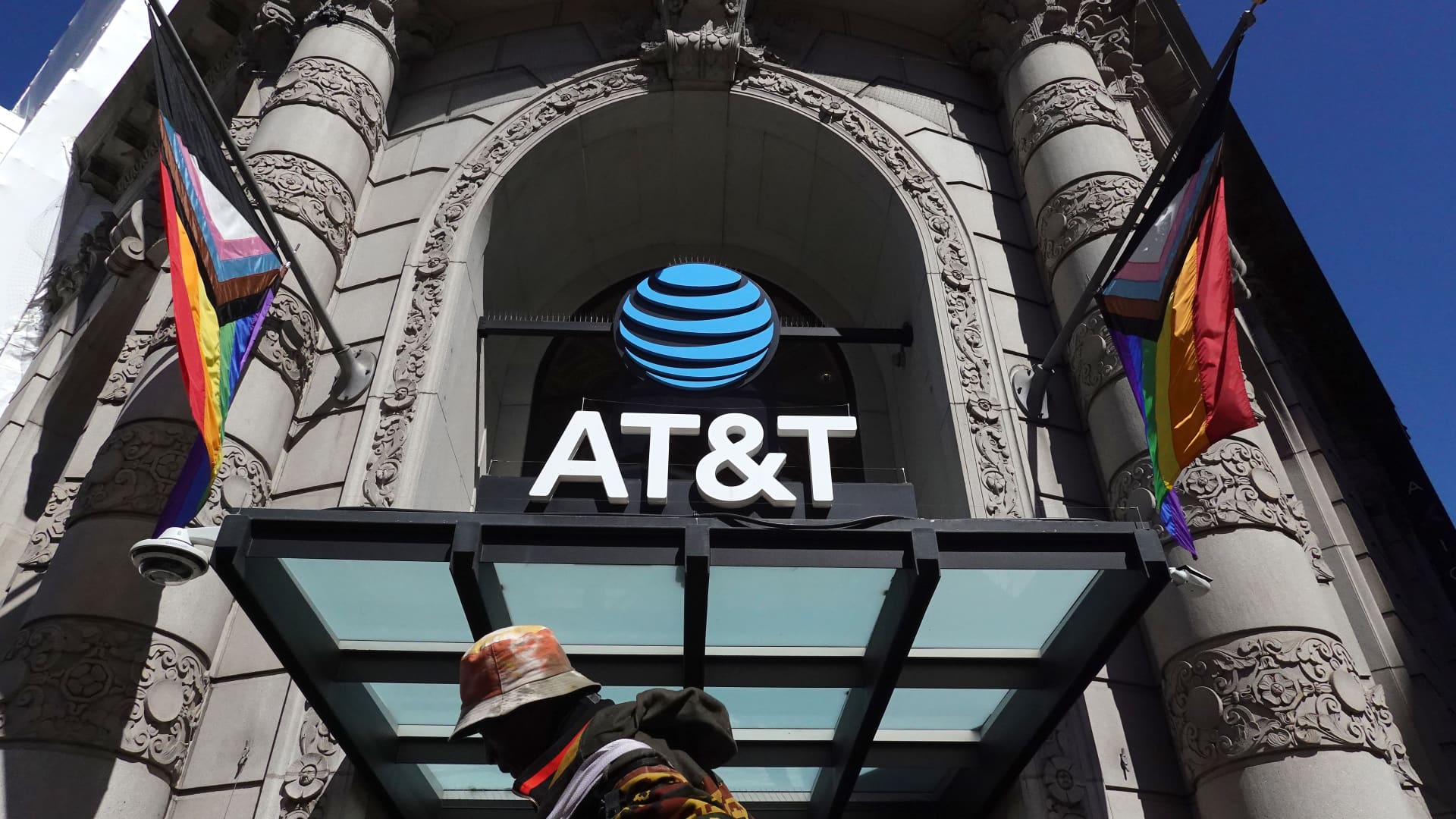
Satellite Internet Threatens Traditional Broadband Providers

- Increased Market Pressure: Oppenheimer analyst Timothy Horan downgraded AT&T from buy to perform, citing the looming threat from SpaceX's upcoming IPO, with AT&T shares down 12% over the last three months.
- Enhanced Regulatory Support: The FCC's recent vote to update satellite spectrum-sharing rules could increase satellite broadband access seven-fold, facilitating market entry for companies like SpaceX.
- Changing Competitive Landscape: Horan noted that AT&T is the most at risk among telecoms due to lower exposure to broadband compared to Verizon and T-Mobile US, with new fiber builds expected to halt in three years, impacting the entire supply chain.
- Significant IPO Impact: SpaceX plans to set its IPO price at $135 per share, targeting a valuation of $1.75 trillion, which could heighten investor concerns regarding AT&T's market position.
See More

Wall Street Predicts 14% Upside for S&P 500


- S&P 500 Target Price: Wall Street anticipates a 14% increase in the S&P 500 over the next year, with a target price of 8,698, up from the current level of 7,615, reflecting optimism about economic recovery.
- Healthcare Sector Outlook: Analysts predict that earnings growth in the healthcare sector will slow to 3% by 2026, although it is expected to accelerate to 19% in 2027; however, the current valuation of 27 times earnings may deter investors due to perceived overvaluation.
- Communication Services ETF Performance: The Vanguard Communication Services ETF has returned 152% over the past decade (annualized at 9.6%), with major holdings like Alphabet and Meta, and is projected to see earnings growth of 28% in 2026, indicating strong growth potential.
- Investment Recommendations: Despite the positive outlook for healthcare and communication services, analysts suggest maintaining a larger allocation in S&P 500 index funds to mitigate potential market volatility and capitalize on the strong performance of technology stocks.
See More

S&P 500 Resilience Sparks Interest in High Dividend Stocks

- AbbVie Investment Value: AbbVie has a market cap of approximately $375 billion, and while its P/E ratio exceeds 100, its forward P/E is only 15, significantly below the S&P 500 average of 22, indicating the stock is undervalued and suitable for long-term investment.
- Strong Cash Flow: AbbVie generated nearly $20 billion in free cash flow over the past 12 months, sufficient to support its 3.3% dividend, with $11.8 billion paid in dividends over the last four quarters, demonstrating financial health.
- CVS Health Recovery: CVS Health's stock has risen 14% this year, with free cash flow totaling $7.4 billion, far exceeding the $3.4 billion in dividends paid, indicating robust operations and promising growth potential.
- Verizon's High Dividend Appeal: Verizon offers a dividend yield of 5.9%, and despite a 17% stock price increase, its free cash flow of nearly $20 billion comfortably covers its $11.5 billion in annual dividends, showcasing dividend safety and growth potential.
See More

The Truth About Investment Yields and Retirement Savings
- Yield Target Analysis: Generating $4,800 annually from a $40,000 investment requires a 12% blended yield, which is nearly double the current payouts from Altria, Verizon, and Main Street Capital, highlighting the risks and challenges of chasing high yields.
- Portfolio Earnings: Dividing the $40,000 into three parts of approximately $13,333 each for investment in Altria, Verizon, and Main Street Capital yields an estimated annual income of about $2,700, with a blended yield close to 7%, significantly below the ideal target, reflecting a common misunderstanding about high yields in the market.
- Tax Implications: Dividends from Altria and Verizon are qualified and taxed at long-term capital gains rates, while most distributions from Main Street Capital are ordinary income taxed at marginal rates, suggesting that holding BDCs is more tax-efficient in IRA or Roth accounts.
- Long-Term Investment Strategy: It is advisable to set realistic yield expectations, with 6% to 7% being more achievable, and to reinvest distributions during the accumulation phase, only switching to cash payouts when income is actually needed, which can significantly enhance the final balance for retirement savings.
See More

Stable Growth of High-Yield Stocks

- Brookfield Infrastructure: Brookfield Infrastructure has increased its dividend every year for 17 years, achieving a 9% compound annual growth rate, and aims to continue growing dividends at a rate of 5% to 9% annually, demonstrating strong cash flow stability.
- Realty Income: Realty Income has raised its dividend 134 times since going public in 1994, with a compound annual growth rate of 4.2%, and has maintained a conservative payout ratio and strong balance sheet, positioning it well for continued portfolio expansion.
- Verizon Communications: Verizon has raised its dividend for 19 consecutive years, currently yielding nearly 6%, and is projected to generate $21.5 billion in free cash flow this year, comfortably covering its $11.6 billion dividend cost, indicating robust financial health and growth potential.
- Advantages of High-Yield Stocks: Brookfield, Realty Income, and Verizon are considered ideal high-yield stocks due to their stable cash flows and financial strength, making them top choices for investors seeking passive income.
See More
Verizon Announces Debt Securities Tender Offers
- Tender Offer Details: Verizon has announced cash tender offers for up to 20 separate debt securities, with an expected total purchase price sufficient to acquire all validly tendered debt securities, indicating the company's focus on optimizing its capital structure.
- Participation Deadline: The deadline for participation in the Any and All Notes is set for June 16, 2026, demonstrating the company's proactive measures in debt management to reduce financing costs.
- Tendered Amounts: As of June 1, 2026, the total amount of debt securities validly tendered reached hundreds of millions, reflecting market confidence in Verizon's debt and active investor participation.
- Underwriter Lineup: Verizon has retained Goldman Sachs, J.P. Morgan, Morgan Stanley, and Wells Fargo as lead underwriters, showcasing the company's professionalism and influence in capital market operations.
See More
Satellite Internet Threatens Traditional Broadband Providers
- Increased Market Pressure: Oppenheimer analyst Timothy Horan downgraded AT&T from buy to perform, citing the looming threat from SpaceX's upcoming IPO, with AT&T shares down 12% over the last three months.
- Enhanced Regulatory Support: The FCC's recent vote to update satellite spectrum-sharing rules could increase satellite broadband access seven-fold, facilitating market entry for companies like SpaceX.
- Changing Competitive Landscape: Horan noted that AT&T is the most at risk among telecoms due to lower exposure to broadband compared to Verizon and T-Mobile US, with new fiber builds expected to halt in three years, impacting the entire supply chain.
- Significant IPO Impact: SpaceX plans to set its IPO price at $135 per share, targeting a valuation of $1.75 trillion, which could heighten investor concerns regarding AT&T's market position.
See More
Wall Street Predicts 14% Upside for S&P 500
- S&P 500 Target Price: Wall Street anticipates a 14% increase in the S&P 500 over the next year, with a target price of 8,698, up from the current level of 7,615, reflecting optimism about economic recovery.
- Healthcare Sector Outlook: Analysts predict that earnings growth in the healthcare sector will slow to 3% by 2026, although it is expected to accelerate to 19% in 2027; however, the current valuation of 27 times earnings may deter investors due to perceived overvaluation.
- Communication Services ETF Performance: The Vanguard Communication Services ETF has returned 152% over the past decade (annualized at 9.6%), with major holdings like Alphabet and Meta, and is projected to see earnings growth of 28% in 2026, indicating strong growth potential.
- Investment Recommendations: Despite the positive outlook for healthcare and communication services, analysts suggest maintaining a larger allocation in S&P 500 index funds to mitigate potential market volatility and capitalize on the strong performance of technology stocks.
See More
S&P 500 Resilience Sparks Interest in High Dividend Stocks
- AbbVie Investment Value: AbbVie has a market cap of approximately $375 billion, and while its P/E ratio exceeds 100, its forward P/E is only 15, significantly below the S&P 500 average of 22, indicating the stock is undervalued and suitable for long-term investment.
- Strong Cash Flow: AbbVie generated nearly $20 billion in free cash flow over the past 12 months, sufficient to support its 3.3% dividend, with $11.8 billion paid in dividends over the last four quarters, demonstrating financial health.
- CVS Health Recovery: CVS Health's stock has risen 14% this year, with free cash flow totaling $7.4 billion, far exceeding the $3.4 billion in dividends paid, indicating robust operations and promising growth potential.
- Verizon's High Dividend Appeal: Verizon offers a dividend yield of 5.9%, and despite a 17% stock price increase, its free cash flow of nearly $20 billion comfortably covers its $11.5 billion in annual dividends, showcasing dividend safety and growth potential.
See More
The Truth About Investment Yields and Retirement Savings
- Yield Target Analysis: Generating $4,800 annually from a $40,000 investment requires a 12% blended yield, which is nearly double the current payouts from Altria, Verizon, and Main Street Capital, highlighting the risks and challenges of chasing high yields.
- Portfolio Earnings: Dividing the $40,000 into three parts of approximately $13,333 each for investment in Altria, Verizon, and Main Street Capital yields an estimated annual income of about $2,700, with a blended yield close to 7%, significantly below the ideal target, reflecting a common misunderstanding about high yields in the market.
- Tax Implications: Dividends from Altria and Verizon are qualified and taxed at long-term capital gains rates, while most distributions from Main Street Capital are ordinary income taxed at marginal rates, suggesting that holding BDCs is more tax-efficient in IRA or Roth accounts.
- Long-Term Investment Strategy: It is advisable to set realistic yield expectations, with 6% to 7% being more achievable, and to reinvest distributions during the accumulation phase, only switching to cash payouts when income is actually needed, which can significantly enhance the final balance for retirement savings.
See More
Stable Growth of High-Yield Stocks
- Brookfield Infrastructure: Brookfield Infrastructure has increased its dividend every year for 17 years, achieving a 9% compound annual growth rate, and aims to continue growing dividends at a rate of 5% to 9% annually, demonstrating strong cash flow stability.
- Realty Income: Realty Income has raised its dividend 134 times since going public in 1994, with a compound annual growth rate of 4.2%, and has maintained a conservative payout ratio and strong balance sheet, positioning it well for continued portfolio expansion.
- Verizon Communications: Verizon has raised its dividend for 19 consecutive years, currently yielding nearly 6%, and is projected to generate $21.5 billion in free cash flow this year, comfortably covering its $11.6 billion dividend cost, indicating robust financial health and growth potential.
- Advantages of High-Yield Stocks: Brookfield, Realty Income, and Verizon are considered ideal high-yield stocks due to their stable cash flows and financial strength, making them top choices for investors seeking passive income.
See More