

Vale and Glencore to Pursue $2 Billion Joint Copper Project in Sudbury Basin, Canada
Joint Development Proposal: Vale and Glencore are considering a joint venture to develop a $1.6 billion-$2 billion copper project in Canada's Sudbury Basin, potentially one of the region's most significant copper developments in decades.
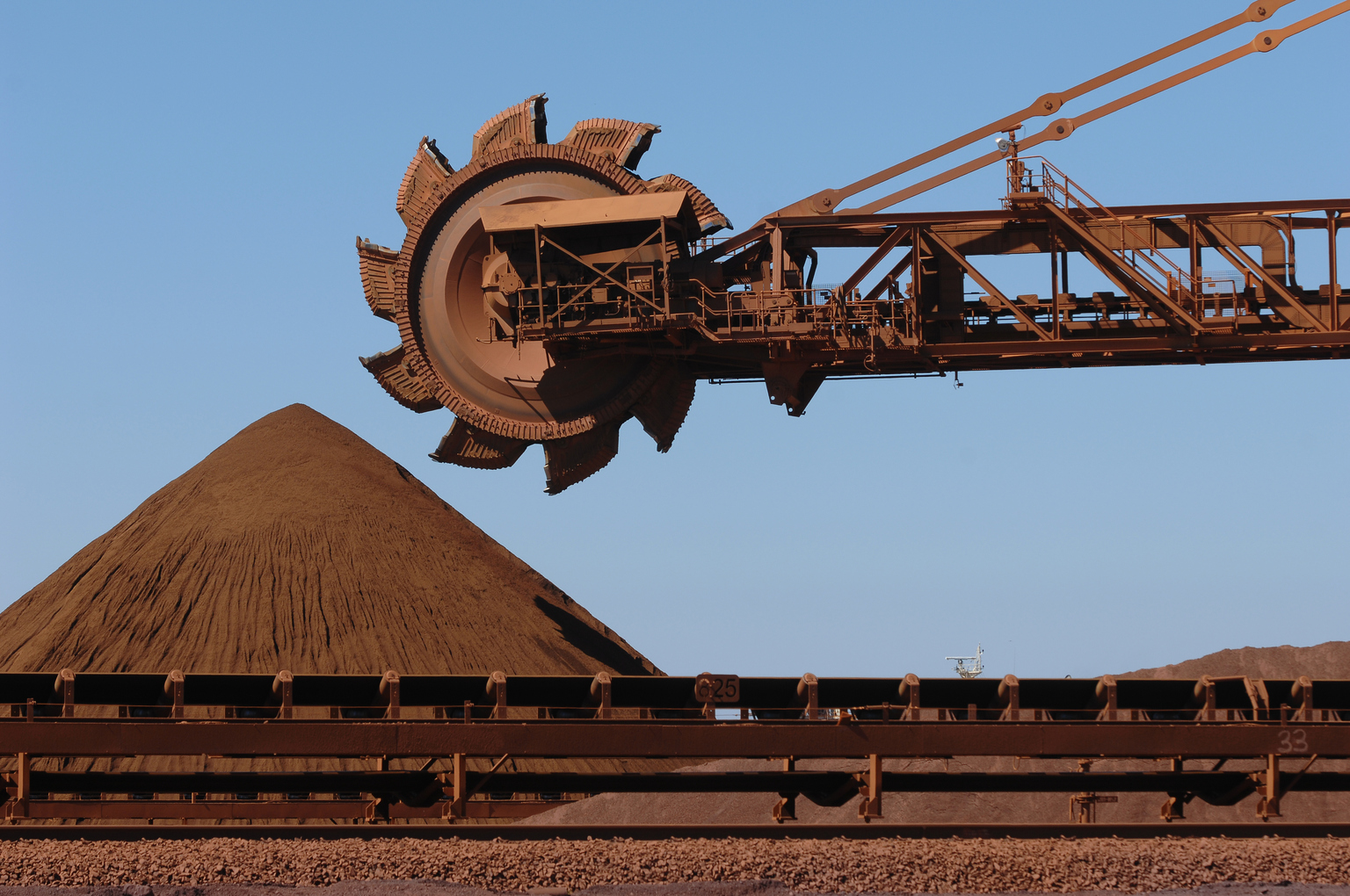
Mining Strategy: The companies plan to explore the possibility of jointly mining their underground copper deposits using existing infrastructure from Glencore's idled Nickel Rim South mine.
Production Goals: The proposed 50-50 joint venture aims to produce 880,000 metric tons of copper over 21 years, along with other valuable metals such as nickel, cobalt, gold, and platinum group metals.
Long-Term Partnership: This potential partnership has been under consideration for 20 years and comes at a time of record copper prices, highlighting the strategic importance of the collaboration for both companies.
Trade with 70% Backtested Accuracy
Analyst Views on VALE

About VALE
About the author

Vale Chairman Resigns Amid Shareholder Pressure
- Chairman Resignation: Vale's Chairman Daniel Stieler has resigned immediately amid shareholder pressure, highlighting vulnerabilities in the company's governance structure.
- Shareholder Meeting Push: The Previ pension fund, which owns a 7% stake, has called for a shareholder meeting to vote on Stieler's removal, reflecting dissatisfaction with the management.
- Diminished Influence: Stieler, who has been in the role since 2019 with a term set to expire in April 2027, has seen his influence wane significantly following recent leadership reshuffles at Previ, which may impact future company decisions.
- New Leadership Candidate: Previ is backing current board member Manuel Oliveira to take over as chairman, indicating a potential shift in governance that could influence future strategic decisions.

Vale SA Chairman Daniel Stieler Resigns Immediately
- Chairman's Resignation: Vale SA Chairman Daniel Stieler has resigned immediately for undisclosed reasons, which could lead to significant changes in the company's governance structure, impacting investor confidence and shareholder relations.
- Market Reaction Anticipation: Stieler's resignation may raise concerns in the market regarding Vale SA's future strategic direction, particularly against a backdrop of uncertainty and increasing competition in the resource sector, potentially leading to stock price volatility.
- Succession Challenges: The new chairman will face the dual challenge of rebuilding the management team and restoring market trust, especially as the company needs to navigate environmental regulations and sustainability pressures.
- Strategic Reevaluation Necessity: This resignation may prompt Vale SA to reassess its long-term strategy, particularly in a rapidly changing global mining market, ensuring the company can adapt to new market demands and investor expectations.

ETF Component Trading Dynamics Analysis

- Mosaic Decline: Mosaic's stock fell approximately 5.3% with over 7.3 million shares traded, indicating market concerns about its future performance, which could undermine investor confidence.
- Ivanhoe Electric Surge: Ivanhoe Electric's stock rose about 4.2%, standing out in a volatile market, potentially attracting more investor interest in its growth prospects and enhancing its market position.
- Fervo Energy Weakness: Fervo Energy's stock dropped around 5.8%, lagging behind other components of the T Rowe Price Natural Resources ETF, which may lead investors to reassess its investment value and impact its future financing capabilities.
- Overall ETF Activity: The ETF experienced significant trading volume on Tuesday, with the fluctuations in Mosaic and other components reflecting an increased market focus on the natural resources sector, influencing overall investment strategies.

ILF Stock Price Analysis and ETF Dynamics

- Price Fluctuation Analysis: ILF's 52-week low is $24.675 per share, with a high of $38.415, and the last trade at $33.54 indicates significant price movement within this range, reflecting market interest and investor sentiment.
- Technical Analysis Tool: Comparing the latest share price to the 200-day moving average provides valuable insights for investors, aiding in trend assessment and potential buy/sell timing, thereby optimizing investment decisions.
- ETF Trading Mechanism: Exchange-traded funds (ETFs) trade like stocks, where investors buy and sell 'units' that can be created or destroyed based on demand, reflecting market liquidity and investor sentiment shifts.
- Inflows and Outflows Monitoring: Weekly monitoring of ETF share changes highlights those experiencing notable inflows or outflows, where inflows necessitate purchasing underlying assets, while outflows involve selling, potentially impacting the performance of individual components within the ETFs.

Vale SA Board Rejects Shareholder Proposal to Remove Chairman
- Board Decision: Vale SA's board voted against a proposal from a major shareholder to remove Chairman Daniel André Stieler, although the proposal will still go to a shareholder vote, which could influence proxy advisory firms and institutional investors' recommendations.
- Shareholder Proposal Context: The proposal was made by Previ, which holds about 7% of Vale's shares and manages pensions for employees of the state-run Banco do Brasil, suggesting the appointment of Jose Mauricio Coelho to the board and backing current board member Manuel Oliveira as chairman.
- Chairman's Term: Stieler's mandate is set to expire in April 2027 unless removed earlier, indicating that any changes before this date could significantly impact the company's governance structure.
- Market Reaction Outlook: While the board's decision may affect shareholder voting, the market remains cautious about Vale's future governance and strategic direction, especially in light of iron ore price fluctuations and the company's upcoming decarbonization initiatives.
Vale Plans 13 Billion Reais Investment in Decarbonization Initiatives
- Decarbonization Investment Plan: Vale expects to invest up to 13 billion reais (approximately $2.5 billion) in decarbonization initiatives over the coming years, significantly increasing from the 9 billion reais invested during 2020-2025, demonstrating the company's strong commitment to addressing climate change.
- Funding Allocation Strategy: Of this investment, up to 4 billion reais will be allocated for operational decarbonization, with 24% directed towards medium-term projects and 76% towards long-term initiatives, indicating a strategic approach to resource allocation in emissions reduction.
- Low-Carbon Technology Development: Additionally, 8 billion reais will be dedicated to building industrial complexes focused on low-carbon technologies, including steelmaking transition technologies and iron ore briquette development, which not only aids in reducing carbon emissions but also has the potential for substantial financial returns.
- Carbon Cost Warning: Vale has also warned that it could face carbon costs of up to 22 billion reais at present value, with significant impacts expected starting in 2030, prompting the company to accelerate its decarbonization efforts to mitigate potential risks.
Vale Chairman Resigns Amid Shareholder Pressure
- Chairman Resignation: Vale's Chairman Daniel Stieler has resigned immediately amid shareholder pressure, highlighting vulnerabilities in the company's governance structure.
- Shareholder Meeting Push: The Previ pension fund, which owns a 7% stake, has called for a shareholder meeting to vote on Stieler's removal, reflecting dissatisfaction with the management.
- Diminished Influence: Stieler, who has been in the role since 2019 with a term set to expire in April 2027, has seen his influence wane significantly following recent leadership reshuffles at Previ, which may impact future company decisions.
- New Leadership Candidate: Previ is backing current board member Manuel Oliveira to take over as chairman, indicating a potential shift in governance that could influence future strategic decisions.
Vale SA Chairman Daniel Stieler Resigns Immediately
- Chairman's Resignation: Vale SA Chairman Daniel Stieler has resigned immediately for undisclosed reasons, which could lead to significant changes in the company's governance structure, impacting investor confidence and shareholder relations.
- Market Reaction Anticipation: Stieler's resignation may raise concerns in the market regarding Vale SA's future strategic direction, particularly against a backdrop of uncertainty and increasing competition in the resource sector, potentially leading to stock price volatility.
- Succession Challenges: The new chairman will face the dual challenge of rebuilding the management team and restoring market trust, especially as the company needs to navigate environmental regulations and sustainability pressures.
- Strategic Reevaluation Necessity: This resignation may prompt Vale SA to reassess its long-term strategy, particularly in a rapidly changing global mining market, ensuring the company can adapt to new market demands and investor expectations.
ETF Component Trading Dynamics Analysis
- Mosaic Decline: Mosaic's stock fell approximately 5.3% with over 7.3 million shares traded, indicating market concerns about its future performance, which could undermine investor confidence.
- Ivanhoe Electric Surge: Ivanhoe Electric's stock rose about 4.2%, standing out in a volatile market, potentially attracting more investor interest in its growth prospects and enhancing its market position.
- Fervo Energy Weakness: Fervo Energy's stock dropped around 5.8%, lagging behind other components of the T Rowe Price Natural Resources ETF, which may lead investors to reassess its investment value and impact its future financing capabilities.
- Overall ETF Activity: The ETF experienced significant trading volume on Tuesday, with the fluctuations in Mosaic and other components reflecting an increased market focus on the natural resources sector, influencing overall investment strategies.
ILF Stock Price Analysis and ETF Dynamics
- Price Fluctuation Analysis: ILF's 52-week low is $24.675 per share, with a high of $38.415, and the last trade at $33.54 indicates significant price movement within this range, reflecting market interest and investor sentiment.
- Technical Analysis Tool: Comparing the latest share price to the 200-day moving average provides valuable insights for investors, aiding in trend assessment and potential buy/sell timing, thereby optimizing investment decisions.
- ETF Trading Mechanism: Exchange-traded funds (ETFs) trade like stocks, where investors buy and sell 'units' that can be created or destroyed based on demand, reflecting market liquidity and investor sentiment shifts.
- Inflows and Outflows Monitoring: Weekly monitoring of ETF share changes highlights those experiencing notable inflows or outflows, where inflows necessitate purchasing underlying assets, while outflows involve selling, potentially impacting the performance of individual components within the ETFs.
Vale SA Board Rejects Shareholder Proposal to Remove Chairman
- Board Decision: Vale SA's board voted against a proposal from a major shareholder to remove Chairman Daniel André Stieler, although the proposal will still go to a shareholder vote, which could influence proxy advisory firms and institutional investors' recommendations.
- Shareholder Proposal Context: The proposal was made by Previ, which holds about 7% of Vale's shares and manages pensions for employees of the state-run Banco do Brasil, suggesting the appointment of Jose Mauricio Coelho to the board and backing current board member Manuel Oliveira as chairman.
- Chairman's Term: Stieler's mandate is set to expire in April 2027 unless removed earlier, indicating that any changes before this date could significantly impact the company's governance structure.
- Market Reaction Outlook: While the board's decision may affect shareholder voting, the market remains cautious about Vale's future governance and strategic direction, especially in light of iron ore price fluctuations and the company's upcoming decarbonization initiatives.
Vale Plans 13 Billion Reais Investment in Decarbonization Initiatives
- Decarbonization Investment Plan: Vale expects to invest up to 13 billion reais (approximately $2.5 billion) in decarbonization initiatives over the coming years, significantly increasing from the 9 billion reais invested during 2020-2025, demonstrating the company's strong commitment to addressing climate change.
- Funding Allocation Strategy: Of this investment, up to 4 billion reais will be allocated for operational decarbonization, with 24% directed towards medium-term projects and 76% towards long-term initiatives, indicating a strategic approach to resource allocation in emissions reduction.
- Low-Carbon Technology Development: Additionally, 8 billion reais will be dedicated to building industrial complexes focused on low-carbon technologies, including steelmaking transition technologies and iron ore briquette development, which not only aids in reducing carbon emissions but also has the potential for substantial financial returns.
- Carbon Cost Warning: Vale has also warned that it could face carbon costs of up to 22 billion reais at present value, with significant impacts expected starting in 2030, prompting the company to accelerate its decarbonization efforts to mitigate potential risks.





