U.S.-Iran MOU Signed, Oil Prices Fluctuate Amidst Geopolitical Tensions
Written by Emily J. Thompson, Senior Investment Analyst
Updated: 1 hour ago
0mins
Source: Fool
- Oil Price Fluctuations: WTI crude prices have fallen over 20% in the past month to around $75, down from nearly $113 in April, posing challenges for investors amid increasing geopolitical and logistical uncertainties, despite starting the year at $57.
- Airline Stock Performance: High jet fuel prices initially pressured airline stocks, yet the U.S. Global Jets ETF (JETS) has risen by 4.17%, indicating market optimism regarding the recovery of the airline industry and resilience in air travel demand.
- Delta Airlines' Resilience: Delta Air Lines (DAL) has shown remarkable performance this year, with its stock up over 21% year-to-date and reaching an all-time high after announcing a 15% quarterly dividend increase, reflecting strong leadership and brand appeal in a high fuel cost environment.
- American Airlines' Turnaround Potential: American Airlines (AAL) has seen its Q1 2026 revenue increase nearly 11% year-over-year to $13.9 billion, despite higher debt and net losses, and its partnership with Citibank to launch a co-branded credit card could enhance customer loyalty, showcasing its strategic transformation potential.
Trade with 70% Backtested Accuracy
Stop guessing "Should I Buy DAL?" and start using high-conviction signals backed by rigorous historical data.
Sign up today to access powerful investing tools and make smarter, data-driven decisions.
Analyst Views on DAL
Wall Street analysts forecast DAL stock price to fall
18 Analyst Rating
18 Buy
0 Hold
0 Sell
Strong Buy
Current: 86.720

Low
77.00
Averages
83.50
High
90.00
Current: 86.720
Low
77.00
Averages
83.50
High
90.00
About DAL
Delta Air Lines, Inc. provides scheduled air transportation for passengers and cargo throughout the United States and around the world. The Company has hubs and markets in Amsterdam, Atlanta, Bogota, Boston, Detroit, Lima, London-Heathrow, Los Angeles, Mexico City, Minneapolis-St. Paul, New York-JFK and LaGuardia, Paris-Charles de Gaulle, Salt Lake City, Santiago (Chile), Sao Paulo, Seattle, Seoul-Incheon, and Tokyo. Its segments include Airline and Refinery. Its airline segment is managed as a single business unit that provides scheduled air transportation for passengers and cargo throughout the United States and around the world and includes its loyalty program, as well as other ancillary businesses. Its refinery segment operates for the benefit of the airline segment by providing jet fuel to the airline segment from its own production and through jet fuel obtained through agreements with third parties. The refinery's production consists of jet fuel as well as non-jet fuel products.
About the author

Emily J. Thompson
Emily J. Thompson, a Chartered Financial Analyst (CFA) with 12 years in investment research, graduated with honors from the Wharton School. Specializing in industrial and technology stocks, she provides in-depth analysis for Intellectia’s earnings and market brief reports.

Micron's Strong Earnings Boost Chip Stocks


- Strong Earnings: Micron reported quarterly revenue of $6 billion, exceeding market expectations and causing its stock to surge 10% in after-hours trading, reflecting robust performance in the memory market.
- Optimistic Guidance: The company provided a positive outlook for the upcoming quarter, projecting a 15% revenue growth, indicating strong confidence in market demand, which may attract more investor interest.
- Industry Ripple Effect: Micron's impressive results not only boosted its own stock but also lifted other memory and chip-related companies, creating a positive ripple effect across the industry and enhancing overall market confidence in the semiconductor sector.
- Inflation Data Watch: With the Fed set to release its favored inflation gauge, market expectations regarding future monetary policy will further influence tech stock performance, prompting investors to closely monitor related developments.
See More
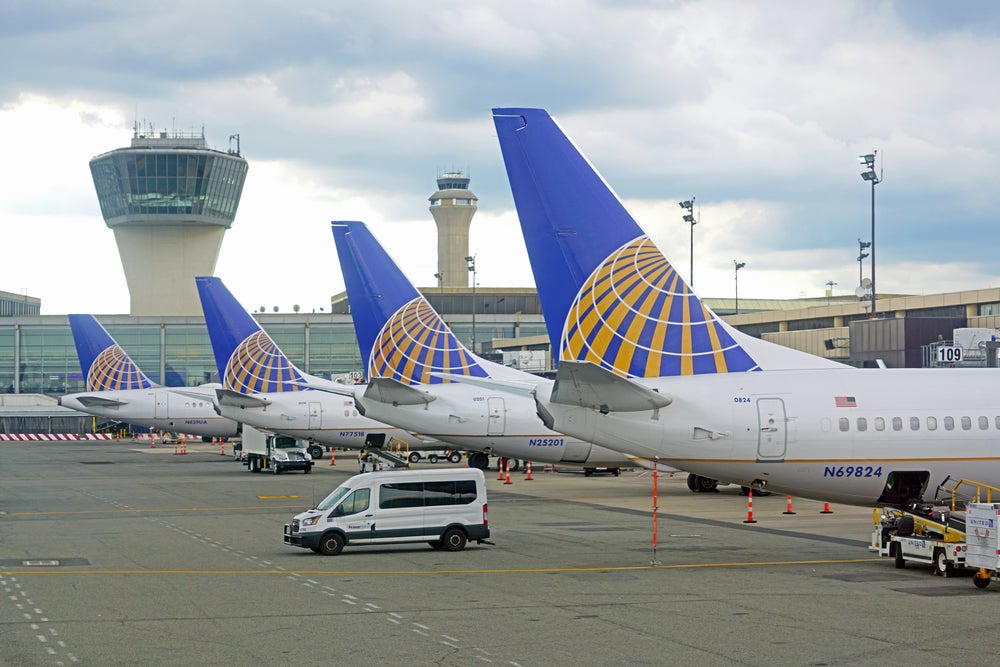
U.S.-Iran MOU Signed, Oil Prices Fluctuate Amidst Geopolitical Tensions


- Oil Price Fluctuations: WTI crude prices have fallen over 20% in the past month to around $75, down from nearly $113 in April, posing challenges for investors amid increasing geopolitical and logistical uncertainties, despite starting the year at $57.
- Airline Stock Performance: High jet fuel prices initially pressured airline stocks, yet the U.S. Global Jets ETF (JETS) has risen by 4.17%, indicating market optimism regarding the recovery of the airline industry and resilience in air travel demand.
- Delta Airlines' Resilience: Delta Air Lines (DAL) has shown remarkable performance this year, with its stock up over 21% year-to-date and reaching an all-time high after announcing a 15% quarterly dividend increase, reflecting strong leadership and brand appeal in a high fuel cost environment.
- American Airlines' Turnaround Potential: American Airlines (AAL) has seen its Q1 2026 revenue increase nearly 11% year-over-year to $13.9 billion, despite higher debt and net losses, and its partnership with Citibank to launch a co-branded credit card could enhance customer loyalty, showcasing its strategic transformation potential.
See More
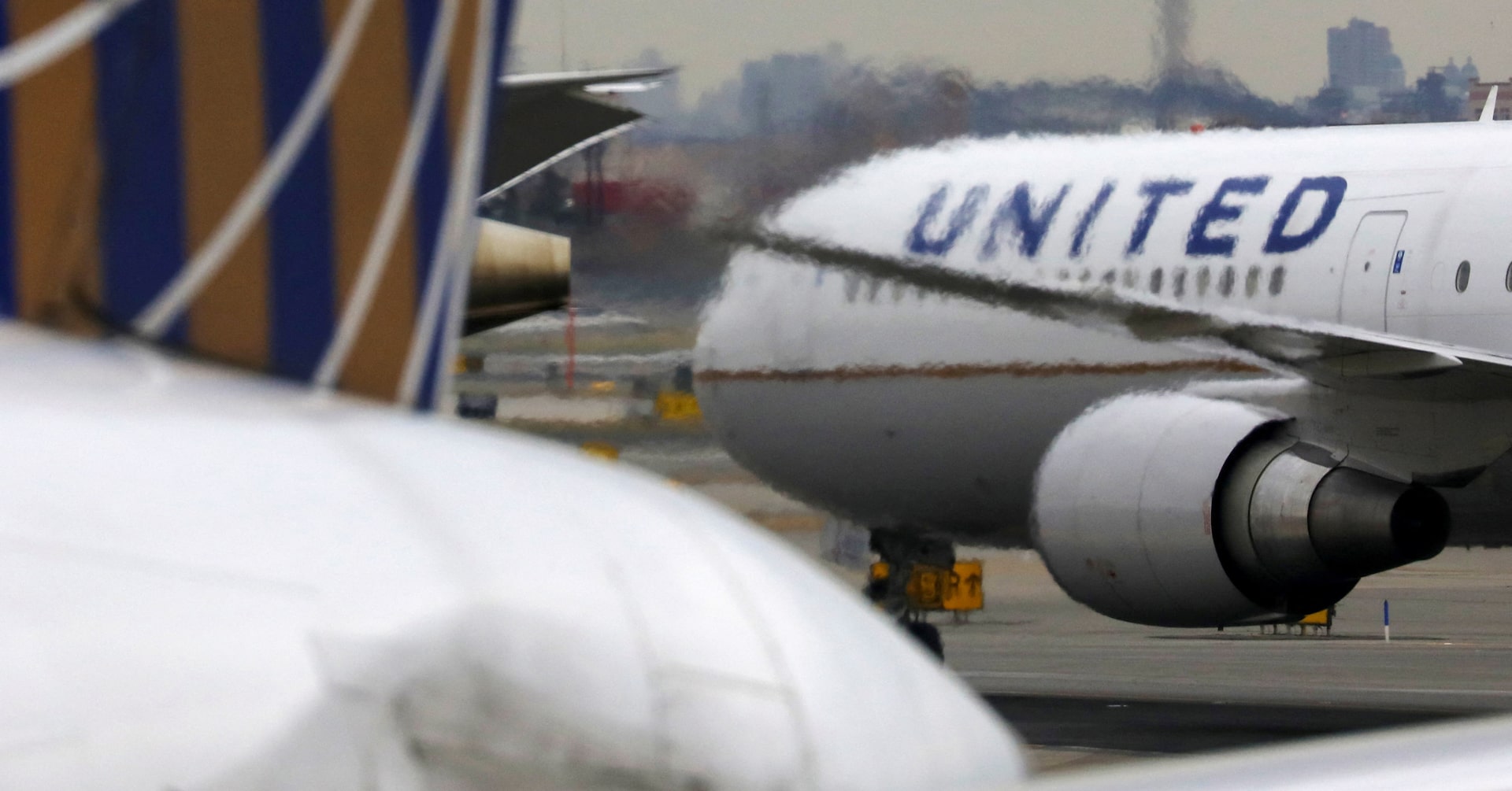
Strait of Hormuz Situation Impacts Airline Stocks
- Airline Recovery: Despite ongoing instability in the Strait of Hormuz, airline stocks have rebounded from conflict-related losses, with Delta Air Lines' stock rising over 21% year-to-date and reaching an all-time high last week, indicating market confidence in the recovery of the airline sector.
- Fuel Cost Mitigation: Delta has effectively offset some of the rising jet fuel costs through its Pennsylvania oil refinery, reporting Q1 revenue of $14.2 billion, a nearly 10% year-over-year increase, although it faced a net loss of $289 million, demonstrating resilience in a high-cost environment.
- American Airlines Transformation: American Airlines is focused on increasing its corporate and premium customer share, with Q1 revenue rising nearly 11% year-over-year to $13.9 billion, despite a net loss of $382 million; its exclusive credit card partnership with Citigroup has begun generating earnings, potentially enhancing customer loyalty.
- Debt Pressure: American Airlines' total debt fell to $34.7 billion in Q1, the first time below $35 billion since 2015, yet it still faces significant financial pressure compared to Delta's $13.5 billion debt, which may limit its maneuverability during future economic downturns.
See More

U.S. Stocks Close Mixed as Chipmakers Weigh on Market


- Mixed Market Performance: The S&P 500 index fell by 0.10% and the Nasdaq 100 index dropped by 0.43%, while the Dow Jones Industrial Average rose by 0.35%, indicating a divergence in market sentiment, particularly under pressure from chipmakers.
- Chip Sector Pressure: Ahead of Micron Technology's earnings report, chipmakers saw declines, reflecting market concerns over AI infrastructure demand, despite Micron's stock rising over 260% this year, highlighting the volatility in tech stocks.
- Oil Price Impact: WTI crude oil prices sank to a 3.5-month low, leading to a drop in bond yields, with the 10-year Treasury yield falling to 4.40%, benefiting sectors like homebuilders and airlines by enhancing profit outlooks amid lower fuel costs.
- Decline in New Home Sales: U.S. May new home sales unexpectedly fell by 7.3% to 580,000 units, below the expected 640,000, indicating weakness in the housing market that could affect future economic growth expectations.
See More

American Airlines Stock Surges Nearly 8% Amid Falling Oil Prices


- Oil Price Drop: Benchmark oil prices fell to their lowest levels since before the Iran war, with West Texas Intermediate and Brent crude trading at $70.20 and $73.42 per barrel respectively, easing cost pressures for airlines and potentially saving them billions in additional costs.
- Airline Stock Surge: American Airlines Group (AAL) saw its stock rise nearly 8%, while Alaska Air Group (ALK) and United Airlines Holdings (UAL) increased by about 7% each, and JetBlue Airways (JBLU) advanced approximately 6%, reflecting optimistic market sentiment towards the airline sector.
- Ticket Prices Stability: Although lower fuel costs may bolster airline earnings, ticket prices are unlikely to decline immediately due to tight capacity and prior bookings, which could impact consumer travel expenses in the short term.
- Retail Sentiment Analysis: According to Stocktwits, retail sentiment for AAL and UAL was 'bearish', while ALK was 'extremely bearish', contrasting with 'bullish' sentiment for JBLU, indicating significant differences in market perceptions of various airlines.
See More

Analysis of Stock Price Movements for Multiple Companies


- Rating Downgrade Impact: Principal Financial Group's stock fell 4% after Bank of America downgraded its rating from neutral to underperform, with analysts forecasting a slowdown in operating income growth over the next 12 months, indicating a decline in previously healthy growth expectations following significant valuation increases.
- Energy Sector Decline: The energy sector within the S&P 500 dropped 2% as West Texas Intermediate crude futures briefly fell to $69.63 per barrel, causing APA Corp, Halliburton, and ConocoPhillips to decline over 3%, reflecting market concerns about energy demand.
- Travel Stocks Surge: Travel-related companies saw stock prices rise as oil prices tumbled, with Expedia Group gaining 9% and Booking Holdings increasing by 8%, suggesting a growing optimism in the recovery of the travel sector.
- Cerebras Earnings Report Disappointment: Cerebras shares plummeted 16% after its first earnings report revealed a Q1 loss of 22 cents on revenues of $193.4 million, with expectations of a gross margin decline to 36%-38% in Q2, highlighting the financial pressures the company faces.
See More
Micron's Strong Earnings Boost Chip Stocks
- Strong Earnings: Micron reported quarterly revenue of $6 billion, exceeding market expectations and causing its stock to surge 10% in after-hours trading, reflecting robust performance in the memory market.
- Optimistic Guidance: The company provided a positive outlook for the upcoming quarter, projecting a 15% revenue growth, indicating strong confidence in market demand, which may attract more investor interest.
- Industry Ripple Effect: Micron's impressive results not only boosted its own stock but also lifted other memory and chip-related companies, creating a positive ripple effect across the industry and enhancing overall market confidence in the semiconductor sector.
- Inflation Data Watch: With the Fed set to release its favored inflation gauge, market expectations regarding future monetary policy will further influence tech stock performance, prompting investors to closely monitor related developments.
See More
U.S.-Iran MOU Signed, Oil Prices Fluctuate Amidst Geopolitical Tensions
- Oil Price Fluctuations: WTI crude prices have fallen over 20% in the past month to around $75, down from nearly $113 in April, posing challenges for investors amid increasing geopolitical and logistical uncertainties, despite starting the year at $57.
- Airline Stock Performance: High jet fuel prices initially pressured airline stocks, yet the U.S. Global Jets ETF (JETS) has risen by 4.17%, indicating market optimism regarding the recovery of the airline industry and resilience in air travel demand.
- Delta Airlines' Resilience: Delta Air Lines (DAL) has shown remarkable performance this year, with its stock up over 21% year-to-date and reaching an all-time high after announcing a 15% quarterly dividend increase, reflecting strong leadership and brand appeal in a high fuel cost environment.
- American Airlines' Turnaround Potential: American Airlines (AAL) has seen its Q1 2026 revenue increase nearly 11% year-over-year to $13.9 billion, despite higher debt and net losses, and its partnership with Citibank to launch a co-branded credit card could enhance customer loyalty, showcasing its strategic transformation potential.
See More
Strait of Hormuz Situation Impacts Airline Stocks
- Airline Recovery: Despite ongoing instability in the Strait of Hormuz, airline stocks have rebounded from conflict-related losses, with Delta Air Lines' stock rising over 21% year-to-date and reaching an all-time high last week, indicating market confidence in the recovery of the airline sector.
- Fuel Cost Mitigation: Delta has effectively offset some of the rising jet fuel costs through its Pennsylvania oil refinery, reporting Q1 revenue of $14.2 billion, a nearly 10% year-over-year increase, although it faced a net loss of $289 million, demonstrating resilience in a high-cost environment.
- American Airlines Transformation: American Airlines is focused on increasing its corporate and premium customer share, with Q1 revenue rising nearly 11% year-over-year to $13.9 billion, despite a net loss of $382 million; its exclusive credit card partnership with Citigroup has begun generating earnings, potentially enhancing customer loyalty.
- Debt Pressure: American Airlines' total debt fell to $34.7 billion in Q1, the first time below $35 billion since 2015, yet it still faces significant financial pressure compared to Delta's $13.5 billion debt, which may limit its maneuverability during future economic downturns.
See More
U.S. Stocks Close Mixed as Chipmakers Weigh on Market
- Mixed Market Performance: The S&P 500 index fell by 0.10% and the Nasdaq 100 index dropped by 0.43%, while the Dow Jones Industrial Average rose by 0.35%, indicating a divergence in market sentiment, particularly under pressure from chipmakers.
- Chip Sector Pressure: Ahead of Micron Technology's earnings report, chipmakers saw declines, reflecting market concerns over AI infrastructure demand, despite Micron's stock rising over 260% this year, highlighting the volatility in tech stocks.
- Oil Price Impact: WTI crude oil prices sank to a 3.5-month low, leading to a drop in bond yields, with the 10-year Treasury yield falling to 4.40%, benefiting sectors like homebuilders and airlines by enhancing profit outlooks amid lower fuel costs.
- Decline in New Home Sales: U.S. May new home sales unexpectedly fell by 7.3% to 580,000 units, below the expected 640,000, indicating weakness in the housing market that could affect future economic growth expectations.
See More
American Airlines Stock Surges Nearly 8% Amid Falling Oil Prices
- Oil Price Drop: Benchmark oil prices fell to their lowest levels since before the Iran war, with West Texas Intermediate and Brent crude trading at $70.20 and $73.42 per barrel respectively, easing cost pressures for airlines and potentially saving them billions in additional costs.
- Airline Stock Surge: American Airlines Group (AAL) saw its stock rise nearly 8%, while Alaska Air Group (ALK) and United Airlines Holdings (UAL) increased by about 7% each, and JetBlue Airways (JBLU) advanced approximately 6%, reflecting optimistic market sentiment towards the airline sector.
- Ticket Prices Stability: Although lower fuel costs may bolster airline earnings, ticket prices are unlikely to decline immediately due to tight capacity and prior bookings, which could impact consumer travel expenses in the short term.
- Retail Sentiment Analysis: According to Stocktwits, retail sentiment for AAL and UAL was 'bearish', while ALK was 'extremely bearish', contrasting with 'bullish' sentiment for JBLU, indicating significant differences in market perceptions of various airlines.
See More
Analysis of Stock Price Movements for Multiple Companies
- Rating Downgrade Impact: Principal Financial Group's stock fell 4% after Bank of America downgraded its rating from neutral to underperform, with analysts forecasting a slowdown in operating income growth over the next 12 months, indicating a decline in previously healthy growth expectations following significant valuation increases.
- Energy Sector Decline: The energy sector within the S&P 500 dropped 2% as West Texas Intermediate crude futures briefly fell to $69.63 per barrel, causing APA Corp, Halliburton, and ConocoPhillips to decline over 3%, reflecting market concerns about energy demand.
- Travel Stocks Surge: Travel-related companies saw stock prices rise as oil prices tumbled, with Expedia Group gaining 9% and Booking Holdings increasing by 8%, suggesting a growing optimism in the recovery of the travel sector.
- Cerebras Earnings Report Disappointment: Cerebras shares plummeted 16% after its first earnings report revealed a Q1 loss of 22 cents on revenues of $193.4 million, with expectations of a gross margin decline to 36%-38% in Q2, highlighting the financial pressures the company faces.
See More