US-EU Trade Agreement Breached Amid Tariff Threats
Written by Emily J. Thompson, Senior Investment Analyst
Updated: Feb 24 2026
0mins

Source: CNBC
- Trade Agreement Breach: The U.S. has breached its trade agreement with the EU, prompting the bloc to prepare retaliatory measures, indicating heightened tensions that could undermine future trade stability.
- Tariff Increases: Trump announced a 10% tariff on all imports, with potential increases to 15% in the coming months, directly impacting the competitiveness of EU exporters and increasing market uncertainty.
- EU Response: The EU has paused ratification of the U.S.-EU trade agreement, seeking clarity from the U.S. government on the deal's validity, which could further deteriorate trade relations and affect small businesses.
- Retaliatory Measures Prepared: The EU is considering using the Anti-Coercion Instrument (ACI) as an economic countermeasure, although countries like Germany and Italy oppose this, but if implemented, it would restrict U.S. suppliers' access to the EU market, impacting bilateral trade.
Trade with 70% Backtested Accuracy
Stop guessing "Should I Buy UAMY?" and start using high-conviction signals backed by rigorous historical data.
Sign up today to access powerful investing tools and make smarter, data-driven decisions.
Analyst Views on UAMY
Wall Street analysts forecast UAMY stock price to rise
3 Analyst Rating
3 Buy
0 Hold
0 Sell
Strong Buy
Current: 8.300

Low
9.75
Averages
10.00
High
10.25
Current: 8.300
Low
9.75
Averages
10.00
High
10.25
About UAMY
United States Antimony Corporation is engaged in the production and sale of antimony, precious metals, primarily gold and silver, and zeolite products. The Company has two reportable segments: antimony and zeolite. Its antimony segment consists of its facility located in the Burns Mining District of Sanders County in Montana that processes ore primarily into antimony oxide, antimony metal, antimony trisulfide, and precious metals, and its two facilities in its US Antimony de Mexico, S.A. de C.V. (USAMSA) subsidiary located in Mexico that process ore primarily into antimony metal and a lower grade of antimony oxide. Its zeolite segment includes its vertically integrated Bear River Zeolite (BRZ) facility located in Preston, Idaho that mines, processes, and sells zeolite. Its zeolite has been used in soil amendment and fertilizer, water filtration, and sewage treatment. The Company also operates Fostung Tungsten Property located near Sudbury, Ontario, Canada, near the town of Espanola.
About the author

Emily J. Thompson
Emily J. Thompson, a Chartered Financial Analyst (CFA) with 12 years in investment research, graduated with honors from the Wharton School. Specializing in industrial and technology stocks, she provides in-depth analysis for Intellectia’s earnings and market brief reports.
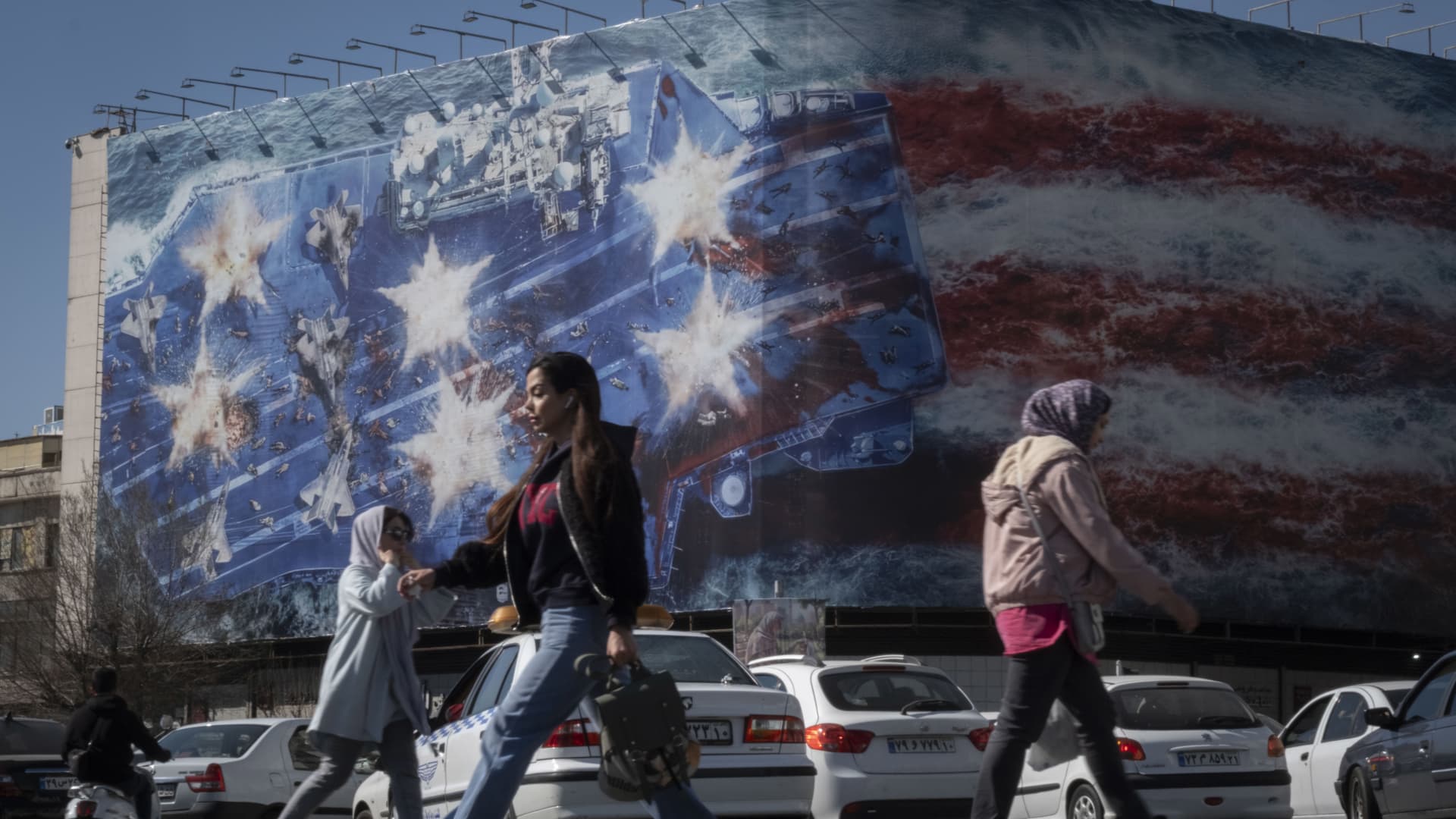
Iran and U.S. Engage in Online Propaganda War


- Escalation of Online Propaganda: Iran is actively engaging in an online propaganda war against the U.S. by posting ironic and pop-culture-infused content on social media, particularly targeting Trump, which reflects its assertive stance in the information warfare landscape.
- Impactful Video Dissemination: Utilizing AI-generated animated videos to showcase military successes, Iran aims to attract younger audiences and undermine the U.S. military image through humor and visual appeal, thereby enhancing its international standing.
- U.S. Counter-Strategy: The Trump administration has blended wartime messaging with internet culture, releasing controversial military videos that, despite criticism, have garnered nearly 100 million views among young people, indicating their effectiveness in outreach.
- Economic Impact Warning: Iran's parliamentary speaker cautioned investors about the potential influence of Trump's war updates on stock markets, suggesting a reverse correlation between market reactions and Trump's statements, further highlighting the war's threats to global economy and energy prices.
See More
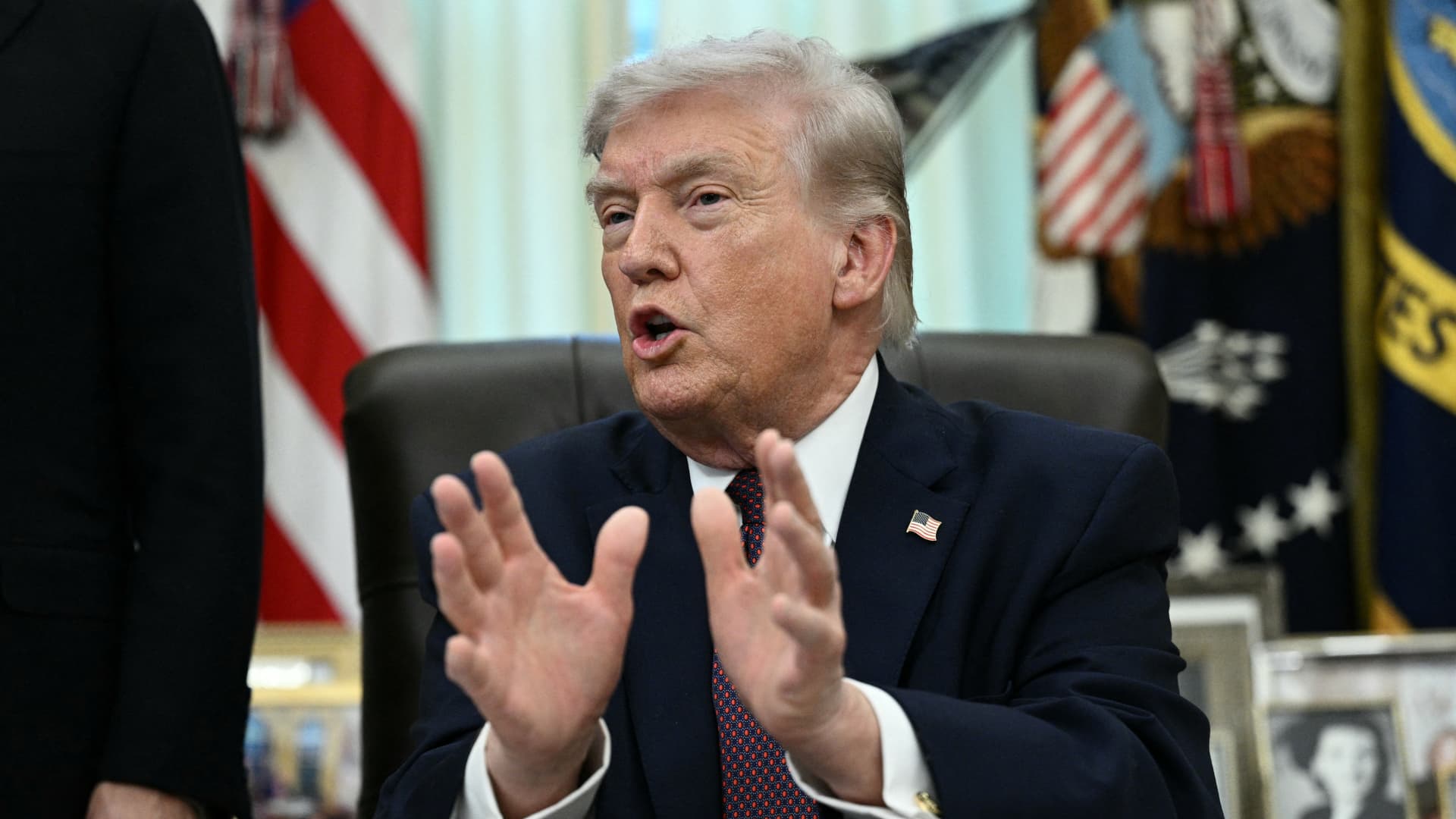
Trump Announces Imminent US Military Withdrawal from Iran

- Military Withdrawal Announcement: Trump stated that U.S. military forces are expected to leave Iran in 'two to three weeks,' indicating a reassessment of America's military presence in the region, which could impact stability in the Middle East.
- Oil Price Surge: Oil prices have risen sharply, with Brent heading for a record monthly surge due to the ongoing Iran conflict, highlighting the direct impact of geopolitical tensions on global energy markets.
- International Negotiation Preparations: Pakistan is set to host U.S.-Iran talks in the coming days, as Trump expresses intent to make a deal, potentially opening new avenues for regional peace while reflecting America's emphasis on diplomatic solutions.
- Military Action Adjustments: Trump's decision to postpone strikes against Iranian energy infrastructure demonstrates a cautious approach to the situation, which may affect U.S. strategic positioning in the Middle East and the confidence of its allies.
See More
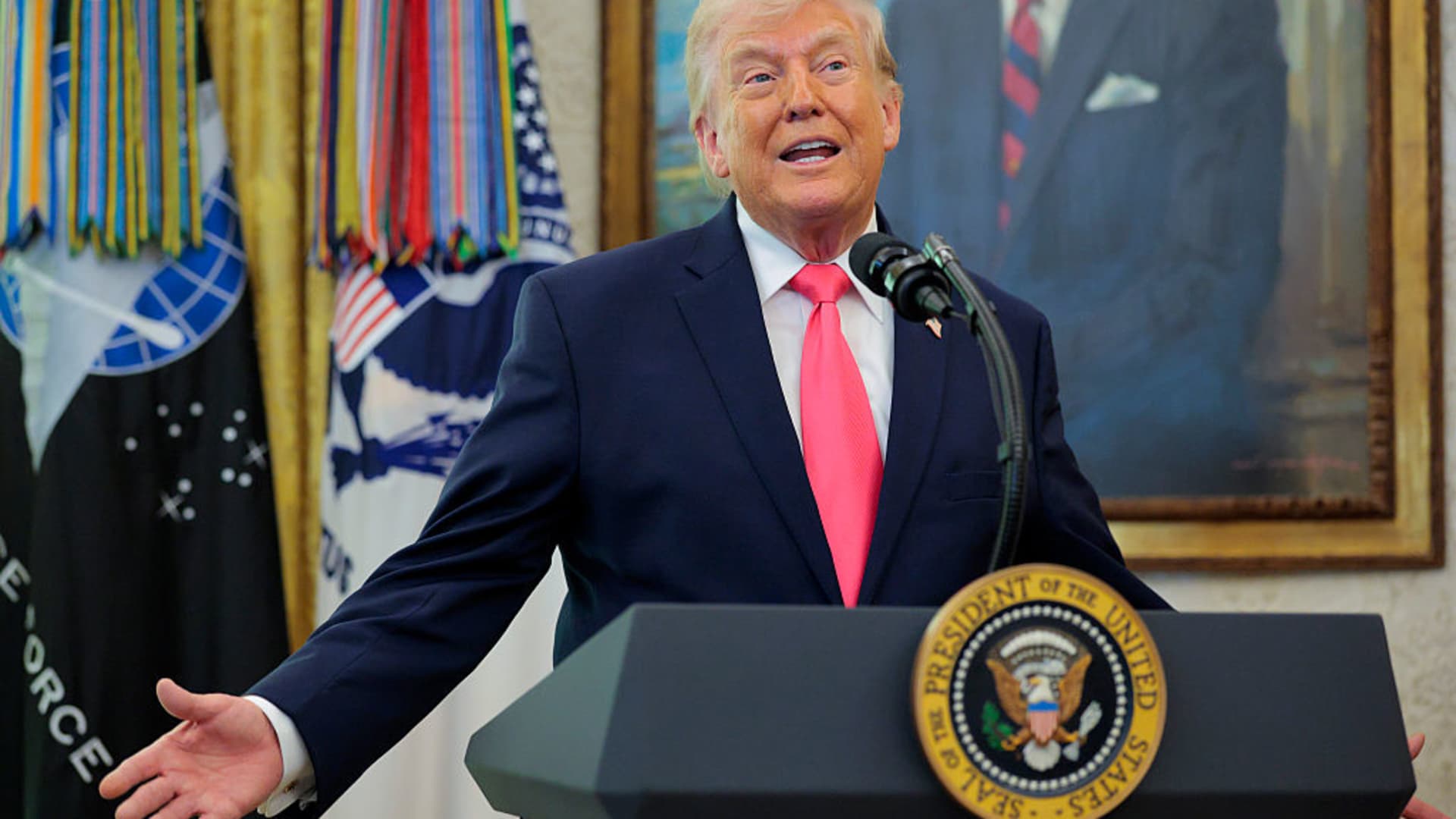
Trump Warns Iran to Reach Peace Deal Soon
- Trump's Strong Warning: President Trump warned Iran on social media to take peace negotiations seriously or face severe consequences, indicating a significant shift in the U.S. stance towards Iran amid ongoing tensions.
- Unclear Negotiation Status: While the U.S. claims peace talks are underway, Iranian Foreign Minister stated there has been no direct communication with Washington, highlighting contradictions and distrust that could exacerbate the situation further.
- Military Deployment Escalation: The U.S. is reportedly preparing to send thousands more troops to the region for potential military action, suggesting a readiness to act swiftly if negotiations fail, reflecting heightened vigilance regarding the conflict.
- Gulf Nations' Response: Gulf countries, including Saudi Arabia and the UAE, condemned Iran's attacks and issued a joint statement indicating readiness to take self-defense measures, showcasing regional dissatisfaction with Iran and potential military tensions.
See More
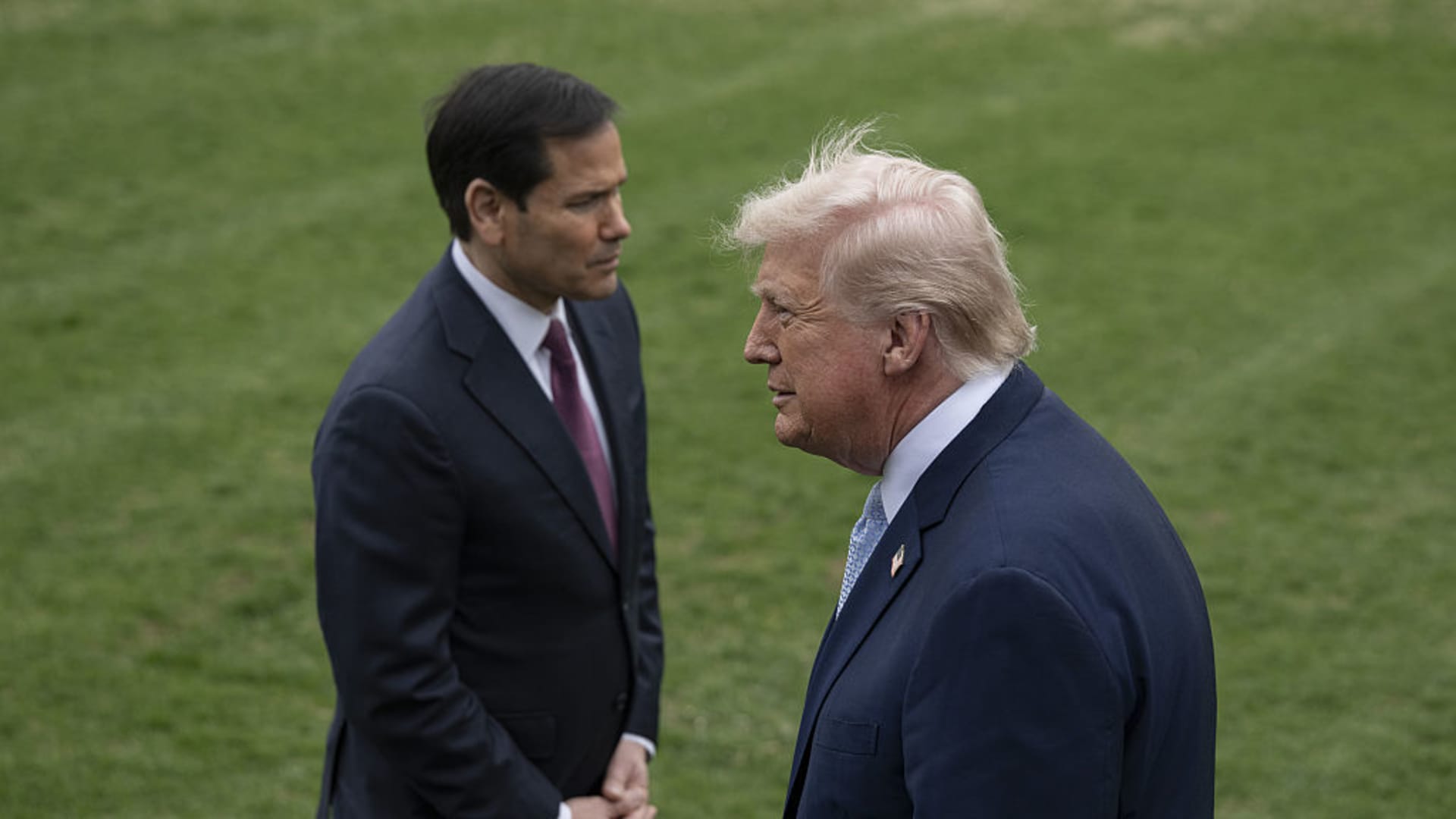
US Reinforces Military Presence in Middle East to Pressure Iran
- Military Buildup Context: The U.S. plans to send thousands of additional soldiers to the Middle East, building on an existing presence of tens of thousands, indicating the Trump administration's hardline stance aimed at coercing Iran back to the negotiating table through military deterrence.
- Peace Plan Details: The U.S. has circulated a 15-point peace plan demanding Iran's complete termination of its nuclear program and restrictions on its missile capabilities, while Iran insists on war reparations and recognition of its sovereignty over the Strait of Hormuz, highlighting significant gaps in their positions.
- Geopolitical Risks: The military reinforcements may escalate tensions with Iran, as analysts warn that while they provide Trump with more leverage in negotiations, they could also provoke a harsher response from Tehran, complicating the diplomatic landscape further.
- Economic Impact Warning: Experts caution that the ongoing Iran war could have lasting effects on the global economy, particularly through disruptions in LNG and fertilizer supply chains, which may lead to elevated food inflation and political repercussions across multiple countries.
See More

Insider of United States Antimony (UAMY.US) Plans to Sell $3.92 Million in Common Stock via Form 144
- Stock Sale Announcement: Gary C. Evans intends to sell 400,000 shares of his company's common stock on March 25.
- Market Value: The total market value of the shares being sold is approximately $3.92 million.
See More
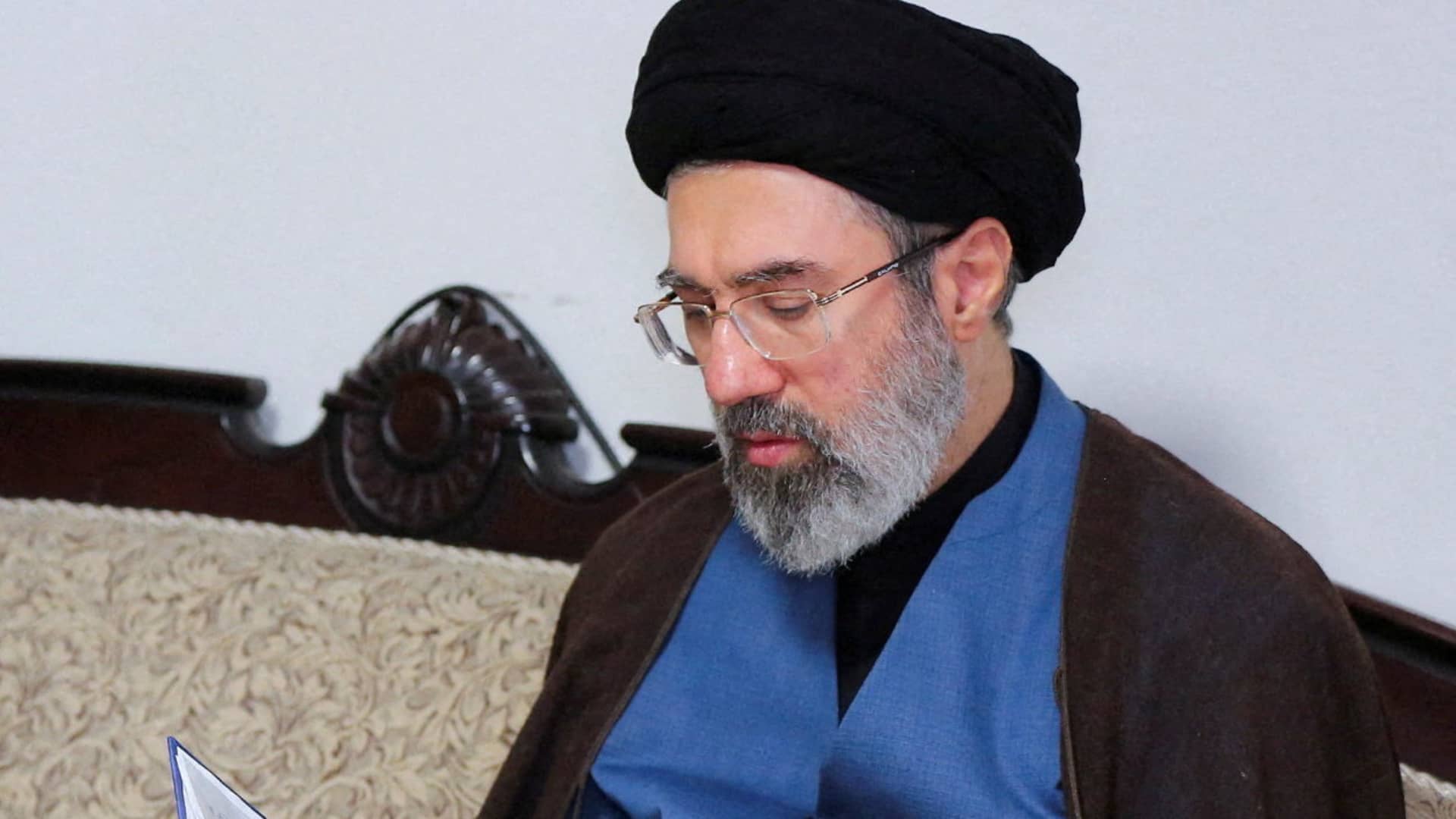
Iran Demands Recognition of Sovereignty Over Strait of Hormuz
- Iran Rejects Ceasefire Proposal: Iran has rejected the U.S. ceasefire offer and laid out a five-point counterproposal, including control over the Strait of Hormuz, complicating U.S. negotiation positions and impacting regional security dynamics.
- War Reparations Demand: Iran's insistence on halting 'aggression and assassinations' and clearly defined war reparations highlights its focus on the consequences of the conflict, which could affect future international relations and economic recovery efforts.
- Strategic Goals Realization: Iran has stated that it will only consider ending the conflict once its strategic goals are achieved, indicating a hardline stance in negotiations that may lead to further escalation of tensions.
- Possibility of Indirect Negotiations: Despite reports of increased U.S. efforts to facilitate a ceasefire and initiate indirect talks, Iran remains firm in its refusal to accept a ceasefire, complicating dialogue and potentially hindering future peace processes.
See More
Iran and U.S. Engage in Online Propaganda War
- Escalation of Online Propaganda: Iran is actively engaging in an online propaganda war against the U.S. by posting ironic and pop-culture-infused content on social media, particularly targeting Trump, which reflects its assertive stance in the information warfare landscape.
- Impactful Video Dissemination: Utilizing AI-generated animated videos to showcase military successes, Iran aims to attract younger audiences and undermine the U.S. military image through humor and visual appeal, thereby enhancing its international standing.
- U.S. Counter-Strategy: The Trump administration has blended wartime messaging with internet culture, releasing controversial military videos that, despite criticism, have garnered nearly 100 million views among young people, indicating their effectiveness in outreach.
- Economic Impact Warning: Iran's parliamentary speaker cautioned investors about the potential influence of Trump's war updates on stock markets, suggesting a reverse correlation between market reactions and Trump's statements, further highlighting the war's threats to global economy and energy prices.
See More
Trump Announces Imminent US Military Withdrawal from Iran
- Military Withdrawal Announcement: Trump stated that U.S. military forces are expected to leave Iran in 'two to three weeks,' indicating a reassessment of America's military presence in the region, which could impact stability in the Middle East.
- Oil Price Surge: Oil prices have risen sharply, with Brent heading for a record monthly surge due to the ongoing Iran conflict, highlighting the direct impact of geopolitical tensions on global energy markets.
- International Negotiation Preparations: Pakistan is set to host U.S.-Iran talks in the coming days, as Trump expresses intent to make a deal, potentially opening new avenues for regional peace while reflecting America's emphasis on diplomatic solutions.
- Military Action Adjustments: Trump's decision to postpone strikes against Iranian energy infrastructure demonstrates a cautious approach to the situation, which may affect U.S. strategic positioning in the Middle East and the confidence of its allies.
See More
Trump Warns Iran to Reach Peace Deal Soon
- Trump's Strong Warning: President Trump warned Iran on social media to take peace negotiations seriously or face severe consequences, indicating a significant shift in the U.S. stance towards Iran amid ongoing tensions.
- Unclear Negotiation Status: While the U.S. claims peace talks are underway, Iranian Foreign Minister stated there has been no direct communication with Washington, highlighting contradictions and distrust that could exacerbate the situation further.
- Military Deployment Escalation: The U.S. is reportedly preparing to send thousands more troops to the region for potential military action, suggesting a readiness to act swiftly if negotiations fail, reflecting heightened vigilance regarding the conflict.
- Gulf Nations' Response: Gulf countries, including Saudi Arabia and the UAE, condemned Iran's attacks and issued a joint statement indicating readiness to take self-defense measures, showcasing regional dissatisfaction with Iran and potential military tensions.
See More
US Reinforces Military Presence in Middle East to Pressure Iran
- Military Buildup Context: The U.S. plans to send thousands of additional soldiers to the Middle East, building on an existing presence of tens of thousands, indicating the Trump administration's hardline stance aimed at coercing Iran back to the negotiating table through military deterrence.
- Peace Plan Details: The U.S. has circulated a 15-point peace plan demanding Iran's complete termination of its nuclear program and restrictions on its missile capabilities, while Iran insists on war reparations and recognition of its sovereignty over the Strait of Hormuz, highlighting significant gaps in their positions.
- Geopolitical Risks: The military reinforcements may escalate tensions with Iran, as analysts warn that while they provide Trump with more leverage in negotiations, they could also provoke a harsher response from Tehran, complicating the diplomatic landscape further.
- Economic Impact Warning: Experts caution that the ongoing Iran war could have lasting effects on the global economy, particularly through disruptions in LNG and fertilizer supply chains, which may lead to elevated food inflation and political repercussions across multiple countries.
See More
Insider of United States Antimony (UAMY.US) Plans to Sell $3.92 Million in Common Stock via Form 144
- Stock Sale Announcement: Gary C. Evans intends to sell 400,000 shares of his company's common stock on March 25.
- Market Value: The total market value of the shares being sold is approximately $3.92 million.
See More
Iran Demands Recognition of Sovereignty Over Strait of Hormuz
- Iran Rejects Ceasefire Proposal: Iran has rejected the U.S. ceasefire offer and laid out a five-point counterproposal, including control over the Strait of Hormuz, complicating U.S. negotiation positions and impacting regional security dynamics.
- War Reparations Demand: Iran's insistence on halting 'aggression and assassinations' and clearly defined war reparations highlights its focus on the consequences of the conflict, which could affect future international relations and economic recovery efforts.
- Strategic Goals Realization: Iran has stated that it will only consider ending the conflict once its strategic goals are achieved, indicating a hardline stance in negotiations that may lead to further escalation of tensions.
- Possibility of Indirect Negotiations: Despite reports of increased U.S. efforts to facilitate a ceasefire and initiate indirect talks, Iran remains firm in its refusal to accept a ceasefire, complicating dialogue and potentially hindering future peace processes.
See More