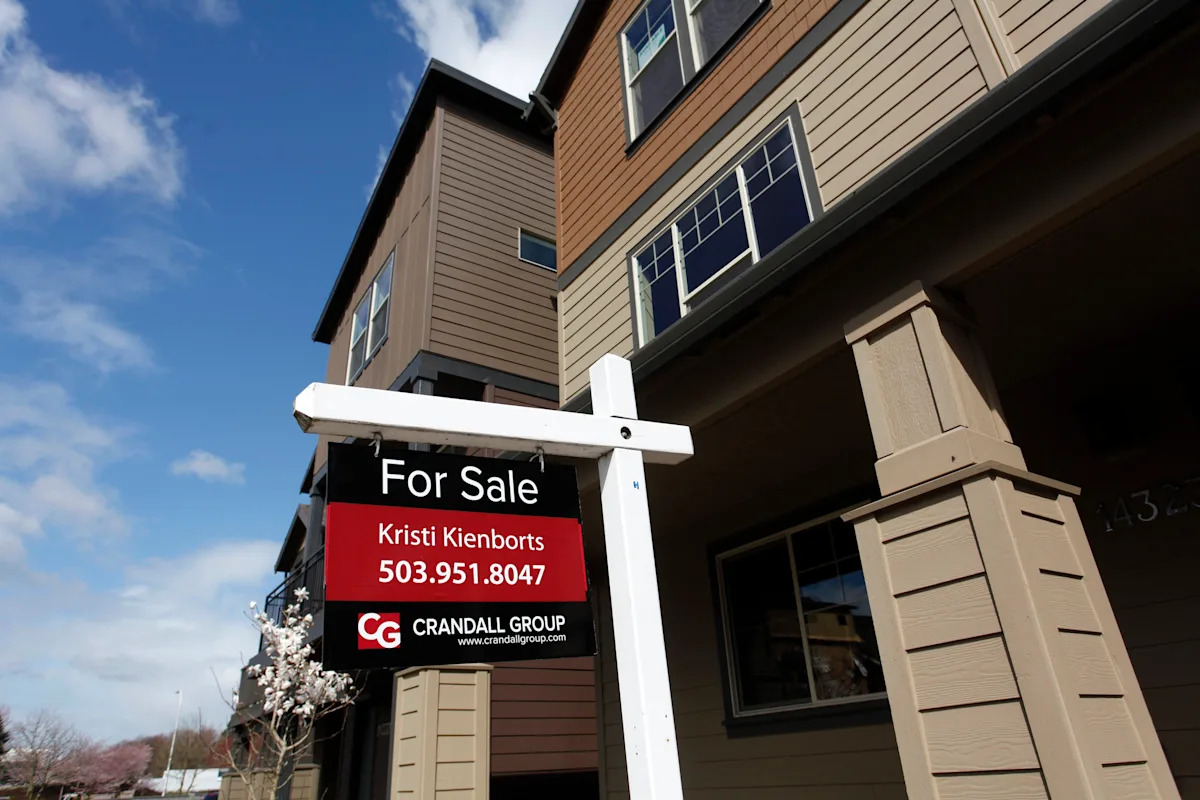
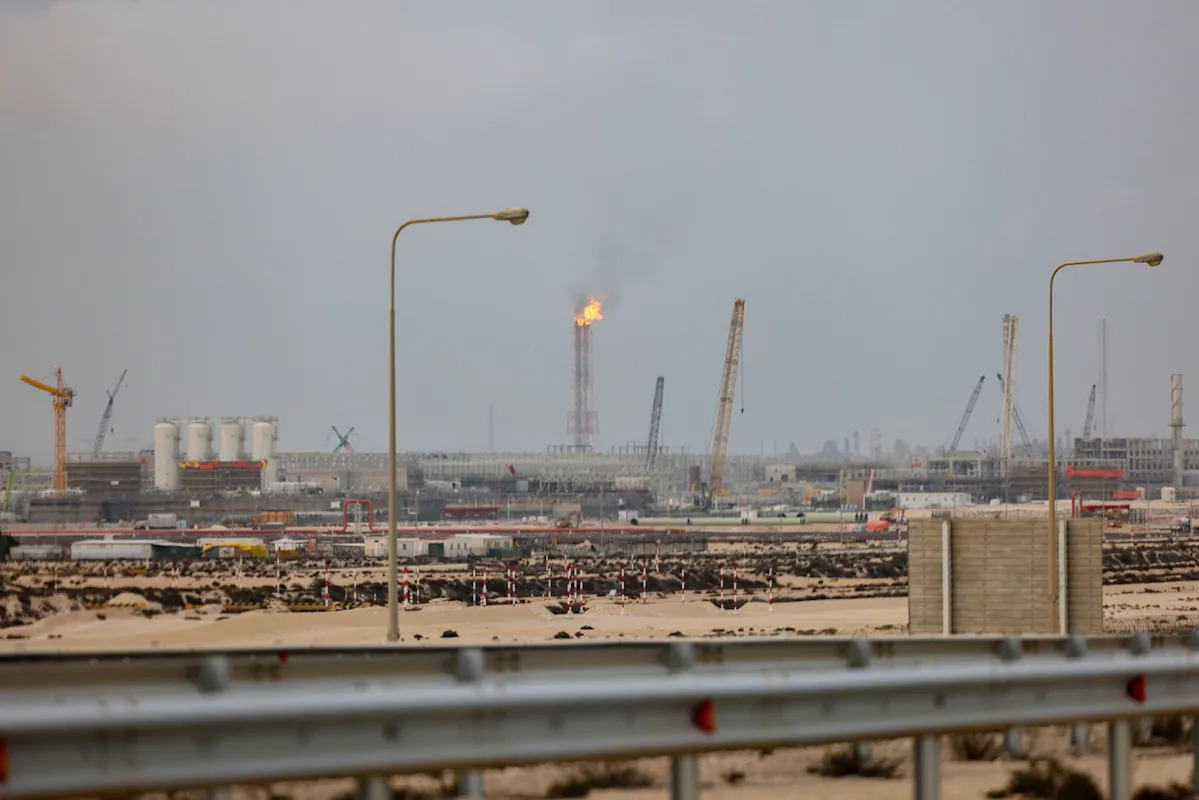
U.S. to Eliminate Additional 25% Tariff on Indian Imports and Lower Tariffs to 18% as India Decreases Russian Oil Purchases, According to White House Official.

U.S. Tariff Changes: The U.S. will eliminate the additional 25% tariff on Indian imports and reduce tariffs to 18%.
India's Oil Purchases: The tariff reduction comes as India decreases its purchases of Russian oil.
Trade with 70% Backtested Accuracy
Analyst Views on TLT
About the author


U.S. Judge Claims Justice Department Presented "Virtually No Evidence" of Jerome Powell's Criminal Activity, While Indicating a "Wealth of Evidence" Points to Investigation Aiming to Coerce Fed Chair into Lowering Rates or Resigning.


Judicial Findings: A U.S. judge stated that the Justice Department provided "essentially zero evidence" that Jerome Powell committed a crime.
Evidence Assessment: The judge noted that there is a "mountain of evidence" suggesting the investigation was intended to pressure the Federal Reserve Chair to lower rates or resign.
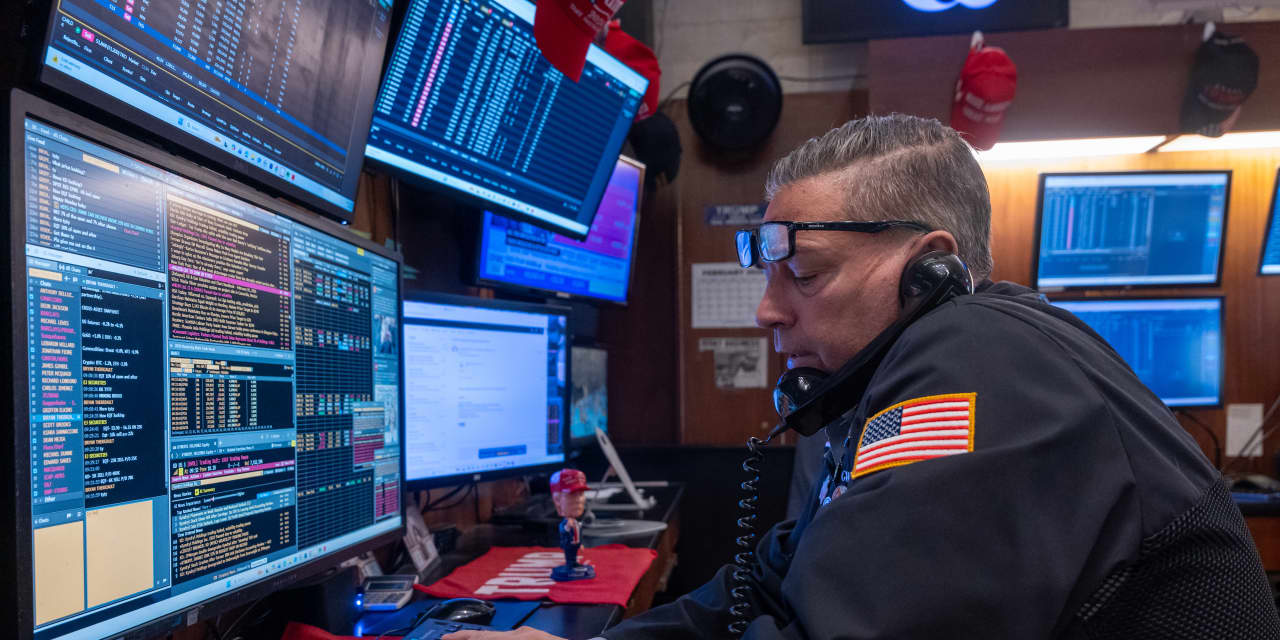
Stock Market Requires More Than Oracle's Earnings to Overlook the Iran Conflict


- Market Focus: U.S. stocks are closely monitoring oil prices as investors react to potential coordinated support for global crude markets.
- Geopolitical Concerns: The market remains jittery due to ongoing developments related to the U.S. war with Iran.

Trump Suggests US Might Focus on Cuba Following Iran: Report

Trump's Comments on Cuba: Former President Donald Trump praised Secretary of State Marco Rubio for his efforts regarding Cuba and expressed a desire to assist in regime change there after addressing issues in Iran.
U.S. and Israel's Military Operations: Trump's remarks coincided with U.S. and Israeli military actions against Iran, which have impacted global energy supplies and caused fluctuations in stock markets.
Cuban Economic Struggles: Trump highlighted the ongoing economic crisis in Cuba, exacerbated by an oil blockade imposed by his administration, which has led to severe fuel shortages in the country.
Market Reactions: Following Trump's comments and military operations, oil prices surged, while U.S. stock markets experienced significant declines, reflecting investor concerns over geopolitical tensions.
Fed's Jeff Schmid Warns Apex Bank Must Stay Vigilant on Inflation: Report
Inflation Concerns: Inflationary pressures are evident in goods and services, with the consumer price index rising 2.4% year-over-year, still above the Federal Reserve's target of around 2%.
Federal Reserve's Stance: Kansas City Fed Chief Jeff Schmied noted that the central bank cannot be complacent about inflation, which has been above the Fed's objective for nearly five years.
Market Reactions: Recent military actions in the Middle East have heightened inflation concerns, leading to rising crude oil prices and a decline in U.S. equities, with major stock indices experiencing significant drops.
Economic Outlook: Schmied believes that while AI and technology may eventually lead to non-inflationary growth, the current economic environment does not reflect that potential yet, particularly in the labor market and healthcare sector.
Key Takeaways from Trump's State of the Union Address: NYSE Insider Identifies Two Possible Market Influencers

State of the Union Address: President Donald Trump's upcoming State of the Union address is expected to cover topics such as the economy and affordability for Americans, with potential updates on tariff policies and military actions against Iran that could impact markets.
Market Predictions: Jay Woods from Freedom Capital Markets noted that while the State of the Union is typically a non-market-moving event, Trump's unpredictable nature could lead to market reactions based on his comments regarding tariffs and military escalation.
Tariff Policy Insights: Trump's speech may provide insights into his plans to continue levying tariffs despite recent Supreme Court rulings, which could influence market sentiment and investor outlook on inflation and labor markets.
Market Performance: On the day of writing, U.S. equities showed positive movement, with various ETFs tracking the S&P 500 and Treasury bonds experiencing slight increases, indicating a mixed sentiment among investors ahead of the address.
Trump Claims Supreme Court Accidentally Enhanced His Powers Following Tariffs Decision
Trump's Comments on Supreme Court: President Donald Trump criticized the Supreme Court for giving him more power after it struck down his tariff policy, calling the court "incompetent" and suggesting it should be ashamed of itself.
Dissenting Justices: Trump specifically excluded the three justices who dissented against the court's decision, indicating his disapproval of their stance.
Potential Actions Against Foreign Countries: He mentioned that he could use licenses to take severe actions against foreign countries that he believes have been exploiting the U.S. for decades.
Updates on the Situation: The article encourages readers to stay updated on the developing story through Stocktwits.
U.S. Judge Claims Justice Department Presented "Virtually No Evidence" of Jerome Powell's Criminal Activity, While Indicating a "Wealth of Evidence" Points to Investigation Aiming to Coerce Fed Chair into Lowering Rates or Resigning.
Judicial Findings: A U.S. judge stated that the Justice Department provided "essentially zero evidence" that Jerome Powell committed a crime.
Evidence Assessment: The judge noted that there is a "mountain of evidence" suggesting the investigation was intended to pressure the Federal Reserve Chair to lower rates or resign.
Stock Market Requires More Than Oracle's Earnings to Overlook the Iran Conflict
- Market Focus: U.S. stocks are closely monitoring oil prices as investors react to potential coordinated support for global crude markets.
- Geopolitical Concerns: The market remains jittery due to ongoing developments related to the U.S. war with Iran.
Trump Suggests US Might Focus on Cuba Following Iran: Report
Trump's Comments on Cuba: Former President Donald Trump praised Secretary of State Marco Rubio for his efforts regarding Cuba and expressed a desire to assist in regime change there after addressing issues in Iran.
U.S. and Israel's Military Operations: Trump's remarks coincided with U.S. and Israeli military actions against Iran, which have impacted global energy supplies and caused fluctuations in stock markets.
Cuban Economic Struggles: Trump highlighted the ongoing economic crisis in Cuba, exacerbated by an oil blockade imposed by his administration, which has led to severe fuel shortages in the country.
Market Reactions: Following Trump's comments and military operations, oil prices surged, while U.S. stock markets experienced significant declines, reflecting investor concerns over geopolitical tensions.
Fed's Jeff Schmid Warns Apex Bank Must Stay Vigilant on Inflation: Report
Inflation Concerns: Inflationary pressures are evident in goods and services, with the consumer price index rising 2.4% year-over-year, still above the Federal Reserve's target of around 2%.
Federal Reserve's Stance: Kansas City Fed Chief Jeff Schmied noted that the central bank cannot be complacent about inflation, which has been above the Fed's objective for nearly five years.
Market Reactions: Recent military actions in the Middle East have heightened inflation concerns, leading to rising crude oil prices and a decline in U.S. equities, with major stock indices experiencing significant drops.
Economic Outlook: Schmied believes that while AI and technology may eventually lead to non-inflationary growth, the current economic environment does not reflect that potential yet, particularly in the labor market and healthcare sector.
Key Takeaways from Trump's State of the Union Address: NYSE Insider Identifies Two Possible Market Influencers
State of the Union Address: President Donald Trump's upcoming State of the Union address is expected to cover topics such as the economy and affordability for Americans, with potential updates on tariff policies and military actions against Iran that could impact markets.
Market Predictions: Jay Woods from Freedom Capital Markets noted that while the State of the Union is typically a non-market-moving event, Trump's unpredictable nature could lead to market reactions based on his comments regarding tariffs and military escalation.
Tariff Policy Insights: Trump's speech may provide insights into his plans to continue levying tariffs despite recent Supreme Court rulings, which could influence market sentiment and investor outlook on inflation and labor markets.
Market Performance: On the day of writing, U.S. equities showed positive movement, with various ETFs tracking the S&P 500 and Treasury bonds experiencing slight increases, indicating a mixed sentiment among investors ahead of the address.
Trump Claims Supreme Court Accidentally Enhanced His Powers Following Tariffs Decision
Trump's Comments on Supreme Court: President Donald Trump criticized the Supreme Court for giving him more power after it struck down his tariff policy, calling the court "incompetent" and suggesting it should be ashamed of itself.
Dissenting Justices: Trump specifically excluded the three justices who dissented against the court's decision, indicating his disapproval of their stance.
Potential Actions Against Foreign Countries: He mentioned that he could use licenses to take severe actions against foreign countries that he believes have been exploiting the U.S. for decades.
Updates on the Situation: The article encourages readers to stay updated on the developing story through Stocktwits.