U.S. Stocks Plunge as Tech Shares Weaken
Written by Emily J. Thompson, Senior Investment Analyst
Updated: 1 hour ago
0mins

Source: stocktwits
- Market Decline: The S&P 500 fell by 2.64%, the Nasdaq 100 plummeted 4.77%, and the Dow Jones slipped 1.35%, indicating a shift in market sentiment towards bearishness, particularly driven by weakness in chipmaker stocks amid rising rate hike expectations.
- Employment Data Impact: U.S. nonfarm payrolls increased by 172,000 in May, significantly exceeding the 80,000 jobs forecasted by economists, while the unemployment rate held steady at 4.3%, raising the likelihood of Fed rate hikes and pushing the 10-year yield above 4.5%.
- Tech Stock Sell-off: Major tech shares, including Broadcom (-8%), Micron Tech (-13%), ASML (-7%), and Intel (-12%), experienced significant declines, resulting in a total market value loss of approximately $1.3 trillion for U.S.-traded chipmakers, reflecting investor concerns over a high-rate environment.
- ETF Performance Weakness: The SPDR S&P 500 ETF (SPY) and Invesco QQQ Trust (QQQ) closed down about 3% and 5.3%, respectively, while the VanEck Semiconductor ETF (SMH) dropped 10%, indicating a notable decline in investor confidence in the tech sector.
Trade with 70% Backtested Accuracy
Stop guessing "Should I Buy TSLA?" and start using high-conviction signals backed by rigorous historical data.
Sign up today to access powerful investing tools and make smarter, data-driven decisions.
Analyst Views on TSLA
Wall Street analysts forecast TSLA stock price to fall
30 Analyst Rating
12 Buy
11 Hold
7 Sell
Hold
Current: 418.450

Low
25.28
Averages
401.93
High
600.00
Current: 418.450
Low
25.28
Averages
401.93
High
600.00
About TSLA
Tesla, Inc. designs, develops, manufactures, sells and leases high-performance fully electric vehicles and energy generation and storage systems, and offers services related to its products. Its segments include automotive, and energy generation and storage. The automotive segment includes the design, development, manufacturing, sales and leasing of high-performance fully electric vehicles, and sales of automotive regulatory credits. It also includes sales of used vehicles, non-warranty maintenance services and collisions, part sales, paid supercharging, insurance services revenue and retail merchandise sales. The energy generation and storage segment include the design, manufacture, installation, sales and leasing of solar energy generation and energy storage products and related services and sales of solar energy systems incentives. Its consumer vehicles include the Model 3, Y, S, X and Cybertruck. Its lithium-ion battery energy storage products include Powerwall and Megapack.
About the author

Emily J. Thompson
Emily J. Thompson, a Chartered Financial Analyst (CFA) with 12 years in investment research, graduated with honors from the Wharton School. Specializing in industrial and technology stocks, she provides in-depth analysis for Intellectia’s earnings and market brief reports.
Tesla Stock Stages Strong Comeback

- Significant Revenue Growth: Tesla's first-quarter revenue rose 16% year-over-year to $22.4 billion, with gross margin recovering to 21.1%, indicating a gradual recovery in profitability after last year's revenue decline, which enhances market confidence in its future prospects.
- Chinese Market Revival: Tesla's sales in China surged approximately 40% year-over-year in May, marking the strongest monthly sales figure of 2026, suggesting an improvement in performance in this critical market that could bolster overall results.
- Autonomous Driving Service Expansion: Tesla expanded its driverless Robotaxi service to Dallas and Houston, with the miles driven by its robotaxis nearly doubling from the previous quarter, demonstrating ongoing progress in the autonomous driving sector, although management is adopting a cautious expansion strategy.
- Valuation Risk: With a current price-to-earnings ratio of about 390, Tesla's valuation reflects high market expectations for its future autonomous driving and humanoid robot businesses, posing significant risks, especially against the backdrop of a shrinking core automotive business, with stock price projections for the next three years ranging between $300 and $600.
See More
Tesla Delays Next-Gen Roadster Unveiling
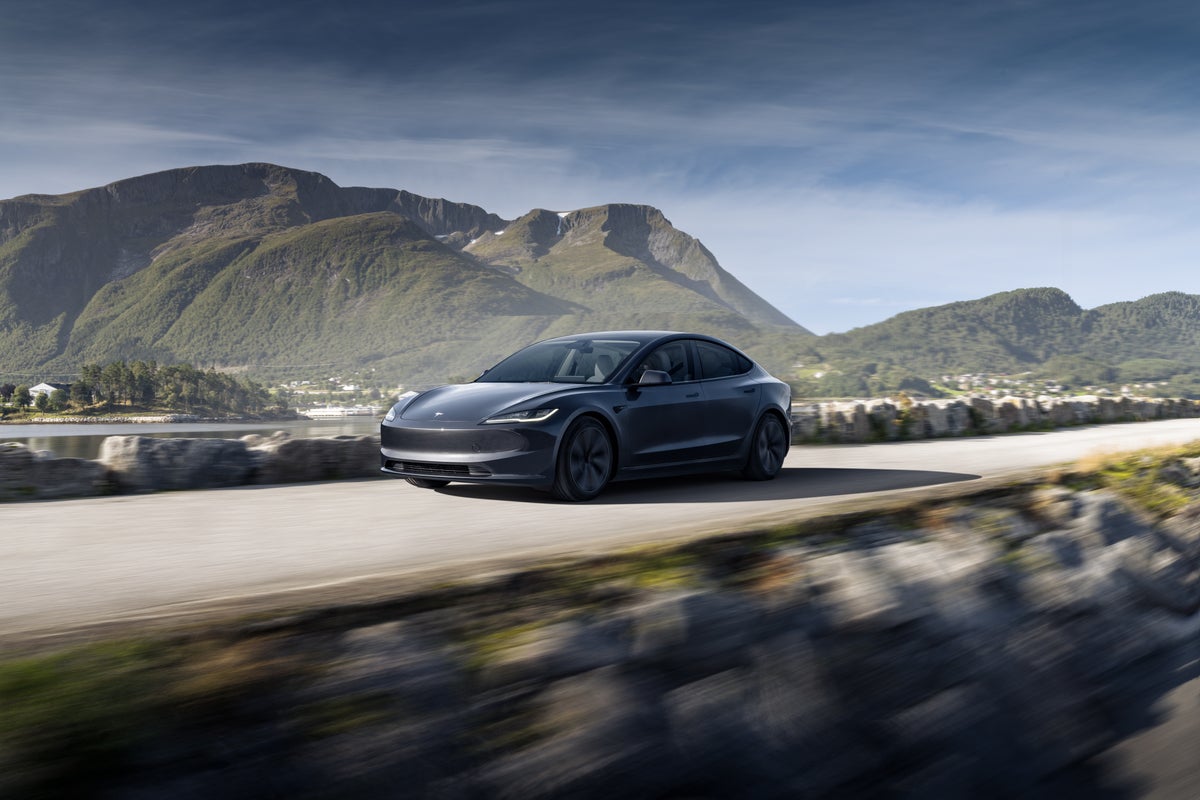
- Launch Delay: Tesla's planned unveiling of the next-generation Roadster, initially set for April 1 in Texas, has been postponed to August or later, resulting in a 5% drop in stock price on Friday, potentially marking the worst week since June 2025 if losses persist.
- Collaboration with SpaceX: Musk revealed that Tesla is collaborating with his rocket manufacturing company SpaceX to achieve acceleration from 0 to 60 mph in under one second, although safety is not the primary goal, which may attract high-end consumers looking for performance.
- Limited Financial Impact: While the new Roadster is seen as the latest addition to Tesla's lineup, Musk indicated that it will have a negligible impact on the company's finances, with an expected starting price of $200,000, significantly higher than the Cybertruck's $79,990 base price.
- Bearish Market Sentiment: On Stocktwits, retail sentiment around TSLA shares remains in the 'bearish' territory, with users generally viewing the stock as overvalued, reflecting investor concerns about Tesla's strategic pivot towards autonomous taxis and humanoid robots.
See More
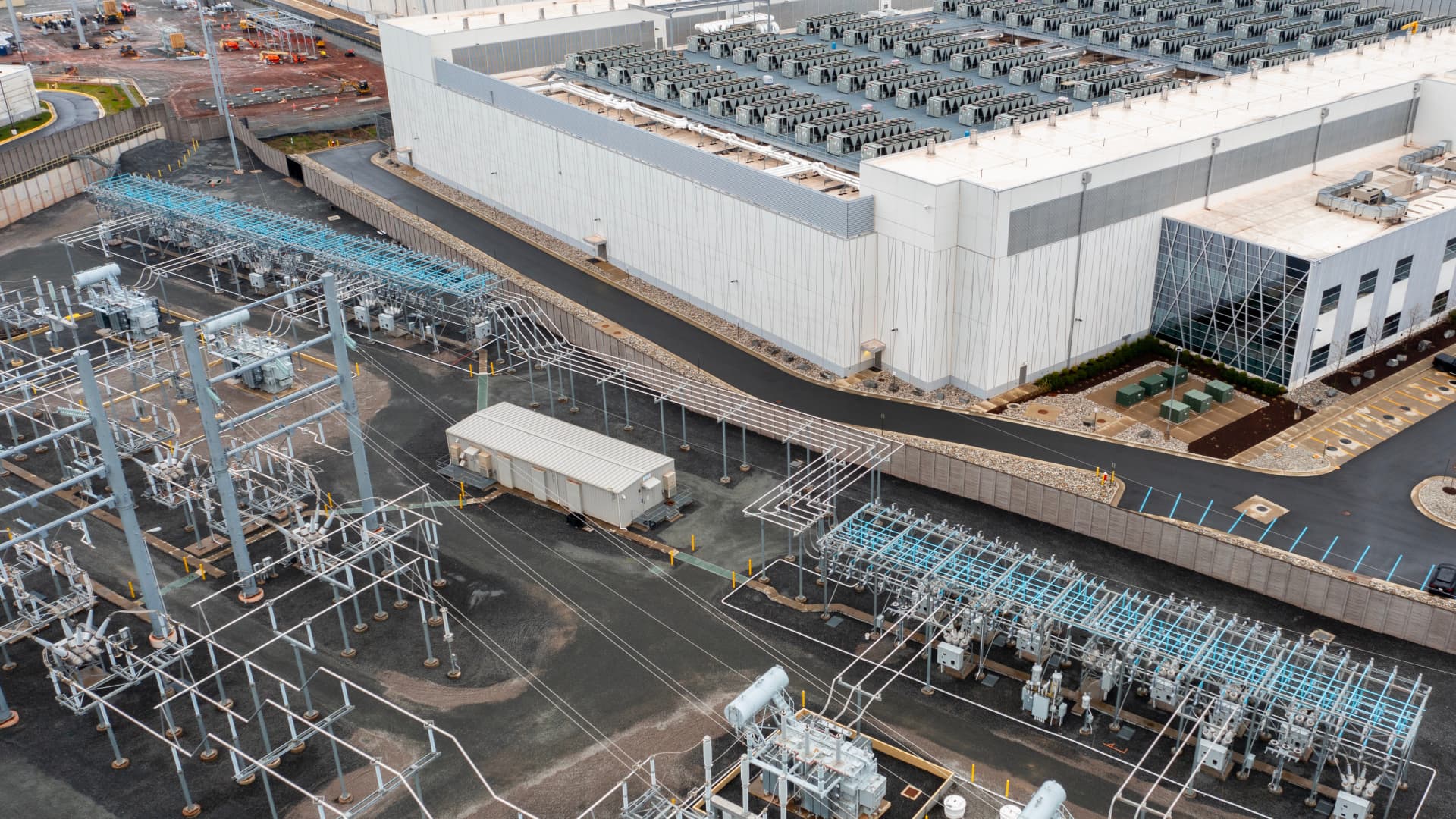
SpaceX IPO Demand Expected to Exceed Supply


- Strong First-Day Performance Expected: Gary Black anticipates that SpaceX's IPO price of $135 will see demand exceed supply, with backing from major Wall Street banks likely to drive a strong trading debut, although historical data shows mixed performance post-first-day surges.
- Role of Investment Banks: Black notes that the involvement of major investment banks typically stimulates institutional demand, and underwriters are likely to 'engineer a Day 1 pop,' creating conditions for a robust performance once trading begins, enticing investors to participate.
- Impact of IPO Restrictions: Due to U.S. restrictions on sensitive technology, underwriters have been instructed not to accept orders from investors in Hong Kong and mainland China, which may affect participation from these markets and add complexity to the IPO process.
- Optimistic Growth Forecasts: Morgan Stanley projects that SpaceX's revenue could grow from $18.7 billion in 2025 to $3.4 trillion by 2040, despite the company reporting a net loss of $4.9 billion in 2025, indicating strong market confidence in its future growth potential.
See More
U.S. Stocks Plunge as Tech Shares Weaken

- Market Decline: The S&P 500 fell by 2.64%, the Nasdaq 100 plummeted 4.77%, and the Dow Jones slipped 1.35%, indicating a shift in market sentiment towards bearishness, particularly driven by weakness in chipmaker stocks amid rising rate hike expectations.
- Employment Data Impact: U.S. nonfarm payrolls increased by 172,000 in May, significantly exceeding the 80,000 jobs forecasted by economists, while the unemployment rate held steady at 4.3%, raising the likelihood of Fed rate hikes and pushing the 10-year yield above 4.5%.
- Tech Stock Sell-off: Major tech shares, including Broadcom (-8%), Micron Tech (-13%), ASML (-7%), and Intel (-12%), experienced significant declines, resulting in a total market value loss of approximately $1.3 trillion for U.S.-traded chipmakers, reflecting investor concerns over a high-rate environment.
- ETF Performance Weakness: The SPDR S&P 500 ETF (SPY) and Invesco QQQ Trust (QQQ) closed down about 3% and 5.3%, respectively, while the VanEck Semiconductor ETF (SMH) dropped 10%, indicating a notable decline in investor confidence in the tech sector.
See More
US Stocks Plunge Sharply, Tech Sector Under Pressure


- Market Decline: The S&P 500 fell 2.64% and the Nasdaq 100 dropped 4.77%, indicating a significant loss of investor confidence in tech stocks, particularly as AI infrastructure and semiconductor companies faced sell-offs, which could impact future investment strategies.
- Strong Employment Data: US nonfarm payrolls rose by 172,000 in May, significantly exceeding expectations of 88,000, while the unemployment rate held steady at 4.3%, potentially prompting the Fed to consider a rate hike at the upcoming meeting, thereby affecting market liquidity and investor sentiment.
- Rising Bond Yields: The 10-year Treasury yield climbed to 4.55%, a two-week high, reflecting heightened expectations for future rate hikes, which may lead to capital outflows from the stock market, further exacerbating market volatility.
- Tech Stock Retreat: Following Broadcom's disappointing chip sales outlook, Marvell and Micron stocks plummeted over 16% and 13%, respectively, suggesting that the market's overly optimistic sentiment towards tech stocks may be correcting, impacting investor confidence.
See More

XPeng Invests $500 Million Annually in AI Development

- Significant R&D Investment: XPeng spends approximately RMB 300 million monthly on AI model training, totaling $500 million annually, which represents a substantial portion of its $6.26 billion cash reserves, reflecting its strong commitment to autonomous driving technology.
- Enhanced Competitive Edge: The company's latest vision-language-action models have reportedly reached or surpassed Tesla's FSD V14 in early testing, indicating significant technological advancements that could bolster its competitive position in the market.
- Strategic Partnership: In 2023, XPeng formed a strategic partnership with German automaker Volkswagen to license its self-driving technology for models in the Chinese market, which could facilitate XPeng's expansion into international markets.
- Market Sentiment Shift: Due to high R&D expenditures and weak vehicle deliveries, XPeng's stock sentiment shifted from 'extremely bullish' to 'bearish' over the past week, indicating investor concerns regarding its future performance.
See More
Tesla Stock Stages Strong Comeback
- Significant Revenue Growth: Tesla's first-quarter revenue rose 16% year-over-year to $22.4 billion, with gross margin recovering to 21.1%, indicating a gradual recovery in profitability after last year's revenue decline, which enhances market confidence in its future prospects.
- Chinese Market Revival: Tesla's sales in China surged approximately 40% year-over-year in May, marking the strongest monthly sales figure of 2026, suggesting an improvement in performance in this critical market that could bolster overall results.
- Autonomous Driving Service Expansion: Tesla expanded its driverless Robotaxi service to Dallas and Houston, with the miles driven by its robotaxis nearly doubling from the previous quarter, demonstrating ongoing progress in the autonomous driving sector, although management is adopting a cautious expansion strategy.
- Valuation Risk: With a current price-to-earnings ratio of about 390, Tesla's valuation reflects high market expectations for its future autonomous driving and humanoid robot businesses, posing significant risks, especially against the backdrop of a shrinking core automotive business, with stock price projections for the next three years ranging between $300 and $600.
See More
Tesla Delays Next-Gen Roadster Unveiling
- Launch Delay: Tesla's planned unveiling of the next-generation Roadster, initially set for April 1 in Texas, has been postponed to August or later, resulting in a 5% drop in stock price on Friday, potentially marking the worst week since June 2025 if losses persist.
- Collaboration with SpaceX: Musk revealed that Tesla is collaborating with his rocket manufacturing company SpaceX to achieve acceleration from 0 to 60 mph in under one second, although safety is not the primary goal, which may attract high-end consumers looking for performance.
- Limited Financial Impact: While the new Roadster is seen as the latest addition to Tesla's lineup, Musk indicated that it will have a negligible impact on the company's finances, with an expected starting price of $200,000, significantly higher than the Cybertruck's $79,990 base price.
- Bearish Market Sentiment: On Stocktwits, retail sentiment around TSLA shares remains in the 'bearish' territory, with users generally viewing the stock as overvalued, reflecting investor concerns about Tesla's strategic pivot towards autonomous taxis and humanoid robots.
See More
SpaceX IPO Demand Expected to Exceed Supply
- Strong First-Day Performance Expected: Gary Black anticipates that SpaceX's IPO price of $135 will see demand exceed supply, with backing from major Wall Street banks likely to drive a strong trading debut, although historical data shows mixed performance post-first-day surges.
- Role of Investment Banks: Black notes that the involvement of major investment banks typically stimulates institutional demand, and underwriters are likely to 'engineer a Day 1 pop,' creating conditions for a robust performance once trading begins, enticing investors to participate.
- Impact of IPO Restrictions: Due to U.S. restrictions on sensitive technology, underwriters have been instructed not to accept orders from investors in Hong Kong and mainland China, which may affect participation from these markets and add complexity to the IPO process.
- Optimistic Growth Forecasts: Morgan Stanley projects that SpaceX's revenue could grow from $18.7 billion in 2025 to $3.4 trillion by 2040, despite the company reporting a net loss of $4.9 billion in 2025, indicating strong market confidence in its future growth potential.
See More
U.S. Stocks Plunge as Tech Shares Weaken
- Market Decline: The S&P 500 fell by 2.64%, the Nasdaq 100 plummeted 4.77%, and the Dow Jones slipped 1.35%, indicating a shift in market sentiment towards bearishness, particularly driven by weakness in chipmaker stocks amid rising rate hike expectations.
- Employment Data Impact: U.S. nonfarm payrolls increased by 172,000 in May, significantly exceeding the 80,000 jobs forecasted by economists, while the unemployment rate held steady at 4.3%, raising the likelihood of Fed rate hikes and pushing the 10-year yield above 4.5%.
- Tech Stock Sell-off: Major tech shares, including Broadcom (-8%), Micron Tech (-13%), ASML (-7%), and Intel (-12%), experienced significant declines, resulting in a total market value loss of approximately $1.3 trillion for U.S.-traded chipmakers, reflecting investor concerns over a high-rate environment.
- ETF Performance Weakness: The SPDR S&P 500 ETF (SPY) and Invesco QQQ Trust (QQQ) closed down about 3% and 5.3%, respectively, while the VanEck Semiconductor ETF (SMH) dropped 10%, indicating a notable decline in investor confidence in the tech sector.
See More
US Stocks Plunge Sharply, Tech Sector Under Pressure
- Market Decline: The S&P 500 fell 2.64% and the Nasdaq 100 dropped 4.77%, indicating a significant loss of investor confidence in tech stocks, particularly as AI infrastructure and semiconductor companies faced sell-offs, which could impact future investment strategies.
- Strong Employment Data: US nonfarm payrolls rose by 172,000 in May, significantly exceeding expectations of 88,000, while the unemployment rate held steady at 4.3%, potentially prompting the Fed to consider a rate hike at the upcoming meeting, thereby affecting market liquidity and investor sentiment.
- Rising Bond Yields: The 10-year Treasury yield climbed to 4.55%, a two-week high, reflecting heightened expectations for future rate hikes, which may lead to capital outflows from the stock market, further exacerbating market volatility.
- Tech Stock Retreat: Following Broadcom's disappointing chip sales outlook, Marvell and Micron stocks plummeted over 16% and 13%, respectively, suggesting that the market's overly optimistic sentiment towards tech stocks may be correcting, impacting investor confidence.
See More
XPeng Invests $500 Million Annually in AI Development
- Significant R&D Investment: XPeng spends approximately RMB 300 million monthly on AI model training, totaling $500 million annually, which represents a substantial portion of its $6.26 billion cash reserves, reflecting its strong commitment to autonomous driving technology.
- Enhanced Competitive Edge: The company's latest vision-language-action models have reportedly reached or surpassed Tesla's FSD V14 in early testing, indicating significant technological advancements that could bolster its competitive position in the market.
- Strategic Partnership: In 2023, XPeng formed a strategic partnership with German automaker Volkswagen to license its self-driving technology for models in the Chinese market, which could facilitate XPeng's expansion into international markets.
- Market Sentiment Shift: Due to high R&D expenditures and weak vehicle deliveries, XPeng's stock sentiment shifted from 'extremely bullish' to 'bearish' over the past week, indicating investor concerns regarding its future performance.
See More