U.S. Stocks Hit Record Highs, Tech Stocks Lead Gains
Written by Emily J. Thompson, Senior Investment Analyst
Updated: May 13 2026
0mins


Source: stocktwits
- Tech Stock Surge: The Nasdaq rose 1.4% and the S&P 500 gained 0.6%, both reaching record highs, indicating strong performance in tech stocks, particularly with NVIDIA hitting all-time highs, reflecting increased investor confidence in the technology sector.
- Rising Inflation Pressures: The producer price index surged 6% year-over-year in April, marking the highest level in four years and the sharpest monthly increase since 2022, indicating heightened cost pressures for producers that could influence future monetary policy and raise concerns about interest rate hikes.
- New Fed Chair Confirmation: The U.S. Senate confirmed Kevin Warsh as the 17th chair of the Federal Reserve, and while he advocates for lower rates, the current inflation signals have led to market uncertainty regarding future policy directions, potentially increasing market volatility.
- Energy Market Trends: Brent crude oil prices settled near $104.85 per barrel, as fears of rising U.S. interest rates dampened global demand outlook; however, the International Energy Agency warned that global oil supply could remain below demand until 2026 due to ongoing disruptions in the Middle East.
Trade with 70% Backtested Accuracy
Stop guessing "Should I Buy NVDA?" and start using high-conviction signals backed by rigorous historical data.
Sign up today to access powerful investing tools and make smarter, data-driven decisions.
Analyst Views on NVDA
Wall Street analysts forecast NVDA stock price to rise
41 Analyst Rating
39 Buy
1 Hold
1 Sell
Strong Buy
Current: 218.660

Low
200.00
Averages
264.97
High
352.00
Current: 218.660
Low
200.00
Averages
264.97
High
352.00
About NVDA
NVIDIA Corporation is an artificial intelligence (AI) infrastructure company. The Company is engaged in accelerated computing to help solve the challenging computational problems. Its segments include Compute & Networking and Graphics. The Compute & Networking segment includes its Data Center accelerated computing and networking platforms and AI solutions and software, and automotive platforms and autonomous and electric vehicle solutions, including software. The Graphics segment includes GeForce GPUs for gaming and personal computers (PCs), and Quadro/NVIDIA RTX GPUs for enterprise workstation graphics. Its technology stack includes the foundational NVIDIA CUDA development platform that runs on all NVIDIA GPUs, as well as hundreds of domain-specific software libraries, frameworks, algorithms, software development kits (SDKs), and application programming interfaces (APIs). Its platforms address four markets, which include Data Center, Gaming, Professional Visualization, and Automotive.
About the author

Emily J. Thompson
Emily J. Thompson, a Chartered Financial Analyst (CFA) with 12 years in investment research, graduated with honors from the Wharton School. Specializing in industrial and technology stocks, she provides in-depth analysis for Intellectia’s earnings and market brief reports.
Anthropic Plans Initial Public Offering Amid AI Boom

- IPO Filing: Anthropic confidentially filed for an IPO with the SEC on June 1, indicating its rapid growth in the AI sector and positioning itself as a potential trillion-dollar company, likely to attract significant investor interest.
- Funding Background: Following a $65 billion Series H funding round, Anthropic's valuation reached $965 billion, surpassing OpenAI's $852 billion, reflecting strong competitive positioning and investor confidence in the AI market.
- Profitability Outlook: Anthropic expects to achieve nearly $50 billion in annualized revenue by the end of June and to turn an operating profit in the current quarter, making its IPO valuation potentially more attractive with a 20x forward revenue multiple compared to OpenAI's 40x.
- Market Sentiment: There is considerable anticipation for Anthropic's IPO, with investors assigning a 53% chance that its market cap will exceed $1.8 trillion on the first day of trading, indicating optimistic expectations for its future performance.
See More

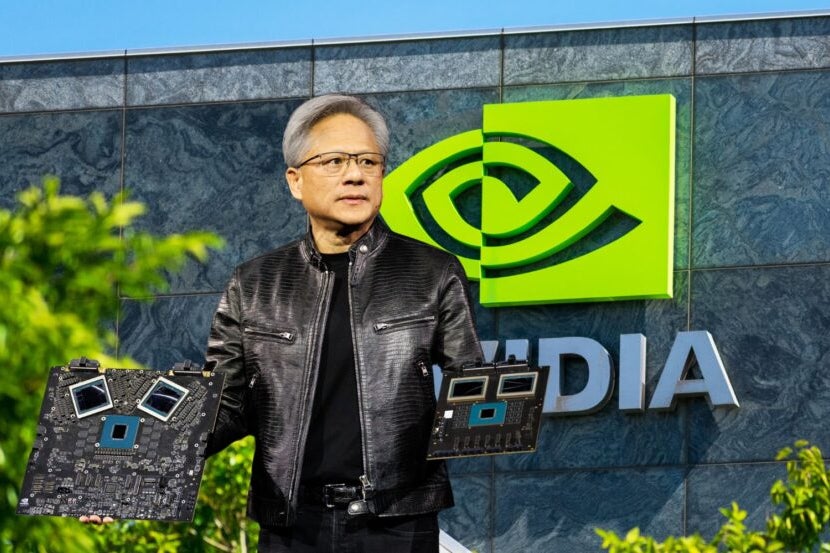
Nvidia Shares Drop Amid Macro Pressures and Senate Hearing

- Stock Decline: Nvidia shares fell 5.9% in the afternoon session, primarily driven by macroeconomic pressures and an impending Senate hearing, despite impressive product updates earlier this week.
- Product Launch: At Computex, Nvidia confirmed that the Vera Rubin data center platform has entered full production, with deliveries expected to begin in Q3 2026, while also unveiling the RTX Spark AI processor, directly challenging Intel and AMD in the market.
- China Market Risk: Senator Elizabeth Warren has invited CEO Jensen Huang to testify on June 11 regarding Nvidia's export compliance to China, which could impact investor confidence in the company's future prospects.
- Market Reaction: Although Nvidia's stock has risen 9.3% this year, the current price remains 12.6% below its 52-week high, indicating market concerns about future growth, prompting investors to carefully assess buying opportunities.
See More
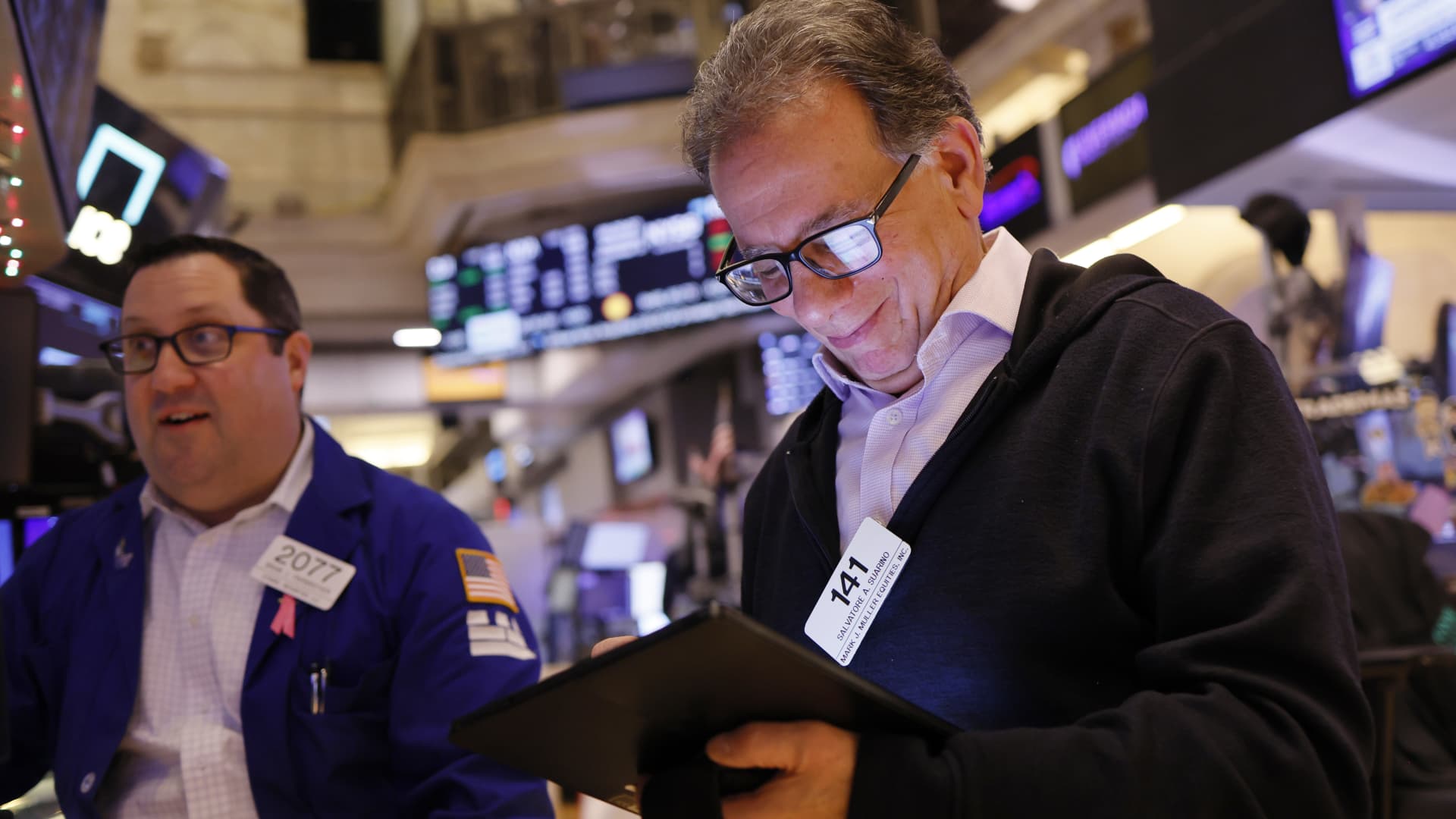
Who is the AI Chip King After Nvidia?

- Market Potential: Statista estimates that the AI chip market will reach $333 billion by 2030, providing lucrative investment opportunities for companies like Broadcom and AMD, even as Nvidia maintains its dominance.
- AMD's Challenge: AMD's data center revenue grew 57% year-over-year to $5.8 billion in Q1 2026, although it faces tough competition against Nvidia, particularly in the general-purpose AI chip sector.
- Broadcom's Customization Advantage: By co-designing XPU chips with clients, Broadcom focuses on customized solutions that enhance efficiency and customer loyalty, with expectations of reaching $100 billion in annual sales by 2027.
- Investor Confidence: Despite Broadcom's Q2 AI revenue guidance falling short of expectations, the CEO reiterated long-term goals, indicating strong growth potential in the AI market, which has attracted investor interest.
See More
SEC Eliminates Day Trading Rule, Benefits Discount Brokers
- Rule Update: The SEC has eliminated a 25-year-old day trading rule, allowing investors to day trade with a minimum account balance of $2,000, significantly lowering the entry barrier and likely attracting more small investors into the market.
- Industry Impact: Discount brokers like Charles Schwab and E*TRADE are expected to benefit from a potential 40% increase in trading volume, which will not only boost their revenues but also enhance their competitive position in attracting new investors.
- Increased Flexibility: The new rules eliminate specific requirements for day traders, meaning brokers no longer need to track the number of day trades, simplifying the trading process and increasing client trading flexibility, further promoting the practice of day trading.
- Risk Warning: While day trading becomes easier, leveraging trades remains high-risk, and investors should exercise caution, especially since most investors are better suited for long-term holding strategies.
See More

Meta's Stock Slide Amid AI Investment Plans

- Advertising Revenue Surge: Meta's Q1 2026 revenue rose 33% year-over-year to $56.3 billion, with advertising accounting for 97% of this growth, showcasing the significant impact of AI on ad performance, although profit growth has not kept pace with revenue increases.
- Soaring Capital Expenditures: Meta anticipates capital expenditures for 2026 to range from $125 billion to $145 billion, nearly doubling the $72 billion spent in 2025, primarily due to rising component costs, which could pressure future profitability.
- AI Driving User Engagement: Meta's AI tools have led to over a 6% increase in ad conversion rates, while time spent on Instagram Reels rose by 10%, indicating AI's potential in enhancing user engagement and ad effectiveness, despite high spending potentially impacting profits.
- Market Risks and Uncertainty: With nearly all revenue tied to advertising, an economic slowdown could significantly impact Meta's business, and if spending remains high while growth slows, the stock price may face further declines.
See More
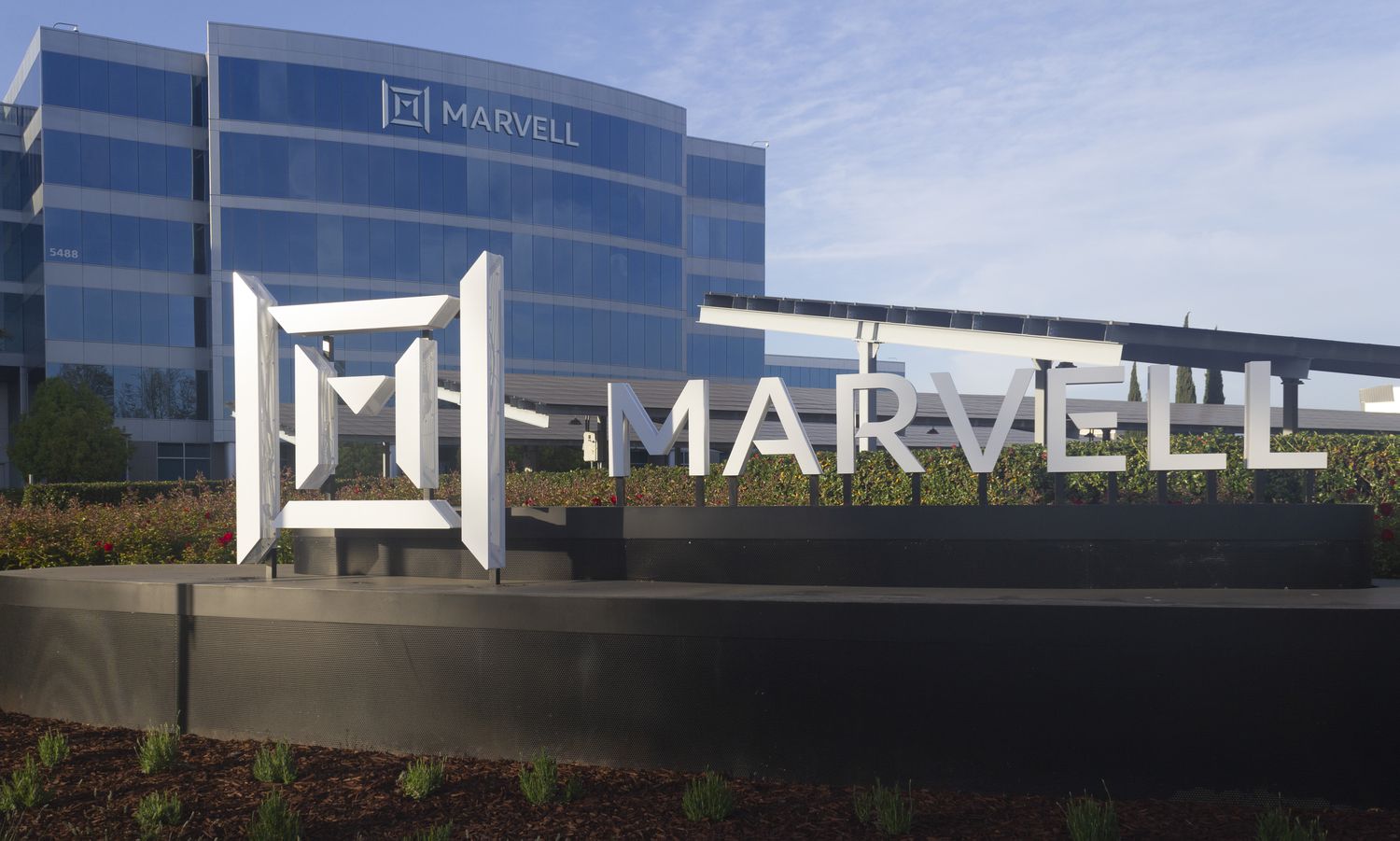
Jensen Huang Declares Marvell the Next Trillion-Dollar Company

- Strategic Partnership Investment: Nvidia and Marvell announced a strategic partnership in late March, with Nvidia investing $2 billion into Marvell to leverage the NVLink ecosystem for developing semi-custom AI infrastructure, thereby enhancing Marvell's technological advancement and market competitiveness in the AI sector.
- Financial Growth Potential: Marvell's fiscal 2026 revenue approached $8.2 billion, marking a 42% year-over-year increase, with first-quarter fiscal 2027 revenue hitting $2.4 billion; the company anticipates a 40% growth in data center revenue and a 50% increase in its interconnect business, indicating strong market demand and growth potential.
- Market Valuation Challenges: Although Marvell's market capitalization exceeds $275 billion, its trailing P/E ratio is over 100, and its enterprise value exceeds 55 times EBITDA, suggesting that its stock is trading at a premium, necessitating cautious risk assessment by investors.
- Enhanced Industry Position: Jensen Huang's endorsement elevates Marvell from a speculative AI company to a serious market player, and despite challenges such as high customer concentration and insider selling, its positioning in the AI boom suggests a promising long-term investment outlook.
See More
Anthropic Plans Initial Public Offering Amid AI Boom
- IPO Filing: Anthropic confidentially filed for an IPO with the SEC on June 1, indicating its rapid growth in the AI sector and positioning itself as a potential trillion-dollar company, likely to attract significant investor interest.
- Funding Background: Following a $65 billion Series H funding round, Anthropic's valuation reached $965 billion, surpassing OpenAI's $852 billion, reflecting strong competitive positioning and investor confidence in the AI market.
- Profitability Outlook: Anthropic expects to achieve nearly $50 billion in annualized revenue by the end of June and to turn an operating profit in the current quarter, making its IPO valuation potentially more attractive with a 20x forward revenue multiple compared to OpenAI's 40x.
- Market Sentiment: There is considerable anticipation for Anthropic's IPO, with investors assigning a 53% chance that its market cap will exceed $1.8 trillion on the first day of trading, indicating optimistic expectations for its future performance.
See More
Nvidia Shares Drop Amid Macro Pressures and Senate Hearing
- Stock Decline: Nvidia shares fell 5.9% in the afternoon session, primarily driven by macroeconomic pressures and an impending Senate hearing, despite impressive product updates earlier this week.
- Product Launch: At Computex, Nvidia confirmed that the Vera Rubin data center platform has entered full production, with deliveries expected to begin in Q3 2026, while also unveiling the RTX Spark AI processor, directly challenging Intel and AMD in the market.
- China Market Risk: Senator Elizabeth Warren has invited CEO Jensen Huang to testify on June 11 regarding Nvidia's export compliance to China, which could impact investor confidence in the company's future prospects.
- Market Reaction: Although Nvidia's stock has risen 9.3% this year, the current price remains 12.6% below its 52-week high, indicating market concerns about future growth, prompting investors to carefully assess buying opportunities.
See More
Who is the AI Chip King After Nvidia?
- Market Potential: Statista estimates that the AI chip market will reach $333 billion by 2030, providing lucrative investment opportunities for companies like Broadcom and AMD, even as Nvidia maintains its dominance.
- AMD's Challenge: AMD's data center revenue grew 57% year-over-year to $5.8 billion in Q1 2026, although it faces tough competition against Nvidia, particularly in the general-purpose AI chip sector.
- Broadcom's Customization Advantage: By co-designing XPU chips with clients, Broadcom focuses on customized solutions that enhance efficiency and customer loyalty, with expectations of reaching $100 billion in annual sales by 2027.
- Investor Confidence: Despite Broadcom's Q2 AI revenue guidance falling short of expectations, the CEO reiterated long-term goals, indicating strong growth potential in the AI market, which has attracted investor interest.
See More
SEC Eliminates Day Trading Rule, Benefits Discount Brokers
- Rule Update: The SEC has eliminated a 25-year-old day trading rule, allowing investors to day trade with a minimum account balance of $2,000, significantly lowering the entry barrier and likely attracting more small investors into the market.
- Industry Impact: Discount brokers like Charles Schwab and E*TRADE are expected to benefit from a potential 40% increase in trading volume, which will not only boost their revenues but also enhance their competitive position in attracting new investors.
- Increased Flexibility: The new rules eliminate specific requirements for day traders, meaning brokers no longer need to track the number of day trades, simplifying the trading process and increasing client trading flexibility, further promoting the practice of day trading.
- Risk Warning: While day trading becomes easier, leveraging trades remains high-risk, and investors should exercise caution, especially since most investors are better suited for long-term holding strategies.
See More
Meta's Stock Slide Amid AI Investment Plans
- Advertising Revenue Surge: Meta's Q1 2026 revenue rose 33% year-over-year to $56.3 billion, with advertising accounting for 97% of this growth, showcasing the significant impact of AI on ad performance, although profit growth has not kept pace with revenue increases.
- Soaring Capital Expenditures: Meta anticipates capital expenditures for 2026 to range from $125 billion to $145 billion, nearly doubling the $72 billion spent in 2025, primarily due to rising component costs, which could pressure future profitability.
- AI Driving User Engagement: Meta's AI tools have led to over a 6% increase in ad conversion rates, while time spent on Instagram Reels rose by 10%, indicating AI's potential in enhancing user engagement and ad effectiveness, despite high spending potentially impacting profits.
- Market Risks and Uncertainty: With nearly all revenue tied to advertising, an economic slowdown could significantly impact Meta's business, and if spending remains high while growth slows, the stock price may face further declines.
See More
Jensen Huang Declares Marvell the Next Trillion-Dollar Company
- Strategic Partnership Investment: Nvidia and Marvell announced a strategic partnership in late March, with Nvidia investing $2 billion into Marvell to leverage the NVLink ecosystem for developing semi-custom AI infrastructure, thereby enhancing Marvell's technological advancement and market competitiveness in the AI sector.
- Financial Growth Potential: Marvell's fiscal 2026 revenue approached $8.2 billion, marking a 42% year-over-year increase, with first-quarter fiscal 2027 revenue hitting $2.4 billion; the company anticipates a 40% growth in data center revenue and a 50% increase in its interconnect business, indicating strong market demand and growth potential.
- Market Valuation Challenges: Although Marvell's market capitalization exceeds $275 billion, its trailing P/E ratio is over 100, and its enterprise value exceeds 55 times EBITDA, suggesting that its stock is trading at a premium, necessitating cautious risk assessment by investors.
- Enhanced Industry Position: Jensen Huang's endorsement elevates Marvell from a speculative AI company to a serious market player, and despite challenges such as high customer concentration and insider selling, its positioning in the AI boom suggests a promising long-term investment outlook.
See More