U.S. Opens Probe into Rivian Electric Vehicles Over Safety Issue
Written by Emily J. Thompson, Senior Investment Analyst
Updated: 1 day ago
0mins
Source: Newsfilter
- Probe Initiation: The U.S. National Highway Traffic Safety Administration (NHTSA) has opened a preliminary investigation into 114,922 Rivian electric vehicles, focusing on the rear toe link issue in R1S and R1T models, indicating potential safety management concerns for the company.
- Safety Risks: Reports indicate that the left rear toe link may separate while driving, causing vehicles to swerve across multiple lanes, with one incident resulting in a collision with an adjacent vehicle and roadside barrier, highlighting the severity of this issue.
- Repair Procedure Evaluation: NHTSA will assess the sensitivity of the rear toe link joint under foreseeable road and service conditions and review Rivian's current repair procedures, which could impact the company's brand reputation and future sales.
- Recall History: In January, Rivian recalled nearly 20,000 R1S and R1T electric vehicles due to incorrectly assembled rear toe links, revealing challenges in the company's quality control that may negatively affect consumer confidence.
Trade with 70% Backtested Accuracy
Stop guessing "Should I Buy RIVN?" and start using high-conviction signals backed by rigorous historical data.
Sign up today to access powerful investing tools and make smarter, data-driven decisions.
Analyst Views on RIVN
Wall Street analysts forecast RIVN stock price to rise
18 Analyst Rating
8 Buy
7 Hold
3 Sell
Moderate Buy
Current: 15.200

Low
10.00
Averages
17.78
High
25.00
Current: 15.200
Low
10.00
Averages
17.78
High
25.00
About RIVN
Rivian Automotive, Inc. is an automotive technology company, which is engaged in developing and manufacturing category-defining electric vehicles (EVs) as well as vertically integrated technologies and services. The Company's R1 platform consists of two vehicles: the R1T, a two-row five-passenger pickup truck, and the R1S, a three-row seven-passenger sport utility vehicle (SUV). In the commercial market, the Company offers a Rivian Commercial Vehicle (RCV) platform. The vehicle on this platform is the Electric Delivery Van (EDV), designed and engineered by Rivian in collaboration with Amazon. The Company also offers FleetOS, its proprietary, end-to-end centralized fleet management subscription platform. It also offers a variety of services, including vehicle repair and maintenance, financing, insurance, joint venture, software subscriptions, and vehicle accessories, among others. Its other services include vehicle electrical architecture and software development services, and more.
About the author

Emily J. Thompson
Emily J. Thompson, a Chartered Financial Analyst (CFA) with 12 years in investment research, graduated with honors from the Wharton School. Specializing in industrial and technology stocks, she provides in-depth analysis for Intellectia’s earnings and market brief reports.

Robotaxi Market Could Reach $10 Trillion


- Massive Market Potential: According to ARK Invest CEO Cathie Wood, the global robotaxi market is projected to reach between $8 trillion and $10 trillion, indicating that rapid advancements in artificial intelligence will drive swift market development.
- Tesla's Leading Position: Tesla's ongoing investments in full self-driving capabilities have given it a significant edge in the robotaxi market, particularly with its $20 billion capital expenditure plan focusing on AI and autonomy technologies.
- Rivian's Market Opportunity: Although Rivian's valuation stands at only $20 billion, its investments in AI and self-driving are beginning to pay off, especially with a $1.25 billion deal with Uber for 50,000 vehicles for its robotaxi service.
- Competitive Landscape: As the commercialization of robotaxis takes shape, Tesla and Rivian are expected to be key players, with Tesla leveraging its technological advantages while Rivian seeks growth through supply chain strategies, reflecting a significant shift in future mobility.
See More
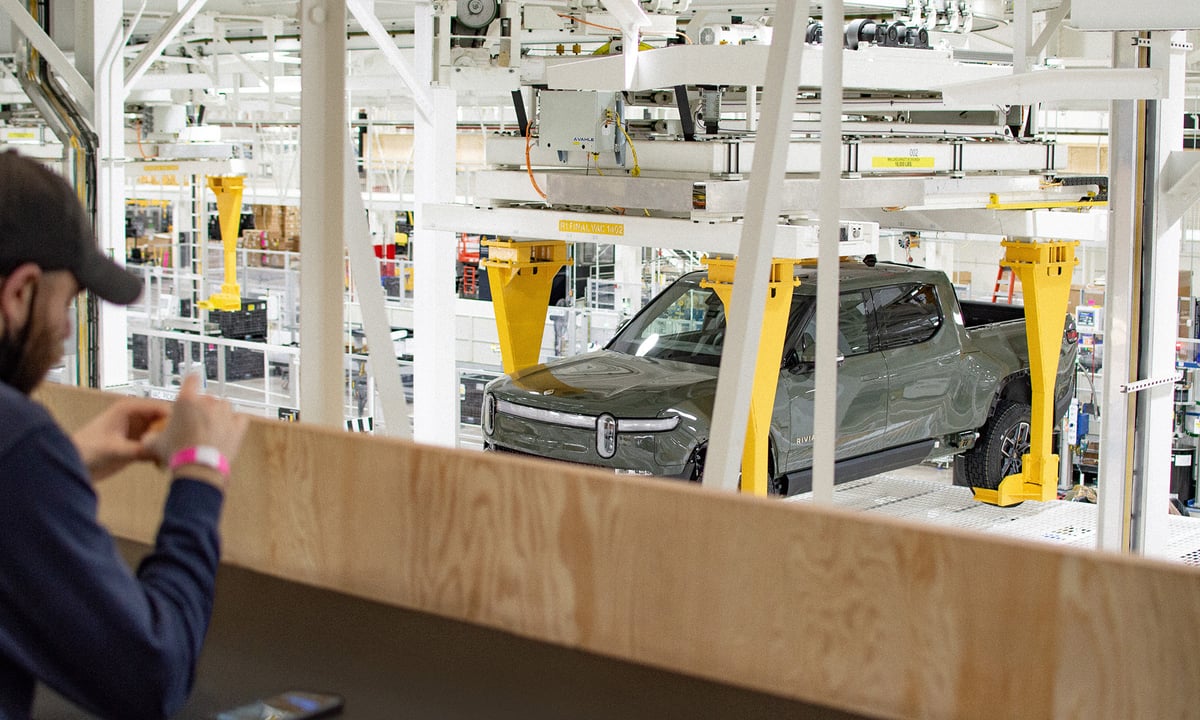
Emerging Robotaxi Opportunities in EV Market
- Massive Market Opportunity: The global robotaxi market is projected to reach $8 trillion to $10 trillion, highlighting the unprecedented growth potential for the EV sector driven by rapid advancements in artificial intelligence, a prospect that traditional auto stocks lack.
- Tesla's Leading Position: Tesla's investment in full self-driving capabilities has reached $20 billion, and its $2 billion stake in xAI, along with the production of Cybercab, underscores its strong competitiveness in the robotaxi market, despite a market cap of $1.7 trillion.
- Rivian's Strategic Investments: Rivian has decided to ramp up investments in AI and self-driving, and although it no longer expects to achieve profitability by 2027, its $1.25 billion deal with Uber for 50,000 vehicles illustrates its role as a supplier in the robotaxi market.
- Optimistic Industry Outlook: McKinsey forecasts that robotaxis will be rolled out on a large scale by 2030, positioning Tesla and Rivian strategically to capture significant market share in this emerging sector, thereby driving future business growth.
See More
EV Stocks Poised for Autonomous Driving Revolution
- Autonomous Driving Outlook: Experts predict that by 2030, autonomous vehicles will be widely adopted, with robotaxis expected to be the first commercial application, representing a market potential of $5 trillion to $10 trillion, benefiting electric vehicle companies significantly.
- Tesla's Market Leadership: Tesla, with a current valuation of $1.3 trillion, heavily relies on robotaxi growth potential and has initiated pilot programs in several U.S. cities, with plans for widespread deployment by the end of the year.
- Rivian's Growth Potential: Rivian, valued at $18 billion, may have more upside than Tesla despite lower production capacity; its $1.25 billion investment deal with Uber indicates strong interest in its upcoming R2 SUV for robotaxi fleets.
- Advantages of EVs: Electric vehicles are better suited for robotaxi operations due to lower maintenance and operating costs, attracting potential operators and accelerating the growth of the EV market.
See More

Autonomous Driving Market Poised for Trillions
- Massive Market Potential: Experts predict that by 2030, autonomous vehicles will become the norm in many parts of the world, with the market expected to reach trillions of dollars, driving strong growth in electric vehicle stocks.
- Rise of Robotaxis: A McKinsey report indicates that robotaxis are expected to roll out on a large scale by 2030, becoming the first commercial application, with electric vehicles being better suited for this market due to lower maintenance costs and advanced technology.
- Tesla's Leading Position: Tesla currently has a market valuation of $1.3 trillion, heavily reliant on its robotaxi growth potential, and has initiated pilot programs in several U.S. cities, with widespread deployment expected by the end of the year.
- Rivian's Market Opportunity: Rivian, valued at $18 billion, may have significant upside potential despite lacking all of Tesla's competitive advantages, as evidenced by its $1.25 billion investment agreement with Uber, indicating its potential as a key supplier in the robotaxi market.
See More
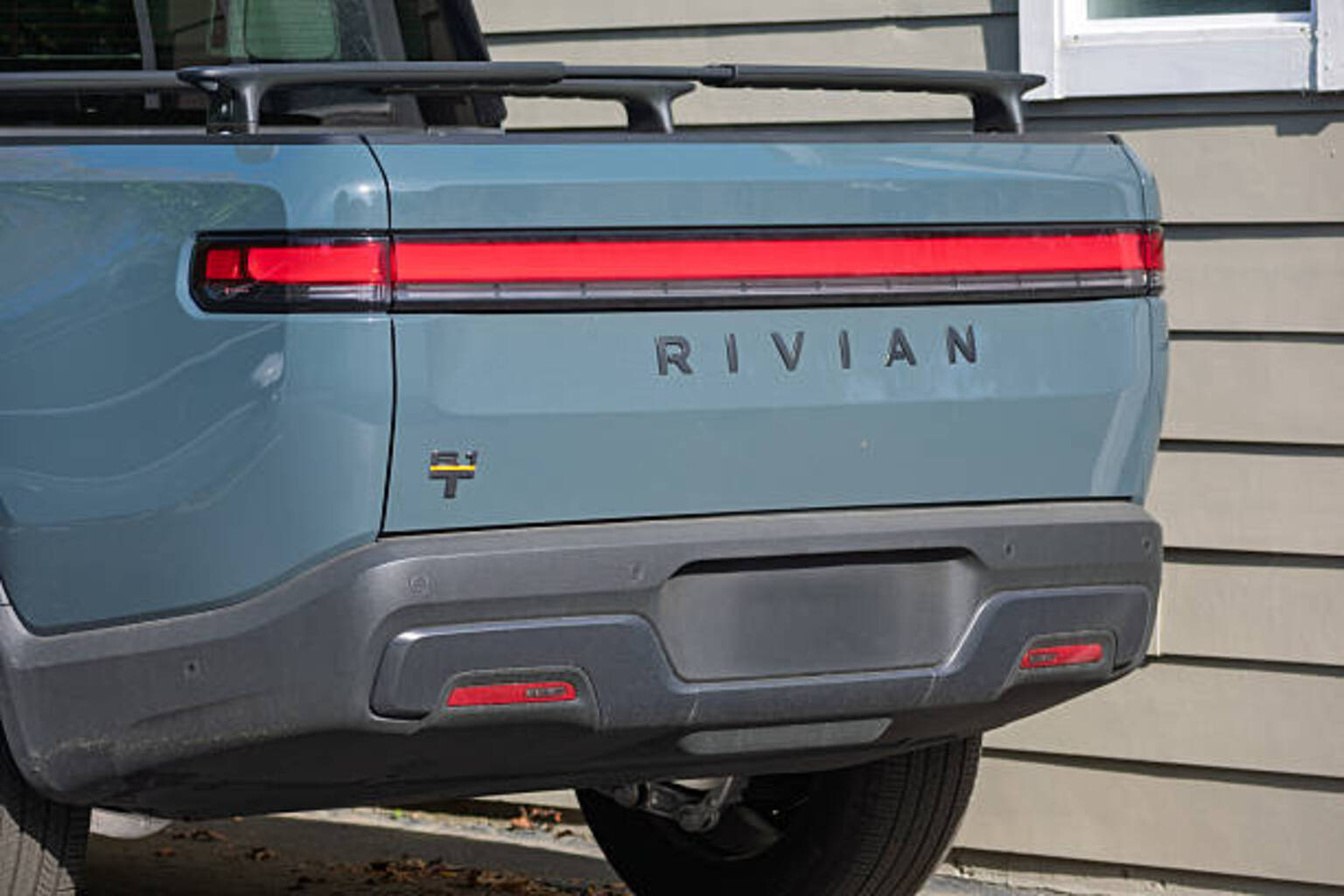
NHTSA Opens Probe into 114,922 Rivian Vehicles Over Safety Concerns
- Probe Initiation: The NHTSA has opened a preliminary investigation into 114,922 Rivian vehicles due to potential issues with the rear toe link in 2023-2024 R1S and R1T models, where reports indicate component separation while driving, causing vehicles to swerve across multiple lanes.
- Accident Reports: Both reports highlighted that the bolt maintaining the toe link's integrity fractured, resulting in a collision with an adjacent vehicle and roadside barrier, underscoring the severity and potential safety risks associated with this issue.
- Historical Analysis: The two vehicles involved had different service histories, with one having prior service and the other previously involved in a collision, yet both operated for several months and thousands of miles without apparent issues, indicating the unpredictability of the failure.
- Repair Procedure Evaluation: Rivian acknowledged the sensitivity of the toe link joint to service procedures in March 2025 and extended improved repair procedures to previously serviced vehicles in January 2026, while the NHTSA is assessing the effectiveness of these procedures and their impact on the affected vehicle population.
See More
U.S. Opens Probe into Rivian Electric Vehicles Over Safety Issue
- Probe Initiation: The U.S. National Highway Traffic Safety Administration (NHTSA) has opened a preliminary investigation into 114,922 Rivian electric vehicles, focusing on the rear toe link issue in R1S and R1T models, indicating potential safety management concerns for the company.
- Safety Risks: Reports indicate that the left rear toe link may separate while driving, causing vehicles to swerve across multiple lanes, with one incident resulting in a collision with an adjacent vehicle and roadside barrier, highlighting the severity of this issue.
- Repair Procedure Evaluation: NHTSA will assess the sensitivity of the rear toe link joint under foreseeable road and service conditions and review Rivian's current repair procedures, which could impact the company's brand reputation and future sales.
- Recall History: In January, Rivian recalled nearly 20,000 R1S and R1T electric vehicles due to incorrectly assembled rear toe links, revealing challenges in the company's quality control that may negatively affect consumer confidence.
See More
Robotaxi Market Could Reach $10 Trillion
- Massive Market Potential: According to ARK Invest CEO Cathie Wood, the global robotaxi market is projected to reach between $8 trillion and $10 trillion, indicating that rapid advancements in artificial intelligence will drive swift market development.
- Tesla's Leading Position: Tesla's ongoing investments in full self-driving capabilities have given it a significant edge in the robotaxi market, particularly with its $20 billion capital expenditure plan focusing on AI and autonomy technologies.
- Rivian's Market Opportunity: Although Rivian's valuation stands at only $20 billion, its investments in AI and self-driving are beginning to pay off, especially with a $1.25 billion deal with Uber for 50,000 vehicles for its robotaxi service.
- Competitive Landscape: As the commercialization of robotaxis takes shape, Tesla and Rivian are expected to be key players, with Tesla leveraging its technological advantages while Rivian seeks growth through supply chain strategies, reflecting a significant shift in future mobility.
See More
Emerging Robotaxi Opportunities in EV Market
- Massive Market Opportunity: The global robotaxi market is projected to reach $8 trillion to $10 trillion, highlighting the unprecedented growth potential for the EV sector driven by rapid advancements in artificial intelligence, a prospect that traditional auto stocks lack.
- Tesla's Leading Position: Tesla's investment in full self-driving capabilities has reached $20 billion, and its $2 billion stake in xAI, along with the production of Cybercab, underscores its strong competitiveness in the robotaxi market, despite a market cap of $1.7 trillion.
- Rivian's Strategic Investments: Rivian has decided to ramp up investments in AI and self-driving, and although it no longer expects to achieve profitability by 2027, its $1.25 billion deal with Uber for 50,000 vehicles illustrates its role as a supplier in the robotaxi market.
- Optimistic Industry Outlook: McKinsey forecasts that robotaxis will be rolled out on a large scale by 2030, positioning Tesla and Rivian strategically to capture significant market share in this emerging sector, thereby driving future business growth.
See More
EV Stocks Poised for Autonomous Driving Revolution
- Autonomous Driving Outlook: Experts predict that by 2030, autonomous vehicles will be widely adopted, with robotaxis expected to be the first commercial application, representing a market potential of $5 trillion to $10 trillion, benefiting electric vehicle companies significantly.
- Tesla's Market Leadership: Tesla, with a current valuation of $1.3 trillion, heavily relies on robotaxi growth potential and has initiated pilot programs in several U.S. cities, with plans for widespread deployment by the end of the year.
- Rivian's Growth Potential: Rivian, valued at $18 billion, may have more upside than Tesla despite lower production capacity; its $1.25 billion investment deal with Uber indicates strong interest in its upcoming R2 SUV for robotaxi fleets.
- Advantages of EVs: Electric vehicles are better suited for robotaxi operations due to lower maintenance and operating costs, attracting potential operators and accelerating the growth of the EV market.
See More
Autonomous Driving Market Poised for Trillions
- Massive Market Potential: Experts predict that by 2030, autonomous vehicles will become the norm in many parts of the world, with the market expected to reach trillions of dollars, driving strong growth in electric vehicle stocks.
- Rise of Robotaxis: A McKinsey report indicates that robotaxis are expected to roll out on a large scale by 2030, becoming the first commercial application, with electric vehicles being better suited for this market due to lower maintenance costs and advanced technology.
- Tesla's Leading Position: Tesla currently has a market valuation of $1.3 trillion, heavily reliant on its robotaxi growth potential, and has initiated pilot programs in several U.S. cities, with widespread deployment expected by the end of the year.
- Rivian's Market Opportunity: Rivian, valued at $18 billion, may have significant upside potential despite lacking all of Tesla's competitive advantages, as evidenced by its $1.25 billion investment agreement with Uber, indicating its potential as a key supplier in the robotaxi market.
See More
NHTSA Opens Probe into 114,922 Rivian Vehicles Over Safety Concerns
- Probe Initiation: The NHTSA has opened a preliminary investigation into 114,922 Rivian vehicles due to potential issues with the rear toe link in 2023-2024 R1S and R1T models, where reports indicate component separation while driving, causing vehicles to swerve across multiple lanes.
- Accident Reports: Both reports highlighted that the bolt maintaining the toe link's integrity fractured, resulting in a collision with an adjacent vehicle and roadside barrier, underscoring the severity and potential safety risks associated with this issue.
- Historical Analysis: The two vehicles involved had different service histories, with one having prior service and the other previously involved in a collision, yet both operated for several months and thousands of miles without apparent issues, indicating the unpredictability of the failure.
- Repair Procedure Evaluation: Rivian acknowledged the sensitivity of the toe link joint to service procedures in March 2025 and extended improved repair procedures to previously serviced vehicles in January 2026, while the NHTSA is assessing the effectiveness of these procedures and their impact on the affected vehicle population.
See More
U.S. Opens Probe into Rivian Electric Vehicles Over Safety Issue
- Probe Initiation: The U.S. National Highway Traffic Safety Administration (NHTSA) has opened a preliminary investigation into 114,922 Rivian electric vehicles, focusing on the rear toe link issue in R1S and R1T models, indicating potential safety management concerns for the company.
- Safety Risks: Reports indicate that the left rear toe link may separate while driving, causing vehicles to swerve across multiple lanes, with one incident resulting in a collision with an adjacent vehicle and roadside barrier, highlighting the severity of this issue.
- Repair Procedure Evaluation: NHTSA will assess the sensitivity of the rear toe link joint under foreseeable road and service conditions and review Rivian's current repair procedures, which could impact the company's brand reputation and future sales.
- Recall History: In January, Rivian recalled nearly 20,000 R1S and R1T electric vehicles due to incorrectly assembled rear toe links, revealing challenges in the company's quality control that may negatively affect consumer confidence.
See More