U.S. Navy Awards General Dynamics $15.4 Billion Contract
Written by Emily J. Thompson, Senior Investment Analyst
Updated: 7 hours ago
0mins
Source: NASDAQ.COM
- Massive Contract Award: The U.S. Navy has awarded General Dynamics a $15.4 billion contract to support the construction of 12 Columbia-class nuclear submarines, reflecting the Navy's confidence in the project, which is expected to exceed a total cost of $126 billion.
- Slow Project Progress: Since the Navy first awarded General Dynamics a design contract in 2017, the project has faced delays, with the first submarine not expected to be delivered until 2027, highlighting the complexity and long timelines of military projects.
- Market Share Distribution: General Dynamics will receive 78% of the project funding, while competitor Huntington Ingalls will be responsible for the bow and stern sections of the submarines, illustrating the collaborative yet competitive dynamics between the two firms in this critical defense initiative.
- Investment Value Analysis: Despite General Dynamics' significant role in defense, its price-to-earnings ratio exceeds 22, with a long-term growth forecast of only 10.5%, whereas Huntington Ingalls presents a more attractive PEG ratio, suggesting investors should carefully evaluate the investment potential of General Dynamics.
Trade with 70% Backtested Accuracy
Stop guessing "Should I Buy GD?" and start using high-conviction signals backed by rigorous historical data.
Sign up today to access powerful investing tools and make smarter, data-driven decisions.
Analyst Views on GD
Wall Street analysts forecast GD stock price to rise
15 Analyst Rating
7 Buy
8 Hold
0 Sell
Moderate Buy
Current: 355.280

Low
360.00
Averages
386.85
High
410.00
Current: 355.280
Low
360.00
Averages
386.85
High
410.00
About GD
General Dynamics Corporation is a global aerospace and defense company. It offers a portfolio of products and services in business aviation; ship construction and repair; land combat vehicles, weapons systems and munitions, and technology products and services. Its segments include Aerospace, Marine Systems, Combat Systems and Technologies. The Aerospace segment produces business jets and is the standard bearer in new technology aircraft, aircraft repair, customer support and custom completion services. The Marine Systems segment designs and builds nuclear-powered submarines and is engaged in surface combatant and auxiliary ship design and construction for the U.S. Navy. The Combat Systems segment manufactures land combat solutions worldwide, including wheeled and tracked combat vehicles, weapons systems and munitions. The Technologies segment provides a full spectrum of services, technologies and products to a range of military, intelligence, federal civilian and state customers.
About the author

Emily J. Thompson
Emily J. Thompson, a Chartered Financial Analyst (CFA) with 12 years in investment research, graduated with honors from the Wharton School. Specializing in industrial and technology stocks, she provides in-depth analysis for Intellectia’s earnings and market brief reports.

U.S. Navy Awards General Dynamics $15.4 Billion Contract


- Massive Contract Award: The U.S. Navy has awarded General Dynamics a $15.4 billion contract to support the construction of 12 Columbia-class nuclear submarines, reflecting the Navy's confidence in the project, which is expected to exceed a total cost of $126 billion.
- Slow Project Progress: Since the Navy first awarded General Dynamics a design contract in 2017, the project has faced delays, with the first submarine not expected to be delivered until 2027, highlighting the complexity and long timelines of military projects.
- Market Share Distribution: General Dynamics will receive 78% of the project funding, while competitor Huntington Ingalls will be responsible for the bow and stern sections of the submarines, illustrating the collaborative yet competitive dynamics between the two firms in this critical defense initiative.
- Investment Value Analysis: Despite General Dynamics' significant role in defense, its price-to-earnings ratio exceeds 22, with a long-term growth forecast of only 10.5%, whereas Huntington Ingalls presents a more attractive PEG ratio, suggesting investors should carefully evaluate the investment potential of General Dynamics.
See More
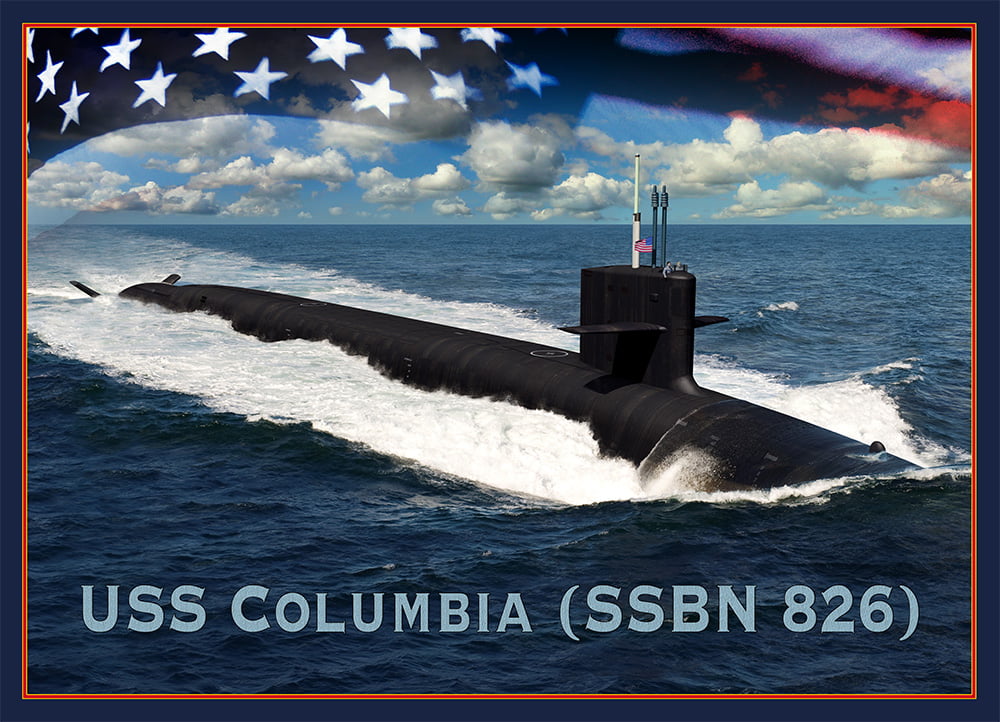
U.S. Navy's Columbia-Class Submarine Program Progress
- Massive Contract Value: The U.S. Navy awarded General Dynamics a $15.4 billion contract for the design and construction of Columbia-class submarines, reflecting the Navy's confidence in the program and likely boosting the related supply chain.
- Total Program Cost: According to the Government Accountability Office, the total cost for building 12 Columbia-class submarines is projected to reach $126.5 billion, with a cost per hull of $10.5 billion, and General Dynamics responsible for 78% of the construction, solidifying its dominance in the defense market.
- Accelerated Production Preparations: The Navy is preparing to begin serial production of the Columbia-class submarines, with the first boat expected to be delivered in 2027, further enhancing the U.S. Navy's strategic deterrence capabilities while providing General Dynamics with long-term revenue assurance.
- Competitive Analysis: Although General Dynamics has a higher P/E ratio, its competitor Huntington Ingalls, focused solely on shipbuilding, is projected to achieve a 14% earnings growth over the next five years, indicating a more attractive investment potential.
See More

Iran War Drives Transformation in Defense Technology


- Cost-Effectiveness Demand: Defense Secretary's warning against using $2 million missiles to shoot down $20,000 drones highlights the urgent need for defense tech companies to accelerate the development of low-cost drones to meet modern warfare demands.
- Market Opportunities: The U.S. Department of Defense consumed $5.6 billion in munitions within two days of the Iran war outbreak, indicating a pressing need for new drone and counter-drone technologies, which is rapidly boosting valuations and market shares of related startups.
- Accelerated Technological Innovation: The U.S. has introduced the Low-cost Uncrewed Combat Attack System (LUCAS), priced at approximately $35,000, which is becoming a key technology in countering Iranian drone threats and is expected to attract more defense budget allocations.
- Intensified Industry Competition: Although spending in the defense tech sector accounted for less than 1% of contract dollars in 2025, startups like Anduril and Palantir have secured multi-billion dollar contracts, reflecting strong market demand for high-tech solutions.
See More

U.S. Polar Icebreaker Plans Lag Behind Competitors
- Arctic Route Competition Intensifies: With increased activity from Chinese and Russian Coast Guards, the U.S. significantly lags in Arctic route competition, as the number of ships transiting the Arctic waterway surged by 40% from 2013 to 2025, reaching 1,800 vessels, highlighting the region's strategic importance.
- Funding Shortages Impact Construction: The U.S. Coast Guard operates only three icebreakers, one of which is 50 years old, and funding shortfalls have led to severe maintenance issues, directly threatening national security and delaying the construction of new icebreakers.
- Trump Pushes Shipbuilding Initiatives: The Trump administration plans to invest $30 billion by 2025 for shipbuilding, including 11 new Arctic security cutters, to counter China's influence in the region, demonstrating a strong focus on Arctic strategy.
- Workforce Training Program: Davie Defense aims to add 2,000 employees in Texas and enhance U.S. shipbuilding capabilities through training programs in Finland, with the first Texas-built icebreaker expected to be delivered by 2032, marking a revival of the U.S. shipbuilding industry.
See More

Yemen's Houthis Launch First Missile Strike Against Israel

- Missile Strike Escalation: Yemen's Houthis launched their first ballistic missile strike against Israel, marking the militia's initial military intervention in the U.S.-Israeli-led war against Iran, which could escalate regional tensions.
- Clear Military Targets: Houthi spokesman stated that the strike was aimed at supporting Iran's regime and Hezbollah in Lebanon, indicating a close alignment with Iran that may influence future geopolitical dynamics.
- Global Trade Risks: Analysts warn that the Houthis could attempt to choke off maritime traffic through the Bab el-Mandeb Strait, a crucial shipping route, which is expected to exert pressure on global trade, particularly in oil and gas transportation.
- Surging Oil Prices: Amid escalating tensions in the Middle East, U.S. crude oil prices rose 5.46% to $99.64 per barrel, while international benchmark Brent crude increased by 4.22% to $112.57, reflecting heightened market concerns over supply disruptions.
See More

Zelensky's Surprise Visit to Saudi Arabia for Support
- Military Cooperation Talks: Ukrainian President Zelensky met with Saudi Crown Prince Mohammed bin Salman to discuss escalating military tensions in the Middle East and the war in Ukraine, aiming to enhance cooperation with Gulf nations by offering air defense and drone technology.
- Expert Deployment: Over 200 Ukrainian experts have been dispatched to the Middle East to assist countries in intercepting Iranian attacks that have damaged energy infrastructure, highlighting Ukraine's proactive role in international security cooperation.
- U.S. Resource Reallocation: As the U.S. considers redirecting military resources originally intended for Ukraine to the Middle East, Zelensky's visit aims to secure Gulf nations' support for Ukraine in its ongoing battle against Russian aggression.
- European Aid Uncertainty: The critical €90 billion ($104 billion) EU loan package for Ukraine is now in jeopardy due to Hungary's veto, further intensifying Ukraine's military and economic pressures.
See More
U.S. Navy Awards General Dynamics $15.4 Billion Contract
- Massive Contract Award: The U.S. Navy has awarded General Dynamics a $15.4 billion contract to support the construction of 12 Columbia-class nuclear submarines, reflecting the Navy's confidence in the project, which is expected to exceed a total cost of $126 billion.
- Slow Project Progress: Since the Navy first awarded General Dynamics a design contract in 2017, the project has faced delays, with the first submarine not expected to be delivered until 2027, highlighting the complexity and long timelines of military projects.
- Market Share Distribution: General Dynamics will receive 78% of the project funding, while competitor Huntington Ingalls will be responsible for the bow and stern sections of the submarines, illustrating the collaborative yet competitive dynamics between the two firms in this critical defense initiative.
- Investment Value Analysis: Despite General Dynamics' significant role in defense, its price-to-earnings ratio exceeds 22, with a long-term growth forecast of only 10.5%, whereas Huntington Ingalls presents a more attractive PEG ratio, suggesting investors should carefully evaluate the investment potential of General Dynamics.
See More
U.S. Navy's Columbia-Class Submarine Program Progress
- Massive Contract Value: The U.S. Navy awarded General Dynamics a $15.4 billion contract for the design and construction of Columbia-class submarines, reflecting the Navy's confidence in the program and likely boosting the related supply chain.
- Total Program Cost: According to the Government Accountability Office, the total cost for building 12 Columbia-class submarines is projected to reach $126.5 billion, with a cost per hull of $10.5 billion, and General Dynamics responsible for 78% of the construction, solidifying its dominance in the defense market.
- Accelerated Production Preparations: The Navy is preparing to begin serial production of the Columbia-class submarines, with the first boat expected to be delivered in 2027, further enhancing the U.S. Navy's strategic deterrence capabilities while providing General Dynamics with long-term revenue assurance.
- Competitive Analysis: Although General Dynamics has a higher P/E ratio, its competitor Huntington Ingalls, focused solely on shipbuilding, is projected to achieve a 14% earnings growth over the next five years, indicating a more attractive investment potential.
See More
Iran War Drives Transformation in Defense Technology
- Cost-Effectiveness Demand: Defense Secretary's warning against using $2 million missiles to shoot down $20,000 drones highlights the urgent need for defense tech companies to accelerate the development of low-cost drones to meet modern warfare demands.
- Market Opportunities: The U.S. Department of Defense consumed $5.6 billion in munitions within two days of the Iran war outbreak, indicating a pressing need for new drone and counter-drone technologies, which is rapidly boosting valuations and market shares of related startups.
- Accelerated Technological Innovation: The U.S. has introduced the Low-cost Uncrewed Combat Attack System (LUCAS), priced at approximately $35,000, which is becoming a key technology in countering Iranian drone threats and is expected to attract more defense budget allocations.
- Intensified Industry Competition: Although spending in the defense tech sector accounted for less than 1% of contract dollars in 2025, startups like Anduril and Palantir have secured multi-billion dollar contracts, reflecting strong market demand for high-tech solutions.
See More
U.S. Polar Icebreaker Plans Lag Behind Competitors
- Arctic Route Competition Intensifies: With increased activity from Chinese and Russian Coast Guards, the U.S. significantly lags in Arctic route competition, as the number of ships transiting the Arctic waterway surged by 40% from 2013 to 2025, reaching 1,800 vessels, highlighting the region's strategic importance.
- Funding Shortages Impact Construction: The U.S. Coast Guard operates only three icebreakers, one of which is 50 years old, and funding shortfalls have led to severe maintenance issues, directly threatening national security and delaying the construction of new icebreakers.
- Trump Pushes Shipbuilding Initiatives: The Trump administration plans to invest $30 billion by 2025 for shipbuilding, including 11 new Arctic security cutters, to counter China's influence in the region, demonstrating a strong focus on Arctic strategy.
- Workforce Training Program: Davie Defense aims to add 2,000 employees in Texas and enhance U.S. shipbuilding capabilities through training programs in Finland, with the first Texas-built icebreaker expected to be delivered by 2032, marking a revival of the U.S. shipbuilding industry.
See More
Yemen's Houthis Launch First Missile Strike Against Israel
- Missile Strike Escalation: Yemen's Houthis launched their first ballistic missile strike against Israel, marking the militia's initial military intervention in the U.S.-Israeli-led war against Iran, which could escalate regional tensions.
- Clear Military Targets: Houthi spokesman stated that the strike was aimed at supporting Iran's regime and Hezbollah in Lebanon, indicating a close alignment with Iran that may influence future geopolitical dynamics.
- Global Trade Risks: Analysts warn that the Houthis could attempt to choke off maritime traffic through the Bab el-Mandeb Strait, a crucial shipping route, which is expected to exert pressure on global trade, particularly in oil and gas transportation.
- Surging Oil Prices: Amid escalating tensions in the Middle East, U.S. crude oil prices rose 5.46% to $99.64 per barrel, while international benchmark Brent crude increased by 4.22% to $112.57, reflecting heightened market concerns over supply disruptions.
See More
Zelensky's Surprise Visit to Saudi Arabia for Support
- Military Cooperation Talks: Ukrainian President Zelensky met with Saudi Crown Prince Mohammed bin Salman to discuss escalating military tensions in the Middle East and the war in Ukraine, aiming to enhance cooperation with Gulf nations by offering air defense and drone technology.
- Expert Deployment: Over 200 Ukrainian experts have been dispatched to the Middle East to assist countries in intercepting Iranian attacks that have damaged energy infrastructure, highlighting Ukraine's proactive role in international security cooperation.
- U.S. Resource Reallocation: As the U.S. considers redirecting military resources originally intended for Ukraine to the Middle East, Zelensky's visit aims to secure Gulf nations' support for Ukraine in its ongoing battle against Russian aggression.
- European Aid Uncertainty: The critical €90 billion ($104 billion) EU loan package for Ukraine is now in jeopardy due to Hungary's veto, further intensifying Ukraine's military and economic pressures.
See More