U.S. Justice Department Sues United Parks & Resorts for Violating ADA
The Justice Department's Civil Rights Division and the U.S. Attorney's Office for the Middle District of Florida filed a lawsuit against United Parks & Resorts and its subsidiaries, alleging the company' policy banning guests with disabilities from using wheeled walkers with seats, including rollators, violates Title III of the Americans with Disabilities Act. The agency says United owns, leases, or operates twelve parks and experiences in the United States, including SeaWorld Orlando, Busch Gardens Tampa Bay, Discovery Cove Orlando, and Aquatica Orlando. The lawsuit seeks a court order to force United Parks to "stop discriminating against individuals with disabilities, to modify its policies to comply with the ADA, and to train its staff on the ADA." The lawsuit also seeks monetary damages to compensate "aggrieved individuals."
Trade with 70% Backtested Accuracy
Analyst Views on PRKS

About PRKS
About the author


Busch Gardens Honors Military with Free Admission

- Military Appreciation Initiative: Busch Gardens is offering free admission to U.S. veterans and up to three guests during Military Appreciation Month, with registration open until May 10 and visits allowed until June 30, reflecting the company's gratitude for military service.
- Year-Round Discounts: Through the Waves of Honor program, active-duty military personnel and their families can enjoy one complimentary admission per year and a 50% discount on single-day tickets for up to six guests, enhancing the recreational experience for military families.
- Longstanding Support: Over 10 million military members and their families have benefited from free admission through Busch Gardens' initiatives, showcasing the company's commitment to supporting veterans and fostering community engagement.
- New Annual Pass Option: The introduction of the Military Silver Annual Pass allows military families unlimited access and various perks, encouraging repeat visits and further enriching their overall experience at the parks.

Busch Gardens Honors Military Families with Free Admission
- Free Admission for Military Families: Busch Gardens is offering complimentary admission to U.S. military veterans and their families during Military Appreciation Month, allowing veterans to register by May 10 and visit by June 30, showcasing the company's gratitude for military service.
- Ongoing Discount Programs: Through the Waves of Honor program, active-duty military and their guests can enjoy one complimentary admission per year and a 50% discount on single-day tickets for up to six guests, strengthening the company's ties with the military community.
- Longstanding Support: Over the past 25 years, Busch Gardens has provided free admission to more than 10 million military members and their families, demonstrating the company's commitment to veterans and enhancing its brand image and social responsibility.
- New Annual Pass Options: Busch Gardens has introduced a Military Silver Annual Pass, allowing military families unlimited visits for a year, along with various discounts, which further attracts military customers and enhances customer loyalty.
United Parks & Resorts to Release Q1 Financial Results
- Earnings Release Schedule: United Parks & Resorts will announce its Q1 financial results before the market opens on May 11, 2026, which is expected to significantly impact investor sentiment.
- Live Conference Call: The company has scheduled a conference call for May 11, 2026, at 9 a.m. Eastern Time, allowing investors to access real-time information through a live webcast on its website.
- Replay Availability: For those unable to attend the live session, a replay will be accessible starting at 12 p.m. Eastern Time on the same day, ensuring that all stakeholders can obtain the financial details.
- Global Business Overview: United Parks & Resorts operates or licenses several renowned theme park brands across 13 parks, showcasing its leadership in the global entertainment industry.

SeaWorld Hosts All-American High School Basketball Showcase
- Event Highlights: From April 24-25, 2026, SeaWorld will host the 12th annual Ballislife All-American Game, featuring top high school basketball athletes showcasing their skills in events like dunk contests and three-point competitions, which is expected to draw large crowds and enhance SeaWorld's visibility.
- Partnership Significance: This event marks the beginning of a long-term partnership between SeaWorld and Ballislife, aimed at bringing high-level basketball events to San Diego, thereby boosting local economic growth and tourism.
- Exclusive Ticket Offers: During the event, SeaWorld will offer exclusive ticket deals, allowing visitors to purchase annual passes for unlimited admission, which is likely to attract more family visitors and increase overall attendance.
- Comprehensive Entertainment Experience: In addition to basketball, guests can enjoy animal encounters, educational presentations, and rides at SeaWorld, ensuring a rich entertainment experience for every visitor, thereby enhancing brand appeal.
SeaWorld Hosts All-American High School Basketball Showcase
- Event Highlights: From April 24-25, 2026, SeaWorld will host the 12th annual Ballislife All-American Game, featuring top high school basketball athletes showcasing their skills in events like dunk contests and three-point competitions, which is expected to draw large crowds and enhance SeaWorld's brand visibility.
- Star Roster: The girls' team includes top-ranked players such as Oliviyah Edwards at #2 and Jordyn Jackson at #8, who will display their potential and future college basketball prospects, further driving interest and participation in high school basketball.
- Partnership Significance: This event marks the beginning of a long-term partnership between SeaWorld and Ballislife, aimed at promoting high-level basketball events, thereby enhancing SeaWorld's competitiveness in the sports entertainment sector.
- Audience Experience: Attendees will not only enjoy the games but also experience other attractions at SeaWorld, including animal encounters and educational presentations, which is expected to attract more visitors, boost ticket sales, and foster brand loyalty.
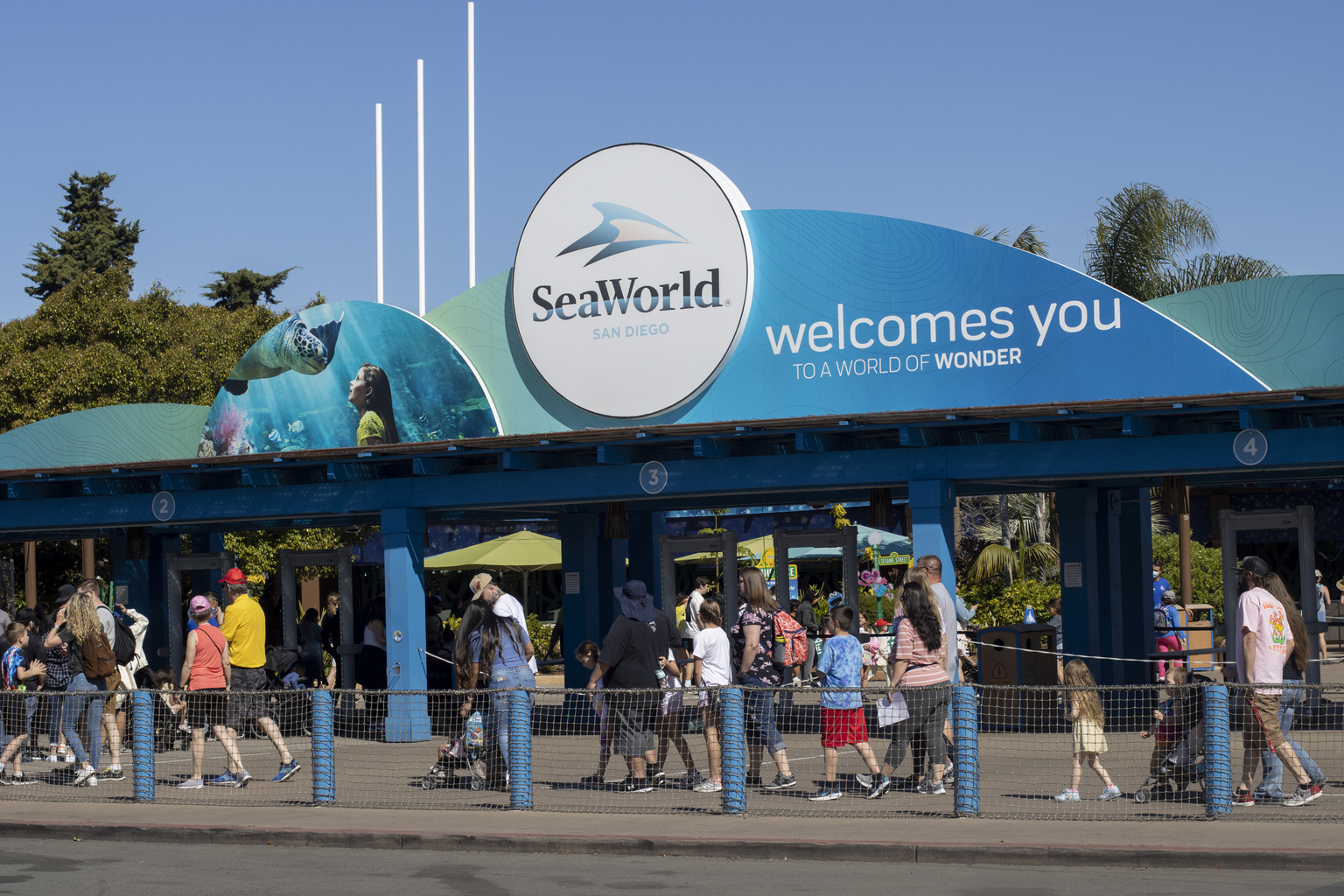
DOJ Sues United Parks & Resorts Over Disability Access Policy
- Lawsuit Background: The Department of Justice filed a lawsuit against United Parks & Resorts (PRKS) on Thursday, alleging that its ban on wheeled walkers with seats, including rollators, violates the Americans with Disabilities Act.
- Scope of Impact: This policy has barred individuals with disabilities, including children and veterans, from accessing several attractions owned by United Parks & Resorts, such as SeaWorld Orlando and Busch Gardens Tampa Bay, thereby affecting its customer base.
- Legal Demands: The lawsuit seeks a court order for the company to cease alleged discriminatory practices, update its policies, train staff, and pay damages and civil penalties, highlighting the government's commitment to protecting the rights of disabled individuals.
- Additional Allegations: The complaint also accuses the company of imposing improper costs through rental fees and failing to make reasonable policy adjustments for disabled guests, potentially exposing the company to greater legal and financial risks.
Busch Gardens Honors Military with Free Admission
- Military Appreciation Initiative: Busch Gardens is offering free admission to U.S. veterans and up to three guests during Military Appreciation Month, with registration open until May 10 and visits allowed until June 30, reflecting the company's gratitude for military service.
- Year-Round Discounts: Through the Waves of Honor program, active-duty military personnel and their families can enjoy one complimentary admission per year and a 50% discount on single-day tickets for up to six guests, enhancing the recreational experience for military families.
- Longstanding Support: Over 10 million military members and their families have benefited from free admission through Busch Gardens' initiatives, showcasing the company's commitment to supporting veterans and fostering community engagement.
- New Annual Pass Option: The introduction of the Military Silver Annual Pass allows military families unlimited access and various perks, encouraging repeat visits and further enriching their overall experience at the parks.
Busch Gardens Honors Military Families with Free Admission
- Free Admission for Military Families: Busch Gardens is offering complimentary admission to U.S. military veterans and their families during Military Appreciation Month, allowing veterans to register by May 10 and visit by June 30, showcasing the company's gratitude for military service.
- Ongoing Discount Programs: Through the Waves of Honor program, active-duty military and their guests can enjoy one complimentary admission per year and a 50% discount on single-day tickets for up to six guests, strengthening the company's ties with the military community.
- Longstanding Support: Over the past 25 years, Busch Gardens has provided free admission to more than 10 million military members and their families, demonstrating the company's commitment to veterans and enhancing its brand image and social responsibility.
- New Annual Pass Options: Busch Gardens has introduced a Military Silver Annual Pass, allowing military families unlimited visits for a year, along with various discounts, which further attracts military customers and enhances customer loyalty.
United Parks & Resorts to Release Q1 Financial Results
- Earnings Release Schedule: United Parks & Resorts will announce its Q1 financial results before the market opens on May 11, 2026, which is expected to significantly impact investor sentiment.
- Live Conference Call: The company has scheduled a conference call for May 11, 2026, at 9 a.m. Eastern Time, allowing investors to access real-time information through a live webcast on its website.
- Replay Availability: For those unable to attend the live session, a replay will be accessible starting at 12 p.m. Eastern Time on the same day, ensuring that all stakeholders can obtain the financial details.
- Global Business Overview: United Parks & Resorts operates or licenses several renowned theme park brands across 13 parks, showcasing its leadership in the global entertainment industry.
SeaWorld Hosts All-American High School Basketball Showcase
- Event Highlights: From April 24-25, 2026, SeaWorld will host the 12th annual Ballislife All-American Game, featuring top high school basketball athletes showcasing their skills in events like dunk contests and three-point competitions, which is expected to draw large crowds and enhance SeaWorld's visibility.
- Partnership Significance: This event marks the beginning of a long-term partnership between SeaWorld and Ballislife, aimed at bringing high-level basketball events to San Diego, thereby boosting local economic growth and tourism.
- Exclusive Ticket Offers: During the event, SeaWorld will offer exclusive ticket deals, allowing visitors to purchase annual passes for unlimited admission, which is likely to attract more family visitors and increase overall attendance.
- Comprehensive Entertainment Experience: In addition to basketball, guests can enjoy animal encounters, educational presentations, and rides at SeaWorld, ensuring a rich entertainment experience for every visitor, thereby enhancing brand appeal.
SeaWorld Hosts All-American High School Basketball Showcase
- Event Highlights: From April 24-25, 2026, SeaWorld will host the 12th annual Ballislife All-American Game, featuring top high school basketball athletes showcasing their skills in events like dunk contests and three-point competitions, which is expected to draw large crowds and enhance SeaWorld's brand visibility.
- Star Roster: The girls' team includes top-ranked players such as Oliviyah Edwards at #2 and Jordyn Jackson at #8, who will display their potential and future college basketball prospects, further driving interest and participation in high school basketball.
- Partnership Significance: This event marks the beginning of a long-term partnership between SeaWorld and Ballislife, aimed at promoting high-level basketball events, thereby enhancing SeaWorld's competitiveness in the sports entertainment sector.
- Audience Experience: Attendees will not only enjoy the games but also experience other attractions at SeaWorld, including animal encounters and educational presentations, which is expected to attract more visitors, boost ticket sales, and foster brand loyalty.
DOJ Sues United Parks & Resorts Over Disability Access Policy
- Lawsuit Background: The Department of Justice filed a lawsuit against United Parks & Resorts (PRKS) on Thursday, alleging that its ban on wheeled walkers with seats, including rollators, violates the Americans with Disabilities Act.
- Scope of Impact: This policy has barred individuals with disabilities, including children and veterans, from accessing several attractions owned by United Parks & Resorts, such as SeaWorld Orlando and Busch Gardens Tampa Bay, thereby affecting its customer base.
- Legal Demands: The lawsuit seeks a court order for the company to cease alleged discriminatory practices, update its policies, train staff, and pay damages and civil penalties, highlighting the government's commitment to protecting the rights of disabled individuals.
- Additional Allegations: The complaint also accuses the company of imposing improper costs through rental fees and failing to make reasonable policy adjustments for disabled guests, potentially exposing the company to greater legal and financial risks.